Hogueras de San Juan (Alicante)

The best single-city way to do San Juan in Spain. If you're on the Costa Blanca in June, base in Alicante.
For the Mediterranean midsummer-night festival at its most concentrated — bonfires, fireworks, and midnight swims.
At a Glance
- — You're not in Alicante in late June
- — You dislike fireworks and crowds
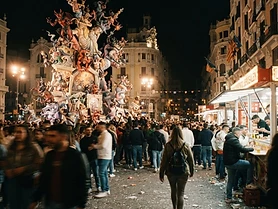
Las Hogueras de San Juan is Alicante's main festival, 20–24 June, and it's the coastal cousin of Valencia's Fallas: the city builds large satirical monuments (hogueras), there's a daily mascletà on the Explanada, a beauty contest, and on the night of 24 June the hogueras are burned, followed by the banyà — fireworks from the beach and people swimming through the smoke. It's Alicante's biggest week, on the shortest night of the year, and the San Juan tradition of jumping over bonfires and swimming at midnight runs along the whole Spanish coast the same night.
How it got here
Summer solstice celebrations trace back to prehistoric rites centered on the power of fire and the harvest. These customs persisted through the Roman occupation of the Mediterranean coast and deepened under subsequent centuries of cultural layering. The specific structure of the Alicante festival evolved from smaller village gatherings into the current format of satirical monuments during the late nineteenth century. By the 1920s, the city consolidated these localized bonfires into a coordinated municipal event. This transition transformed a rural custom into an urban display of craftsmanship and social satire that connects the maritime traditions of the Levant to older, widespread Mediterranean fire cycles.
Where it sits
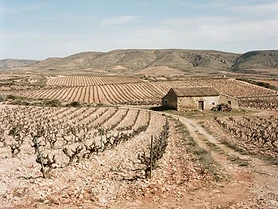
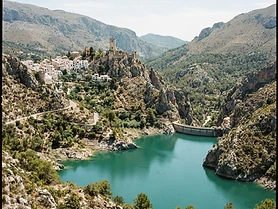
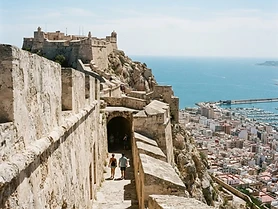
The city occupies a narrow coastal shelf where the limestone spurs of the inland mountain ranges meet the Mediterranean. Harsh white sunlight dominates the streets during late June, reflecting off the pale marble tiles of the waterfront. The humidity rises as the heat intensifies, making the sea breeze an essential comfort. Steep crags rise immediately behind the port, creating a compressed geography that channels the heat of the interior toward the coast. Public squares fill with wooden structures that obstruct normal movement, turning the city into a series of confined, smoke-filled corridors during the final days of the festival.
What to eat and drink
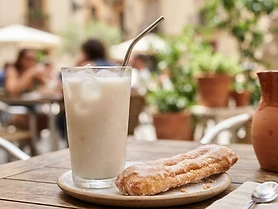
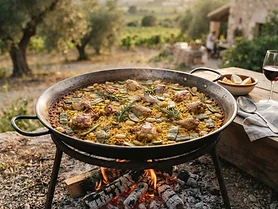
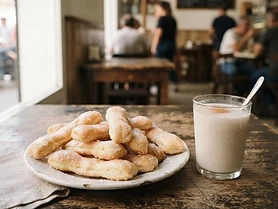
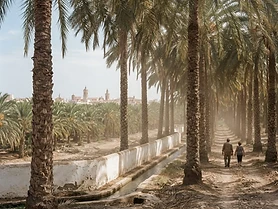
Alicante draws its flavors from the surrounding orchards and the Mediterranean Sea. Arroz a banda, rice cooked in a concentrated fish stock and served with alioli, defines the local diet. Coca amb tonyina, a savory pastry filled with salted tuna, pine nuts, and onion, acts as the traditional food specifically prepared for the festival week. Diners pair these meals with horchata, a milky drink made from tigernuts grown in the nearby fields of the Valencian Community. The local mistela, a sweet fortified wine, provides a sharp contrast to the saltiness of the coastal seafood dishes found throughout the province.
Valencia: the whole region
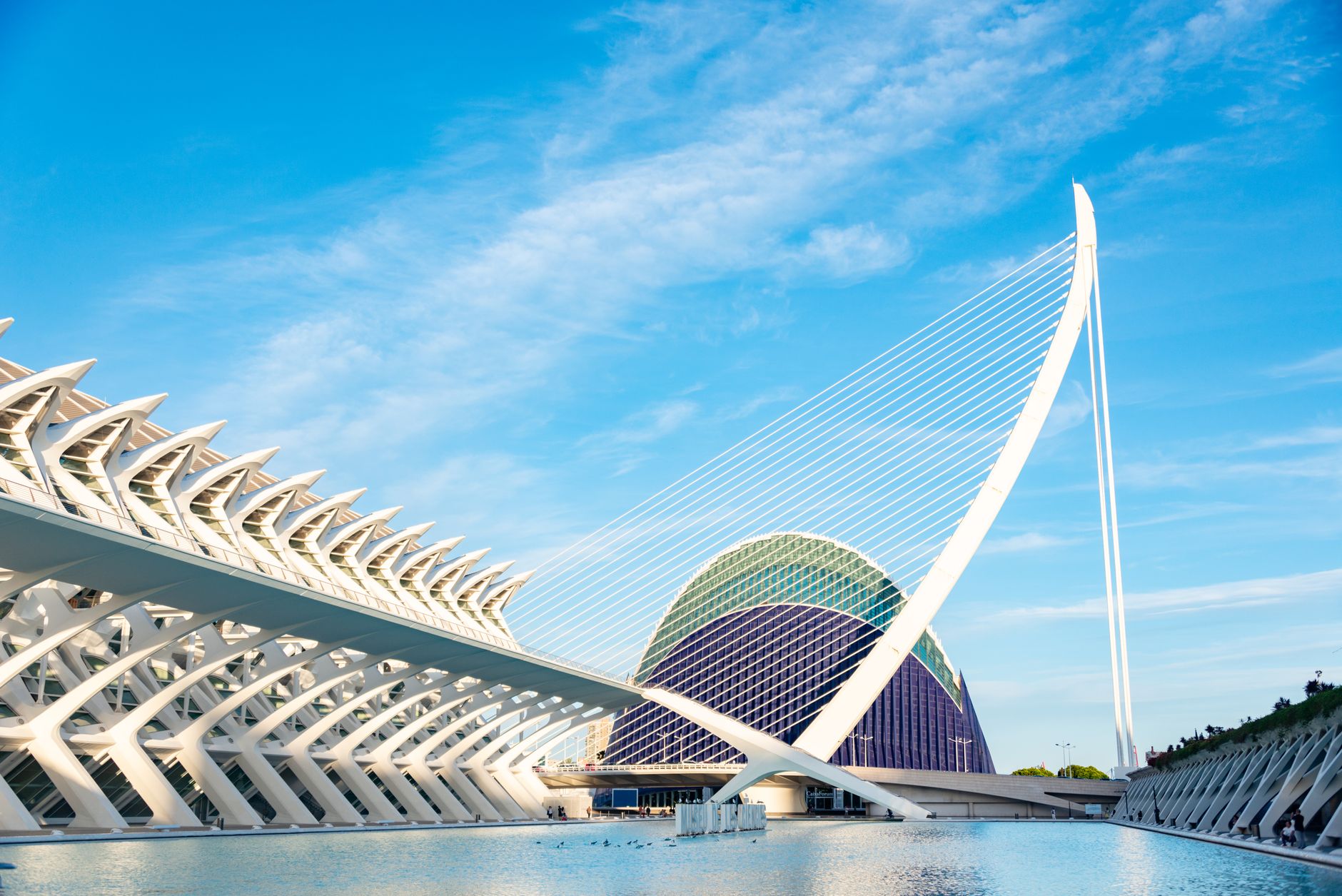
A long, hot, flat coast with one excellent city at its centre and much emptier country behind it. Valencia itself earns three days on its own — the old town, the Central Market, the City of Arts, and the rice that was invented in the…
Minimum 3 days · better 5-6 days · deep 8-10 days

Pair It With

In Valencia









In Valencia


In Valencia










Ready to build Hogueras de San Juan (Alicante) into a trip?
You've found a place worth going. When you're ready to turn discovery into an itinerary, Travel Itinerary Co picks up where the Field Guide leaves off — with your saved places already in hand.
Build this into a tripContinues on Travel Itinerary Co
Spain Field Guide may earn a commission when you book through selected links. Recommendations are editorial and independent of commission.