Plaza de Toros de Valencia

Only if you're already in Valencia and curious about the tradition. It's the least essential of Spain's four great rings to visit as a non-fan.
To see a working neo-classical bullring in the middle of Valencia, and to visit its small bullfighting museum.
At a Glance
- — You have no interest in bullfighting
- — You've seen Ronda or Las Ventas already
Valencia's Plaza de Toros was built in 1859 in neo-classical style, sitting beside the Estación del Norte and the Xátiva roundabout — you'll walk past it on the way into the old town from the station. It seats about 12,000, hosts its main season during the July Feria de Julio, and includes a small Museo Taurino on the tradition in Valencia. It's less architecturally distinguished than Ronda or Seville, but it's central, easy to visit, and gives the same museum-plus-architecture option as the other rings.
How it got here
Construction finished in 1859 under the design of Sebastián Monleón Estellés. The ring follows a neo-classical style inspired by Roman amphitheaters. It replaced a smaller wooden structure that burned down decades earlier. During the nineteenth century the site solidified the cultural role of the bullring in urban life, aligning with a surge in bullfighting popularity across Spain. The architecture prioritizes capacity and radial symmetry for viewing. Today the ring persists as a physical connection to this period of civic planning, standing beside the Estación del Norte as a reminder of how urban centers integrated these spectacles into the daily commute and transit paths of the city.
Where it sits
The bullring occupies a prime spot near the Xátiva metro station, marking the southern edge of the old city walls. The immediate surroundings consist of heavy transit infrastructure, wide boulevards, and pedestrian movement flowing into the nearby commercial corridors. During the summer heat, the surrounding stone traps warmth, while winter brings cooler, coastal air from the Mediterranean. The site draws heavy foot traffic daily. It stands in contrast to the nearby modernist train station, acting as a fixed marker in a part of the city that transformed rapidly as Valencia expanded beyond its medieval fortifications during the late nineteenth century.
What to eat and drink
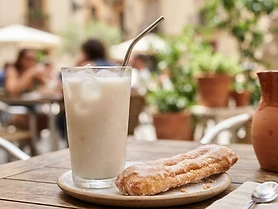
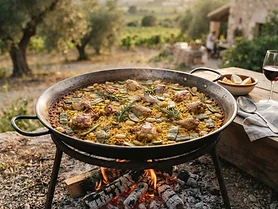
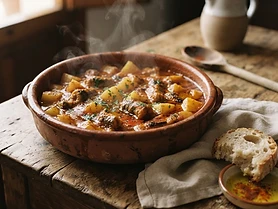
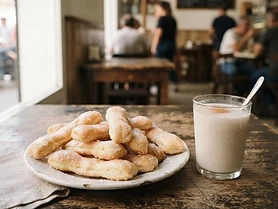
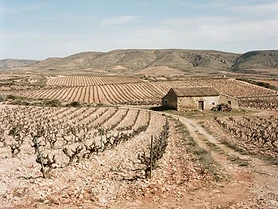
Valencian cuisine centers on the flat lands and irrigation systems of the Huerta. Paella valenciana, made with chicken, rabbit, garrofó beans, and snails, dominates the local table. During the heat of the day, locals drink horchata, a milky liquid pressed from chufa tubers and sweetened, often served with long, thin fartons for dipping. The local horchata habit dictates the tempo of afternoon rest. For heavier fare, all i pebre provides a spicy eel and potato stew rooted in the marshy waters of the nearby Albufera lagoon, finished with garlic and paprika that colors the thick sauce.
Valencia: the whole region
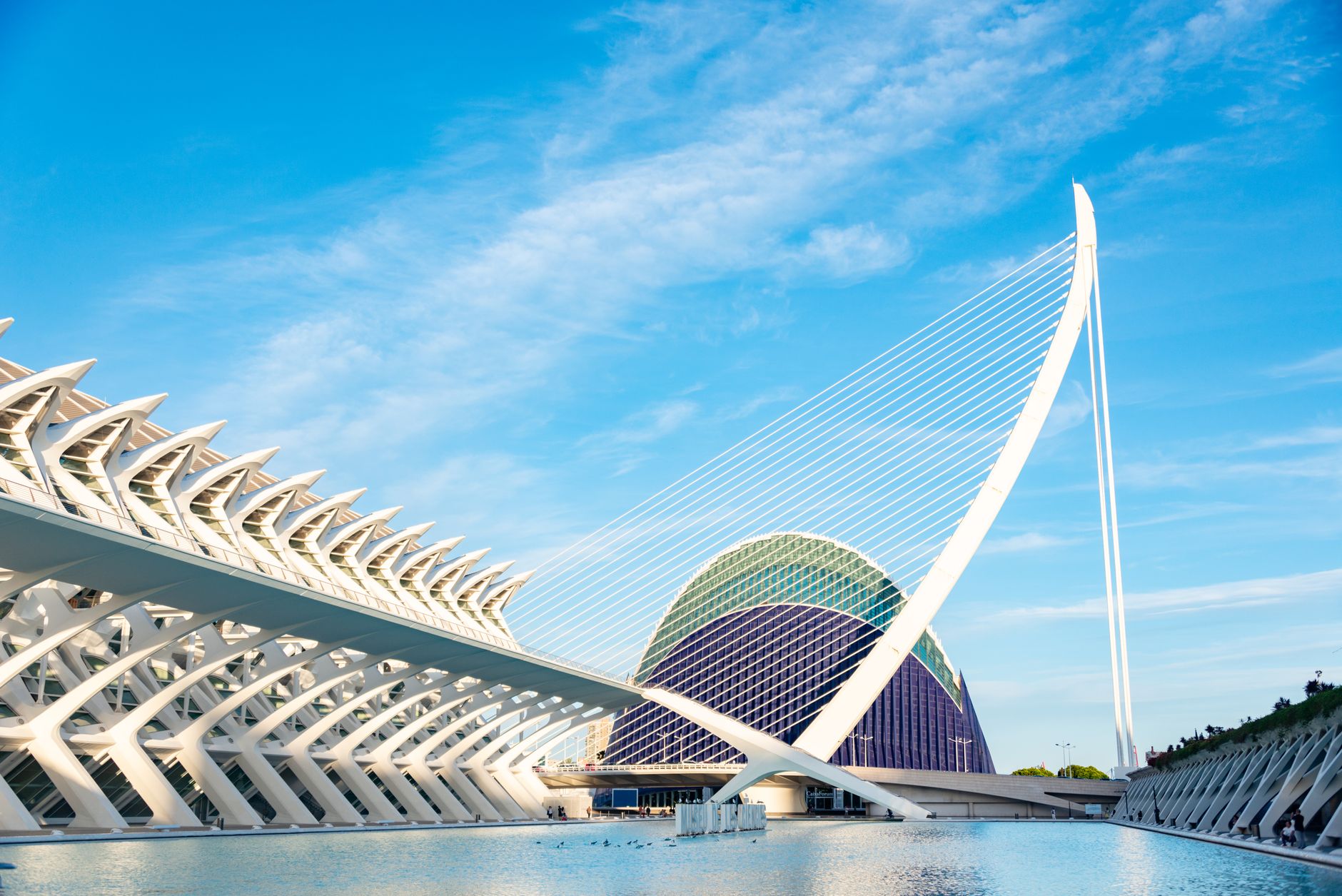
A long, hot, flat coast with one excellent city at its centre and much emptier country behind it. Valencia itself earns three days on its own — the old town, the Central Market, the City of Arts, and the rice that was invented in the…
Minimum 3 days · better 5-6 days · deep 8-10 days

In Valencia









In Valencia


In Valencia










Experiences worth booking ahead
- Paella Cooking Class, Wine Tasting & Central Market in Valencia5.0 (2,337)3.5 hrsFrom €70
- Valencia Old Town Tour with Wine & Tapas in 11th Century Historic Monument5.0 (3,792)4 hrsFrom €75
- Private TukTuk Tour 2 Hours of Valencia4.9 (168)2 hrsFrom €40
- Valencia: City Highlights Bike or E-Bike Tour4.5 (220)2.5 hrsFrom €23
Spain Field Guide may earn a commission when you book through selected links. Recommendations are editorial and independent of commission.
Ready to build Plaza de Toros de Valencia into a trip?
You've found a place worth going. When you're ready to turn discovery into an itinerary, Travel Itinerary Co picks up where the Field Guide leaves off — with your saved places already in hand.
Build this into a tripContinues on Travel Itinerary Co
Spain Field Guide may earn a commission when you book through selected links. Recommendations are editorial and independent of commission.