Turrón de Jijona
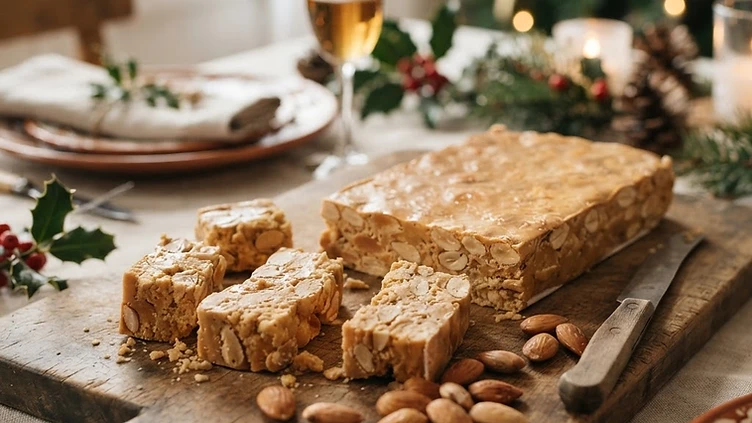
Buy the real thing (with the Jijona D.O.) at a pastelería in December. The soft Jijona is the one most people prefer; the hard Alicante breaks teeth if you're not careful.
Spain's Christmas nougat — almonds and honey pressed into a soft (Jijona) or hard (Alicante) slab. A 500-year-old confection with a protected origin.
At a Glance
- — You don't eat nuts
This traditional nougat is a dense, honey-sweetened slab of roasted almonds that serves as the centerpiece of the Spanish Christmas table. The soft Jijona variety, with its smooth, marzipan-like texture, is the most popular, offering a rich, comforting finish to the festive season. When sourced from a traditional shop, the deep flavor of the toasted nuts and the floral sweetness of the honey provide a timeless, indulgent treat that is deeply rooted in the history of the Valencia region.
How it got here
Almond cultivation arrived in the Iberian Peninsula during the Moorish occupation of the southern and eastern coasts. The artisans of Jijona developed a distinct method of grinding toasted Marcona almonds with honey and egg whites to create a dense paste. This preparation evolved within the workshops of the Valencian interior where the climate suited the maturation of nut crops. Records indicate the local industry grew steadily through the centuries as the product became a staple of Christmas trade. The specific protection of the geographical origin preserves the traditional ratio of ingredients and ensures the labor intensive process of boiling honey and stirring the almond mixture persists today.
Where it sits
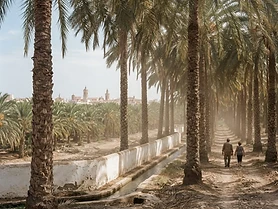
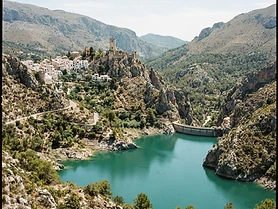
The town clings to the slopes of the Sierra de la Carrasqueta at the edge of the Mediterranean coastal plain. Olives and almond orchards define the landscape where the terrain climbs toward the inland mountains of Alicante. Cool winds descend from the heights during the winter months to temper the warmth of the coast. Small roads wind through the limestone ridges and narrow valleys that separate the town from the sea. Summer brings dry heat to the rock faces while the autumn harvest brings activity to the pressing houses and drying rooms that dot the hillsides.
What to eat and drink
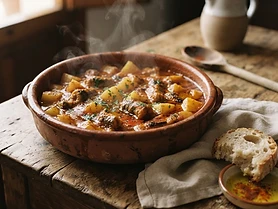
Turrón de Jijona defines the local palate with its smooth oily consistency derived from high fat almonds. Locals also prepare Turrón de Alicante, the harder variety containing whole toasted nuts encased in a brittle honey crust. During the cooler months, diners seek out olleta alicantina, a thick stew of pork, beans, and chard simmered for hours in clay pots. Wines from the nearby Vinalopó valley provide the standard accompaniment, particularly the sweet fondillón made from overripe Monastrell grapes left to concentrate on the vine until the first frost of winter.
Valencia: the whole region
A long, hot, flat coast with one excellent city at its centre and much emptier country behind it. Valencia itself earns three days on its own — the old town, the Central Market, the City of Arts, and the rice that was invented in the…
Minimum 3 days · better 5-6 days · deep 8-10 days
Pair It With


In Valencia






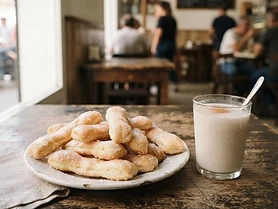

In Valencia

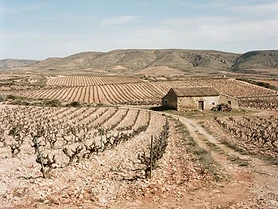
In Valencia


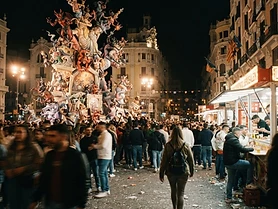

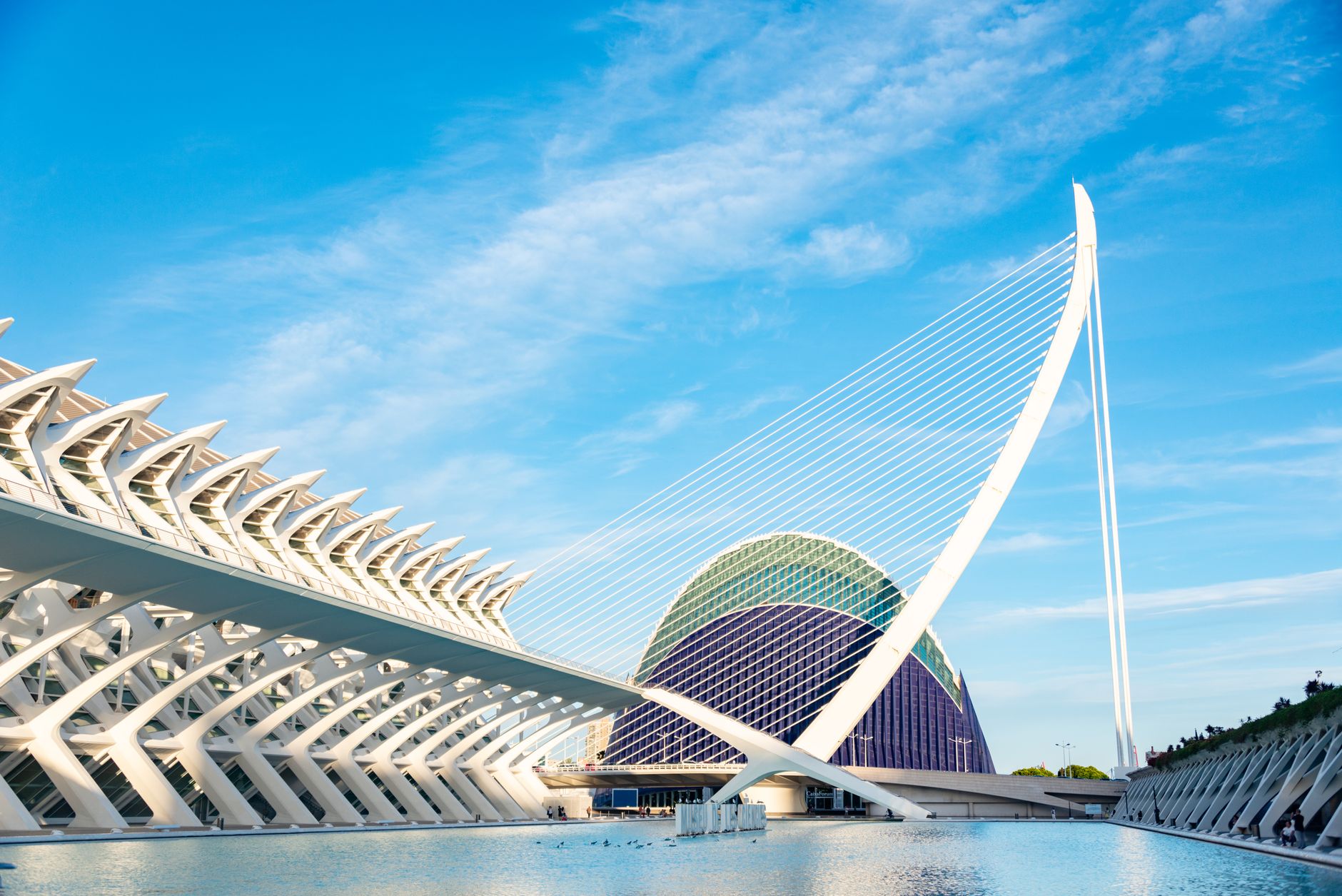








Logistics are verified only. We don't publish schedules we haven't confirmed.
Ready to build Turrón de Jijona into a trip?
You've found a place worth going. When you're ready to turn discovery into an itinerary, Travel Itinerary Co picks up where the Field Guide leaves off — with your saved places already in hand.
Build this into a tripContinues on Travel Itinerary Co
Spain Field Guide may earn a commission when you book through selected links. Recommendations are editorial and independent of commission.