Castillo de Santa Bárbara
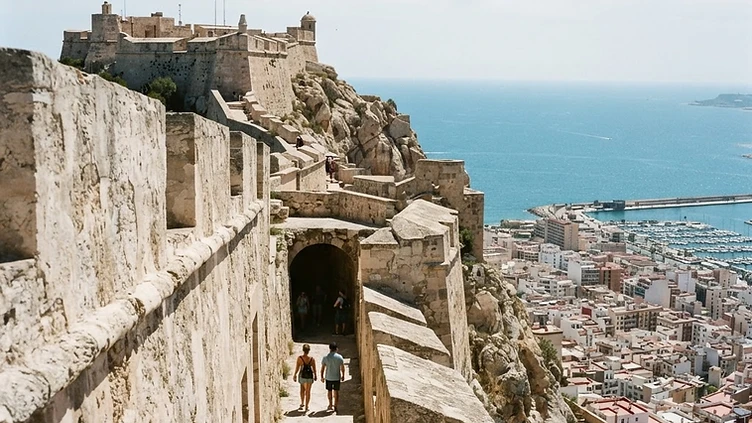
Two hours, and go in the late afternoon for the light. Walk up and take the lift down; the ramparts are the point, not the museum.
One of the largest castles in Spain, on the hill above Alicante's harbour, with the whole bay in view from the top.
At a Glance
Santa Bárbara covers the whole top of Mount Benacantil, 166 metres above Alicante's port, with walls built and rebuilt by Moorish, medieval and Renaissance engineers and the English in 1709. The upper platform gives a view over the whole bay and the city, and there is a lift up from the seafront as well as roads and paths. Entry to the fortress itself is free.
How it got here
Muslim forces held the high ground of Mount Benacantil during the ninth century, naming the crag after the surrounding fortified settlement. Alfonso of Castile captured the site in 1248, dedicating the stronghold to Saint Barbara to mark the feast day of her capture. The strategic importance of this point above the Mediterranean led to successive expansions by the Aragonese crown to defend against naval incursions from the sea. Royal engineers under Philip II reinforced the ramparts in the late sixteenth century against attacks by French and Ottoman fleets. These layers of stone trace the transition from a moorish frontier watchtower to an essential bastion of the Spanish crown.
Where it sits
Mount Benacantil rises sharply from the Mediterranean shoreline to dominate the coastal plain of Alicante. The limestone massif defines the skyline, rising well above the harbor and the dense cluster of residential blocks below. While the lower slopes carry paved roads and winding pedestrian paths, the upper sections retain the rugged character of a sheer defensive cliff. Summer heat traps the humidity of the sea against the rock, while the winter months bring sharp light and cool winds that sweep across the bay. The site acts as a visual anchor for the harbor, marking the divide between the port and the inland hills.
What to eat and drink
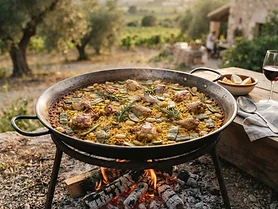
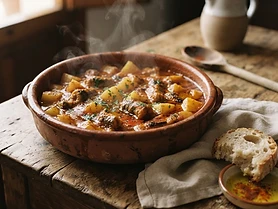
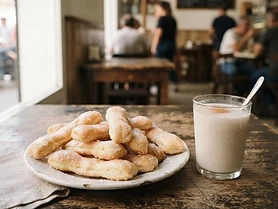
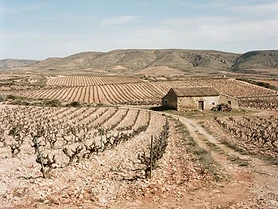
Alicante draws its character from the rice fields of the south and the vineyards of the Vinalopó valley. Arroz a banda, rice cooked in a concentrated fish stock and served with alioli, defines the coastal table. Diners find pericana, a salad of dried peppers and salted cod crumbled into olive oil, on plates across the province. The local tradition favors Fondillón, an intense wine made from overripe Monastrell grapes left on the vine until late in the season. These products rely on the salt of the sea and the dry heat of the interior to build a distinct and enduring local palate.
Valencia: the whole region
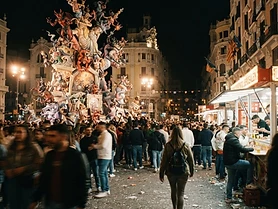
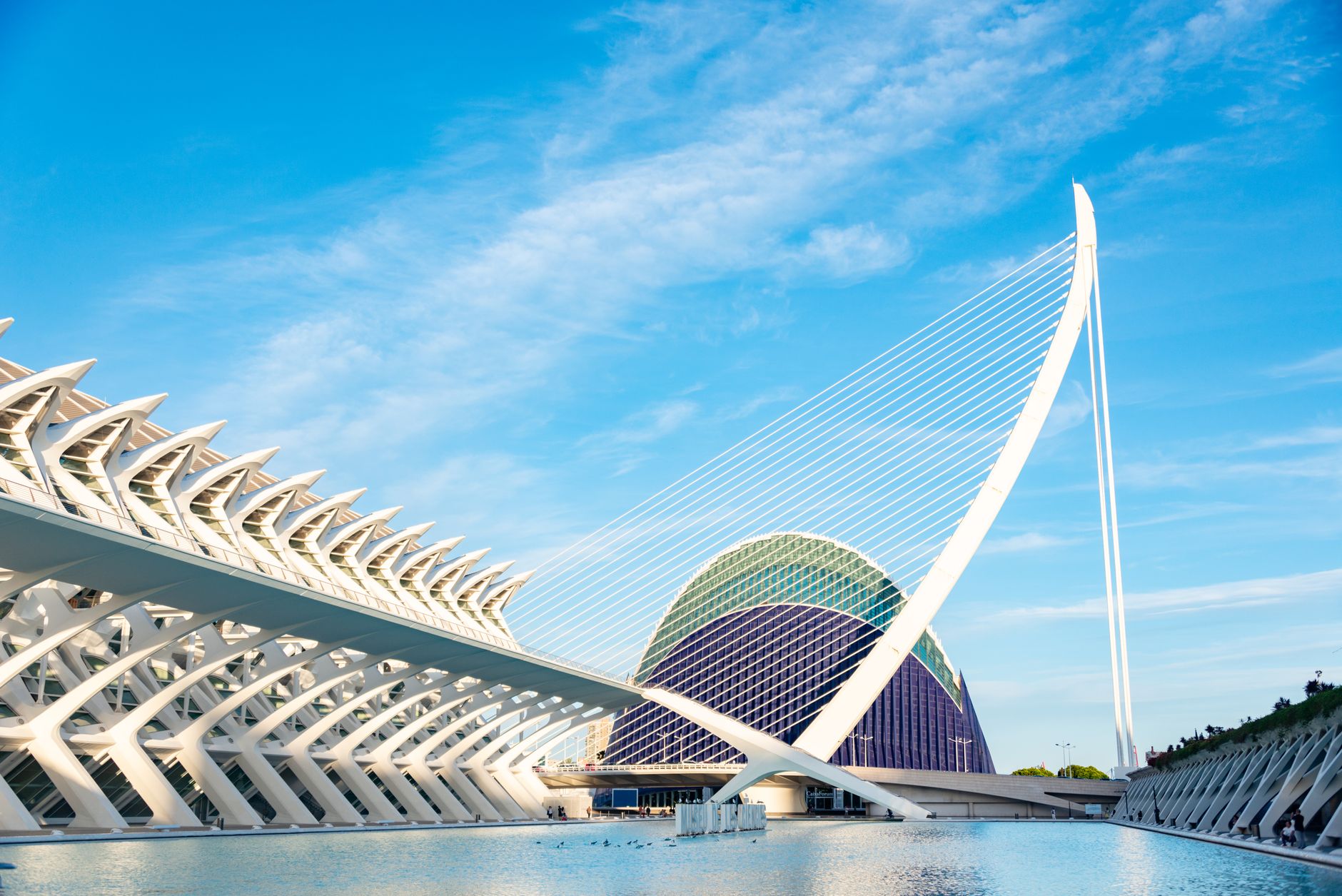
A long, hot, flat coast with one excellent city at its centre and much emptier country behind it. Valencia itself earns three days on its own — the old town, the Central Market, the City of Arts, and the rice that was invented in the…
Minimum 3 days · better 5-6 days · deep 8-10 days
In Valencia









In Valencia


In Valencia









More castle in Valencia
Logistics are verified only. We don't publish schedules we haven't confirmed.
Experiences worth booking ahead
Spain Field Guide may earn a commission when you book through selected links. Recommendations are editorial and independent of commission.
Ready to build Castillo de Santa Bárbara into a trip?
You've found a place worth going. When you're ready to turn discovery into an itinerary, Travel Itinerary Co picks up where the Field Guide leaves off — with your saved places already in hand.
Build this into a tripContinues on Travel Itinerary Co
Spain Field Guide may earn a commission when you book through selected links. Recommendations are editorial and independent of commission.