La Lonja de la Seda (Silk Exchange)

A 45-minute must, two minutes from the Mercado Central. The Columnar Hall and the courtyard orange trees are the visit. Cheap entry.
A UNESCO-listed 15th-century silk merchants' exchange — a hall of twisted spiral columns supporting a star-vault ceiling, the finest secular Gothic building in Spain.
Catedral de Valencia · City of Arts and Sciences · Mercado Central de Valencia
At a Glance
- — You don't do civil Gothic
A 15th-century masterpiece of secular Gothic design, this former silk exchange is defined by its hall of spiraling, twisted columns that reach toward a star-vaulted ceiling. The courtyard, filled with the scent of orange trees, offers a quiet, shaded moment away from the bustle of the nearby market. It is an affordable and essential visit for those who want to see the pinnacle of Valencia's golden age of trade.
How it got here
Construction began in 1483 under Pere Compte and continued for several decades. Valencia stood as a major Mediterranean power during the fifteenth century with the silk trade driving the local economy. The guild of silk merchants commissioned these halls to manage contracts and resolve disputes outside of ecclesiastical control. The structure signaled the wealth of the merchant class and their independence from the nobility. Today the vaults and the columns stand as testimony to the era when the city directed the maritime commerce of the Crown of Aragon.
Where it sits
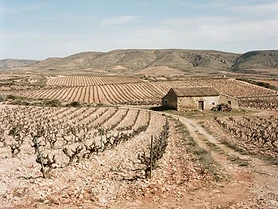
The city occupies a coastal plain between the mountains of the interior and the Mediterranean Sea. The site sits in the old quarter near the central market where the streets retain a medieval layout. Heavy stone walls face the morning sun while the inner courtyard stays protected by high masonry. Summer heat lingers in the narrow lanes until late evening. Winter brings clear skies and mild temperatures that keep the public squares active through the afternoon. Trams and buses cross the city from the outlying districts to reach the historic core.
What to eat and drink
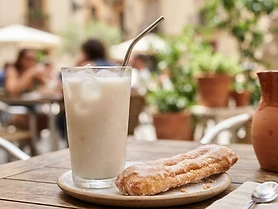
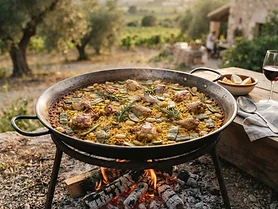
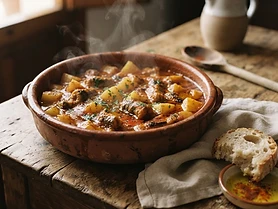
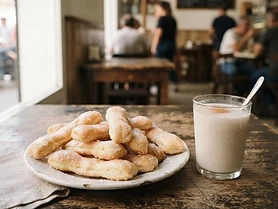
Valencian cooking centers on the rice grown in the nearby marshlands of the Albufera. Paella valenciana mixes rabbit and chicken with garrofó beans and saffron. Fideuà replaces the rice with short noodles cooked in a concentrated seafood broth. Horchata de chufa, a chilled drink pressed from tiger nuts, provides relief from the humidity of the coastal air. Agua de Valencia, a mixture of sparkling wine and local orange juice, accompanies tapas of esqueixada or salted cod salad. The produce comes from the surrounding huerta where citrus orchards and vegetable plots dominate the landscape.
Valencia: the whole region
A long, hot, flat coast with one excellent city at its centre and much emptier country behind it. Valencia itself earns three days on its own — the old town, the Central Market, the City of Arts, and the rice that was invented in the…
Minimum 3 days · better 5-6 days · deep 8-10 days
Pair It With

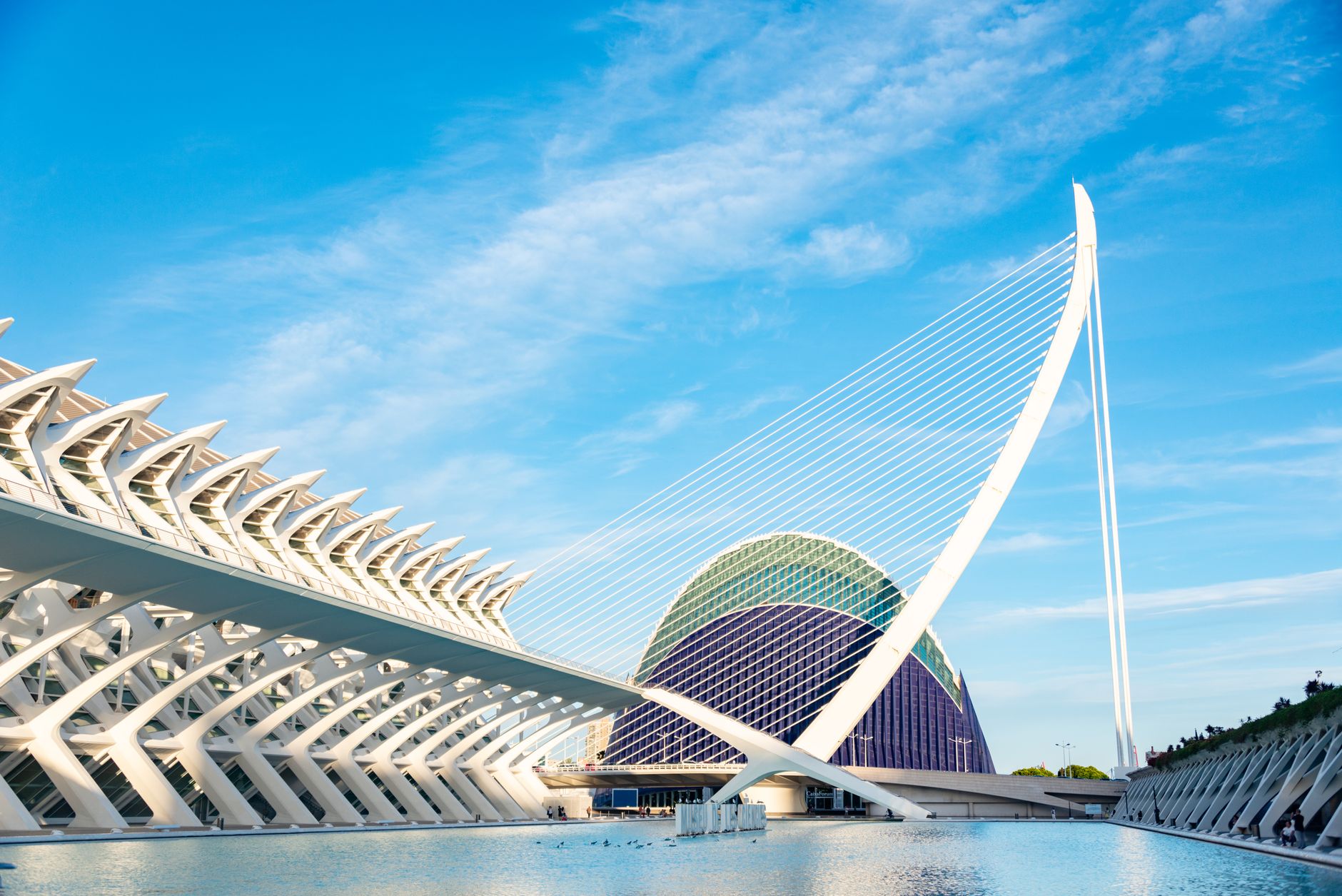

In Valencia








In Valencia


In Valencia









Linked from elsewhere
Entries that name this place in their own nearby lists.
Logistics are verified only. We don't publish schedules we haven't confirmed.
Experiences worth booking ahead
- Paella Cooking Class, Wine Tasting & Central Market in Valencia5.0 (2,326)3.5 hrsFrom €70
- Valencia Old Town Tour with Wine & Tapas in 11th Century Historic Monument5.0 (3,792)4 hrsFrom €75
- Private TukTuk Tour 2 Hours of Valencia4.9 (167)2 hrsFrom €40
- Valencia: City Highlights Bike or E-Bike Tour4.5 (218)2.5 hrsFrom €23
Spain Field Guide may earn a commission when you book through selected links. Recommendations are editorial and independent of commission.
Ready to build La Lonja de la Seda (Silk Exchange) into a trip?
You've found a place worth going. When you're ready to turn discovery into an itinerary, Travel Itinerary Co picks up where the Field Guide leaves off — with your saved places already in hand.
Build this into a tripContinues on Travel Itinerary Co
Spain Field Guide may earn a commission when you book through selected links. Recommendations are editorial and independent of commission.