Malvarrosa Beach

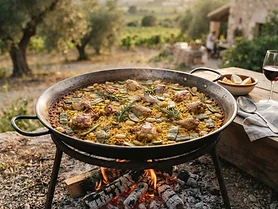
Eat paella at Casa Carmela or La Pepica (Hemingway's spot) on the paseo. Swim in the morning; the water is calm and shallow.
Valencia's city beach — a wide strip of sand and a palm-lined paseo lined with paella restaurants. The reason Valencia is a beach-and-city trip.
At a Glance
- — You want a wild beach — this is urban
Wide, sandy, and lined with palm trees, this beach is the traditional summer backyard of Valencia where the promenade hums with the sound of local families. The strip is famous for its concentration of historic restaurants, where wood-fired paella remains the only sensible lunch order. A morning swim in the calm, shallow water is the best way to start the day before settling into a long, late afternoon at one of the seaside tables.
How it got here
Coastal Valencia shifted its character through the nineteenth and twentieth centuries as the city expanded toward the Mediterranean. The shoreline originally hosted small-scale fishing operations and salt production before transition toward public leisure. The construction of the port infrastructure redefined the northern reach of these sands. During the mid-twentieth century, this stretch grew into a distinct social space for city residents, evolving from a peripheral industrial zone into a focal point for civic recreation. The presence of these wide promenades and the survival of traditional eating houses reflect the consolidation of twentieth-century urban planning that prioritized public access to the maritime edge.
Where it sits
The beach forms a continuous sandy crescent extending north of the main commercial port of Valencia. Low dunes once defined this edge, but current geography consists of a flat, paved walkway pressed against a wide reach of fine, golden sand. Prevailing winds from the sea mitigate the intense heat of the inland plain during July and August. In winter months, the activity drops, leaving the promenade to the light sea air and local walkers. Connection to the city center happens through the transit network that bridges the gap between the historic interior and the open water.
What to eat and drink
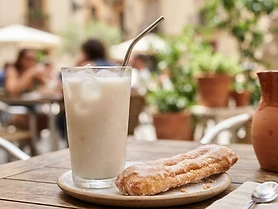
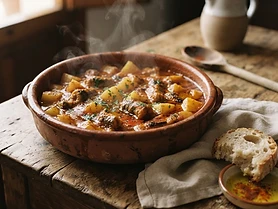
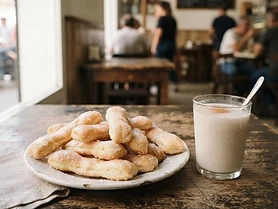
Paella valenciana holds a specific local mandate, prepared with rabbit, chicken, and garrofó beans cooked over a wood fire. This coastal tradition relies on the local short-grain rice grown in the surrounding Albufera wetlands. Beyond rice, the proximity to the sea brings suquet de peix, a slow-cooked fish stew enriched with almonds and garlic. Horchata, the cold beverage made from soaked and crushed tiger nuts, provides the standard afternoon counterpoint to the heat. For a quick snack, esgarraet brings together salt-cured cod and roasted red peppers dressed in generous amounts of olive oil.
Valencia: the whole region
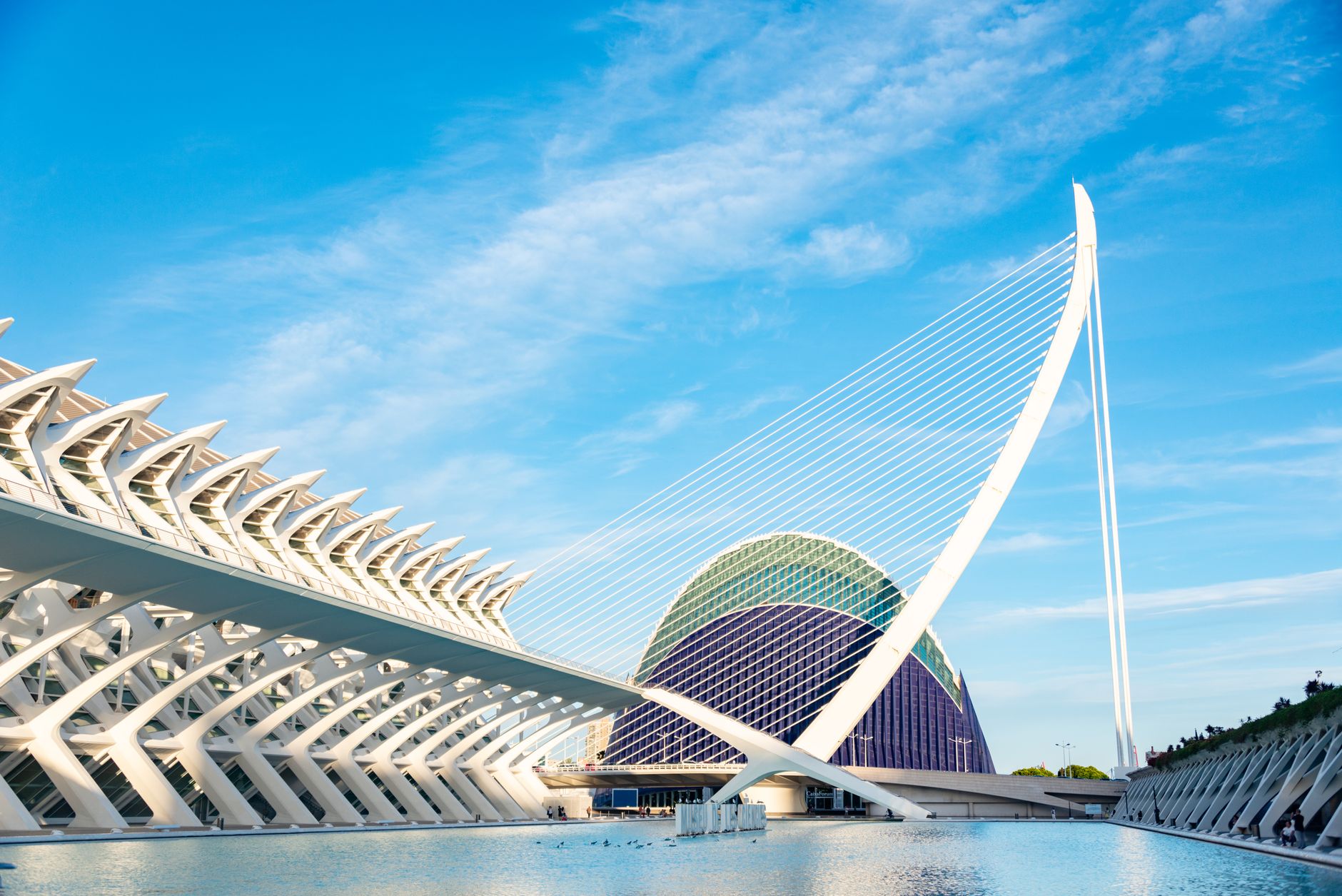
A long, hot, flat coast with one excellent city at its centre and much emptier country behind it. Valencia itself earns three days on its own — the old town, the Central Market, the City of Arts, and the rice that was invented in the…
Minimum 3 days · better 5-6 days · deep 8-10 days
Pair It With

In Valencia







In Valencia


In Valencia











Linked from elsewhere
Entries that name this place in their own nearby lists.
Logistics are verified only. We don't publish schedules we haven't confirmed.
Experiences worth booking ahead
- Paella Cooking Class, Wine Tasting & Central Market in Valencia5.0 (2,313)3.5 hrsFrom €70
- Valencia Old Town Tour with Wine & Tapas in 11th Century Historic Monument5.0 (3,789)4 hrsFrom €75
- Private TukTuk Tour 2 Hours of Valencia4.9 (167)2 hrsFrom €40
- Valencia: City Highlights Bike or E-Bike Tour4.5 (218)2.5 hrsFrom €23
Spain Field Guide may earn a commission when you book through selected links. Recommendations are editorial and independent of commission.
Ready to build Malvarrosa Beach into a trip?
You've found a place worth going. When you're ready to turn discovery into an itinerary, Travel Itinerary Co picks up where the Field Guide leaves off — with your saved places already in hand.
Build this into a tripContinues on Travel Itinerary Co
Spain Field Guide may earn a commission when you book through selected links. Recommendations are editorial and independent of commission.