Las Fallas
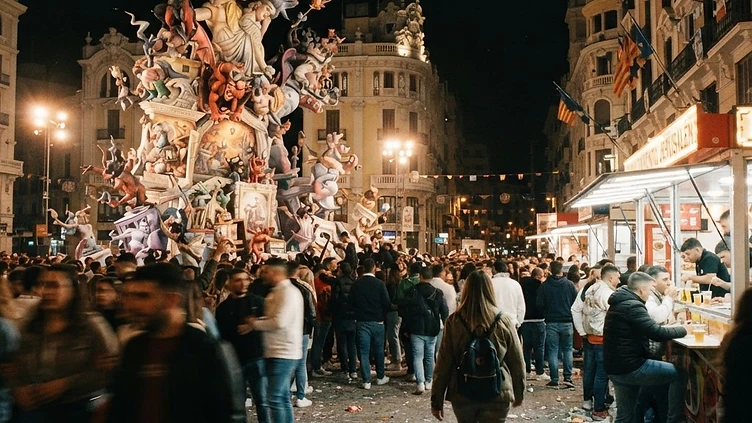
One of Europe's great festivals. Be in Valencia 15–19 March. The mascletà (daytime fireworks) at 2pm is the unique experience.
Valencia's March festival — giant satirical papier-mâché figures paraded through the city and burned on the final night (La Cremà). Unmissable spectacle.
At a Glance
- — You can't handle fireworks at 2pm and 2am
For five days in March, Valencia becomes an open-air gallery of giant satirical papier-mâché sculptures on every major intersection. The air is thick with gunpowder and the sound of the daily 2pm mascletà, ending in a final night when every figure is set alight in a city-wide bonfire. It is a loud, consuming celebration of craft and community, where sleep comes second to watching months of work disappear into the night sky.
How it got here
Fallas finds its origins in the seasonal cleanings of carpentry workshops. Craftsmen cleared out scraps and wood supports used to hang oil lamps during the long, dark winter months. These remnants burned in the streets on the day of San José, the patron saint of their trade. Over centuries, these humble bonfires evolved into the elaborate satirical monuments that define the modern event. The practice survived shifts in political authority and social pressure, maintaining the tradition of mocking local elites and social ills through temporary art. Today, the festival functions as an essential expression of Valencian identity and civic pride.
Where it sits
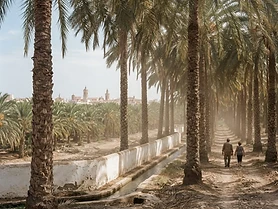
The city occupies a coastal plain bounded by the Mediterranean Sea and the orchards of the Huerta de Valencia. In March, the flat landscape turns into a dense network of barricades and crowded intersections. Winter light stays bright and mild, but the noise of daytime explosives dominates the atmosphere until the final night of the burn. Travelers arrive via the rail links connecting the eastern coast to the interior plateau. Beyond the city, irrigation channels support citrus groves that contrast with the stark, fire-scarred plazas of the historic center during the final days of the festival.
What to eat and drink
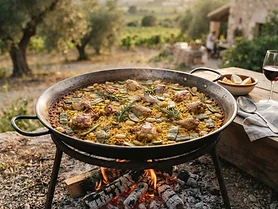
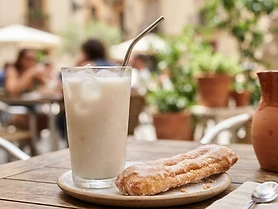
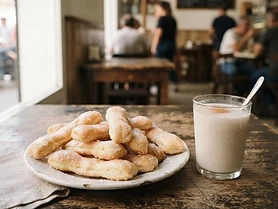
Bunyols de carabassa, fried pumpkin fritters dipped in thick hot chocolate, sustain the crowds walking between the sculptures. Paella valenciana remains the standard meal, prepared with rabbit, chicken, ferraura beans, and garrofó, cooked over orange wood fires to achieve a crusty base known as socarrat. Horchata, a cool drink made from chufas or tiger nuts, provides relief from the noise and heat. In the evenings, locals consume Agua de Valencia, a potent mixture of cava, fresh orange juice, gin, and vodka served in large pitchers during the long nights of activity.
Valencia: the whole region
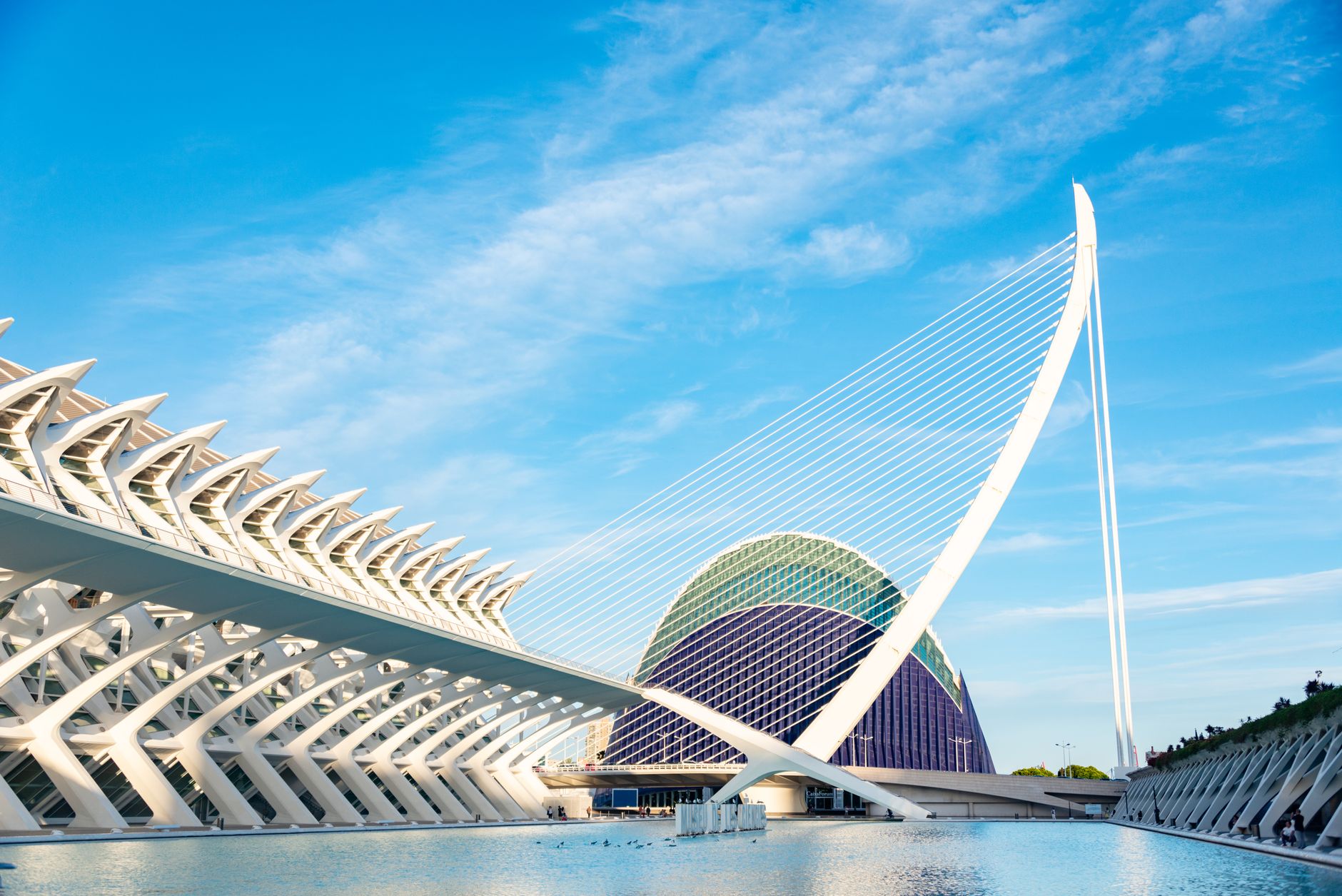
A long, hot, flat coast with one excellent city at its centre and much emptier country behind it. Valencia itself earns three days on its own — the old town, the Central Market, the City of Arts, and the rice that was invented in the…
Minimum 3 days · better 5-6 days · deep 8-10 days
Pair It With
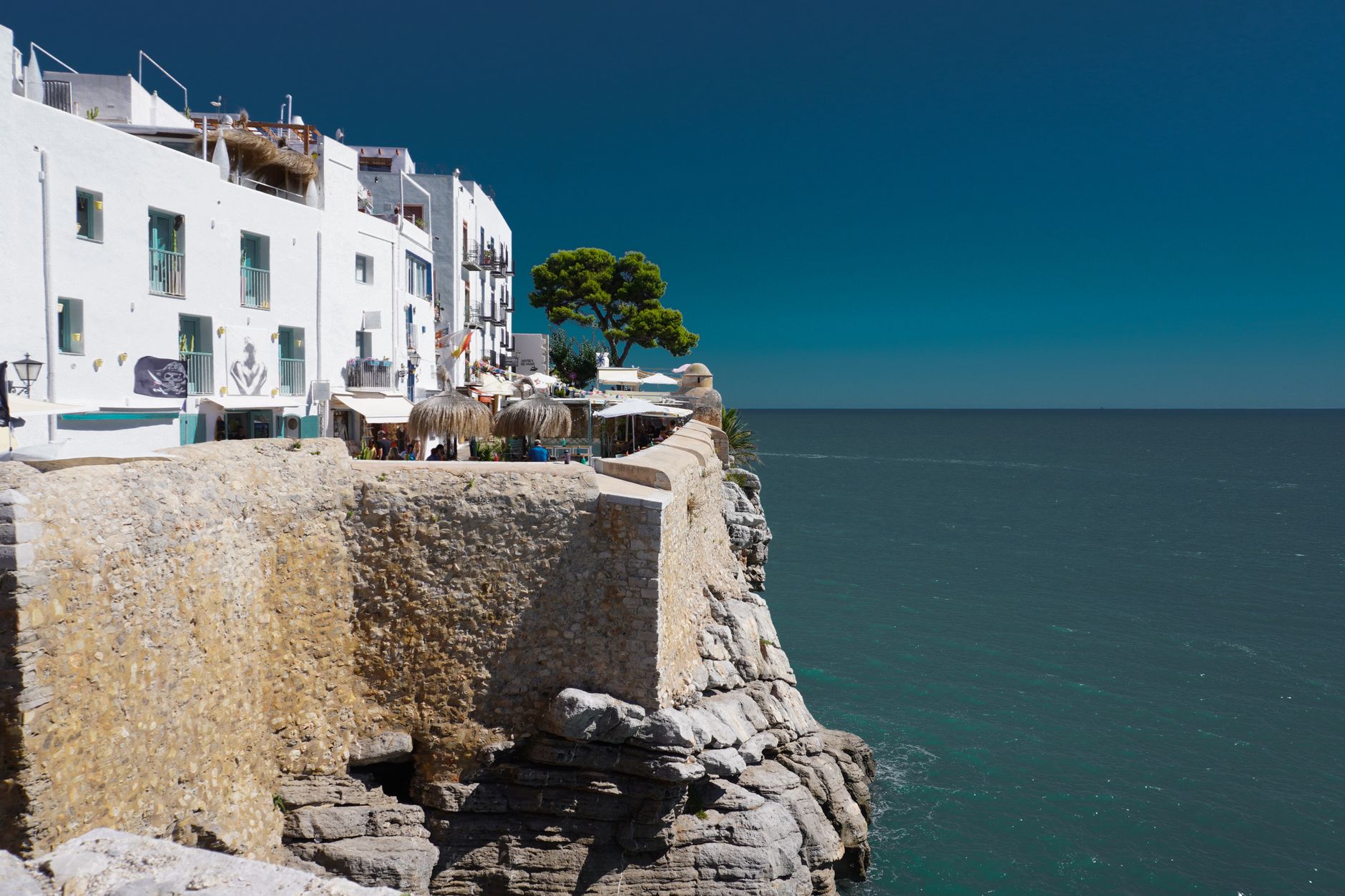

In Valencia







In Valencia


In Valencia









Logistics are verified only. We don't publish schedules we haven't confirmed.
Experiences worth booking ahead
- Paella Cooking Class, Wine Tasting & Central Market in Valencia5.0 (2,296)3.5 hrsFrom €70
- Valencia Old Town Tour with Wine & Tapas in 11th Century Historic Monument5.0 (3,787)4 hrsFrom €75
- Private TukTuk Tour 2 Hours of Valencia4.9 (165)2 hrsFrom €35
- Valencia: City Highlights Bike or E-Bike Tour4.5 (218)2.5 hrsFrom €23
Spain Field Guide may earn a commission when you book through selected links. Recommendations are editorial and independent of commission.
Ready to build Las Fallas into a trip?
You've found a place worth going. When you're ready to turn discovery into an itinerary, Travel Itinerary Co picks up where the Field Guide leaves off — with your saved places already in hand.
Build this into a tripContinues on Travel Itinerary Co
Spain Field Guide may earn a commission when you book through selected links. Recommendations are editorial and independent of commission.