Fideuà

Eat it in a Gandía or Valencia coast marisquería, at lunch, from the pan. Don't stir it.
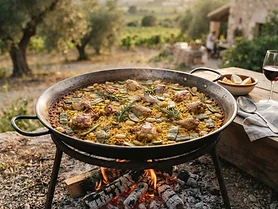
Valencian paella's cousin, built on short vermicelli noodles instead of rice, toasted in the pan then simmered with fish stock, saffron and seafood — prawns, cuttlefish, monkfish. The Socarrat (crispy base) is the point.
At a Glance
- — You expect it to taste like paella
The coastal answer to paella swaps out rice for short, toasted vermicelli noodles simmered in a concentrated seafood stock of saffron, prawns, and monkfish. The goal is to achieve a perfect socarrat—that thin, crispy base of noodles at the bottom of the iron pan that carries the most flavor. It should be eaten at a seaside marisquería in Valencia or Gandía, served directly from the pan, and never stirred before it reaches the table.
How it got here
Fishermen along the coast of the Safor comarca developed this dish during the early twentieth century. These sailors relied on the limited supplies aboard their small vessels, often swapping expensive arborio rice for bundles of fideos. While the origins trace to humble galley cooking, the dish spread rapidly through the fishing ports of Gandía and Dénia. The technique of toasting noodles in the pan follows the established principles of the older rice-based paella. This adaptation reflects the maritime culture of the Levantine coast, where local catches determine the flavor of the broth and define the identity of the cooking over generations.
Where it sits
The Valencian coastline shifts from wide sandy beaches to the rugged limestone cliffs of the Alicante border. Low-lying marshlands and citrus orchards define the landscape behind the shore, interrupted by the flat plains of the Albufera. Summer heat dominates the humidity, drawing crowds toward the breeze of the Mediterranean. Winter brings calm to the boardwalks and cooling temperatures that allow for long afternoons spent outdoors. Travel remains straightforward through the rail lines connecting the capital to the smaller ports, where the pace slows considerably once the main tourist season retreats from the sands.
What to eat and drink
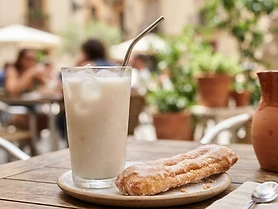
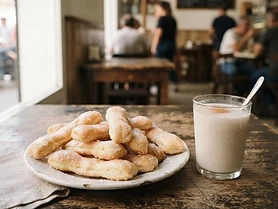
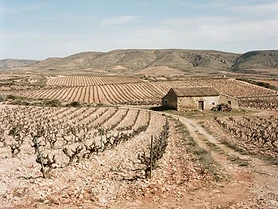
Fideuà demands a wide shallow pan to toast thin vermicelli in a rich reduction of crustacean stock and monkfish. The cook adds red prawns and squid to the stock, then crisps the noodles until they achieve the darkened texture known as socarrat. Diners consume the meal with a dollop of allioli, a simple emulsion of garlic and olive oil. Pair the dish with a crisp white wine from the nearby Utiel-Requena vineyards or a glass of horchata, the cold beverage pressed from tiger nuts, which provides a sweet counterpoint to the salt of the sea.
Valencia: the whole region
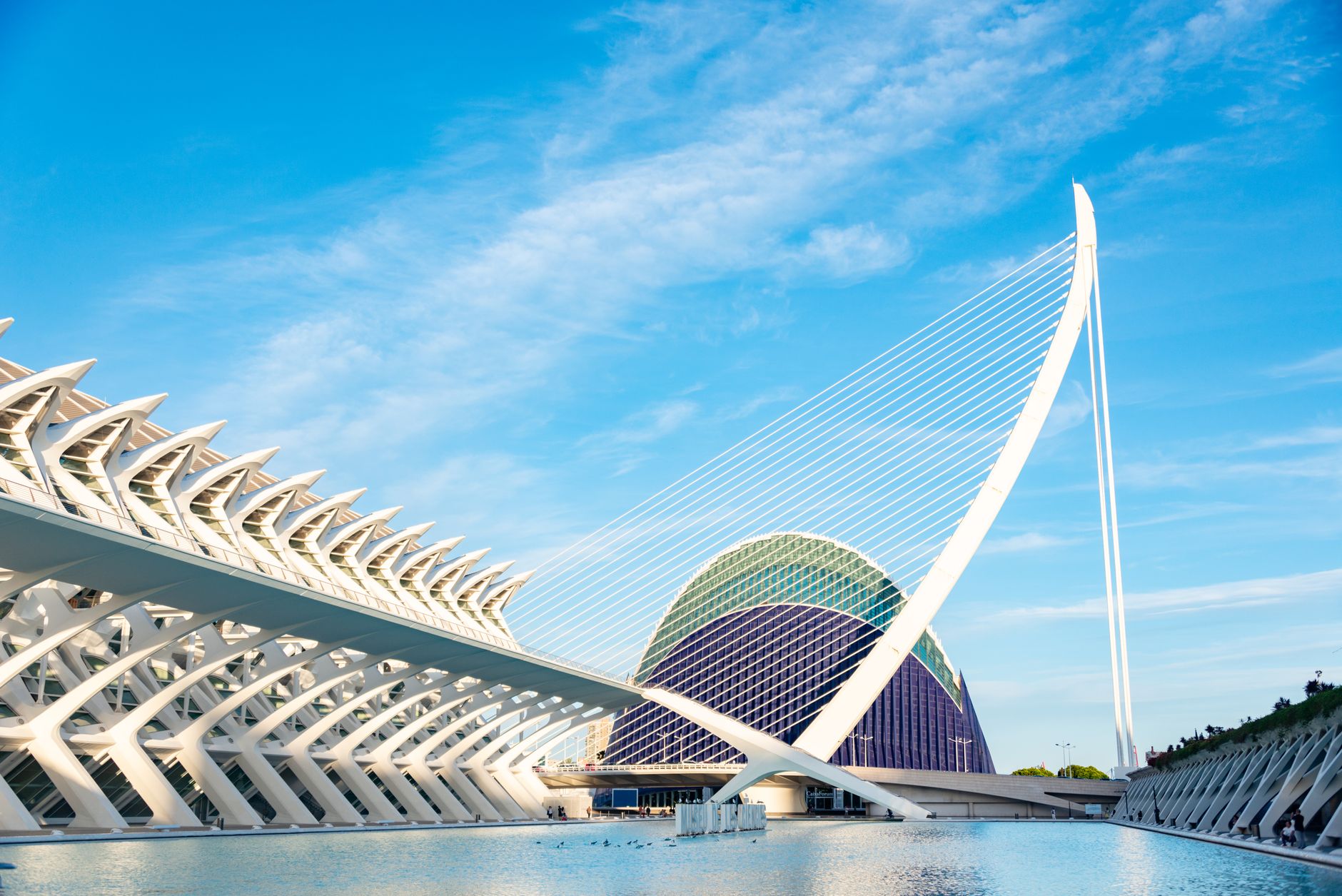
A long, hot, flat coast with one excellent city at its centre and much emptier country behind it. Valencia itself earns three days on its own — the old town, the Central Market, the City of Arts, and the rice that was invented in the…
Minimum 3 days · better 5-6 days · deep 8-10 days

Pair It With


In Valencia





In Valencia


In Valencia










Linked from elsewhere
Entries that name this place in their own nearby lists.
Logistics are verified only. We don't publish schedules we haven't confirmed.
Ready to build Fideuà into a trip?
You've found a place worth going. When you're ready to turn discovery into an itinerary, Travel Itinerary Co picks up where the Field Guide leaves off — with your saved places already in hand.
Build this into a tripContinues on Travel Itinerary Co
Spain Field Guide may earn a commission when you book through selected links. Recommendations are editorial and independent of commission.