Mercado Central de Valencia

A real working market, less touristy than Boqueria. Go mid-morning for the full buzz; it closes by 3pm and Sundays.
Europe's largest fresh-produce market, in a 1928 modernista iron-and-glass hall. The central fish counters are the draw.
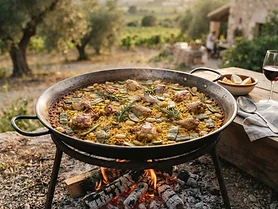
Catedral de Valencia · La Lonja de la Seda (Silk Exchange) · Paella Valenciana
At a Glance
- — You only have time for one market in Spain — do Boqueria or San Miguel
Under a modernista dome of iron and tile, this market works as the culinary engine of Valencia. The aisles are dense with the Mediterranean's produce, from artichokes and oranges to the day's fish. It is loud, active, and genuinely a working market, and it is worth a stop before the shutters come down in the early afternoon.
How it got here
Construction on this site began in 1914 following a competition held by the Valencia City Council to replace the older open-air market stalls. Alejandro Soler March and Francisco Guardia Vial directed the project, integrating iron, glass, and ceramic tile in the modernista style common to the era. The structure opened in 1928, creating a permanent home for trade that had centered on the adjacent Lonja de la Seda for centuries. This massive pavilion enabled the city to centralize food distribution under one roof, shielding traders from the sun while allowing the Mediterranean light to penetrate the ceramic domes and stained glass.
Where it sits
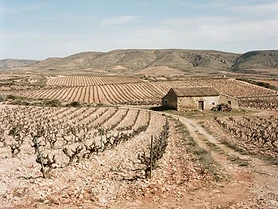
The building stands at the heart of the Ciutat Vella, directly across from the fifteenth-century silk exchange. Flat, fertile huerta land surrounds the city, providing a consistent supply of produce that flows into the stalls throughout the year. Humidity from the nearby sea dictates the pace of the day, as the market air cools before the shutters drop in the early afternoon. Pedestrian traffic fills the surrounding narrow streets, where the limestone walls of the old center trap heat during the peak of summer, leaving the market as the primary point of exchange for residents.
What to eat and drink
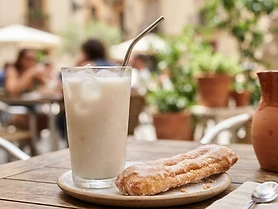
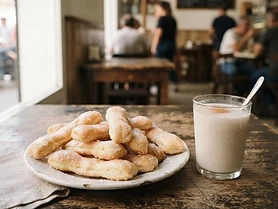
Valencian agriculture defines the market stalls. Stallholders sell oranges from the nearby groves and chufa, the tiger nut used to produce horchata, a sweet milky drink served chilled. Vendors slice jamón ibérico from the interior of the peninsula and display fresh artichokes alongside the day's catch from the Mediterranean fleet. For a quick bite, look for esgarraet, a salad of roasted red peppers and salt-cured cod dressed in olive oil. The stalls also stock high-quality saffron, a necessary component for the paella valenciana cooked in the homes and pans throughout the surrounding districts.
Valencia: the whole region
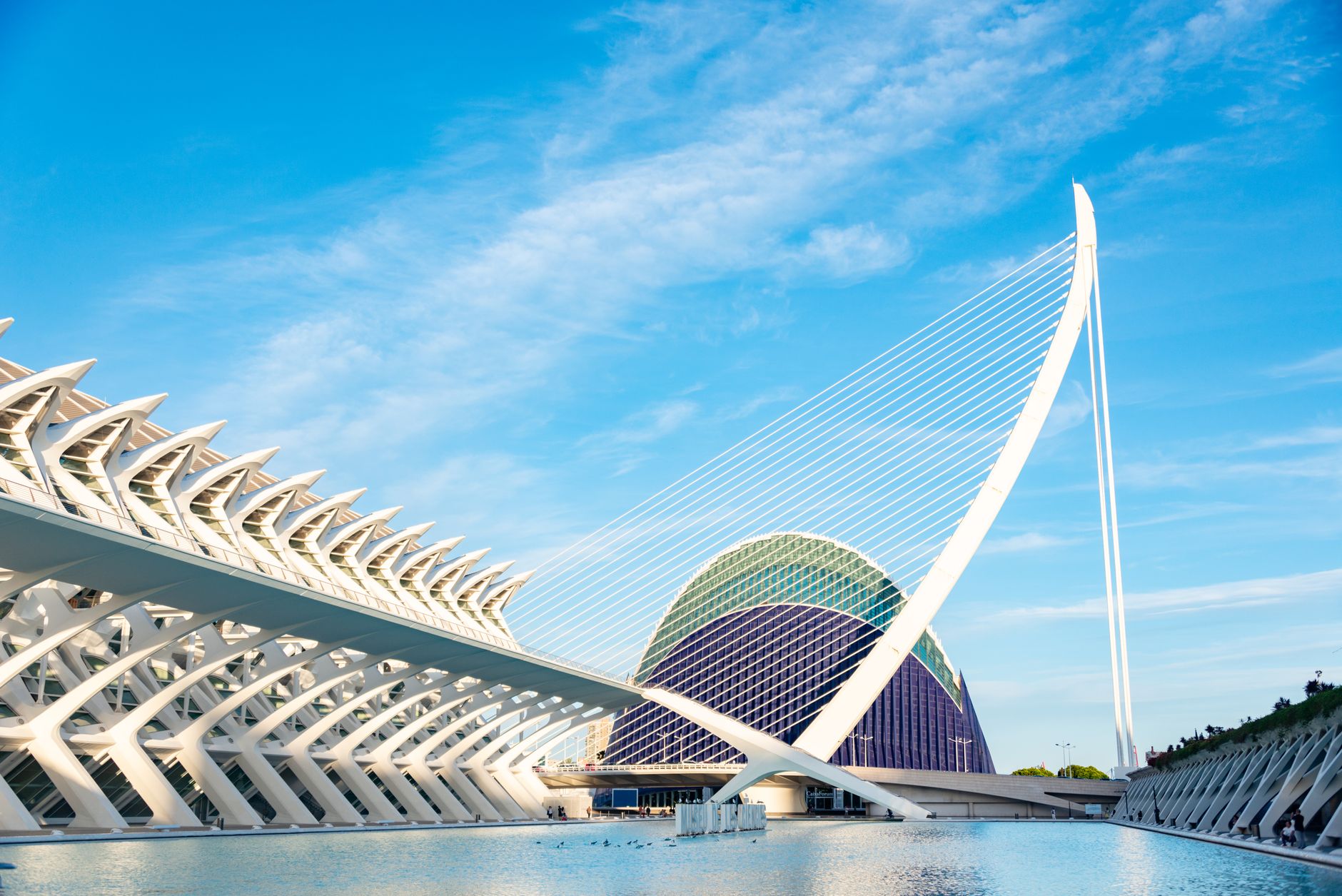
A long, hot, flat coast with one excellent city at its centre and much emptier country behind it. Valencia itself earns three days on its own — the old town, the Central Market, the City of Arts, and the rice that was invented in the…
Minimum 3 days · better 5-6 days · deep 8-10 days
Pair It With


In Valencia






In Valencia


In Valencia










Linked from elsewhere
Entries that name this place in their own nearby lists.
Logistics are verified only. We don't publish schedules we haven't confirmed.
Appears In
Cooking classes and food tours worth booking ahead
- Paella Cooking Class, Wine Tasting & Central Market in Valencia5.0 (2,299)3.5 hrsFrom €70
- Valencia Food Tour: Tapas, Drinks and Delights with a Local5.0 (247)3.5 hrsFrom €59
- Authentic Valencian Paella Cooking Class5.0 (320)4 hrsFrom €69
- Valencia's Greatest Food, History and Culture Tour-Small groups5.0 (200)3.5 hrsFrom €85
Spain Field Guide may earn a commission when you book through selected links. Recommendations are editorial and independent of commission.
Ready to build Mercado Central de Valencia into a trip?
You've found a place worth going. When you're ready to turn discovery into an itinerary, Travel Itinerary Co picks up where the Field Guide leaves off — with your saved places already in hand.
Build this into a tripContinues on Travel Itinerary Co
Spain Field Guide may earn a commission when you book through selected links. Recommendations are editorial and independent of commission.