Fartons
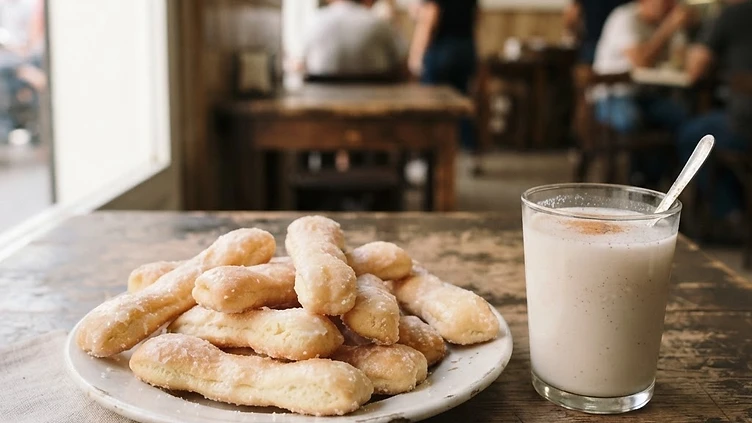
Buy them fresh in Alboraya with a glass of horchata, and eat them the same day. Packaged versions are a poor argument.
The pastry built for dunking in horchata, made in the town where the tiger nuts grow — a snack with no equivalent outside Valencia.
At a Glance
Fartons are elongated, soft, slightly iced pastries made in Alboraya, the town north of Valencia where tiger nuts are grown for horchata. They exist to be dipped: the horchaterías sell them in threes and fours with a glass of the drink, and the combination is a Valencian institution. Outside the region they are hard to find fresh.
How it got here
Bakers in the Alboraya region developed this light pastry in the mid-twentieth century to pair with liquid tiger nut extract. The recipe emerged from the local habit of consuming orxata d’orxufa, a drink brought to the Valencian coast during the Moorish occupation. Farmers harvested the tuber in the coastal plains for generations, but the pairing with this specific glazed, elongated dough became a standard practice only as industrial ovens replaced traditional wood-fired hearths. The invention marks a shift from simple agricultural sustenance to a commercialized ritual of the Valencian afternoon, codifying a specific way to consume local harvests.
Where it sits
Alboraya sits on the northern edge of the city of Valencia where the fertile huerta meets the Mediterranean coast. Fields of chufa tubers grow in the sandy soil between irrigation channels and the sea. Humidity remains high throughout the year, and summer heat drives locals and visitors to the shaded interior of traditional horchaterías. Light filters through awnings into high-ceilinged rooms cooled by floor tiles. In winter the pace slows significantly, and the open spaces along the irrigation ditches remain quiet while the coastal winds blow off the water.
What to eat and drink
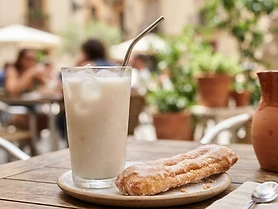
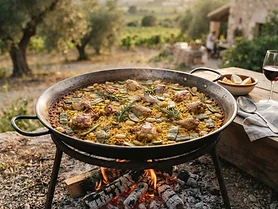
Horchata de chufa, a chilled milky drink made from ground tiger nuts, sugar and water, defines the palate of the Valencian huerta. This drink requires the addition of a farton for the ideal experience, as the porous, absorbent texture of the pastry draws up the liquid without crumbling. Locals also consume coca de llanda, a dense, olive oil-based sponge cake, during the morning hours. In the wider province, paella valenciana remains the foundation of the diet, cooked over wood fires using rabbit, chicken, and flat green beans grown in the surrounding fields.
Valencia: the whole region
A long, hot, flat coast with one excellent city at its centre and much emptier country behind it. Valencia itself earns three days on its own — the old town, the Central Market, the City of Arts, and the rice that was invented in the…
Minimum 3 days · better 5-6 days · deep 8-10 days
In Valencia







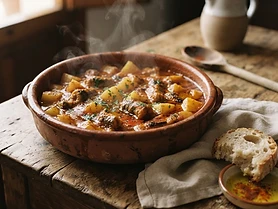

In Valencia


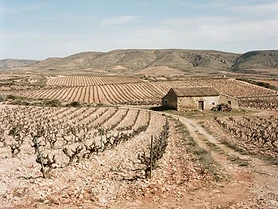
In Valencia


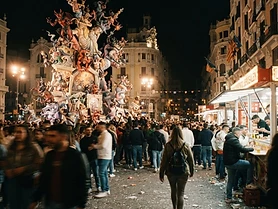




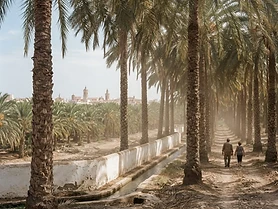






More regional dish in Valencia
Logistics are verified only. We don't publish schedules we haven't confirmed.
Ready to build Fartons into a trip?
You've found a place worth going. When you're ready to turn discovery into an itinerary, Travel Itinerary Co picks up where the Field Guide leaves off — with your saved places already in hand.
Build this into a tripContinues on Travel Itinerary Co
Spain Field Guide may earn a commission when you book through selected links. Recommendations are editorial and independent of commission.