Palmeral de Elche
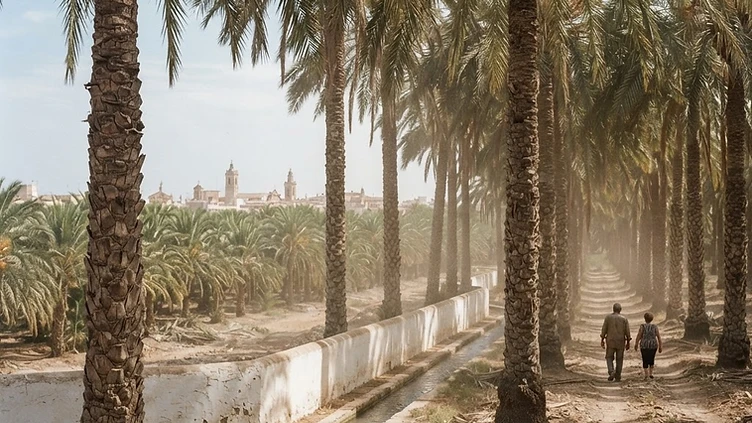
Two hours for the Huerto del Cura and a walk through the groves. The museum in the Huerto explains the irrigation; go there first.
Europe's largest palm grove, still irrigated by its 10th-century channels and standing in the middle of a working city.
At a Glance
The Palmeral of Elche is a forest of around 200,000 palms inside the city, planted under Arab rule and watered by a canal system begun in the 10th century. UNESCO listed it in 2000. The Huerto del Cura is the most visited of the individual gardens, with the eight-branched Imperial Palm, and the groves run through the middle of ordinary streets and schools.
How it got here
Muslim settlers introduced these irrigation channels during the tenth century to reclaim the arid landscape of the Vinalopó river valley. They established a sophisticated water management system that brought life to the palms in a desert climate. This agricultural legacy continued under Christian rule following the arrival of Jaime I of Aragon in the thirteenth century. Local statutes enacted during subsequent centuries protected the trees from indiscriminate cutting. The groves integrated into the growth of Elche over centuries rather than vanishing, maintaining an agricultural identity within the city perimeter. The current layout preserves the original water distribution methods that defined the initial oasis design.
Where it sits
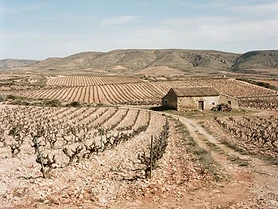
The Vinalopó river cuts through a dry, low-lying basin in the Alicante province, a landscape defined by sharp light and sparse vegetation. Palm groves surround the city core, providing a dense canopy that breaks the harsh Mediterranean sun. The surrounding country turns dusty and brown in the summer heat, demanding constant water to sustain the date palms and orchards. Winter brings mild temperatures, though the humidity from the nearby coast remains a constant presence. Trains and roads connect the basin to the coastal plains, bringing heavy traffic to the city during the warmer months.
What to eat and drink
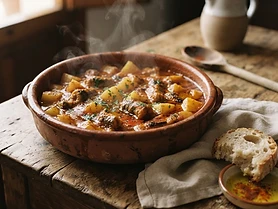
Dates form the foundation of the local diet, appearing in both sweet pastries and savory stews. Delicias de Elche, dates stuffed with almonds and wrapped in bacon, highlight the contrast between the produce of the groves and the cured meats of the interior. Arroz con costra, a baked rice dish topped with a golden crust of beaten egg, stands as the heavy meal of the day. For dessert, tortada de Elche, a layered sponge cake flavored with almonds and cinnamon, finishes the meal alongside a glass of anise-flavored spirit from the nearby distilleries.
Valencia: the whole region
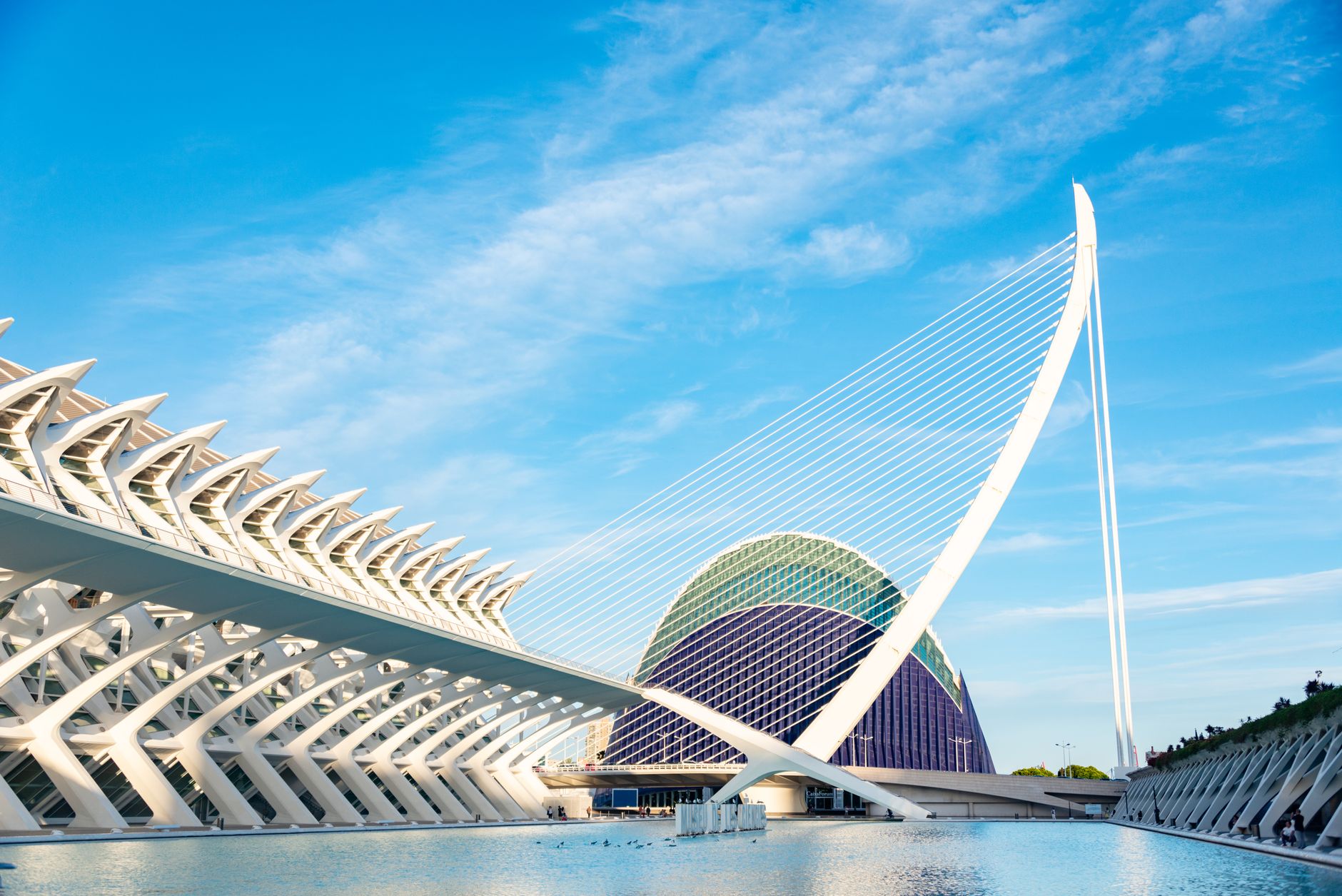
A long, hot, flat coast with one excellent city at its centre and much emptier country behind it. Valencia itself earns three days on its own — the old town, the Central Market, the City of Arts, and the rice that was invented in the…
Minimum 3 days · better 5-6 days · deep 8-10 days
In Valencia









In Valencia


In Valencia










Logistics are verified only. We don't publish schedules we haven't confirmed.
Experiences worth booking ahead
Spain Field Guide may earn a commission when you book through selected links. Recommendations are editorial and independent of commission.
Ready to build Palmeral de Elche into a trip?
You've found a place worth going. When you're ready to turn discovery into an itinerary, Travel Itinerary Co picks up where the Field Guide leaves off — with your saved places already in hand.
Build this into a tripContinues on Travel Itinerary Co
Spain Field Guide may earn a commission when you book through selected links. Recommendations are editorial and independent of commission.