Horchata de Chufa
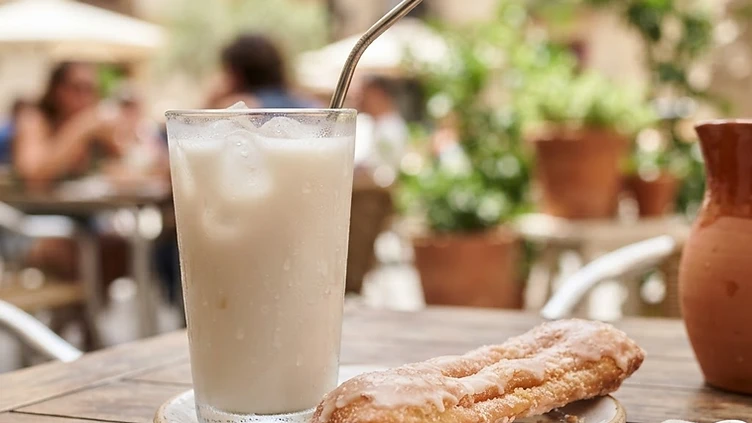
A Valencia must on a hot afternoon. Try it at a horchatería in Alboraya, where the chufas are grown.
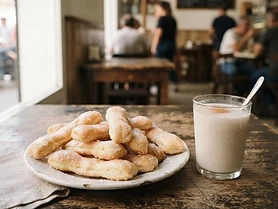
Valencia's tiger-nut drink, served ice-cold with a fartón pastry. A refreshment with its own devoted fields and a protected origin.
At a Glance
- — You don't drink sweet milky drinks
Crafted from soaked and crushed tiger nuts, this chilled, milky elixir from Valencia is a refreshing, slightly nutty drink that feels like summer in a glass. It is traditionally served alongside a long, sweet, and flaky pastry known as a fartón, which is designed to be dipped into the cold liquid. For the authentic experience, one must head to the outskirts of the city in Alboraya, where the drink is freshly pressed and served in gardens shaded from the intense, sweltering afternoon sun.
How it got here
Arabic farmers introduced the cyperus esculentus tuber to the coastal plains around Valencia during the period of Islamic rule. These tiger nuts thrive in the sandy, well-irrigated soils of the Huerta de Valencia. Over subsequent centuries, the plant became a staple of the local agricultural identity. The liquid extract, originally consumed for its medicinal properties, transitioned into a common beverage as sugar production grew more accessible. While the specific methods of grinding and sweetening shifted with industrialization, the reliance on the local tuber harvest links the drink directly to the long-standing irrigation systems that define the rural landscape of the Valencian plain.
Where it sits
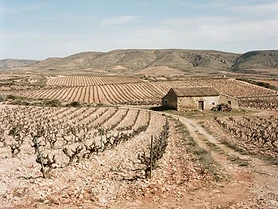
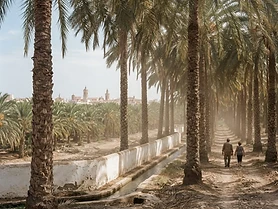
The Huerta de Valencia stretches between the Mediterranean coast and the inland mountains. This flat landscape contains a dense network of ancient irrigation canals that bring water to small agricultural plots. In the summer, heat builds over the fields, but the proximity to the sea creates a distinct humidity. Alboraya sits on the northern edge of the city, where rows of tiger nut crops still separate the sprawl of houses. Travelers reach these spots by local tram lines that cut through the citrus groves and vegetable patches before returning to the city center.
What to eat and drink
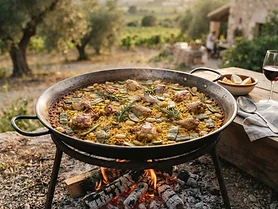
Horchata de chufa is a cold, milky drink made from the crushed tubers of the tiger nut plant mixed with water and sugar. It arrives at the table alongside fartóns, long and airy pastries brushed with a light sugar glaze, intended to soak up the liquid. These snacks belong to the afternoon ritual of the Valencian summer. Beyond this pairing, the local diet focuses on the rice grown in the nearby Albufera lagoon, often prepared as paella valenciana with chicken, rabbit, and flat green beans cooked over a wood fire.
Valencia: the whole region
A long, hot, flat coast with one excellent city at its centre and much emptier country behind it. Valencia itself earns three days on its own — the old town, the Central Market, the City of Arts, and the rice that was invented in the…
Minimum 3 days · better 5-6 days · deep 8-10 days
Pair It With
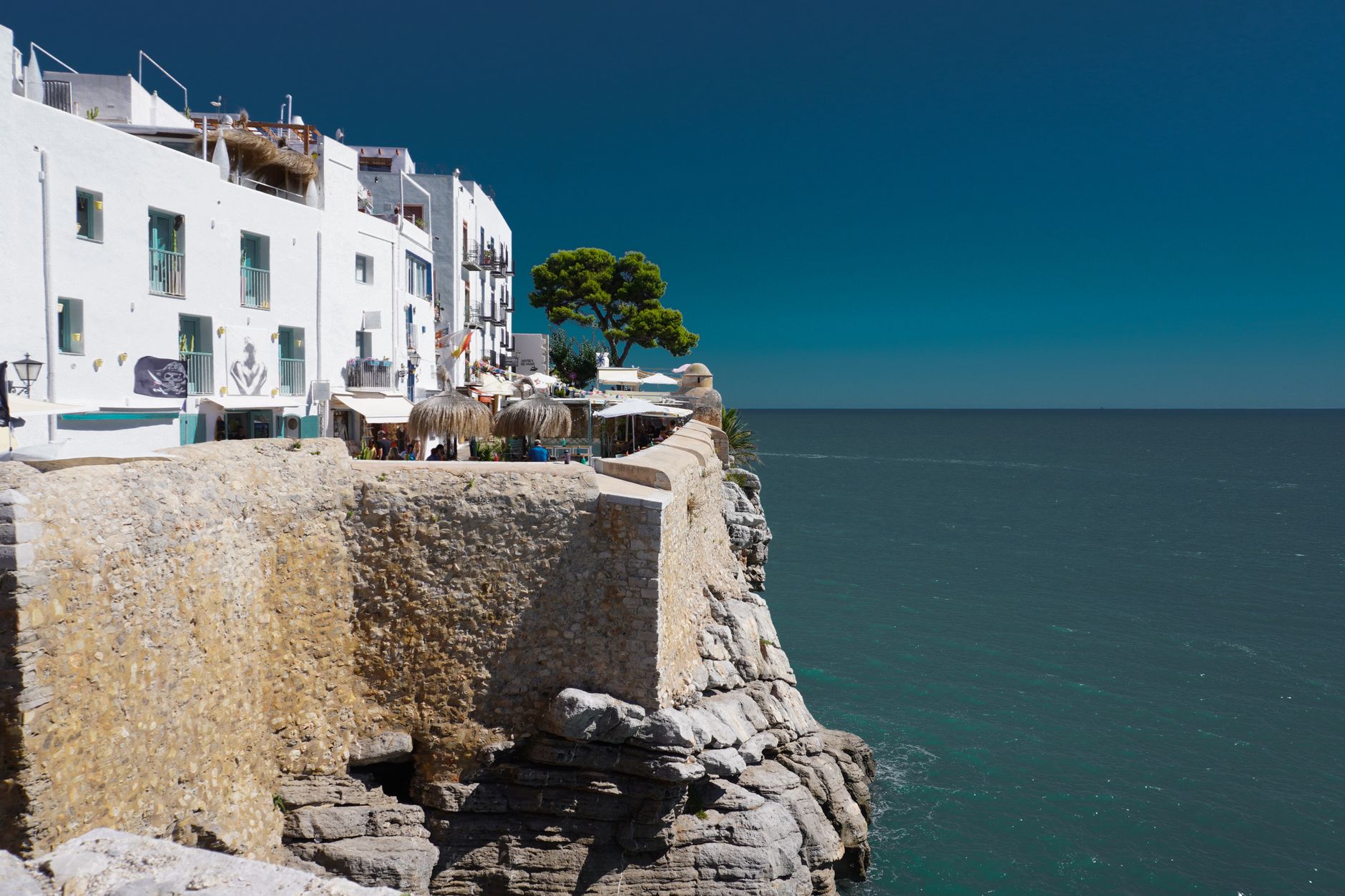

In Valencia


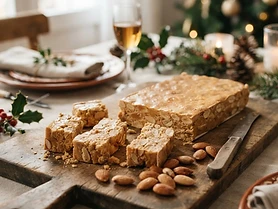




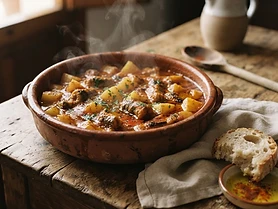

In Valencia


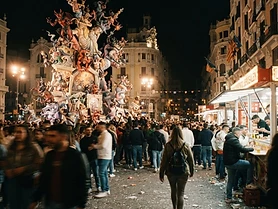
In Valencia












Linked from elsewhere
Entries that name this place in their own nearby lists.
Logistics are verified only. We don't publish schedules we haven't confirmed.
Cooking classes and food tours worth booking ahead
- Paella Cooking Class, Wine Tasting & Central Market in Valencia5.0 (2,326)3.5 hrsFrom €70
- Valencia Food Tour: Tapas, Drinks and Delights with a Local5.0 (251)3.5 hrsFrom €59
- Authentic Valencian Paella Cooking Class5.0 (320)4 hrsFrom €69
- Small groups - Valencia's Greatest Food, History and Culture Tour5.0 (204)3.5 hrsFrom €85
Spain Field Guide may earn a commission when you book through selected links. Recommendations are editorial and independent of commission.
Ready to build Horchata de Chufa into a trip?
You've found a place worth going. When you're ready to turn discovery into an itinerary, Travel Itinerary Co picks up where the Field Guide leaves off — with your saved places already in hand.
Build this into a tripContinues on Travel Itinerary Co
Spain Field Guide may earn a commission when you book through selected links. Recommendations are editorial and independent of commission.