Utiel-Requena
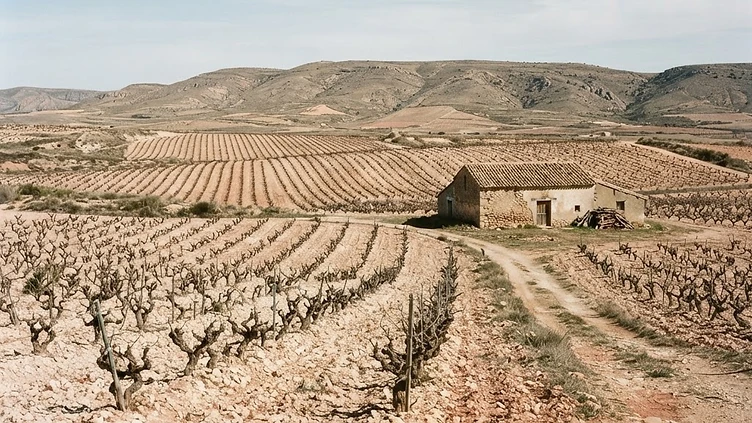
A day with a car, visiting Requena and two or three bodegas. Not a pretty wine region; come for the wine and the cellars, not the landscape.
The home of Bobal, on a high plateau an hour inland from Valencia — serious red wine at prices the coast has forgotten.
At a Glance
Utiel-Requena covers a plateau at 600 to 900 metres on Valencia's inland border with Castilla-La Mancha, where the Bobal grape has been grown for centuries. Long treated as a bulk variety, Bobal is now made as a serious red: dark, tannic and high in acid. The denomination is large, the towns are unglamorous, and the wines are cheap for their quality.
How it got here
Iberian settlements once thrived on this high plateau before the Romans established Vitruviana to command the trade route between the coast and the Meseta. During the Islamic period, the territory functioned as a vital buffer zone between the taifas of the interior and the Mediterranean coast. After the Christian conquest in the thirteenth century, the crown granted the towns specific trading privileges to encourage permanent settlement in a hostile frontier climate. These administrative measures anchored the local economy to viticulture for centuries. Today the remnants of this long agricultural focus persist in the rural architecture and the continuity of traditional vine cultivation across the landscape.
Where it sits
The plateau rises abruptly from the coastal plains of Valencia toward the border of Castilla-La Mancha. This transition marks the change from the humid Mediterranean climate to the dry extremes of the interior. Pines and scrub oak cover the rugged slopes between valleys carved by the Cabriel river. Winters bring biting winds and frost across the vine rows while summers bake the red earth during the day and drop sharply in temperature at night. The plateau remains sparsely populated. Roads cut through vast stretches of vineyard and dry wheat fields that feel empty outside of the harvest season.
What to eat and drink
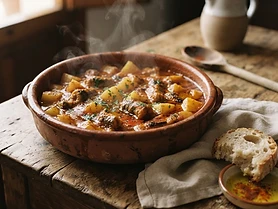
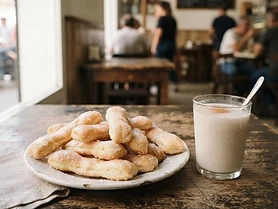
Bobal dominates the vineyards, producing red wines with deep color and sharp acidity that pair with local game. The kitchen relies on the produce of the plateau and the nearby sierra. Ajoarriero is a thick paste made of potato, garlic, olive oil, and salt cod. Morteruelo is a dense pâté of pork liver, breadcrumbs, and wild game like hare or partridge. Alajú, a honey and almond sweet of Moorish origin, often finishes a meal. The wine is poured as a rough table red or bottled as a dense, dark red that cleanses the palate of fatty meats.
Valencia: the whole region
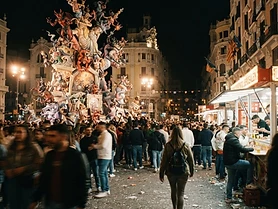
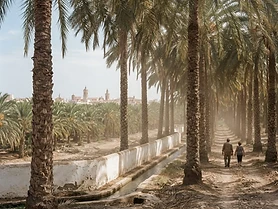
A long, hot, flat coast with one excellent city at its centre and much emptier country behind it. Valencia itself earns three days on its own — the old town, the Central Market, the City of Arts, and the rice that was invented in the…
Minimum 3 days · better 5-6 days · deep 8-10 days
In Valencia

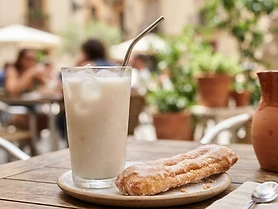


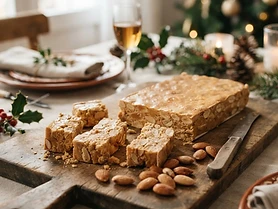


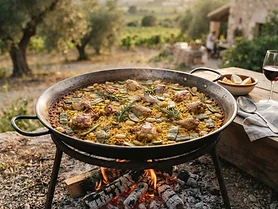





In Valencia











Logistics are verified only. We don't publish schedules we haven't confirmed.
Ready to build Utiel-Requena into a trip?
You've found a place worth going. When you're ready to turn discovery into an itinerary, Travel Itinerary Co picks up where the Field Guide leaves off — with your saved places already in hand.
Build this into a tripContinues on Travel Itinerary Co
Spain Field Guide may earn a commission when you book through selected links. Recommendations are editorial and independent of commission.