Catedral de Valencia

Worth a special trip, largely because it holds what many believe is the actual Holy Grail.
Beyond the relic, the cathedral's blend of Romanesque, Gothic, and Baroque styles, plus the climbable Miguelete tower, make it one of the more layered cathedral visits in Spain.
La Lonja de la Seda (Silk Exchange) · Mercado Central de Valencia
La Lonja de la Seda (Silk Exchange) · Mercado Central de Valencia
At a Glance
- — skeptical of relic tourism
- — avoiding crowds in peak season
Hidden within the dense, bustling labyrinth of Valencia’s old town, this cathedral is a layered patchwork of architectural styles ranging from Romanesque to Baroque. While the Miguelete tower offers sweeping views of the city's red-tiled roofs, the real draw is a small, quiet chapel housing a chalice that many believe to be the true Holy Grail. The atmosphere inside is solemn and heavy with tradition, providing a distinct, lingering sense of mystery that persists long after you step back out into the bright, sun-drenched chaos of the plaza.
How it got here
Construction began in 1262 on the site of a former mosque, which itself replaced a Visigothic cathedral. Master builders transitioned through Gothic, Renaissance, and Baroque periods, leaving an architectural record of the shifting powers after the Reconquista. The Saint Chalice, authenticated by historical analysis as a Levantine vessel from the first century, arrived in 1437 when Alfonso V the Magnanimous deposited the relic in the cathedral. This move solidified the site as a focal point of religious authority during the expansion of the Crown of Aragon, embedding the building deep within the dynastic ambitions and liturgical traditions of the Mediterranean coast.
Where it sits
The cathedral sits at the heart of the Ciutat Vella, the old center of Valencia. High limestone walls and narrow, winding medieval streets enclose the plaza, blocking the intense Mediterranean sun. Beyond the city center, the landscape opens into the fertile Horta de València, an irrigation-fed plain that has supported agriculture since Moorish times. Summers bring stifling humidity, while autumns occasionally flood the dry riverbeds of the Turia. The plaza remains a constant confluence of heavy pedestrian traffic and municipal life, shifting from the cool, quiet morning hours to the bright, noisy activity of the afternoon.
What to eat and drink
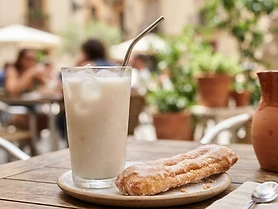
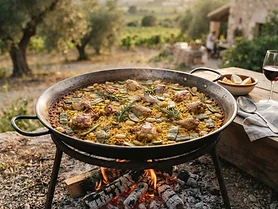
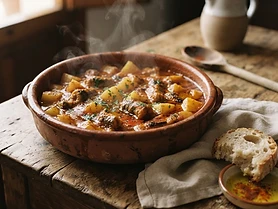
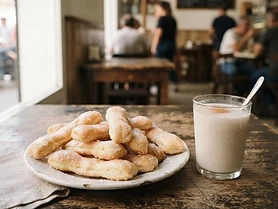
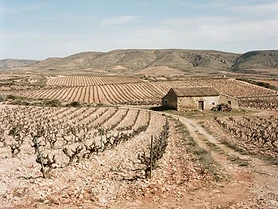
Valencian cuisine centers on the Horta and the nearby Albufera wetlands. Paella valenciana, cooked over orange wood fires with rabbit, chicken, and garrofó beans, defines the local diet. Esgarraet, a dish of salt cod and roasted red peppers dressed in olive oil, provides a sharp contrast to the starchy rice plates. For drink, horchata made from tiger nuts serves as the standard refreshment, particularly during the humid summer months. Local wine production from the Utiel-Requena interior, specifically red wines made from the Bobal grape, accompanies these meals throughout the region.
Valencia: the whole region
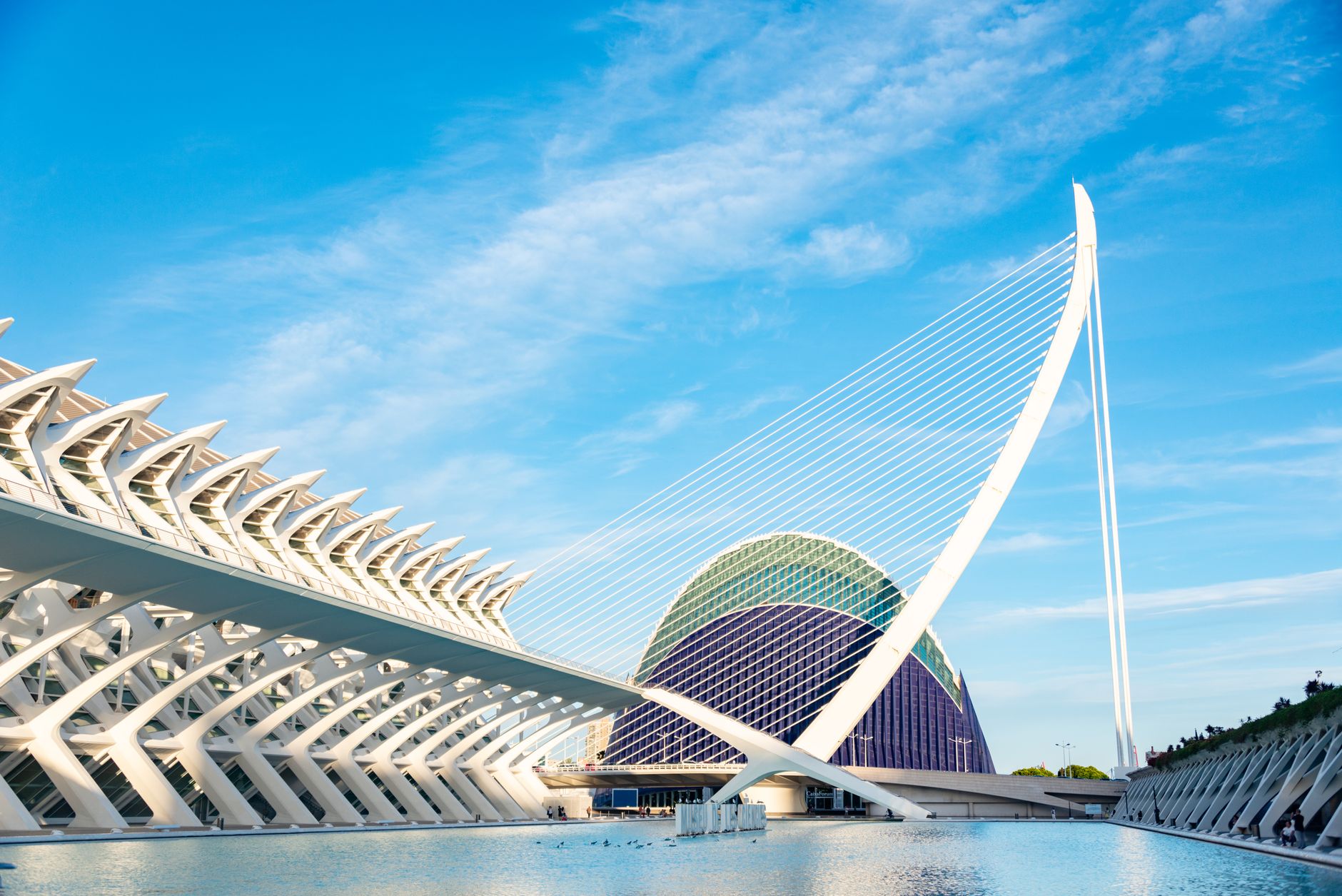
A long, hot, flat coast with one excellent city at its centre and much emptier country behind it. Valencia itself earns three days on its own — the old town, the Central Market, the City of Arts, and the rice that was invented in the…
Minimum 3 days · better 5-6 days · deep 8-10 days
What's Nearby


Pair It With
In Valencia








In Valencia


In Valencia










Linked from elsewhere
Entries that name this place in their own nearby lists.
Logistics are verified only. We don't publish schedules we haven't confirmed.
Appears In
Experiences worth booking ahead
- Paella Cooking Class, Wine Tasting & Central Market in Valencia5.0 (2,326)3.5 hrsFrom €70
- Valencia Old Town Tour with Wine & Tapas in 11th Century Historic Monument5.0 (3,792)4 hrsFrom €75
- Private TukTuk Tour 2 Hours of Valencia4.9 (167)2 hrsFrom €40
- Valencia: City Highlights Bike or E-Bike Tour4.5 (218)2.5 hrsFrom €23
Spain Field Guide may earn a commission when you book through selected links. Recommendations are editorial and independent of commission.
Ready to build Catedral de Valencia into a trip?
You've found a place worth going. When you're ready to turn discovery into an itinerary, Travel Itinerary Co picks up where the Field Guide leaves off — with your saved places already in hand.
Build this into a tripContinues on Travel Itinerary Co
Spain Field Guide may earn a commission when you book through selected links. Recommendations are editorial and independent of commission.