Paella Valenciana
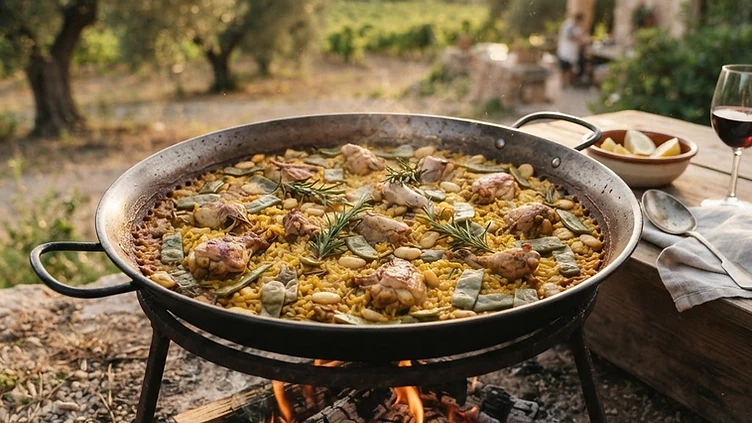
Eat it at lunch in El Palmar, the village on the Albufera lake where the rice is grown. Never at dinner, never with seafood (that's paella de marisco, a different dish), and never at a place with picture menus.
The original — saffron rice with chicken, rabbit, and butter beans, cooked over orange-wood fire in a wide steel pan. Everything called 'paella' elsewhere is a descendant.
At a Glance
- — You eat it at a beachfront tourist trap outside Valencia
Saffron-stained rice, chicken, rabbit, and butter beans arrive in a wide, charred steel pan, having been cooked slowly over a fierce orange-wood fire. This is the authentic preparation from El Palmar, far removed from the seafood-laden versions found in coastal tourist traps. Eat it during the daylight hours, sitting near the reed beds of the Albufera lake where the short-grain rice itself is harvested.
How it got here
Rice cultivation arrived in the eastern coastal marshes during the eighth century when Umayyad governors introduced irrigation systems to the Albufera wetlands. Farmers adapted the crop to the saline soil and humid climate of the Valencian huerta. The dish emerged as a midday meal for laborers who cooked short-grain rice in flat pans over fires fueled by clippings from local orange orchards. This preparation solidified as a distinct culinary tradition during the nineteenth century. The reliance on rabbit, chicken, and land snails instead of maritime ingredients signifies the historic isolation of the farming communities from the coastal fishing fleets.
Where it sits
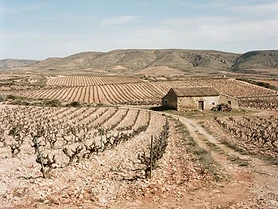
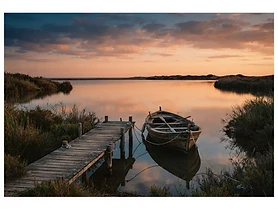
The Albufera lake rests south of the city of Valencia, separated from the Mediterranean by a thin sandbar. Reeds and freshwater canals dominate the flat terrain where rice paddies mirror the sky. Humidity lingers in the heat of the summer months, while winter brings cold air off the water. Roads weave through the orchards that feed the fires. Travelers reach the southern banks by driving past the dense rows of irrigation ditches that define this waterlogged landscape. Silence gathers near the edges of the lake once the harvesting machines move on and the migratory birds arrive.
What to eat and drink
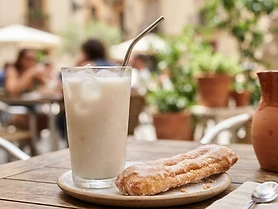
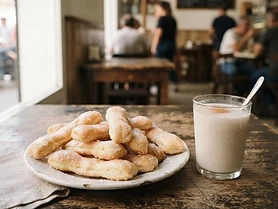
Paella Valenciana defines the midday meal. The recipe requires Bomba or Senia rice, flat beans, and snails simmered until the broth evaporates to form the socarrat crust on the bottom of the steel pan. Allioli, a thick emulsion of garlic and olive oil, often accompanies the rice. Drink local horchata, a chilled beverage pressed from tiger nuts grown in the nearby fields, to finish the afternoon. The region produces intensely sweet oranges and horchata de chufa which provides a sharp contrast to the salt and rosemary found in the heavy rice pans.
Valencia: the whole region
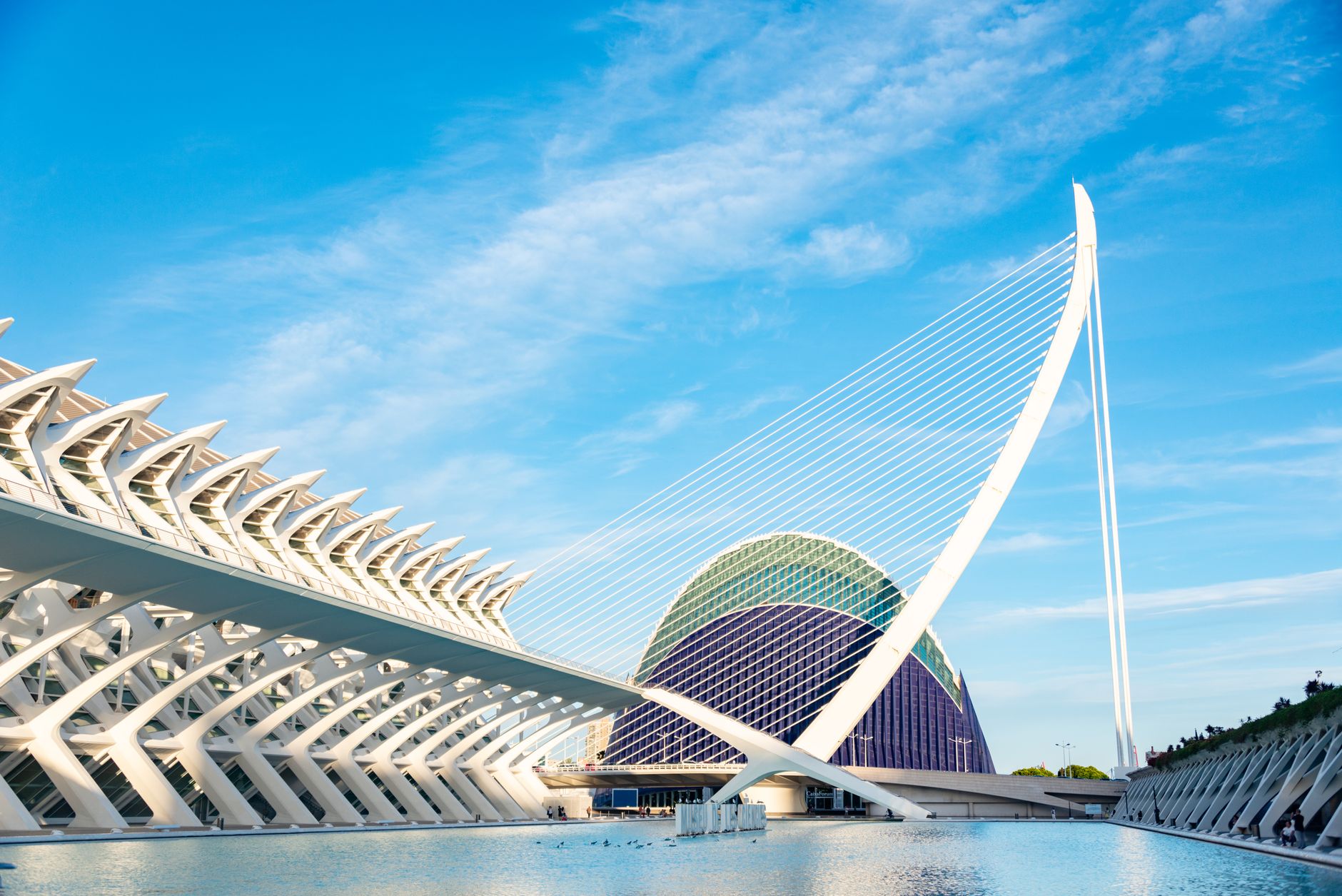
A long, hot, flat coast with one excellent city at its centre and much emptier country behind it. Valencia itself earns three days on its own — the old town, the Central Market, the City of Arts, and the rice that was invented in the…
Minimum 3 days · better 5-6 days · deep 8-10 days
Pair It With


In Valencia





In Valencia


In Valencia










Linked from elsewhere
Entries that name this place in their own nearby lists.
Logistics are verified only. We don't publish schedules we haven't confirmed.
Appears In
Cooking classes and food tours worth booking ahead
- Paella Cooking Class, Wine Tasting & Central Market in Valencia5.0 (2,326)3.5 hrsFrom €70
- Valencia Food Tour: Tapas, Drinks and Delights with a Local5.0 (251)3.5 hrsFrom €59
- Authentic Valencian Paella Cooking Class5.0 (320)4 hrsFrom €69
- Small groups - Valencia's Greatest Food, History and Culture Tour5.0 (204)3.5 hrsFrom €85
Spain Field Guide may earn a commission when you book through selected links. Recommendations are editorial and independent of commission.
Ready to build Paella Valenciana into a trip?
You've found a place worth going. When you're ready to turn discovery into an itinerary, Travel Itinerary Co picks up where the Field Guide leaves off — with your saved places already in hand.
Build this into a tripContinues on Travel Itinerary Co
Spain Field Guide may earn a commission when you book through selected links. Recommendations are editorial and independent of commission.