Vall de Guadalest
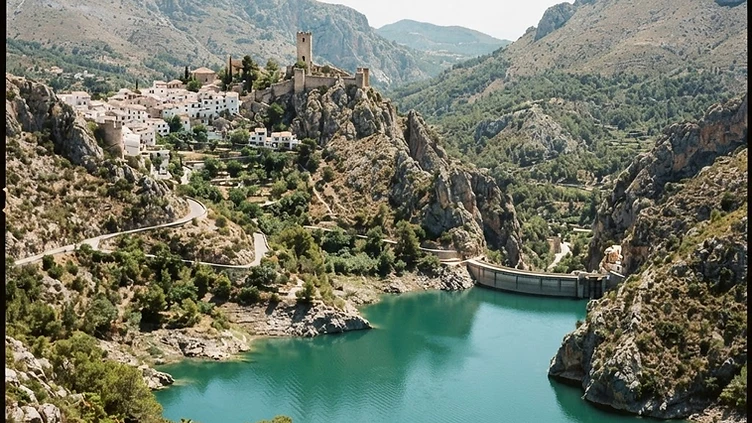
Half a day, and go early: the village is small, the car park fills, and midday brings the coaches. The castle viewpoint is the reason.
Green water, bare limestone and a village entered through a hole in the rock — the mountains immediately behind the Costa Blanca.
At a Glance
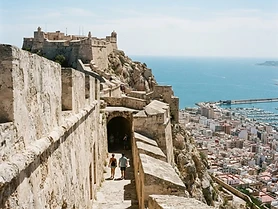
The Guadalest valley cuts into the Sierra de Aitana south of Benidorm, holding a reservoir whose water is an improbable turquoise against the limestone. The village of Guadalest sits on a rock spur above it, entered through a tunnel cut in the rock, with the remains of the castle of San José and a bell tower on the summit. It is one of the most visited villages in Spain.
How it got here
The castle of San José dominated the surrounding mountain passes during the period of Moorish occupation, serving as a strategic defensive bastion for the northern frontier of the Kingdom of Denia. The fortification changed hands in the middle of the thirteenth century when Jaime I of Aragon incorporated the valley into his crown. Frequent earthquakes caused significant damage to the structure in the sixteenth and seventeenth centuries, forcing modifications to the original defenses. Today the village remains tethered to these limestone heights, preserving the narrow, winding layout dictated by the rock face rather than modern planning.
Where it sits
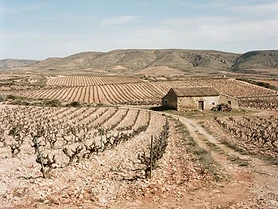
The valley cuts deep into the limestone of the Sierra de Aitana, separating the high inland ranges from the coastal plains of the Marina Baixa. Access relies on mountain roads that climb sharply from the Mediterranean littoral through dry, terraced slopes and pine groves. Turquoise reservoir water fills the floor of the valley, creating a cold, still contrast to the surrounding arid terrain. Summer heat intensifies under the unrelenting sun, while winter brings crisp, clear air to these summits. Midday brings heavy traffic as day trippers move through the narrow rock tunnel into the village.
What to eat and drink
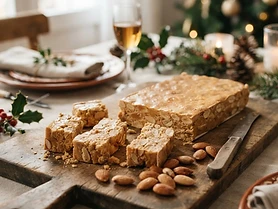
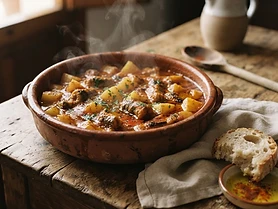
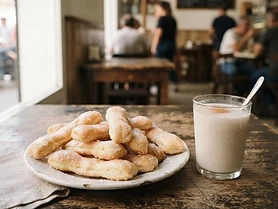
Traditional cooking draws from the mountain agriculture of the interior of Alicante. Olleta de blat, a hearty stew of wheat, pork, and local vegetables, provides sustenance suited to the high terrain. The regional landscape supports the cultivation of almonds and medlars, both of which appear in local desserts. Mistela, a sweet fortified wine, accompanies the conclusion of meals, often served alongside almond cakes. The local tradition favors simple preparation of mountain ingredients, relying on the quality of the olive oil and the freshness of the seasonal produce grown in the valley floor.
Valencia: the whole region
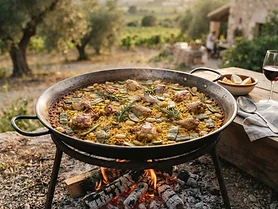
A long, hot, flat coast with one excellent city at its centre and much emptier country behind it. Valencia itself earns three days on its own — the old town, the Central Market, the City of Arts, and the rice that was invented in the…
Minimum 3 days · better 5-6 days · deep 8-10 days
In Valencia









In Valencia


In Valencia










Logistics are verified only. We don't publish schedules we haven't confirmed.
Ready to build Vall de Guadalest into a trip?
You've found a place worth going. When you're ready to turn discovery into an itinerary, Travel Itinerary Co picks up where the Field Guide leaves off — with your saved places already in hand.
Build this into a tripContinues on Travel Itinerary Co
Spain Field Guide may earn a commission when you book through selected links. Recommendations are editorial and independent of commission.