Requena
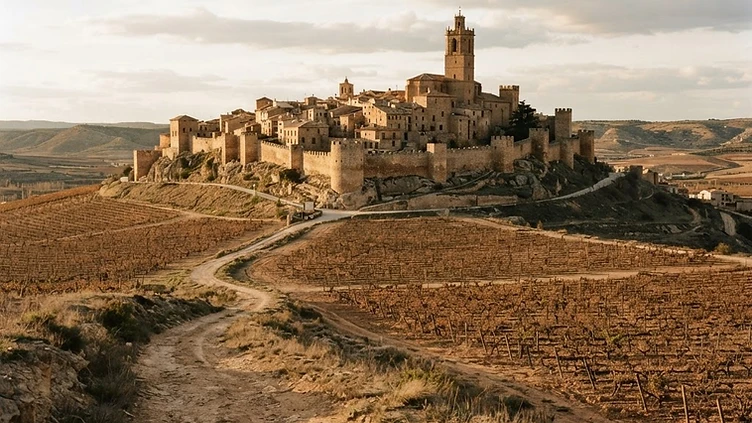
Half a day for the cellars and the old town, with a bodega visit. The caves are guided and cool; book in summer.
An underground town of medieval wine cellars beneath the streets of a Bobal-producing town on the Valencia plateau.
At a Glance
Requena made wine long before it made a name for it, and the evidence is underneath: the Cuevas de la Villa, a labyrinth of cellars carved out of the rock beneath the old town, used for storage since the Middle Ages and visitable with a guide. Above ground are the Plaza del Ayuntamiento, the church of Santa María and a stretch of Moorish wall.
How it got here
Requena sits on a rise above the Magro River, a position that dictated its medieval function as a defensive outpost between the Castilian plateau and the Mediterranean coast. The Islamic fortifications provided the initial layout of the La Villa quarter, where the Christian conquest eventually imposed Gothic and Mudéjar churches like Santa María and El Salvador. Beneath the stone streets, the town dug vast subterranean silos for grain and wine, creating a defensive and productive cellar network that allowed the population to survive sieges. This layering of subterranean utility and fortified urbanism persists, as the town continues to prioritize the production of wine and grain as its primary economic drivers.
Where it sits
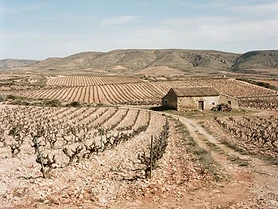
The town dominates a plateau that acts as a transition point between the Valencian coastal plain and the high, dry interior of the Meseta. Vineyards stretch across the undulating landscape, fed by the continental climate which brings cold winters and hot, dry summers to the elevated terrain. Reaching the town involves climbing away from the sea through mountain passes that soften the influence of the Mediterranean. Traffic remains focused on the primary transport routes linking Valencia to Madrid, leaving the surrounding hills sparsely populated and quiet during the long harvest months.
What to eat and drink
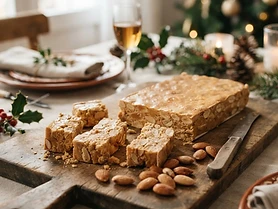
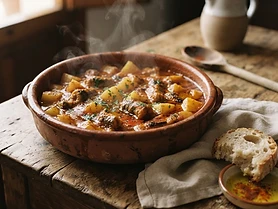
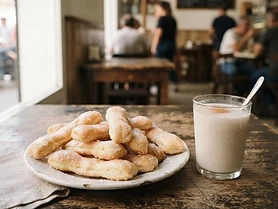
The local identity centers on the production of Cava and red wines made from the Bobal grape. Meals rely on the cold-climate traditions of the interior, such as ajoarriero, a stiff paste of potatoes, garlic, olive oil, and salt cod. Bollos rellenos are long, crusty loaves baked with longaniza sausage and chunks of pork belly. For dessert, the town produces alajú, a dense cake of honey, almonds, and breadcrumbs, and honey-based tortas. The cooking emphasizes the hearty, cured products of the pig and the deep, dark fruit notes found in the local vintages.
Valencia: the whole region
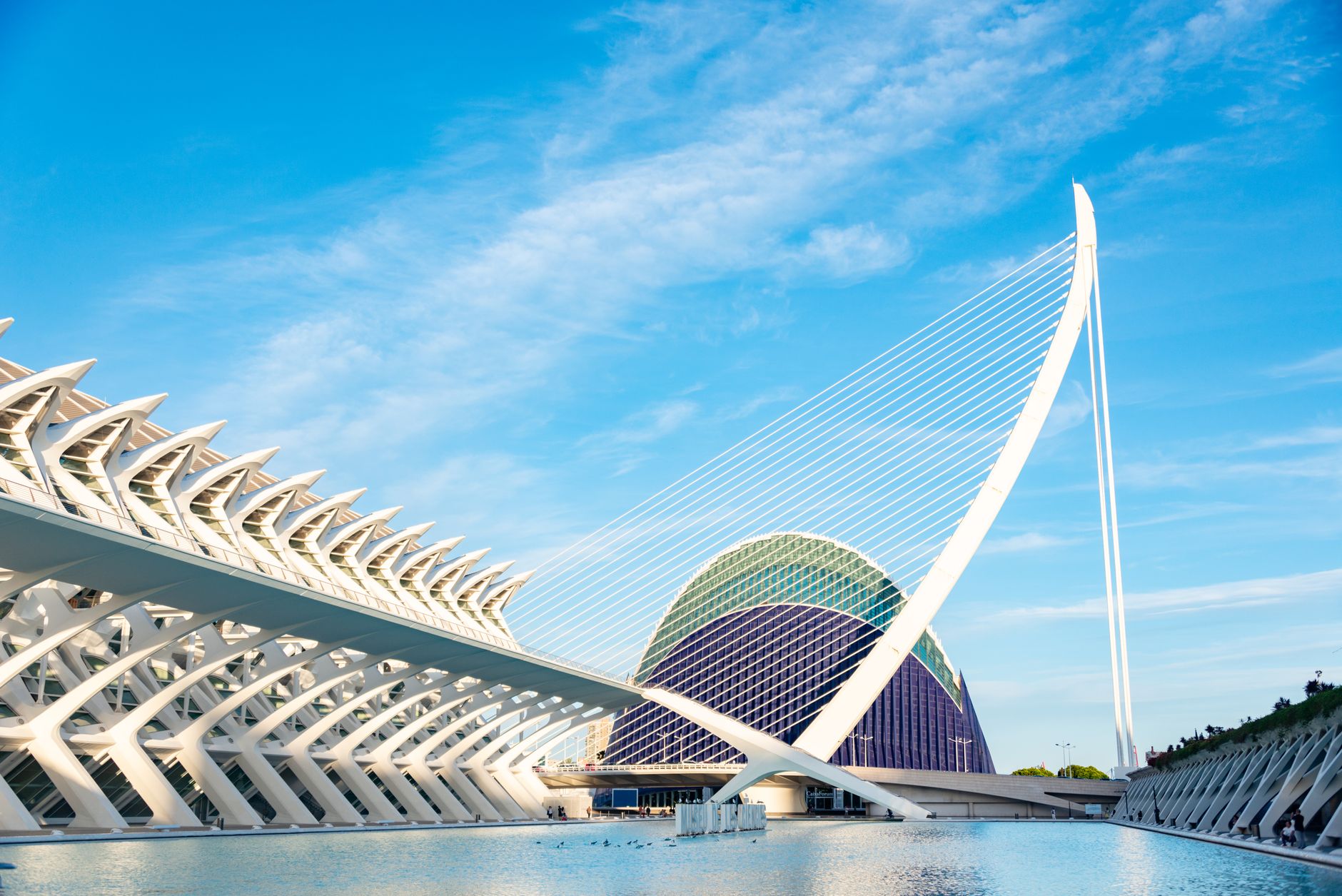
A long, hot, flat coast with one excellent city at its centre and much emptier country behind it. Valencia itself earns three days on its own — the old town, the Central Market, the City of Arts, and the rice that was invented in the…
Minimum 3 days · better 5-6 days · deep 8-10 days
In Valencia









In Valencia


In Valencia










Logistics are verified only. We don't publish schedules we haven't confirmed.
Experiences worth booking ahead
Spain Field Guide may earn a commission when you book through selected links. Recommendations are editorial and independent of commission.
Ready to build Requena into a trip?
You've found a place worth going. When you're ready to turn discovery into an itinerary, Travel Itinerary Co picks up where the Field Guide leaves off — with your saved places already in hand.
Build this into a tripContinues on Travel Itinerary Co
Spain Field Guide may earn a commission when you book through selected links. Recommendations are editorial and independent of commission.