Xàtiva
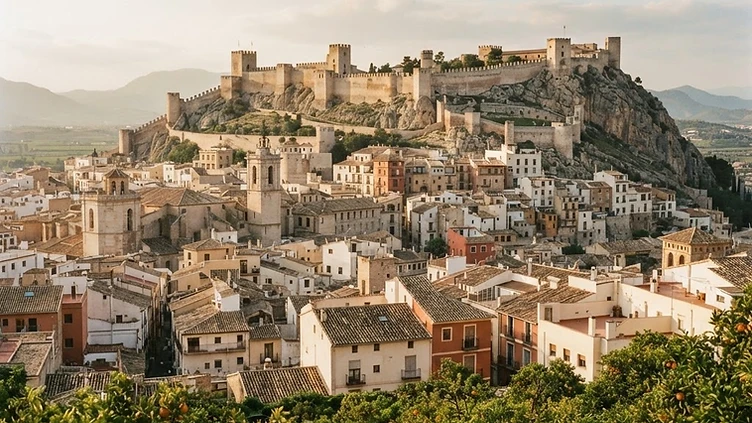
Half a day, and climb to the castle early before the heat. The painting in the museum is worth the detour by itself.
A town with two castles on one hill and the birthplace of two Borgia popes, hung with the upside-down portrait of the king who burned it.
At a Glance
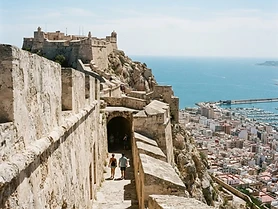
Xàtiva sits below a castle that occupies two hills, one Iberian and one medieval, with a town of palaces and collegiate churches between them. It was the birthplace of the Borjas — Calixtus III and Alexander VI — and its museum holds the portrait of Philip V hung upside down, a local tradition since the town was burned in 1707. Valencia is forty minutes away by train.
How it got here
The castle occupies the ridge of the Serra Vernissa, a site contested since the Iberian era. Under Islamic rule, the town became a center for paper production, the first in the Iberian Peninsula. Following the Reconquista, the Borja family rose to prominence, producing two popes who exerted immense influence over the Italian Renaissance. The town suffered a severe fate in 1707 when troops loyal to Philip V burned the settlement during the War of the Spanish Succession. That event defined the collective memory of the residents, who maintain the portrait of the monarch hanging inverted in the municipal museum to mark the destruction.
Where it sits
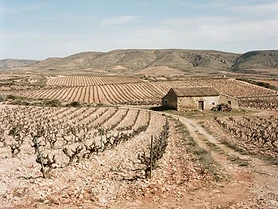
The town sits at the intersection of the coastal plain and the inland mountain ranges of the Valencia province. Beyond the walls, the landscape shifts from irrigated citrus groves and rice paddies to the arid limestone slopes of the interior. The train connects the center to Valencia in under an hour, drawing commuters and visitors who walk the steep paths to the upper fortress. Summer heat traps the air against the stone ramparts while winter brings sharp winds across the valley. Traffic stays localized to the narrow grid of the old quarter where the architecture shifts between Gothic and later baroque styles.
What to eat and drink
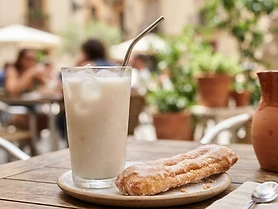
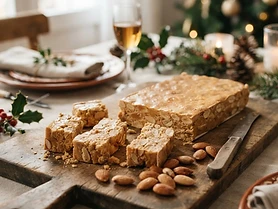
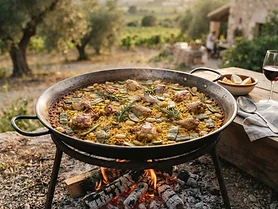
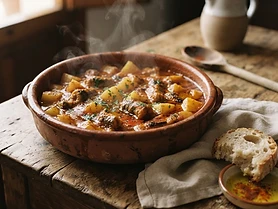
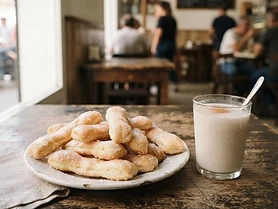
The proximity to the Albufera lagoon informs the local diet, which centers on rice cultivation. Arròs al forn, a baked rice dish prepared in a clay pot with chickpeas, pork ribs, and black pudding, dominates the kitchen. For sweets, the town is known for the almúixena, a pumpkin-based pastry with roots in the Moorish period. Horchata, the cold milk made from soaked tiger nuts, is the standard summer drink throughout the province. Local white wines from the nearby vineyards of the interior pair with the heavy, starch-based meals common to these inland agricultural towns.
Valencia: the whole region
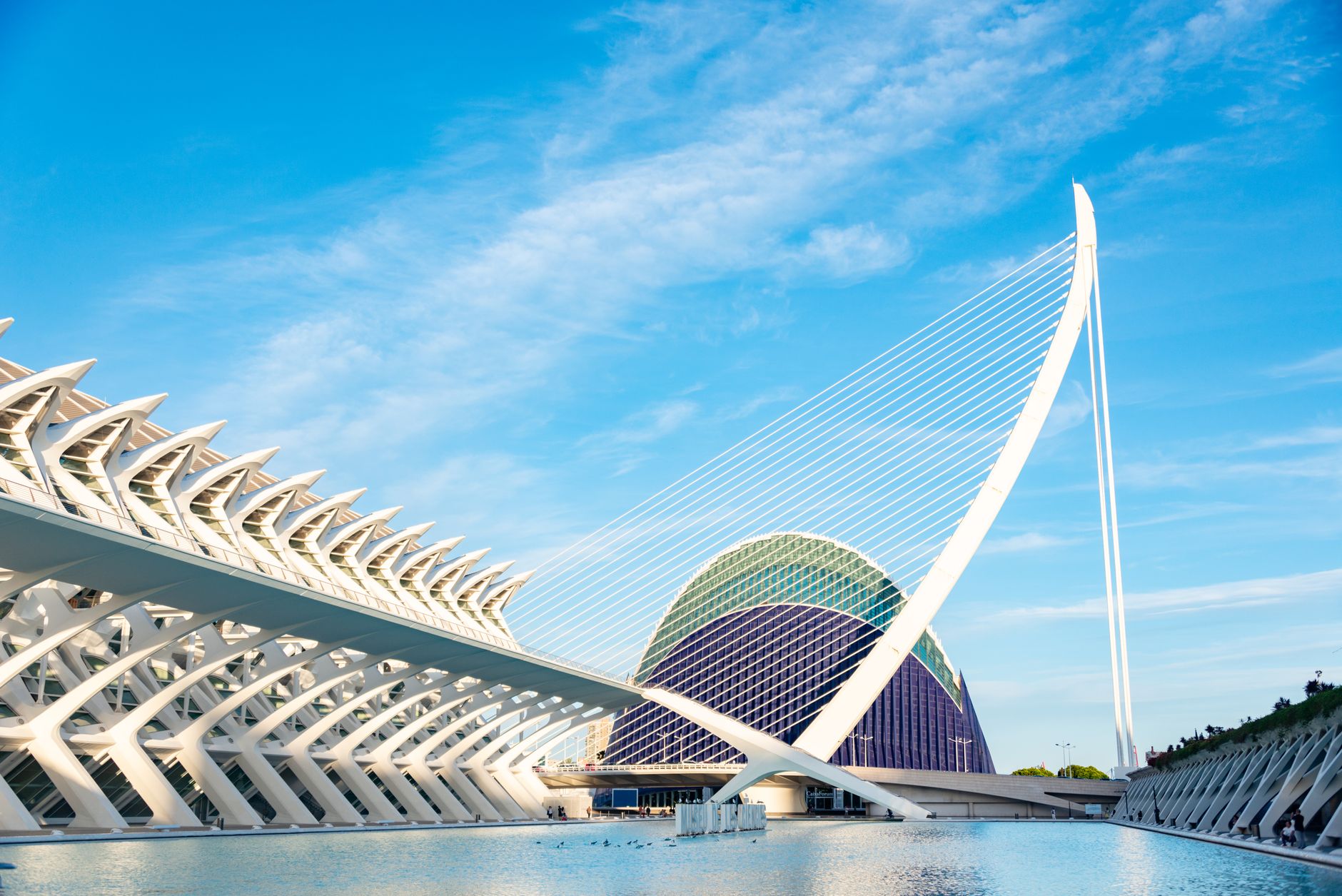
A long, hot, flat coast with one excellent city at its centre and much emptier country behind it. Valencia itself earns three days on its own — the old town, the Central Market, the City of Arts, and the rice that was invented in the…
Minimum 3 days · better 5-6 days · deep 8-10 days

In Valencia









In Valencia


In Valencia










Logistics are verified only. We don't publish schedules we haven't confirmed.
Experiences worth booking ahead
- Games and History Walking Tour in the Center of Valencia5.0 (15)3 hrsFrom €40
- Tour in Chiva Rumbera with Party and Fun Music in Cartagena4.6 (10)2 hrsFrom €14
- Full Xátiva from Valencia castle and museum included5.0 (2)6 hrsFrom €40
- Private Day Trip from Valencia to Xàtiva Castle and Old Town5.0 (1)8 hrsFrom €490
Spain Field Guide may earn a commission when you book through selected links. Recommendations are editorial and independent of commission.
Ready to build Xàtiva into a trip?
You've found a place worth going. When you're ready to turn discovery into an itinerary, Travel Itinerary Co picks up where the Field Guide leaves off — with your saved places already in hand.
Build this into a tripContinues on Travel Itinerary Co
Spain Field Guide may earn a commission when you book through selected links. Recommendations are editorial and independent of commission.