Torres de Serranos

Climb to the top for the city and Turia park view. It saved artworks during the Civil War — the story's on the walls. €2; free on Sundays.
One of two surviving gates of Valencia's medieval wall — a 14th-century twin-towered Gothic gate over the old riverbed, the city's best viewpoint.
At a Glance
- — You can't climb 300 steps
Standing as a sturdy, twin-towered reminder of the medieval walls that once enclosed the city, this gatehouse offers a climbable perspective over the old riverbed. The stone walls bear the history of the Civil War, when they protected the nation’s art from destruction. Reaching the top provides the most reliable view of the city’s skyline, a rare and inexpensive vantage point that is best enjoyed on a Sunday when entry is free.
How it got here
Pere Balaguer designed these towers during the final years of the fourteenth century as the northern entry to Valencia. The stone structure replaced older gates during a time of expansion for the city walls. During the Spanish Civil War, the government transferred paintings from the Museo del Prado to these towers for protection against aerial bombardment. The stone masonry shows impact scars from these years of conflict. The design follows the Valencian Gothic style with polygonal towers connected by a central bay. Today these walls stand as one of the few surviving sections of the medieval perimeter that once separated the city from the surrounding countryside.
Where it sits
The towers command the transition between the old city center and the river park. The Turia riverbed once carried water around the northern perimeter but a major flood in the middle of the twentieth century forced a redirection of the flow. Now a sunken garden stretches for miles where water moved. Residents walk the park below the high stone foundations. Summer heat radiates from the limestone blocks in July while winter mornings bring sharp light across the dry plain. The structure stands accessible from the labyrinth of the Barrio del Carmen and anchors the northern reach of the old town.
What to eat and drink
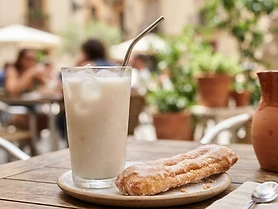
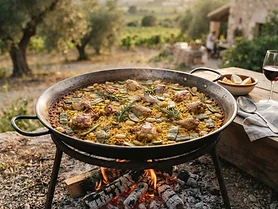
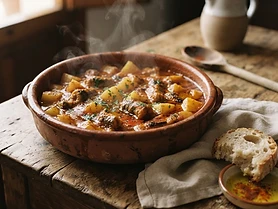
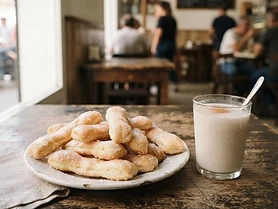
Valencian cooking centers on the rice grown in the wetlands of the nearby Albufera. Paella valenciana combines short grain rice with rabbit, chicken, and garrofó beans cooked over a wood fire. Esgarraet, a salad of roasted red peppers and salt cod cured in olive oil, provides a salty contrast to the starch of the rice. Orxata de xufa, a drink pressed from soaked tiger nuts and sweetened with sugar, arrives chilled throughout the warmer months. These plates reflect the agricultural heritage of the surrounding plains and the coastal proximity of the city to the Mediterranean salt pans.
Valencia: the whole region
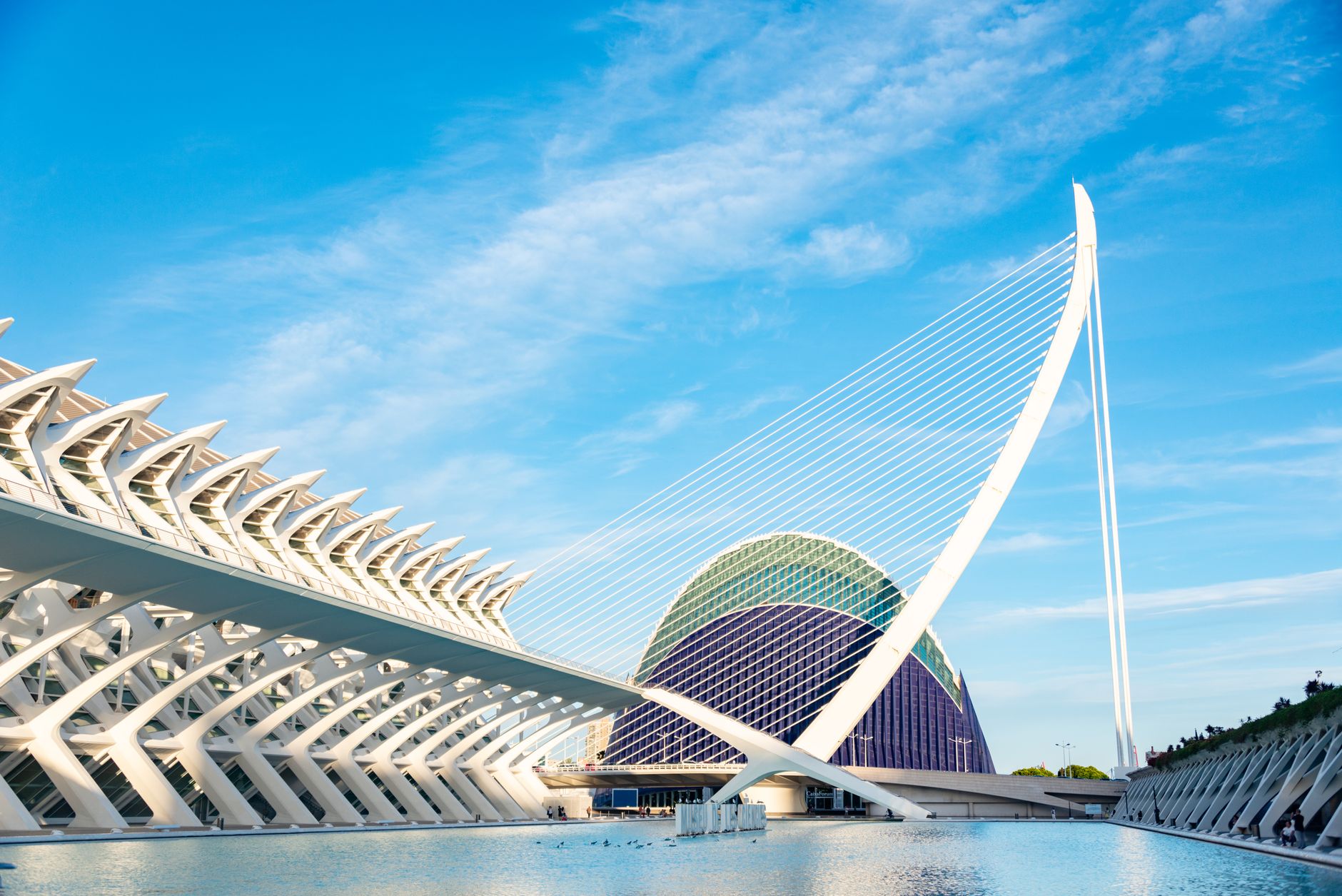
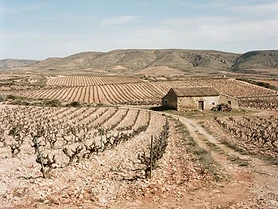
A long, hot, flat coast with one excellent city at its centre and much emptier country behind it. Valencia itself earns three days on its own — the old town, the Central Market, the City of Arts, and the rice that was invented in the…
Minimum 3 days · better 5-6 days · deep 8-10 days
Pair It With


In Valencia








In Valencia


In Valencia









Logistics are verified only. We don't publish schedules we haven't confirmed.
Experiences worth booking ahead
- Paella Cooking Class, Wine Tasting & Central Market in Valencia5.0 (2,326)3.5 hrsFrom €70
- Valencia Old Town Tour with Wine & Tapas in 11th Century Historic Monument5.0 (3,792)4 hrsFrom €75
- Private TukTuk Tour 2 Hours of Valencia4.9 (167)2 hrsFrom €40
- Valencia: City Highlights Bike or E-Bike Tour4.5 (218)2.5 hrsFrom €23
Spain Field Guide may earn a commission when you book through selected links. Recommendations are editorial and independent of commission.
Ready to build Torres de Serranos into a trip?
You've found a place worth going. When you're ready to turn discovery into an itinerary, Travel Itinerary Co picks up where the Field Guide leaves off — with your saved places already in hand.
Build this into a tripContinues on Travel Itinerary Co
Spain Field Guide may earn a commission when you book through selected links. Recommendations are editorial and independent of commission.