Alicante
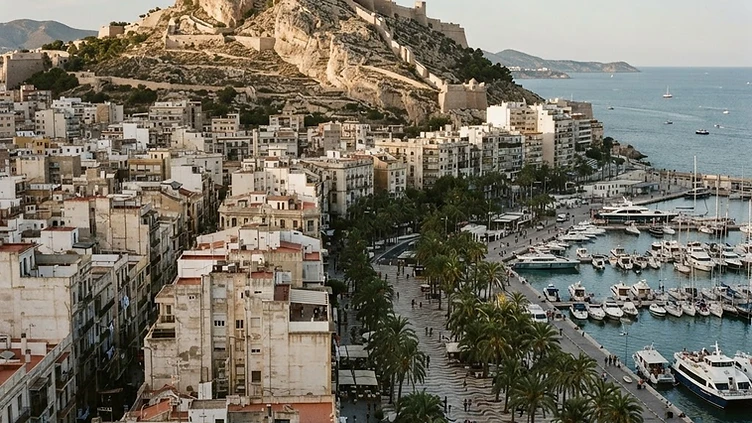
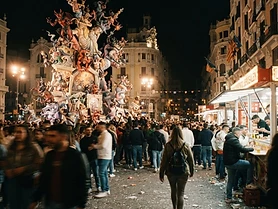
Two days as a base for the southern Valencian coast. Come in June for the Hogueras, and go up to the castle on foot rather than the lift.
A real Mediterranean city with a castle over the harbour, an outstanding archaeology museum and a beach ten minutes from the centre.
At a Glance
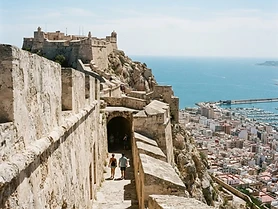
Alicante is a port city of 330,000 people with the castle of Santa Bárbara on the hill above it, reached by lift from the seafront. The Explanada de España runs along the harbour under palms, the MARQ archaeological museum is the best of its kind in the region, and the Playa del Postiguet sits below the castle. It has an airport, a rail line to Madrid and a Hogueras bonfire festival in June.
How it got here
Iberians held the Tossal de Manises headland before the Greeks and Carthaginians established trade outposts along the coast. The Romans founded Lucentum, a commercial center that preceded the present city. After the collapse of Roman administration, the site transitioned through Visigothic control before the Umayyad conquest in the eighth century. Alfonso X of Castile captured the town in 1246, but it passed to the Crown of Aragon shortly after. The castle of Santa Bárbara endured repeated sieges during the struggles between Castile and Aragon, and later conflicts involving French forces. Today, the fortification dictates the visual hierarchy of the city, anchoring the older districts to the Mediterranean shoreline.
Where it sits
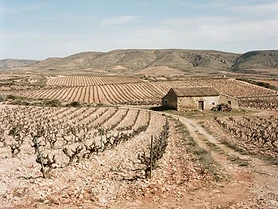
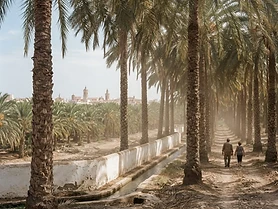
The city occupies a narrow coastal strip where the arid mountains of the Alicante province meet the sea. Salt marshes and lagoons sit to the south, while the scrub-covered slopes of the Serreta Grossa frame the northern reach. Winds off the Mediterranean moderate the heat, though the city remains dry and sun-bleached through the summer months. Rail connections link the port to the central plateau, crossing the rugged terrain of the interior. The pace slows during the heat of midday, as the harbor transitions from an industrial transit point into a public promenade beneath the palm trees that edge the waterfront.
What to eat and drink
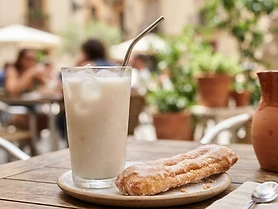
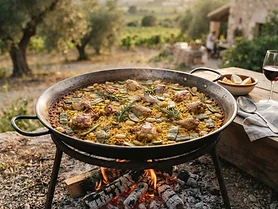
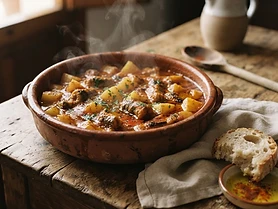
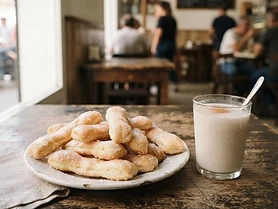
Rice defines the table in this province, prepared as arroz a banda, where fish stock replaces water and the grain absorbs the salt of the sea. Seafood landed at the port appears daily, often served simply grilled or boiled. Foraged produce from the hinterlands includes the ñora pepper, a small dried variety essential for flavoring local stews. Pastries made with almond flour and honey reflect the legacy of earlier agricultural traditions. Local winemakers produce fondillón, a sweet, aged dessert wine made from overripe Monastrell grapes that dates back several centuries as a primary export of the district.
Valencia: the whole region
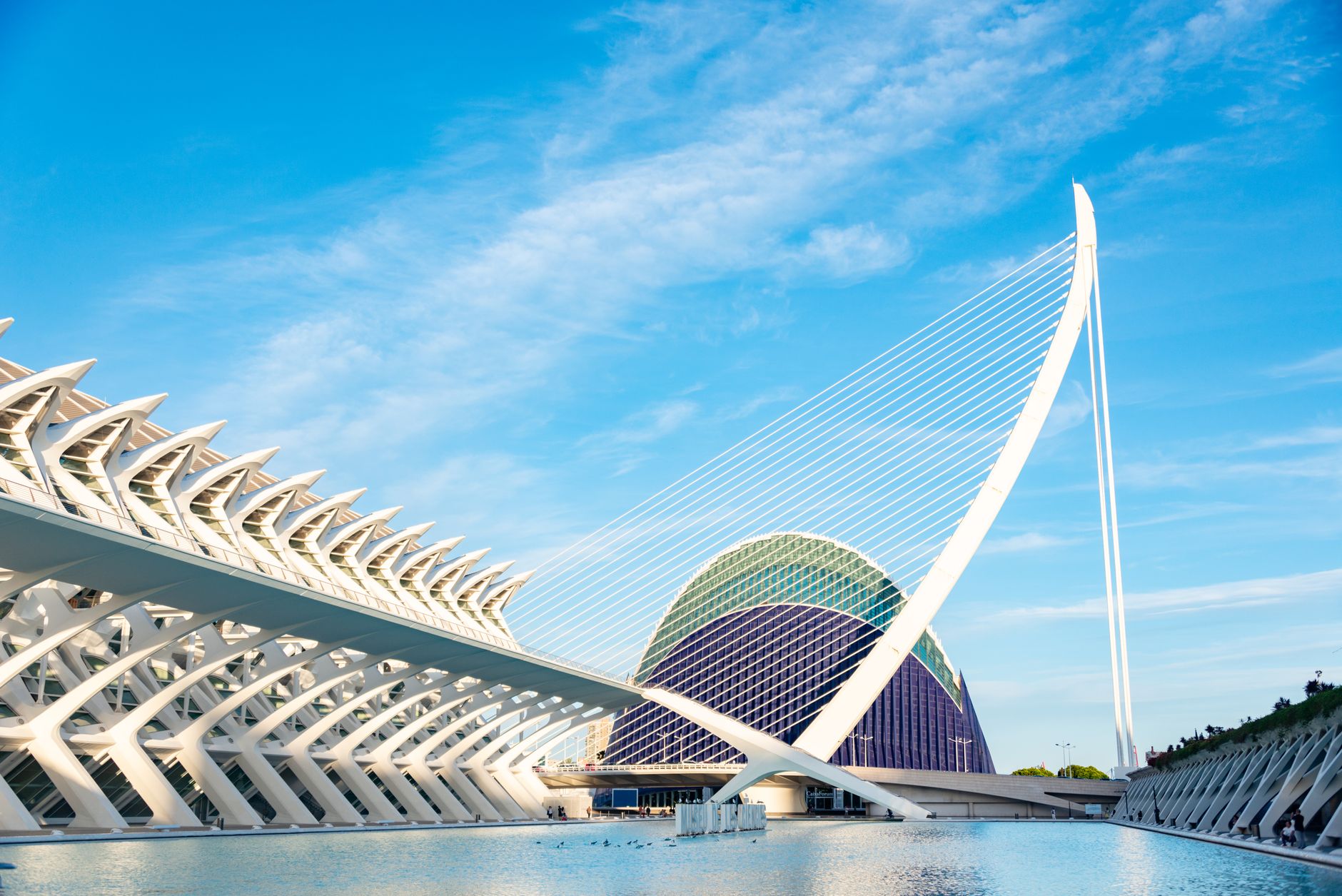
A long, hot, flat coast with one excellent city at its centre and much emptier country behind it. Valencia itself earns three days on its own — the old town, the Central Market, the City of Arts, and the rice that was invented in the…
Minimum 3 days · better 5-6 days · deep 8-10 days

In Valencia










In Valencia


In Valencia









Logistics are verified only. We don't publish schedules we haven't confirmed.
Experiences worth booking ahead
Spain Field Guide may earn a commission when you book through selected links. Recommendations are editorial and independent of commission.
Ready to build Alicante into a trip?
You've found a place worth going. When you're ready to turn discovery into an itinerary, Travel Itinerary Co picks up where the Field Guide leaves off — with your saved places already in hand.
Build this into a tripContinues on Travel Itinerary Co
Spain Field Guide may earn a commission when you book through selected links. Recommendations are editorial and independent of commission.