Penedès
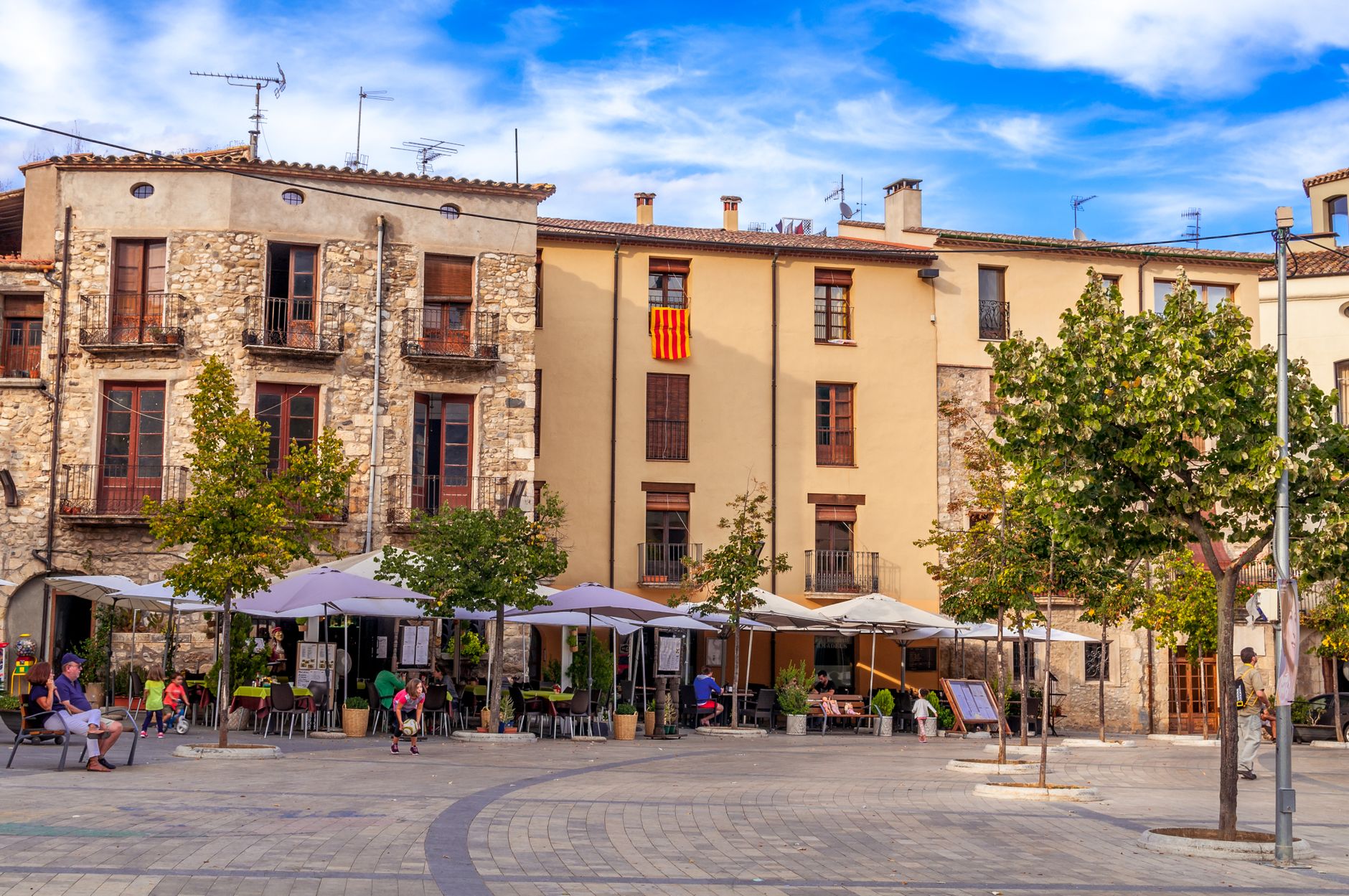
The easiest wine day trip from Barcelona. Cava tours are well-organized and family-friendly.
The heart of Spanish cava (sparkling wine), an easy day trip from Barcelona, with major houses like Codorníu and Freixenet in modernist cellars.
At a Glance
- — You don't drink cava
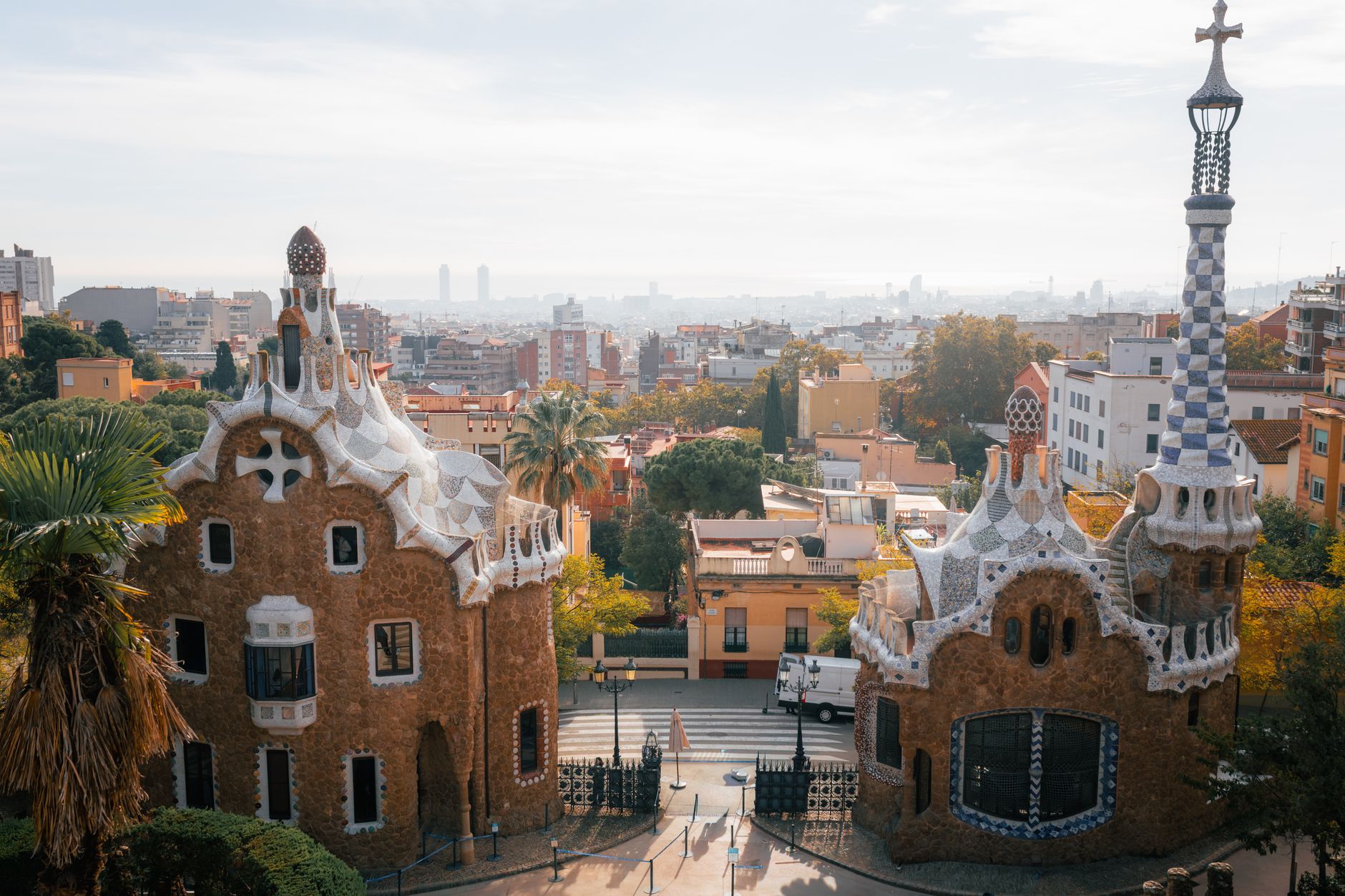
Rolling Mediterranean landscapes just outside of Barcelona are filled with grand, modernist estates that serve as the birthplace of Spanish cava. Here, the focus is on the festive, rhythmic production of sparkling wine, with massive, airy cellars that offer an accessible glimpse into the traditional method. It is a well-oiled, scenic region that makes for an easy day trip, allowing travelers to move from the frantic energy of the Catalan capital to the cool, quiet depths of a fermentation cave in under an hour.
How it got here
Winemaking traces back to the Phoenicians who introduced vines to the Catalan coast. In the middle ages the lands belonged to the Counts of Barcelona who encouraged settlement to secure the territory against northern threats. By the nineteenth century the local economy shifted toward viticulture as the phylloxera plague decimated French vineyards and created an urgent demand for Penedès grapes. Josep Raventós Fatjó produced the first bottle of Spanish sparkling wine here in 1872 after studying techniques in Champagne. This shift from red wine production to the traditional method defined the identity of the comarca and established the industrial architecture visible across the hills today.
Where it sits
Limestone ridges and rolling clay hills separate the Mediterranean coast from the high plateaus of central Catalonia. Vineyards dominate the lower valleys while forests of Aleppo pine and scrub oak cover the higher elevations. The climate stays mild through the winter but summer heat bakes the exposed slopes. Roads wind through stone villages and estates built on the proceeds of the late nineteenth century export boom. Trains run from Barcelona into the heart of the wine country through a gap in the coastal range. Summer drought turns the landscape gold and brown while the autumn rains bring a brief flush of green.
What to eat and drink
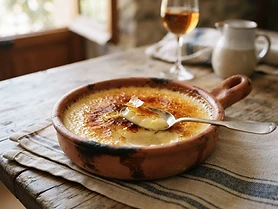
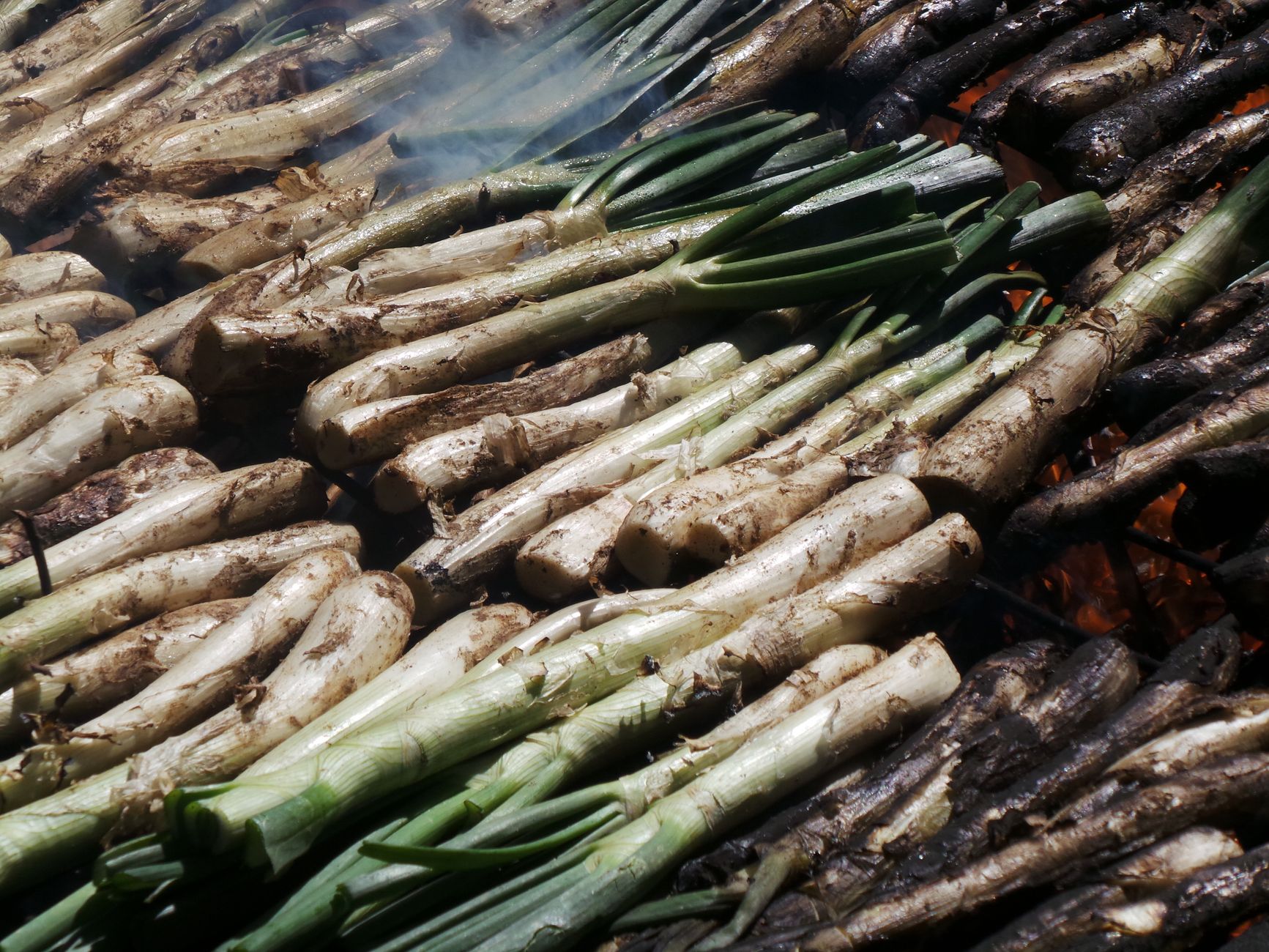
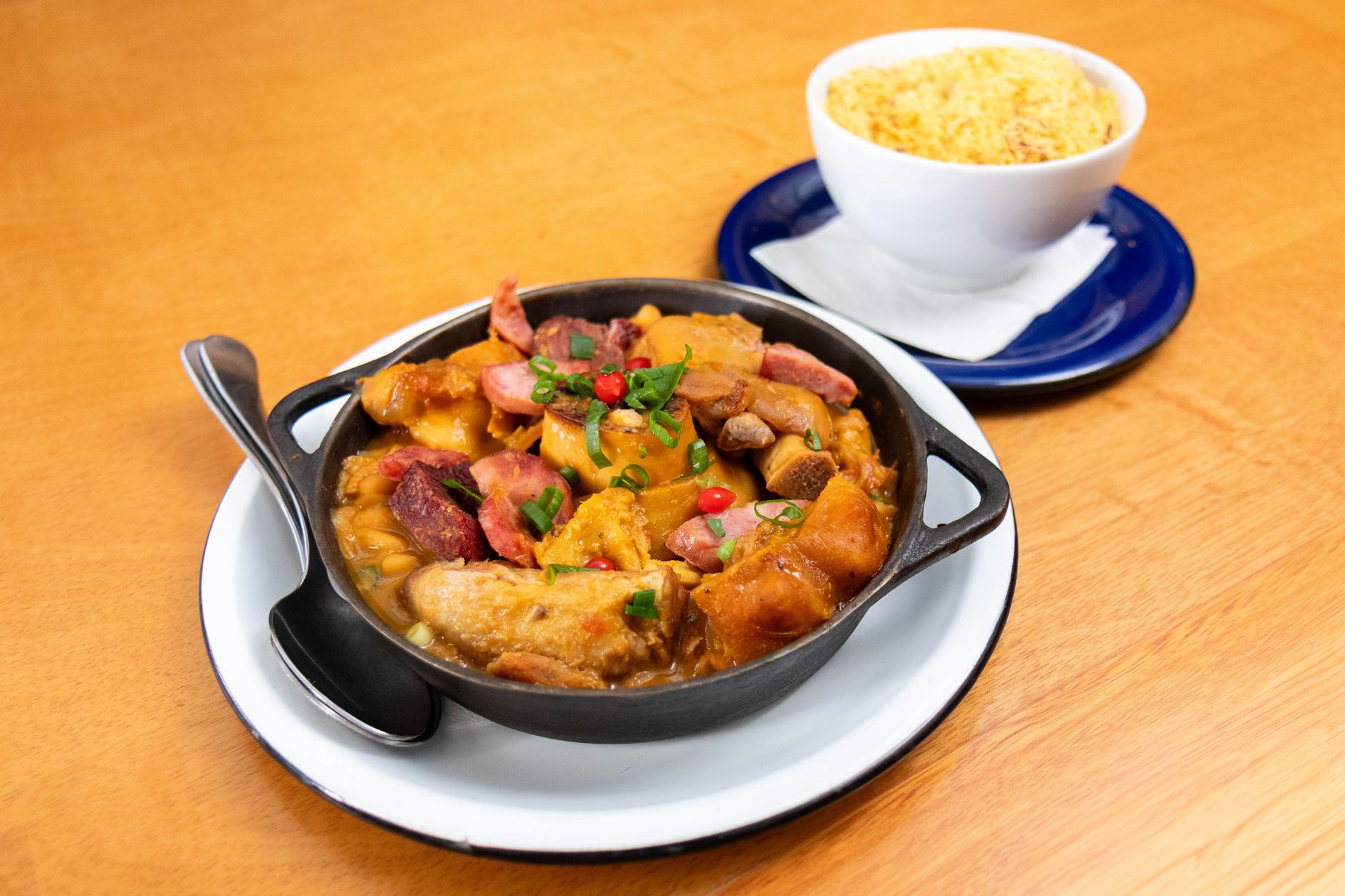
Cava, the sparkling wine produced through the traditional method, defines the local glass. The region excels at producing the base wines from Xarel-lo, Macabeu, and Parellada grapes. Food focuses on the hearty Catalan tradition. Xató, a winter salad of escarole, salt cod, tuna, and olives served with a pungent sauce of almonds, hazelnuts, garlic, and nyora peppers, remains the classic local meal. Calçots, green onions grilled over open flames until charred and dipped in romesco sauce, appear on tables throughout the spring. The cuisine relies on simple preparation of fresh garden vegetables, local game, and cured meats from the mountains.
Catalonia: the whole region
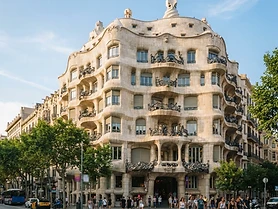
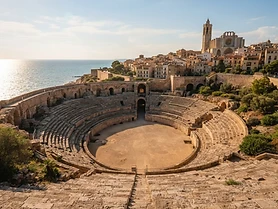
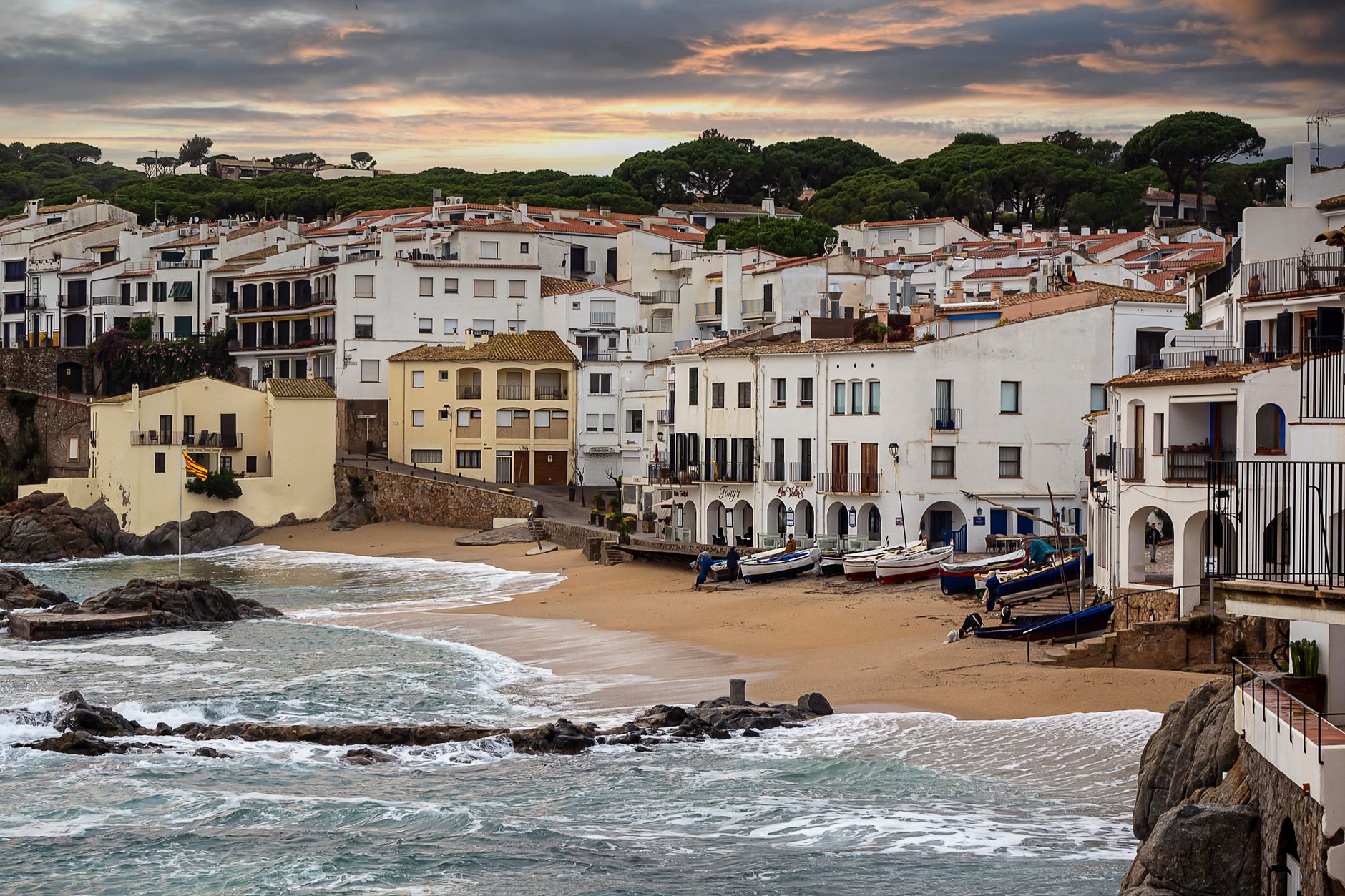
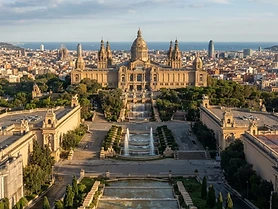
Barcelona is the anchor and most trips never leave it, which is a mistake but not a fatal one: Girona, Tarragona and the Costa Brava's coves are all within two hours by train or a short drive, and the Empordà behind them holds the best…
Minimum 4 days · better 7-8 days · deep 2 weeks
What's Nearby

Pair It With

In Catalonia





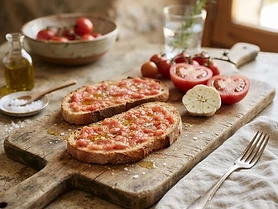
In Catalonia

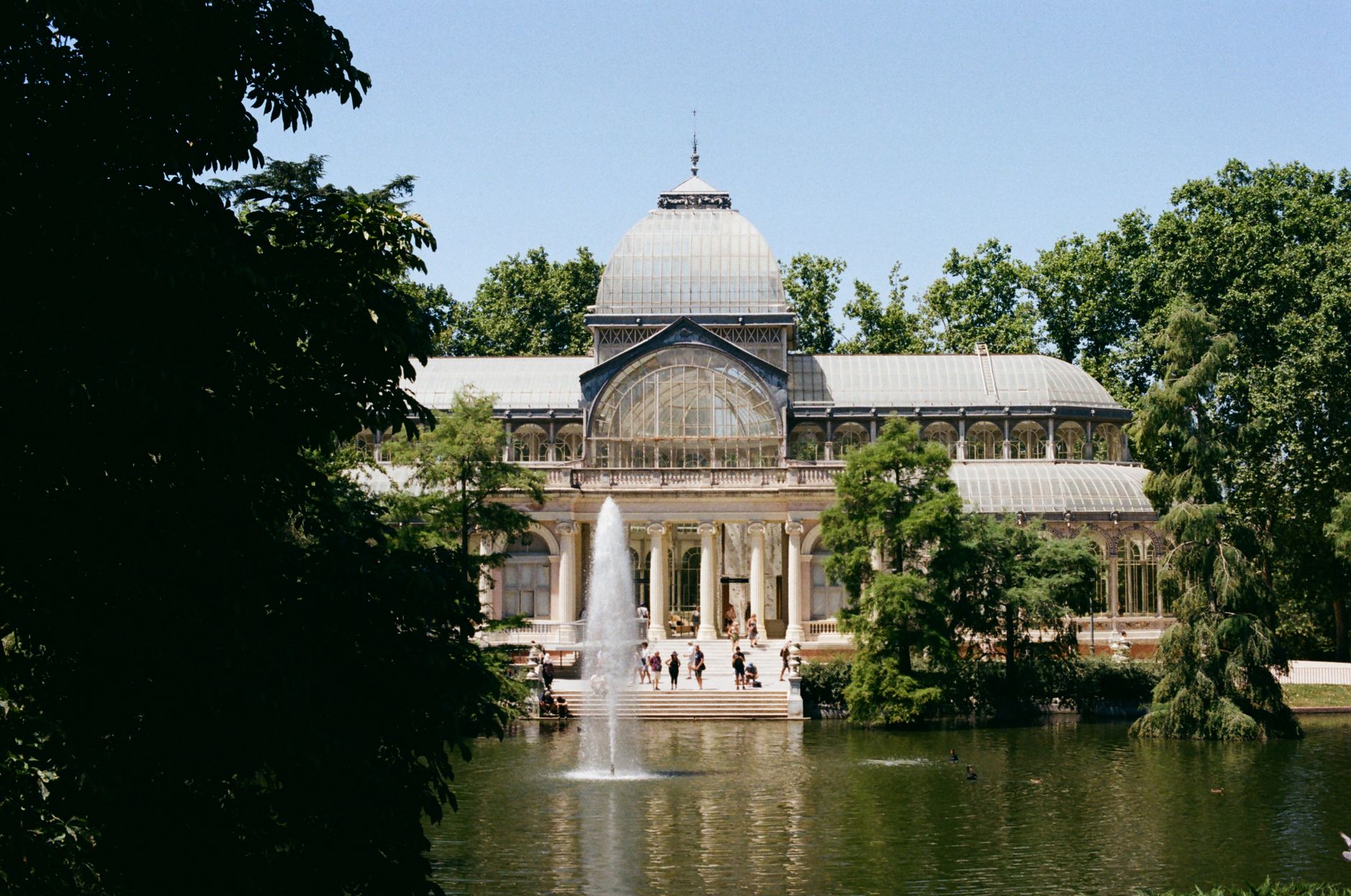


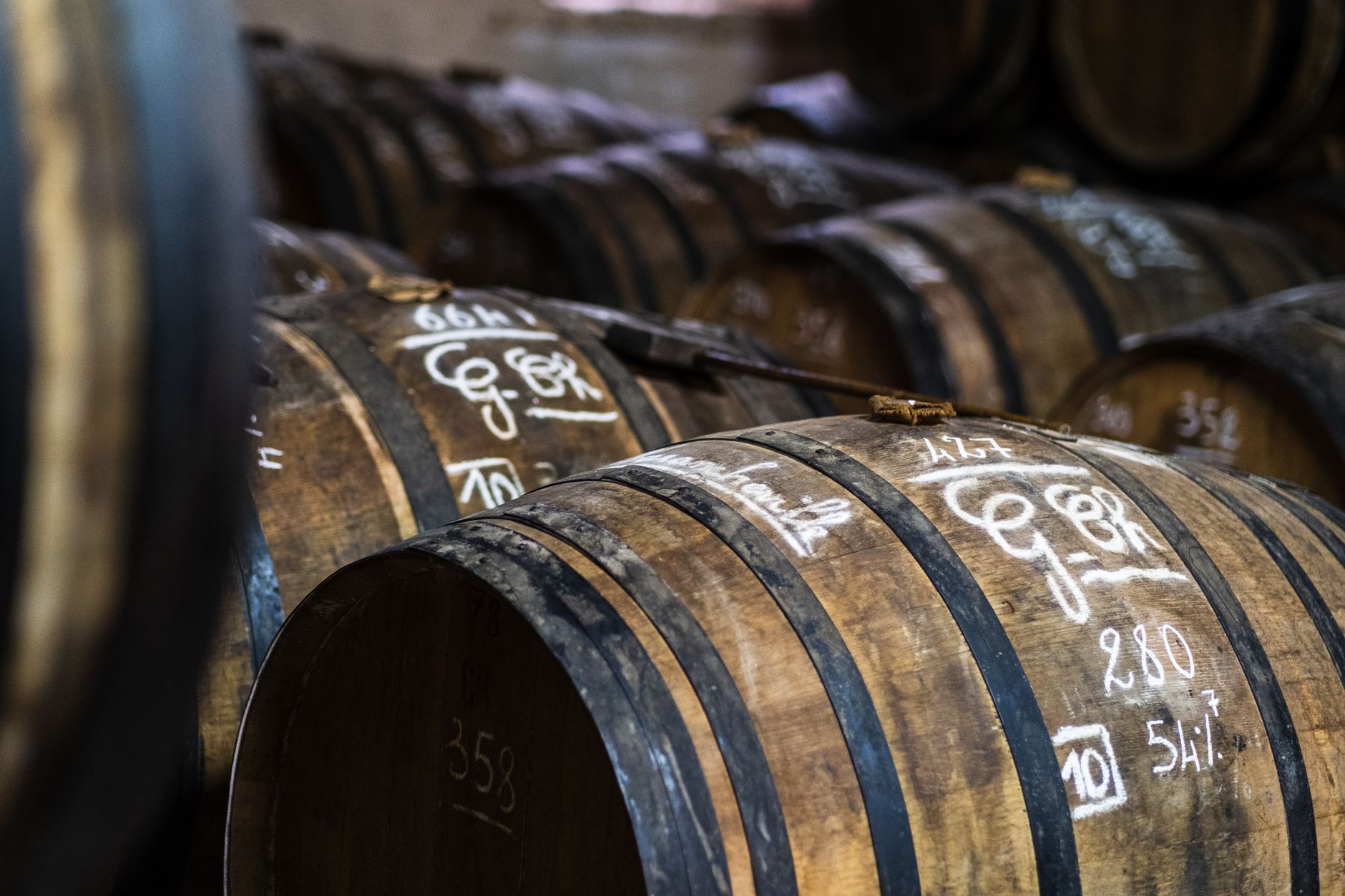

In Catalonia


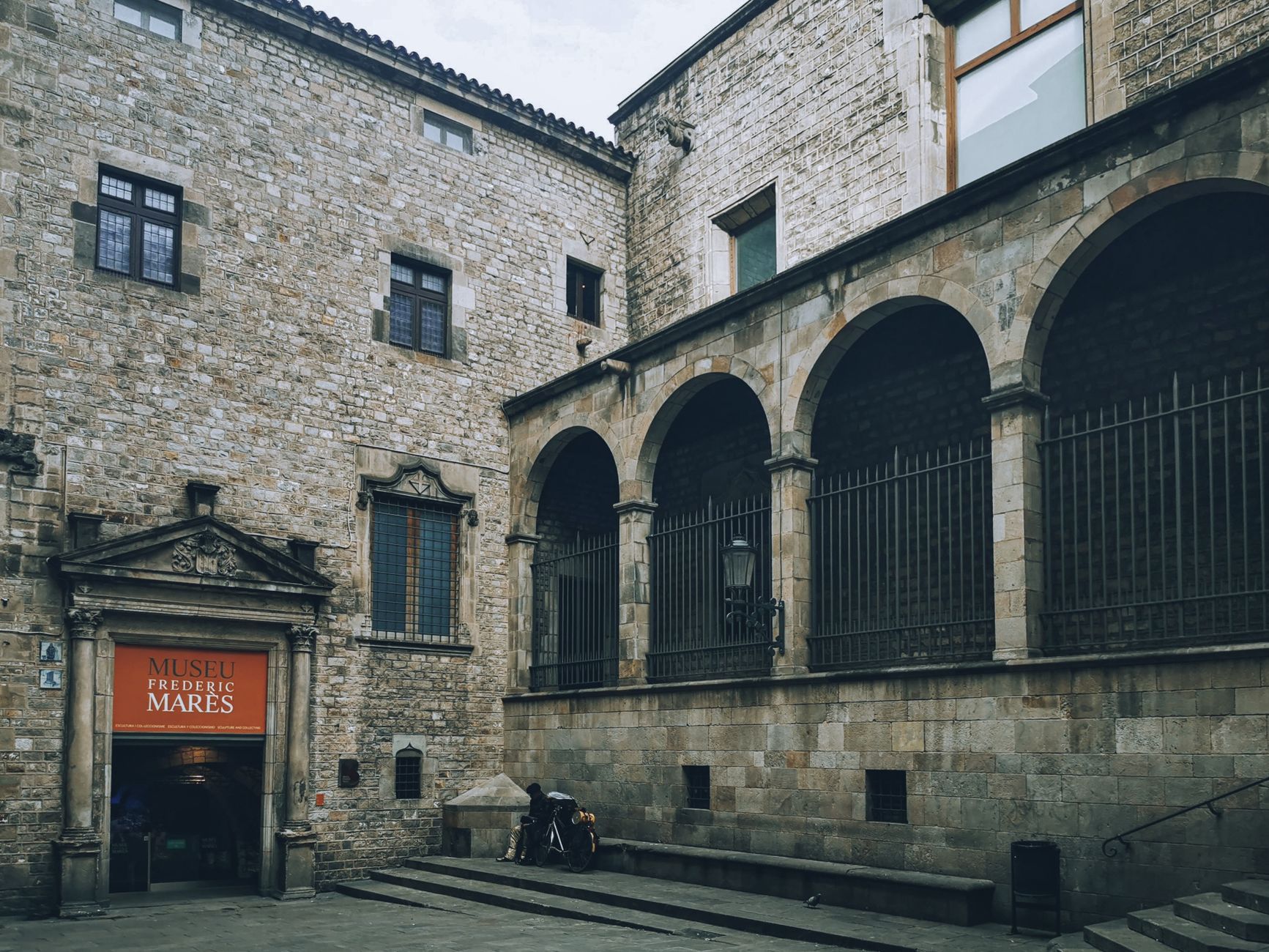


















Linked from elsewhere
Entries that name this place in their own nearby lists.

Logistics are verified only. We don't publish schedules we haven't confirmed.
Appears In
Ready to build Penedès into a trip?
You've found a place worth going. When you're ready to turn discovery into an itinerary, Travel Itinerary Co picks up where the Field Guide leaves off — with your saved places already in hand.
Build this into a tripContinues on Travel Itinerary Co
Spain Field Guide may earn a commission when you book through selected links. Recommendations are editorial and independent of commission.