Empúries
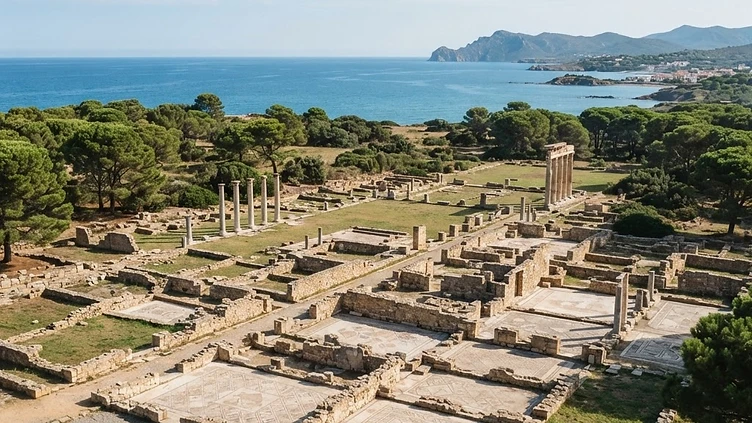
Two hours, and worth it unless you have had your fill of ruins. Go in the morning; there is no shade on the Greek side and the site is at its best in spring.
Greek and Roman streets you can walk, with the sea a hundred metres away.
At a Glance
- — Ruins bore you, or you are short of time
The only Greek city on the Iberian peninsula whose walls and streets survive, with a Roman town built beside it later: mosaics, a forum, a paleochristian basilica and a jetty, all on a flat pine plain at the water's edge. It is a large site and almost always quiet.
How it got here
Phocaean Greeks established a trading post here in the sixth century BC, naming it Emporion. It served as a vital gateway for Mediterranean commerce before Roman forces landed in 218 BC during the Second Punic War. A separate Roman settlement eventually grew beside the original Greek walls, creating a dual urban identity that persisted until the site was abandoned in the Middle Ages. The town of Sant Martí d'Empúries preserved the name over centuries, while the ruins slept beneath coastal dunes until archaeologists began unearthing the foundations in the early twentieth century, leaving the distinct masonry of two ancient civilizations exposed to the coastal wind.
Where it sits
The site sits at the edge of the Empordà plain, where the flat, fertile land meets the Mediterranean. To the north, the Gulf of Roses curves toward the foothills of the Pyrenees. Pine trees shade the paths between the stone walls and the sand, offering relief from the summer sun. Access follows the coast road from L'Escala, a fishing town that grew from the proximity of the ruins. The sea air carries a constant salt tang, and the landscape stays quiet outside of the peak tourist months when the coastal heat softens and the shoreline paths remain open to the breeze.
What to eat and drink
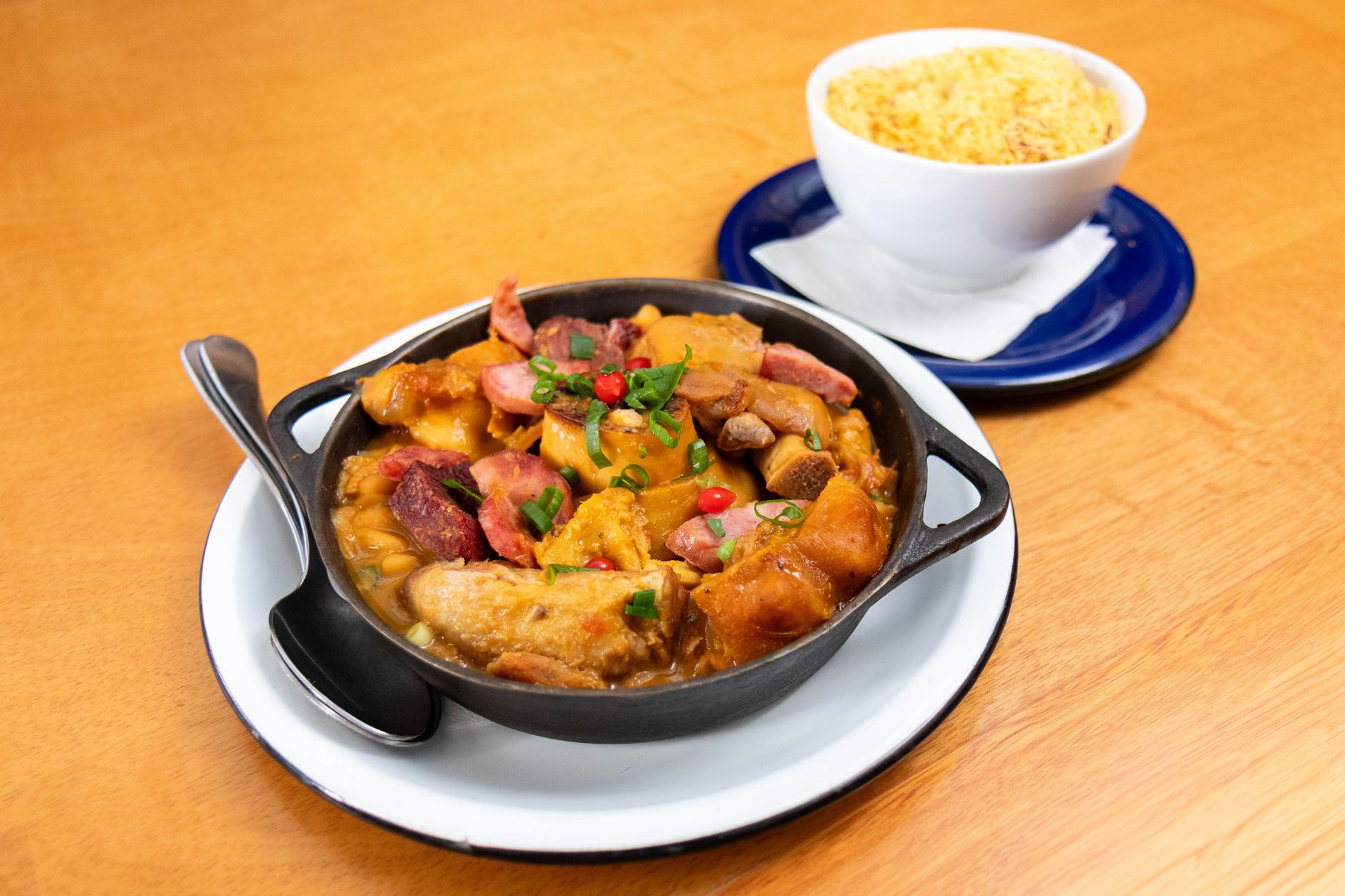
The cuisine follows the traditions of the Empordà, emphasizing the marriage of sea and soil. Suquet de peix is the standard local fish stew, prepared with a base of potatoes, garlic, and fresh catch from the nearby trawlers. Anchovies from the neighboring port of L'Escala provide a sharp, salt-cured contrast often served as a starter with crusty bread and tomatoes. Menjars de bacallà, salt cod dishes cooked with regional seasonal vegetables, appear on local tables throughout the year. The white wines of the Empordà region, light and often possessing a distinct mineral quality, pair with the salt of the coast.
Catalonia: the whole region
Barcelona is the anchor and most trips never leave it, which is a mistake but not a fatal one: Girona, Tarragona and the Costa Brava's coves are all within two hours by train or a short drive, and the Empordà behind them holds the best…
Minimum 4 days · better 7-8 days · deep 2 weeks

Pair It With
In Catalonia





In Catalonia





In Catalonia



















Logistics are verified only. We don't publish schedules we haven't confirmed.
Ready to build Empúries into a trip?
You've found a place worth going. When you're ready to turn discovery into an itinerary, Travel Itinerary Co picks up where the Field Guide leaves off — with your saved places already in hand.
Build this into a tripContinues on Travel Itinerary Co
Spain Field Guide may earn a commission when you book through selected links. Recommendations are editorial and independent of commission.