La Garrotxa
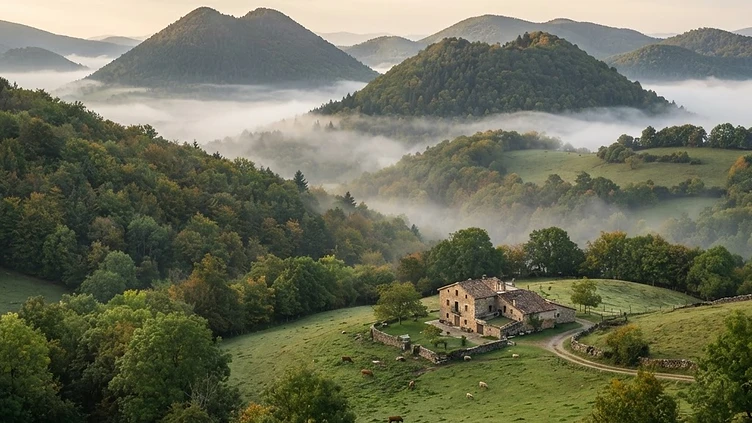
Half a day for the beechwood and one crater, a full day for the villages and Besalu. The beech is best in late October and early November, when the leaves turn.
Volcanic country that looks like nowhere else in Spain, with walking that is easy rather than alpine.
At a Glance
- — You want high mountains; this is gentle country
The best volcanic landscape in the Iberian peninsula: around forty wooded cones, basalt cliffs, a beech forest that grows straight out of a lava flow, and stone villages between them. It rains more here than on the coast, which is why it is so green.
How it got here
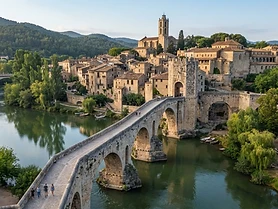
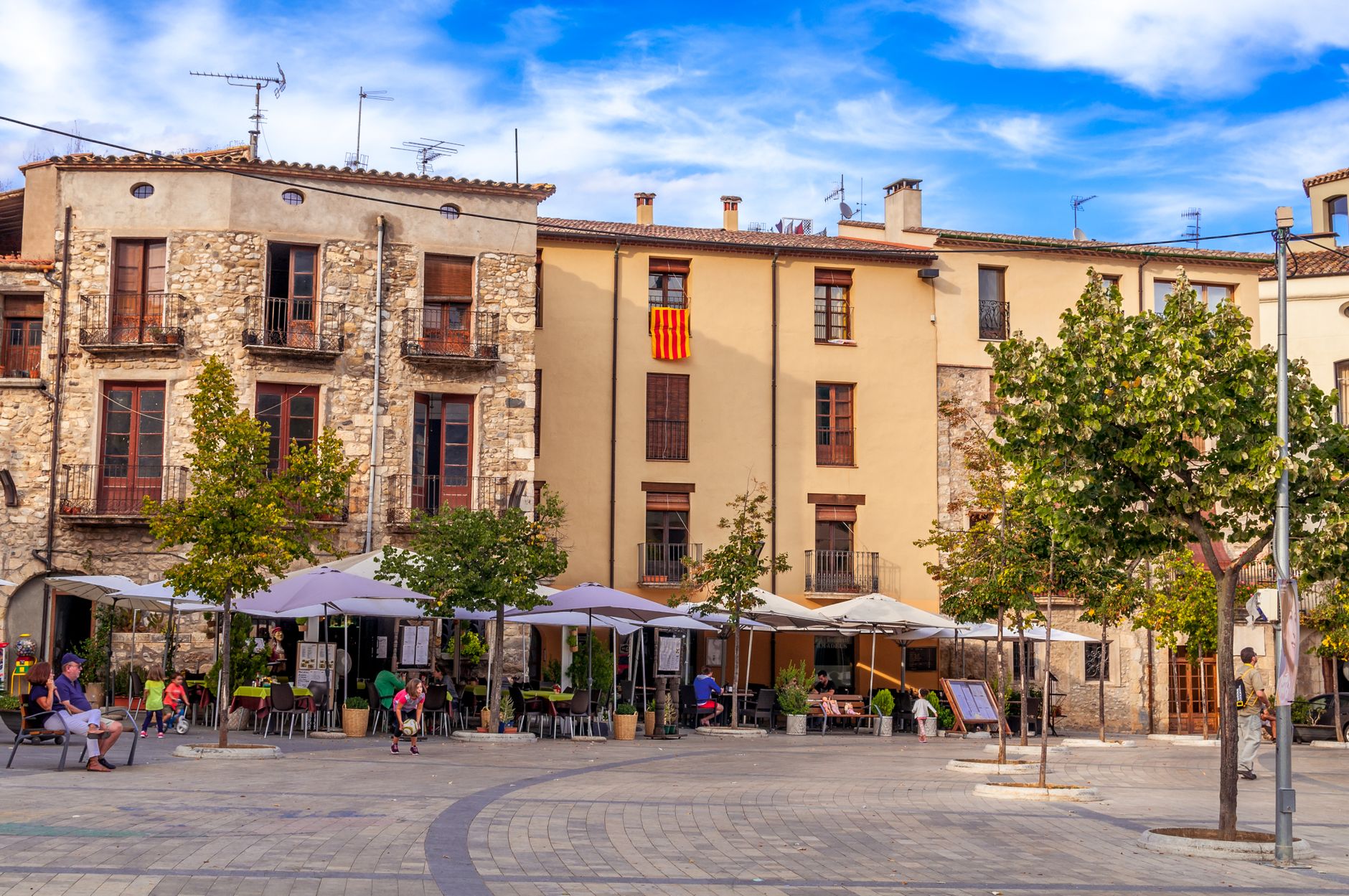
Volcanic activity shaped the Garrotxa basin until the Holocene period, creating a landscape that isolated the population behind natural basalt barriers for centuries. During the Middle Ages, the comarca fell under the jurisdiction of the Besalú County, a powerful Carolingian political entity that consolidated influence over the Catalan Pyrenees. The fortress towns and Romanesque chapels scattered across the volcanic cones stem from this era of feudal consolidation. Subsequent transitions between the Counts of Barcelona and the influence of the Catalan Church defined the land tenure. This deep separation from coastal trade routes preserved the medieval agricultural structures and stone masonry that dominate the valley settlements today.
Where it sits
Forty extinct cones rise from a carpet of dense beech and oak forest in the pre-Pyrenean foothills of Girona. The climate carries high humidity from the north, fueling the verdant growth that distinguishes these valleys from the dry Mediterranean coast. During autumn, the Fageda d'en Jordà beech wood turns copper as the canopy thins. Winter frost covers the basalt cliffs and stone hamlets, while summers remain tempered by elevation and persistent rainfall. Winding roads connect the villages through broken lava fields, keeping the interior quiet despite the proximity to the Girona plains and the border of France.
What to eat and drink
Volcanic soil dictates the local plate. Patates d'Olot, potatoes stuffed with minced pork and fried in a light batter, serve as the definitive regional dish. The cuisine relies heavily on the region's produce, specifically the greixons, which are thin, crispy pork cracklings often added to local salads or served as a starter. Buckwheat flour, once a staple for survival in these mountains, returns in the form of traditional flatbreads. Foraged mushrooms, particularly the llanega, appear in stews during the autumn harvest, usually accompanied by a glass of strong, red wine from the neighboring Empordà vineyards.
Catalonia: the whole region
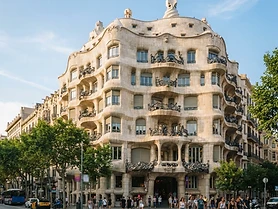
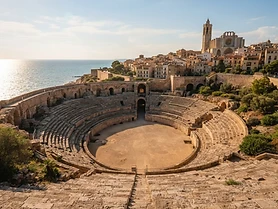
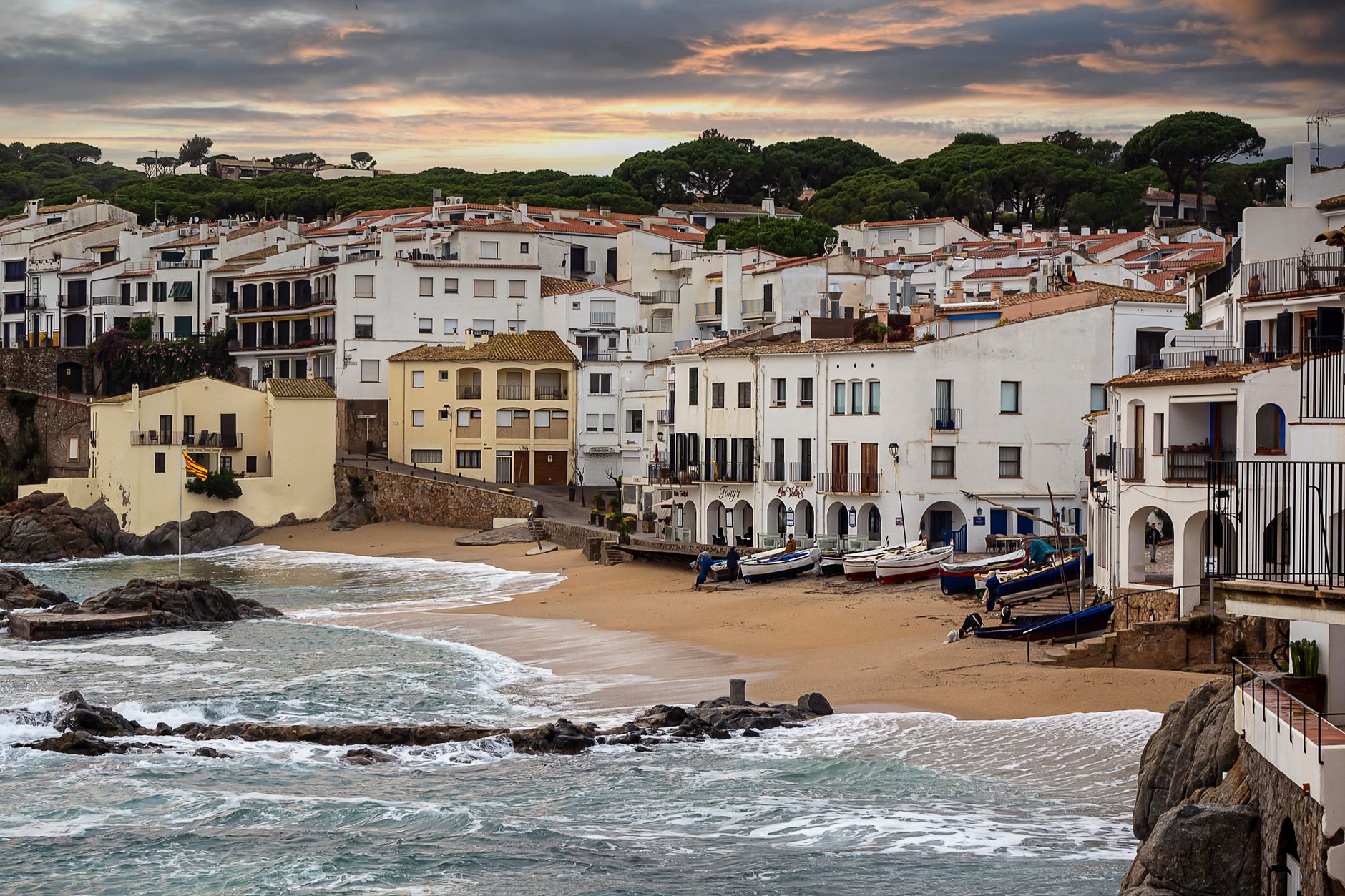
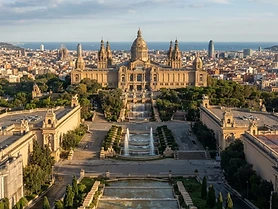
Barcelona is the anchor and most trips never leave it, which is a mistake but not a fatal one: Girona, Tarragona and the Costa Brava's coves are all within two hours by train or a short drive, and the Empordà behind them holds the best…
Minimum 4 days · better 7-8 days · deep 2 weeks


In Catalonia





In Catalonia





In Catalonia



















Logistics are verified only. We don't publish schedules we haven't confirmed.
Ready to build La Garrotxa into a trip?
You've found a place worth going. When you're ready to turn discovery into an itinerary, Travel Itinerary Co picks up where the Field Guide leaves off — with your saved places already in hand.
Build this into a tripContinues on Travel Itinerary Co
Spain Field Guide may earn a commission when you book through selected links. Recommendations are editorial and independent of commission.