Cap de Creus
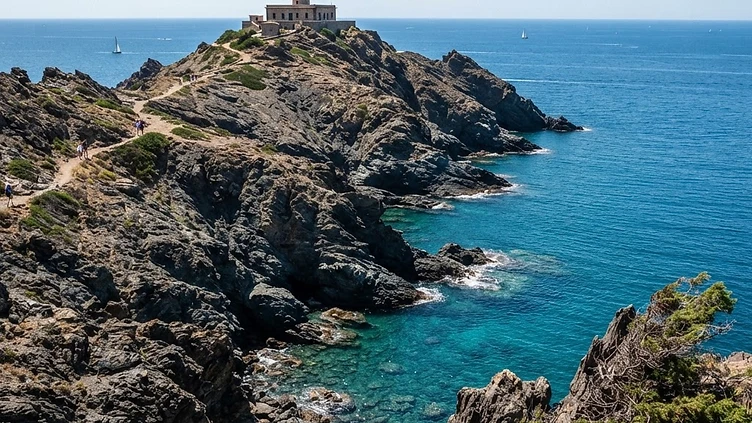
Essential if you are on this coast at all. Drive to the lighthouse at the point, then walk down to one of the coves; go early, take water, and stay off the cliffs when the Tramuntana is blowing hard.
The end of the Pyrenees, and the most dramatic coast in Catalonia.
At a Glance
- — You want sand, shade and a bar; there is almost none
Catalonia's first natural park, and the strangest landscape on the coast: twisted schist cliffs, bare rock, low scrub bent by the Tramuntana wind, and coves of clear water at the bottom of them. Dali painted it and it is easy to see why. There is almost no shade and no beach facilities, which is exactly why it still looks like this.
How it got here
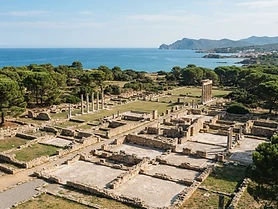
Cap de Creus marked the eastern edge of the Empordà, a coastal plain defined by the shifting power between the County of Empúries and the monastery of Sant Pere de Rodes. This rugged cape served as a maritime waypoint for Greek and Roman vessels navigating the western Mediterranean to the port of Empúries. Over centuries, the relentless Tramuntana wind dictated settlement patterns, discouraging permanent agriculture on the exposed rock while forcing monastic and pastoral communities to seek shelter in the protected interior valleys. These historical limitations preserved the cape from intensive development, leaving the coastline as a quiet witness to the ancient maritime routes that connected the Iberian Peninsula to the broader Mediterranean world.
Where it sits
The Pyrenees reach their final descent into the Mediterranean here, creating a landscape of fractured slate and schist that glows dark under the harsh Catalan sun. The Tramuntana wind strips the ridges of soil, ensuring that only resilient scrub and cork oak survive in the rare sheltered pockets. During winter, the wind turns the sea violent and creates a stark contrast against the clear sky, while the summer months bring dry heat and dust. Visitors reach the cape via winding roads from Cadaqués, passing through terrain that feels more lunar than coastal, devoid of the dense pine forests found further south.
What to eat and drink
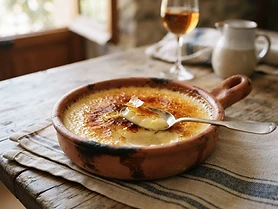
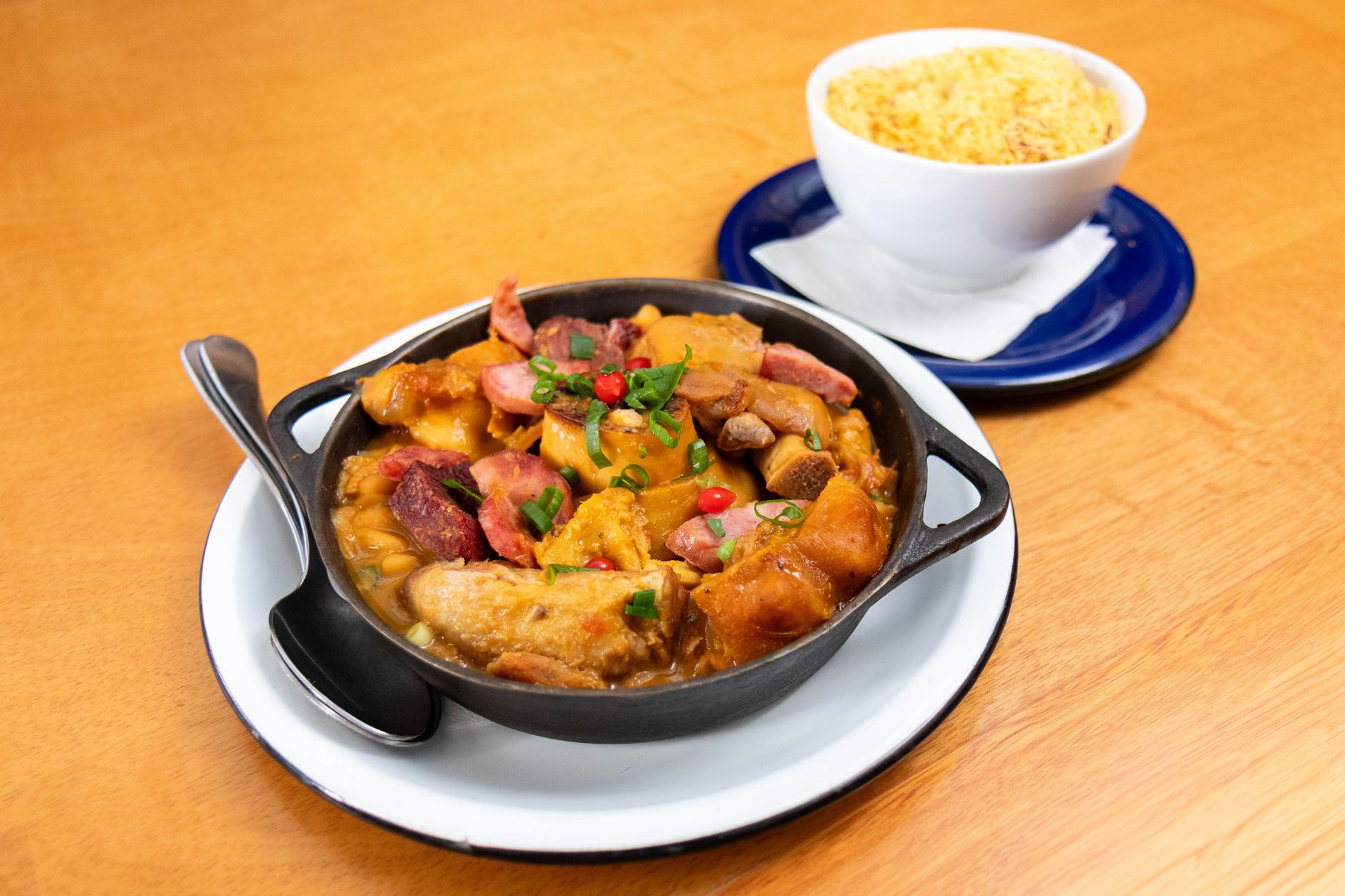
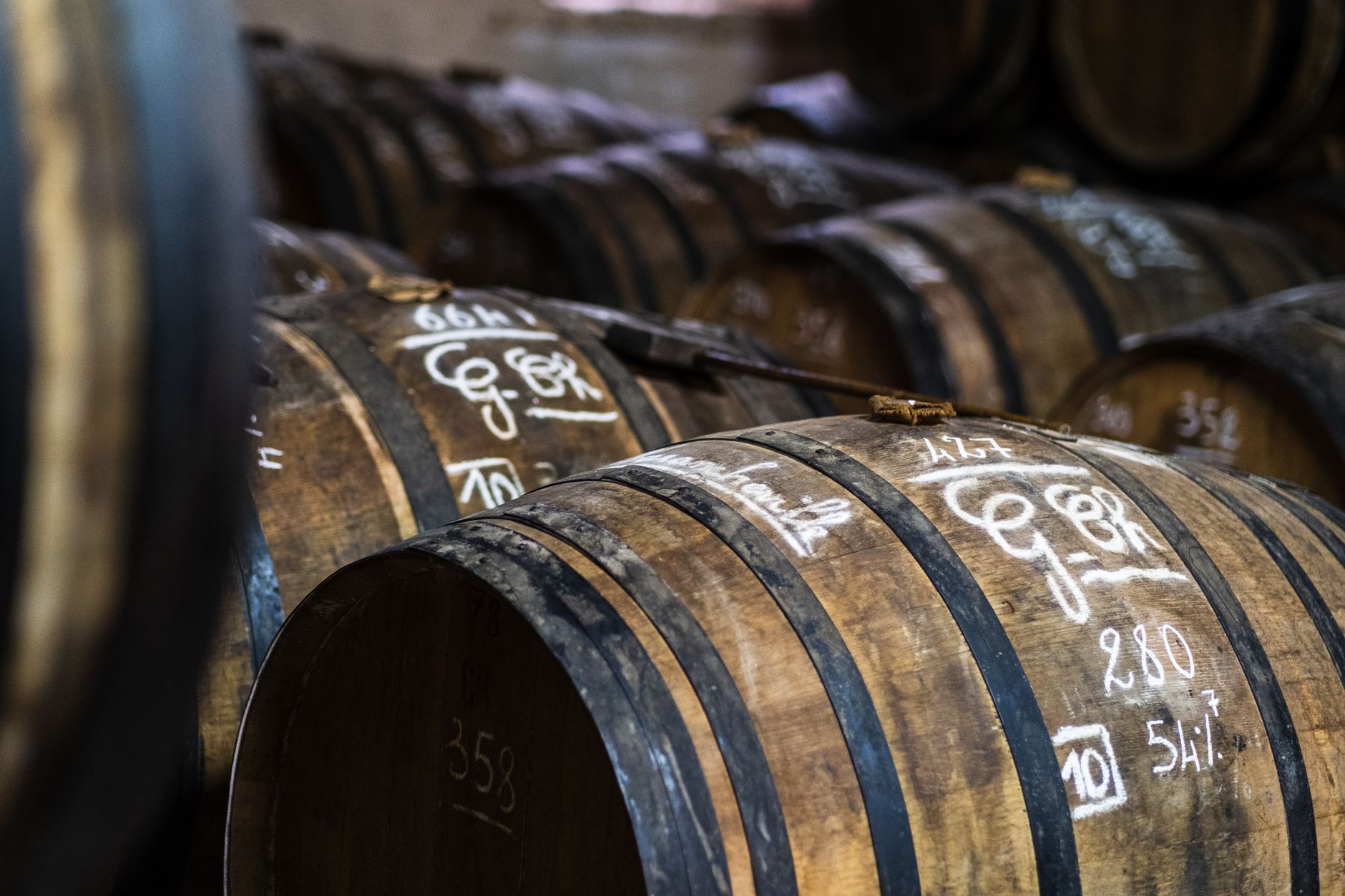
The cuisine of the Alt Empordà focuses on the intersection of sea and mountain. Suquet de peix, a fisherman’s stew made with local rockfish, potatoes, and a picada of garlic and almonds, provides the necessary sustenance for a maritime climate. Anchovies from nearby L'Escala, salted and preserved in oil, accompany simple slabs of pa amb tomàquet. For dessert, xuixos, deep-fried pastries filled with crema catalana, provide a dense, sugary finish. Garnatxa de l'Empordà, a sweet dessert wine made from the local grape variety, marks the end of a meal, often served chilled alongside the salty, hard cheeses produced in the inland pastures.
Catalonia: the whole region
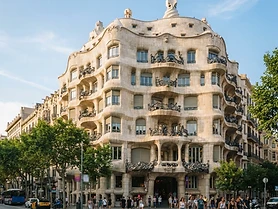
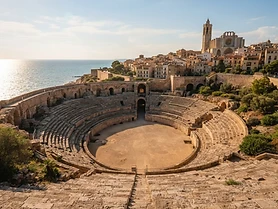
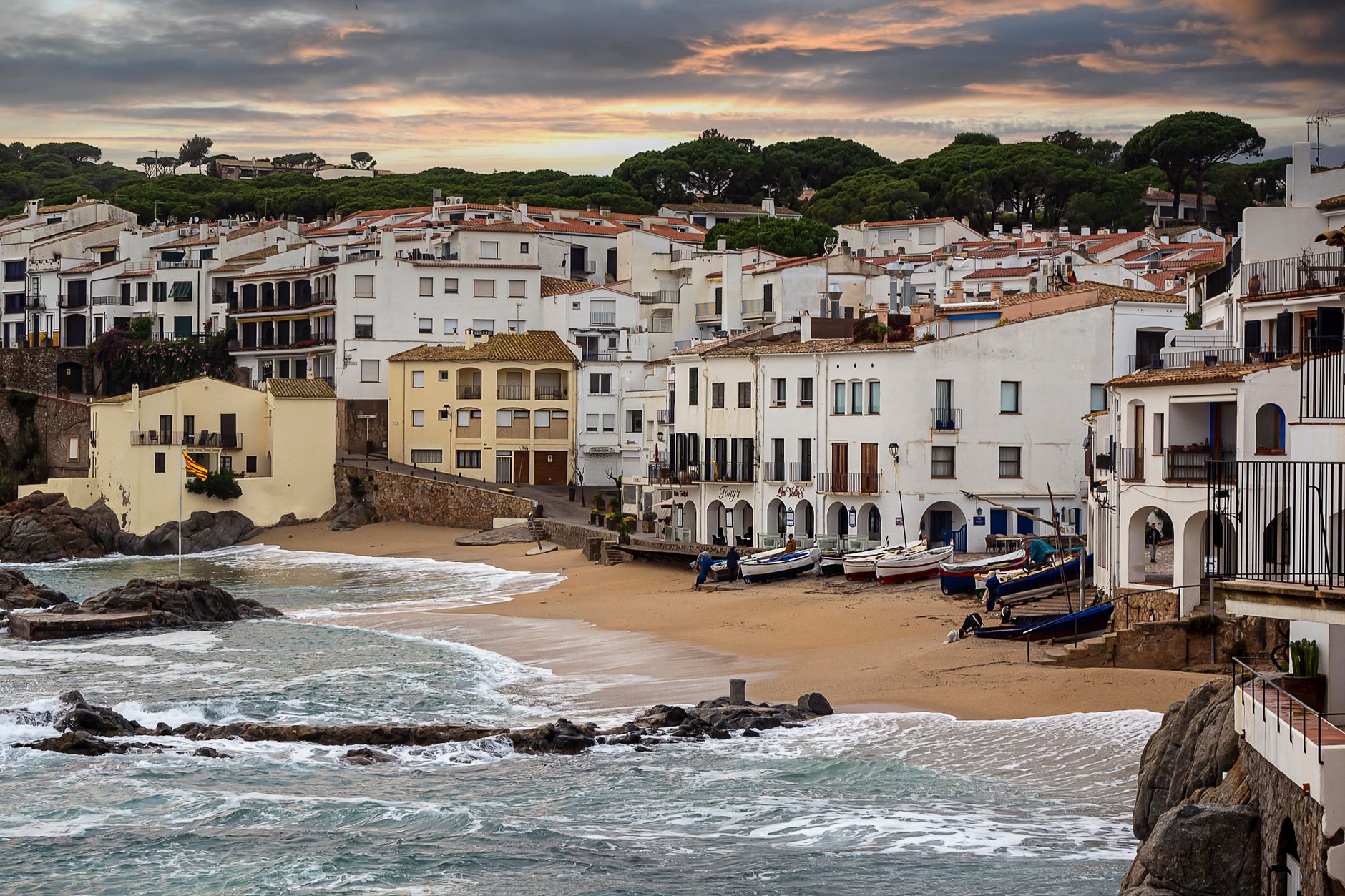
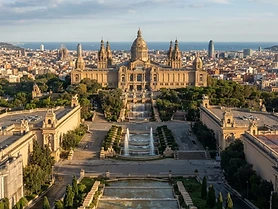
Barcelona is the anchor and most trips never leave it, which is a mistake but not a fatal one: Girona, Tarragona and the Costa Brava's coves are all within two hours by train or a short drive, and the Empordà behind them holds the best…
Minimum 4 days · better 7-8 days · deep 2 weeks

In Catalonia





In Catalonia





In Catalonia


















Logistics are verified only. We don't publish schedules we haven't confirmed.
Ready to build Cap de Creus into a trip?
You've found a place worth going. When you're ready to turn discovery into an itinerary, Travel Itinerary Co picks up where the Field Guide leaves off — with your saved places already in hand.
Build this into a tripContinues on Travel Itinerary Co
Spain Field Guide may earn a commission when you book through selected links. Recommendations are editorial and independent of commission.