Cava DO

Take the Sant Sadurní d'Anoia winery tour (Codorníu's cellars are a Modernista gem). Then seek out the grower-cavas (Recaredo, Gramona) — they're why sommeliers have rediscovered cava.
Spain's sparkling-wine DO — traditional-method (champagne-method) bubbles from Penedès, the largest such output in the world after Champagne itself. Codorníu and Freixenet are the names; the small grower-cavas are the finds.
At a Glance
- — You dismiss sparkling wine as just for toasts
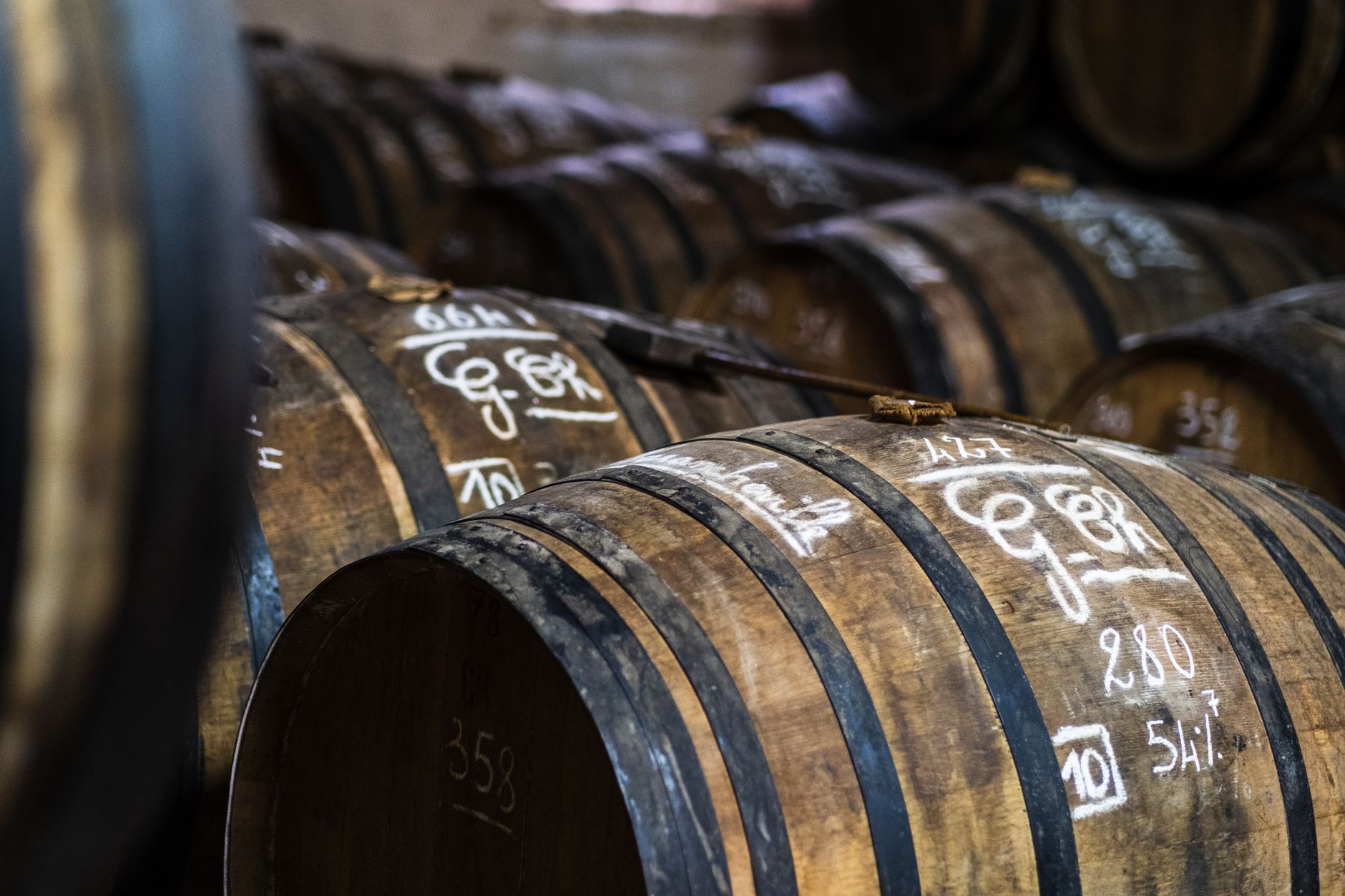
Beneath the limestone hills of Penedès, miles of dark, subterranean tunnels hold millions of bottles of sparkling wine resting on their lees. While the vast industrial estates are well-known, the true character of this origin is found in small, family-run grower-cavas where manual harvesting and extended aging have elevated the traditional method to a fine art. The wines here range from sharp, bracingly acidic sparklers to complex, toasted reserves that hold their own against any French counterpart. Exploring these cellars reveals the meticulous, quiet craftsmanship required to transform simple grapes into world-class bubbles.
How it got here
Winemaking in the Penedès dates to the arrival of the Phoenicians, though the production of sparkling wine using the traditional method began in the late nineteenth century. Josep Raventós produced the first commercial batch in 1872 after observing champagne techniques in France. The subsequent establishment of a dedicated regulatory body unified production standards under the Cava denomination. Producers transitioned from large industrial output toward specific geographical demarcations and strict aging requirements in recent decades. This shift highlights a movement away from bulk production toward distinct estate-bottled wines, prioritizing the specific limestone soil profiles and ancestral grape varieties that define the character of these subterranean cellars.
Where it sits
The terrain transitions from the Mediterranean coast to the coastal mountains where limestone hills dictate the viticulture. Underground limestone strata maintain stable temperatures year-round, which allows for the long maturation of bottles in near darkness. Roads wind through terraced vineyards and small stone-built villages that sit among the vines. The climate remains mild for most of the year, though summer brings intense heat that necessitates canopy management in the rows. Traffic flows inland from the coast to reach these sites, which stay quiet during the quiet winter months before the spring pruning cycle begins again.
What to eat and drink
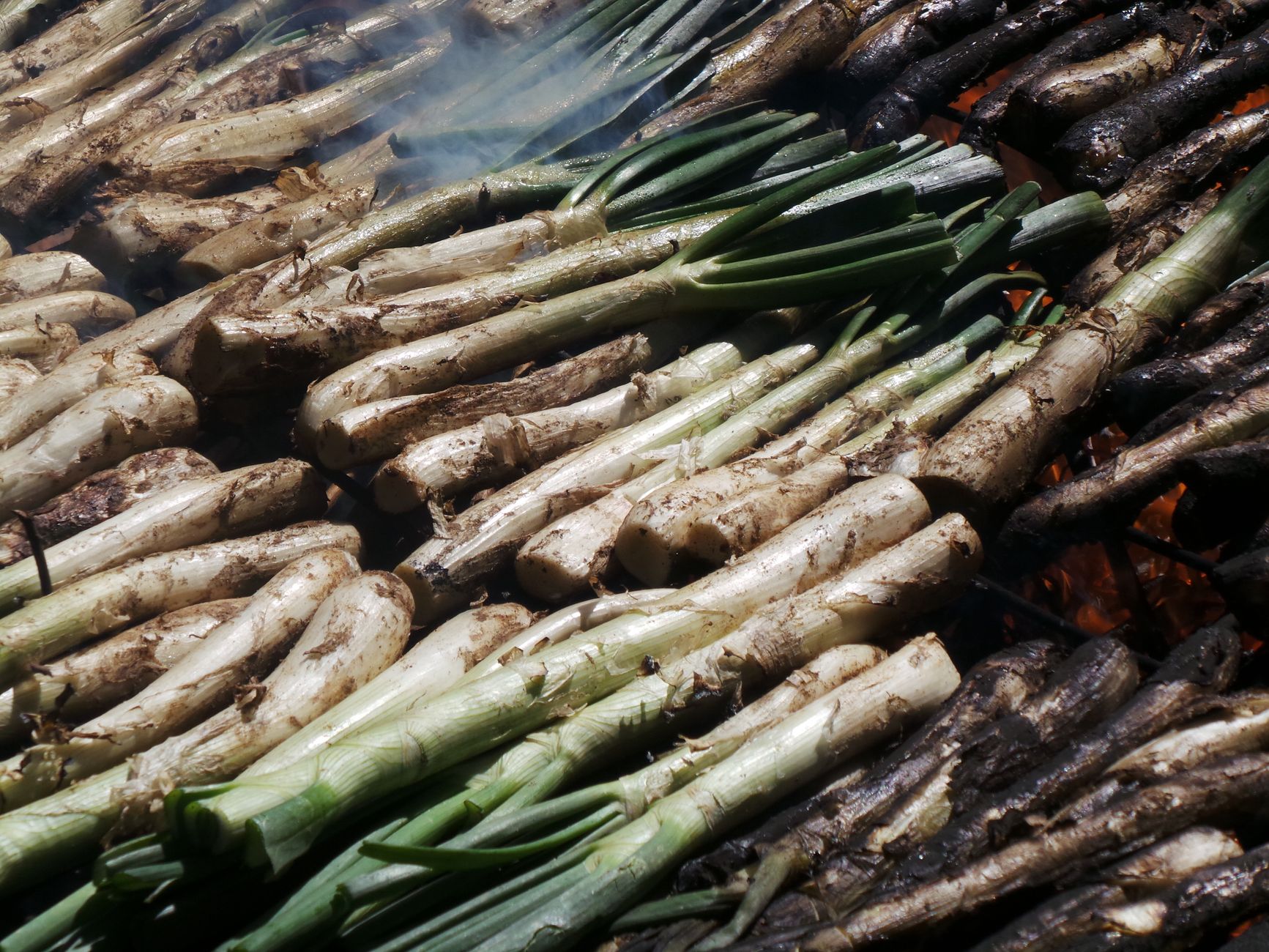
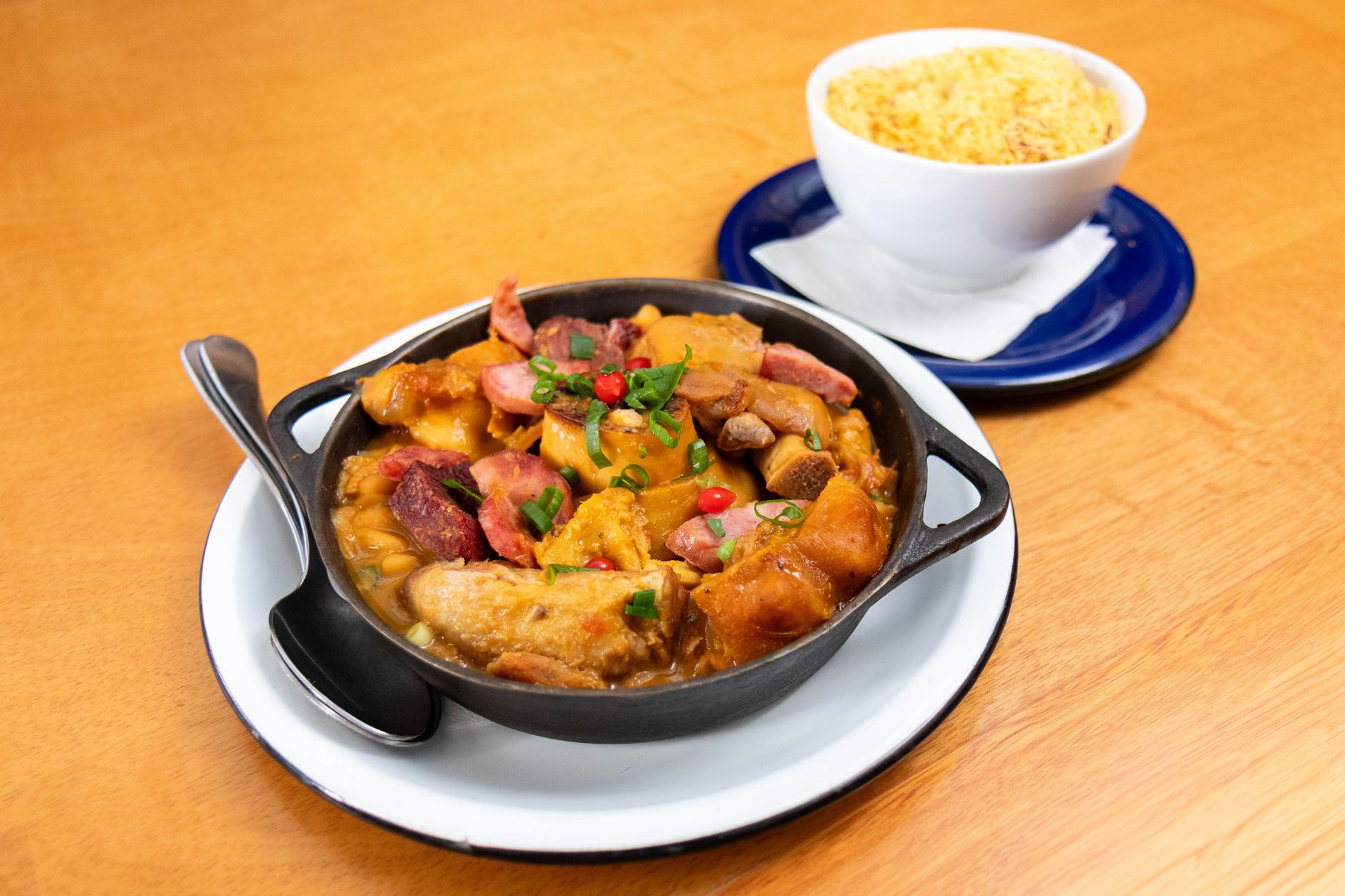
Meals in the Penedès follow the traditions of inland Catalonia. Xató is the signature salad, made with endive, salted cod, tuna, and anchovies, dressed in a thick sauce of toasted almonds, hazelnuts, garlic, and nyora peppers. Suquet de peix, a fisherman stew using the catch from the nearby coast, is common. Producers pour their own Cava, which ranges from brut nature to long-aged gran reserva styles. The local produce also centers on seasonal calçots, which are sweet green onions charred over open wood fires and dipped in romesco sauce during the cold months.
Catalonia: the whole region
Barcelona is the anchor and most trips never leave it, which is a mistake but not a fatal one: Girona, Tarragona and the Costa Brava's coves are all within two hours by train or a short drive, and the Empordà behind them holds the best…
Minimum 4 days · better 7-8 days · deep 2 weeks
What's Nearby


Pair It With

In Catalonia





In Catalonia



In Catalonia





















Logistics are verified only. We don't publish schedules we haven't confirmed.
Ready to build Cava DO into a trip?
You've found a place worth going. When you're ready to turn discovery into an itinerary, Travel Itinerary Co picks up where the Field Guide leaves off — with your saved places already in hand.
Build this into a tripContinues on Travel Itinerary Co
Spain Field Guide may earn a commission when you book through selected links. Recommendations are editorial and independent of commission.