Sant Climent de Taüll

Come for the projection rather than the painting: the Pantocrator is mapped back onto the apse, and the reconstruction is convincing enough to be worth the ticket on its own. Twenty minutes, or fifteen if the loop is already running — check the slot times when you buy.
The finest of the Vall de Boí's Romanesque churches, whose 12th-century Pantocrator — the most reproduced image in Catalan art, now in Barcelona's MNAC — is projected back onto the apse in a video mapping that rebuilds the whole painted interior.
Santa María de Taüll · Aigüestortes i Estany de Sant Maurici
At a Glance
Perched in the high Pyrenees, this 12th-century Lombard church is defined by the powerful, projected image of the original Pantocrator frescoes on its apse. The stone walls are cold and damp, maintaining an ancient, mountain-air stillness that has survived for centuries. It is a place where modern technology and medieval faith intersect, allowing visitors to see the masterful, expressive colors of the original paintings in the exact setting for which they were created.
How it got here
Consecrated in 1123, this church serves as a primary example of the Romanesque style prevalent across the Vall de Boí. The construction belongs to an era when local nobility and the church hierarchy solidified their grip on the Pyrenees. Lombard artisans executed the exterior masonry, a technique defined by blind arches and decorative lesenes. While the original frescoes moved to the Museu Nacional d'Art de Catalunya during the early twentieth century to protect them from decay, they defined the local identity for centuries. The building persists as a physical record of the medieval frontier between the Christian north and the Islamic south, where faith acted as a central pillar of communal life.
Where it sits
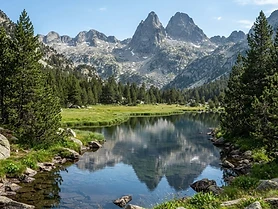
The church sits within the steep-walled valley of the Noguera de Tor river. High peaks of the Pyrenees surround the village, keeping the winters long and the air thin. Access involves narrow roads that wind through dense forests of pine and fir. Summer brings cooler temperatures and intense light that emphasizes the texture of the rough stone. In autumn, the foliage turns deep ochre before the first snowfalls settle on the slate roofs. The silence of the high mountains dominates the valley, broken only by the sound of water moving through the rocky stream beds that cut the landscape.
What to eat and drink
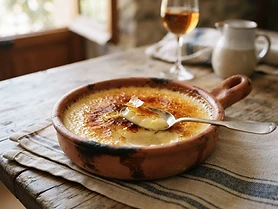
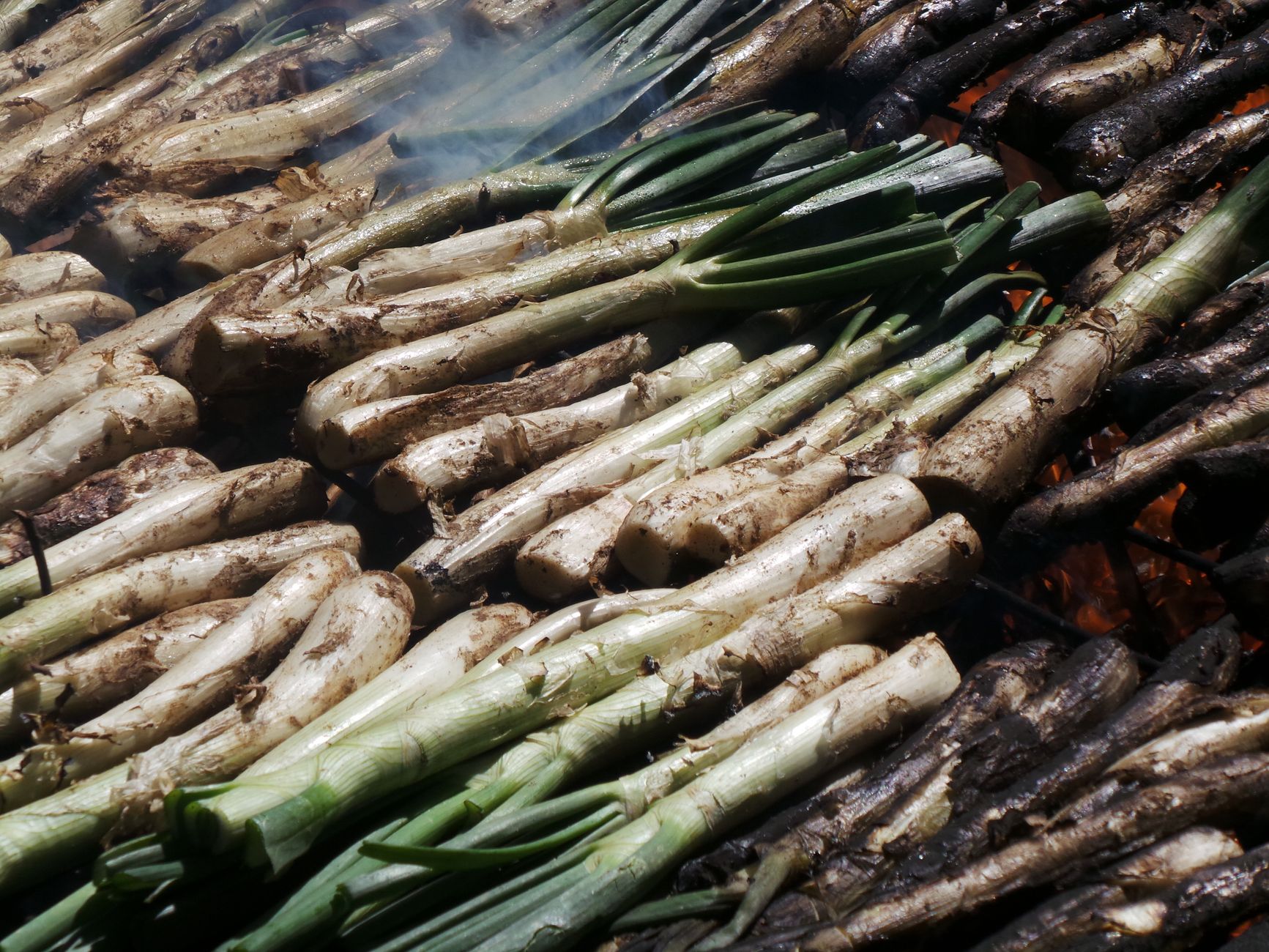
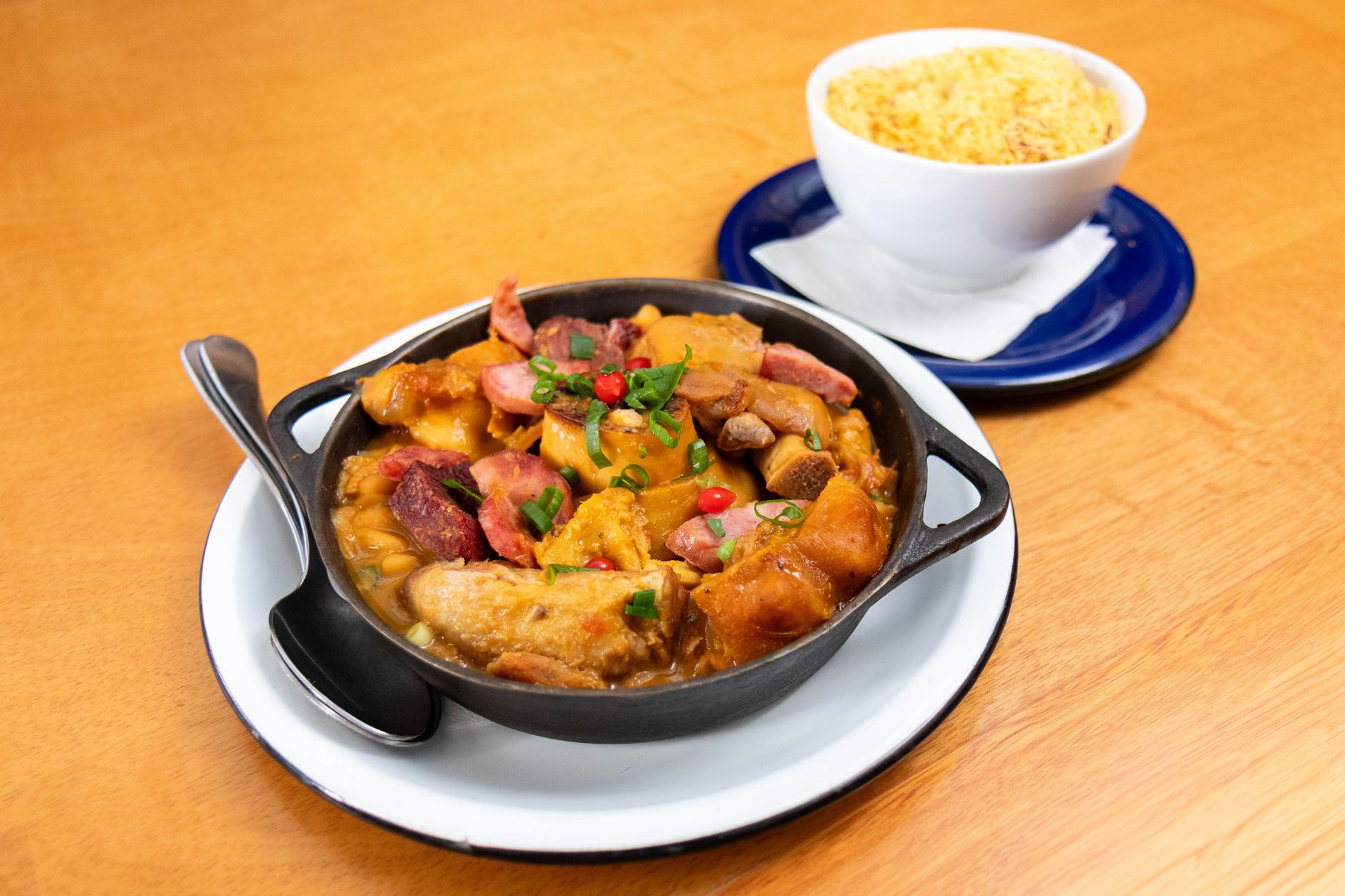
Cuisine here draws from the rugged mountain pastures. Xolís, a dry-cured pork sausage seasoned with salt and pepper, defines the local charcuterie. Escudella i carn d'olla, a hearty broth boiled with vegetables, pulses, and large meatballs, provides sustenance during the cold months. Stewed game, particularly wild boar caught in the surrounding hills, appears frequently on tables. For dessert, crespells, simple fried dough cakes, accompany glasses of local fruit liqueurs or robust red wines from the nearby Costers del Segre vineyards. The food reflects a reliance on what the livestock and high-altitude soil provide, favoring simple preparations that withstand the mountain climate.
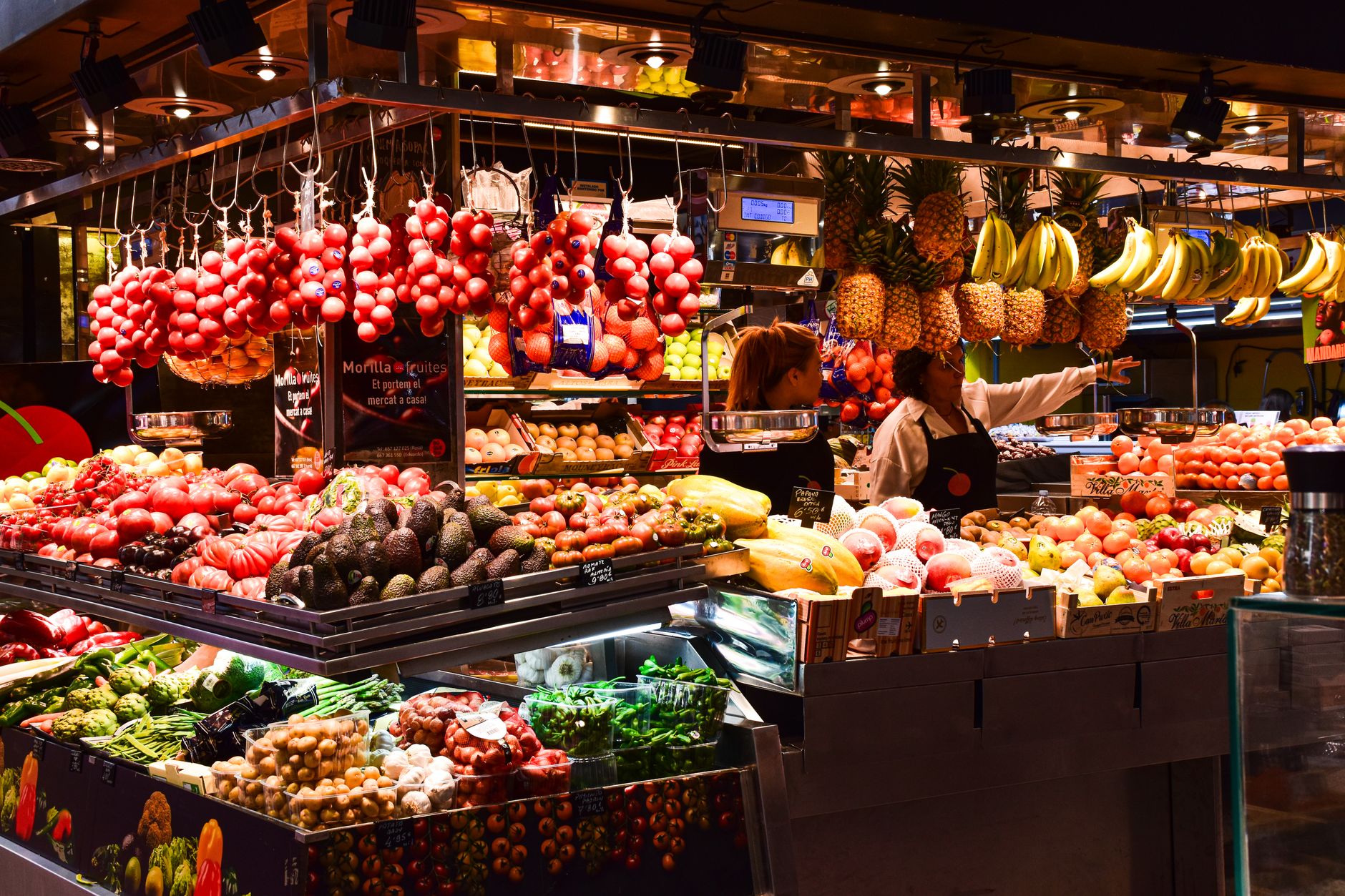
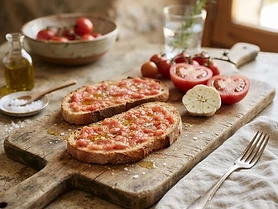
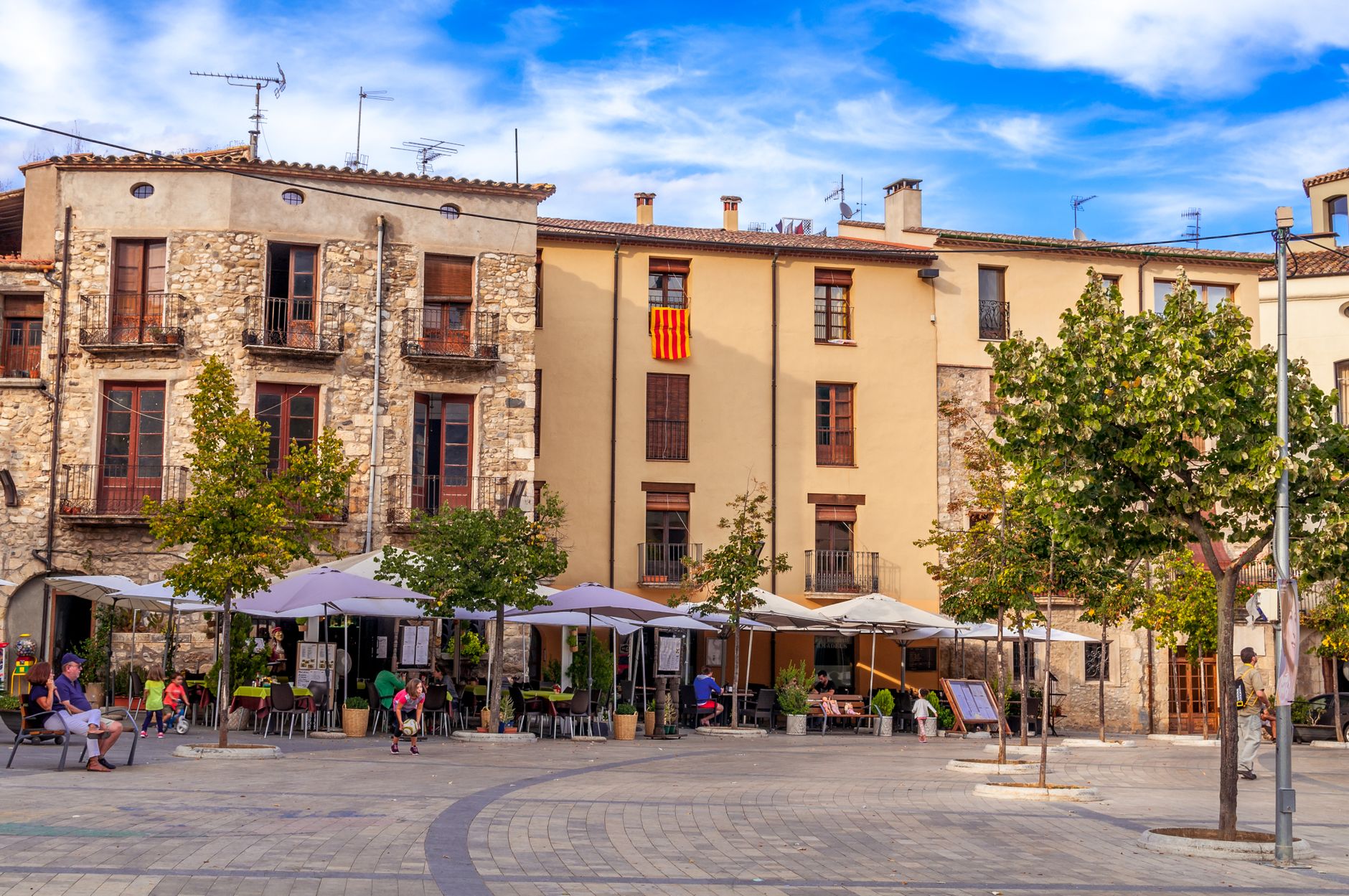
Catalonia: the whole region
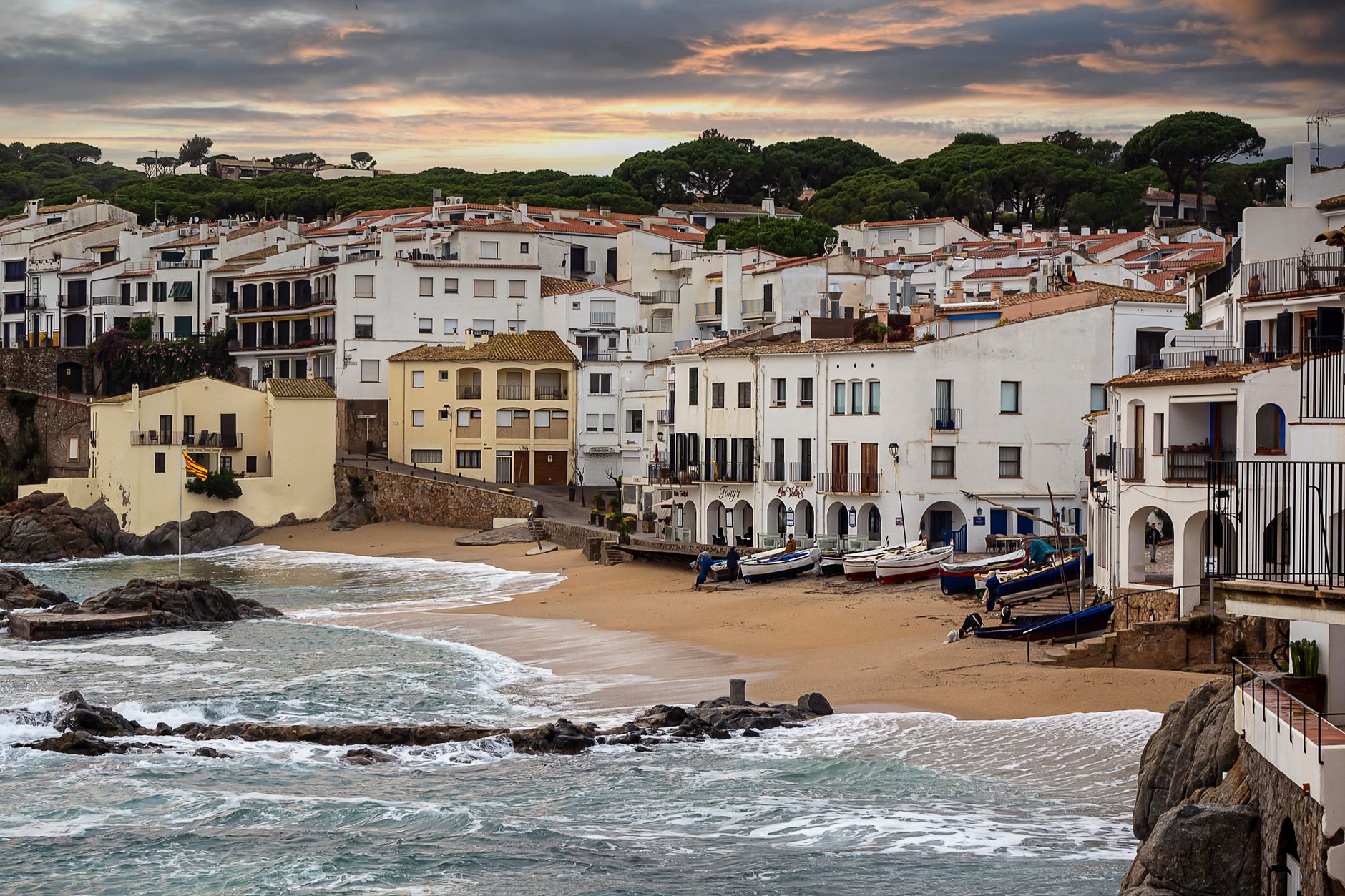
Barcelona is the anchor and most trips never leave it, which is a mistake but not a fatal one: Girona, Tarragona and the Costa Brava's coves are all within two hours by train or a short drive, and the Empordà behind them holds the best…
Minimum 4 days · better 7-8 days · deep 2 weeks
What's Nearby


In Catalonia





In Catalonia




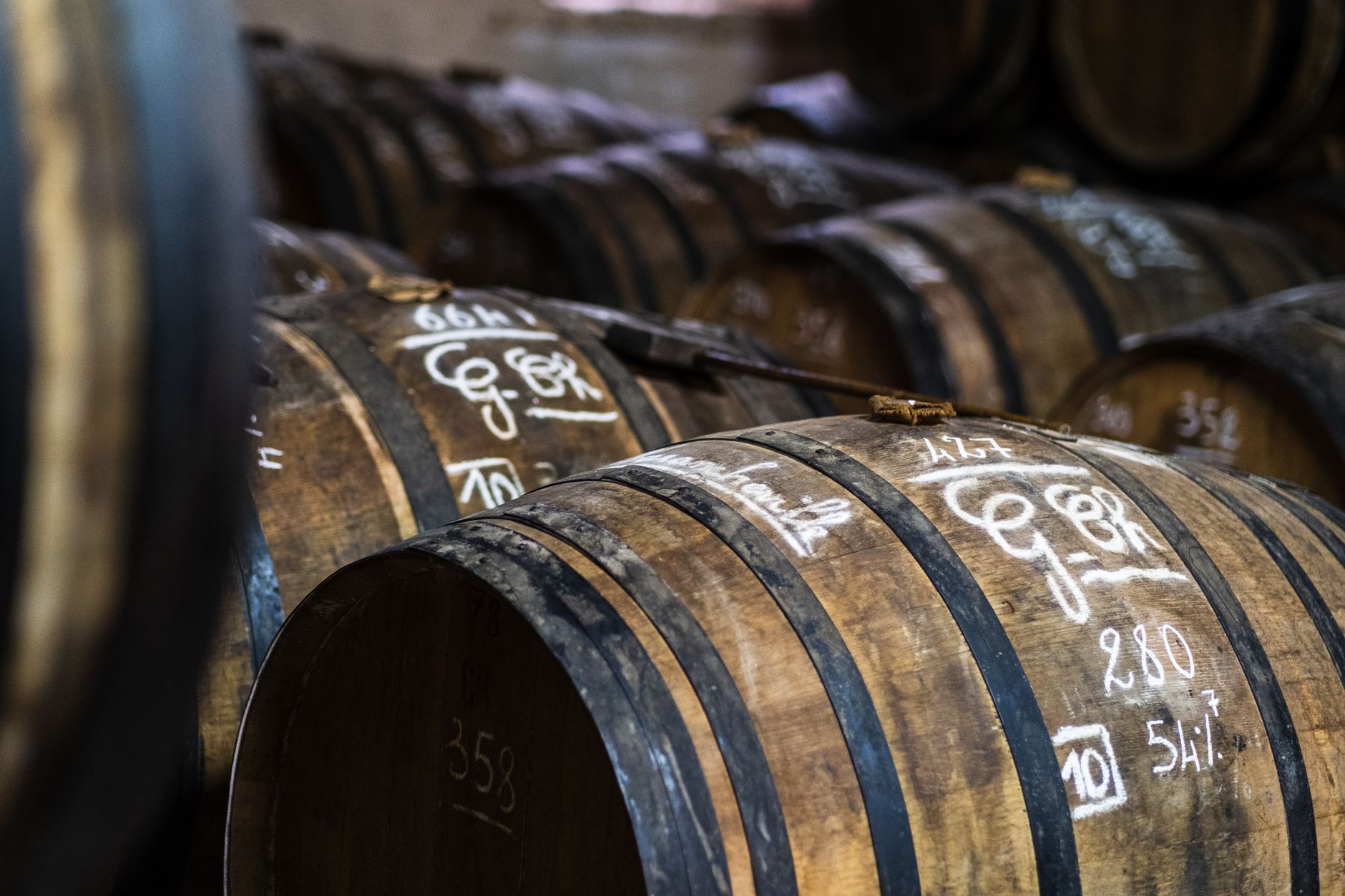

In Catalonia


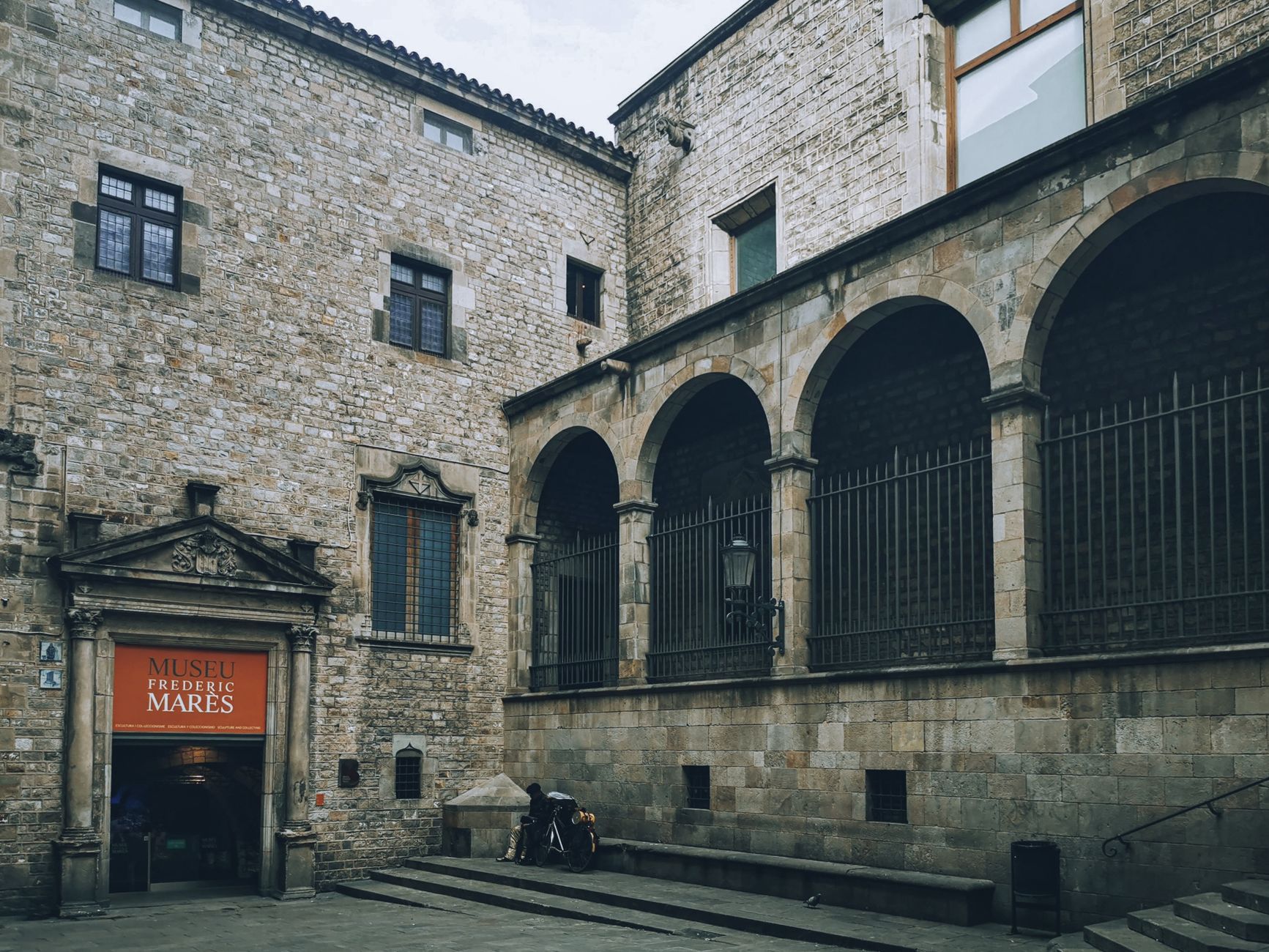
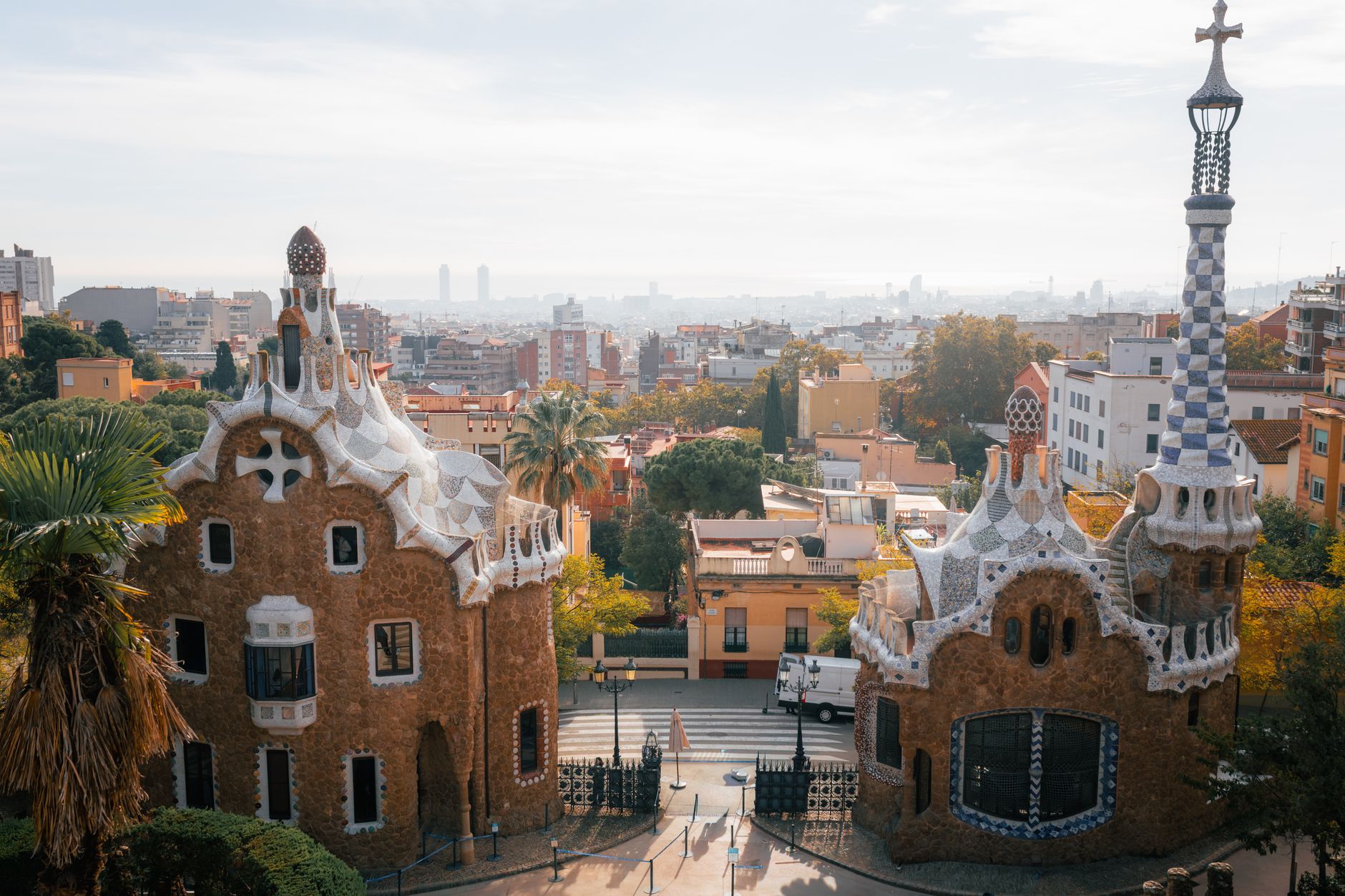
















Logistics are verified only. We don't publish schedules we haven't confirmed.
Ready to build Sant Climent de Taüll into a trip?
You've found a place worth going. When you're ready to turn discovery into an itinerary, Travel Itinerary Co picks up where the Field Guide leaves off — with your saved places already in hand.
Build this into a tripContinues on Travel Itinerary Co
Spain Field Guide may earn a commission when you book through selected links. Recommendations are editorial and independent of commission.