Crema Catalana
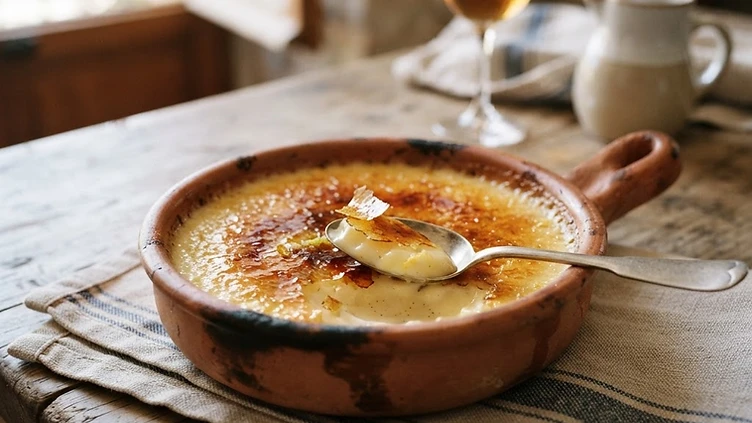
Order it anywhere in Catalonia. The Catalan version is lighter and more citrusy than the French.
Catalonia's answer to crème brûlée — and the original, locals will insist. A lemon-and-cinnamon custard with a torched sugar crust.
At a Glance
- — You don't eat dairy
This classic dessert features a rich, citrus-infused custard protected by a thin, burnt-sugar crust that cracks perfectly under the pressure of a spoon. Unlike its heavier French cousin, the Catalan version leans into notes of lemon zest and cinnamon, providing a lighter, more refreshing finish to a meal. It is a simple, ubiquitous staple found in every corner of the region, yet when prepared with fresh milk and high-quality eggs, it stands as the gold standard for regional Spanish sweets.
How it got here
Custard preparations appear in medieval cookbooks from the Catalan linguistic sphere, notably in the Llibre de Sent Soví. These early texts detail thickened dairy mixtures sweetened with honey or sugar, establishing a tradition of stovetop creams long before the modern custard took form. The specific preparation relies on the infusion of milk with citrus peel and cinnamon, a practice common in domestic kitchens across the Crown of Aragon. While the caramelized finish requires a heated iron tool to sear the sugar, the persistence of the dish relies on the continuity of rural egg and dairy production that sustained households across the Catalan interior for centuries.
Where it sits
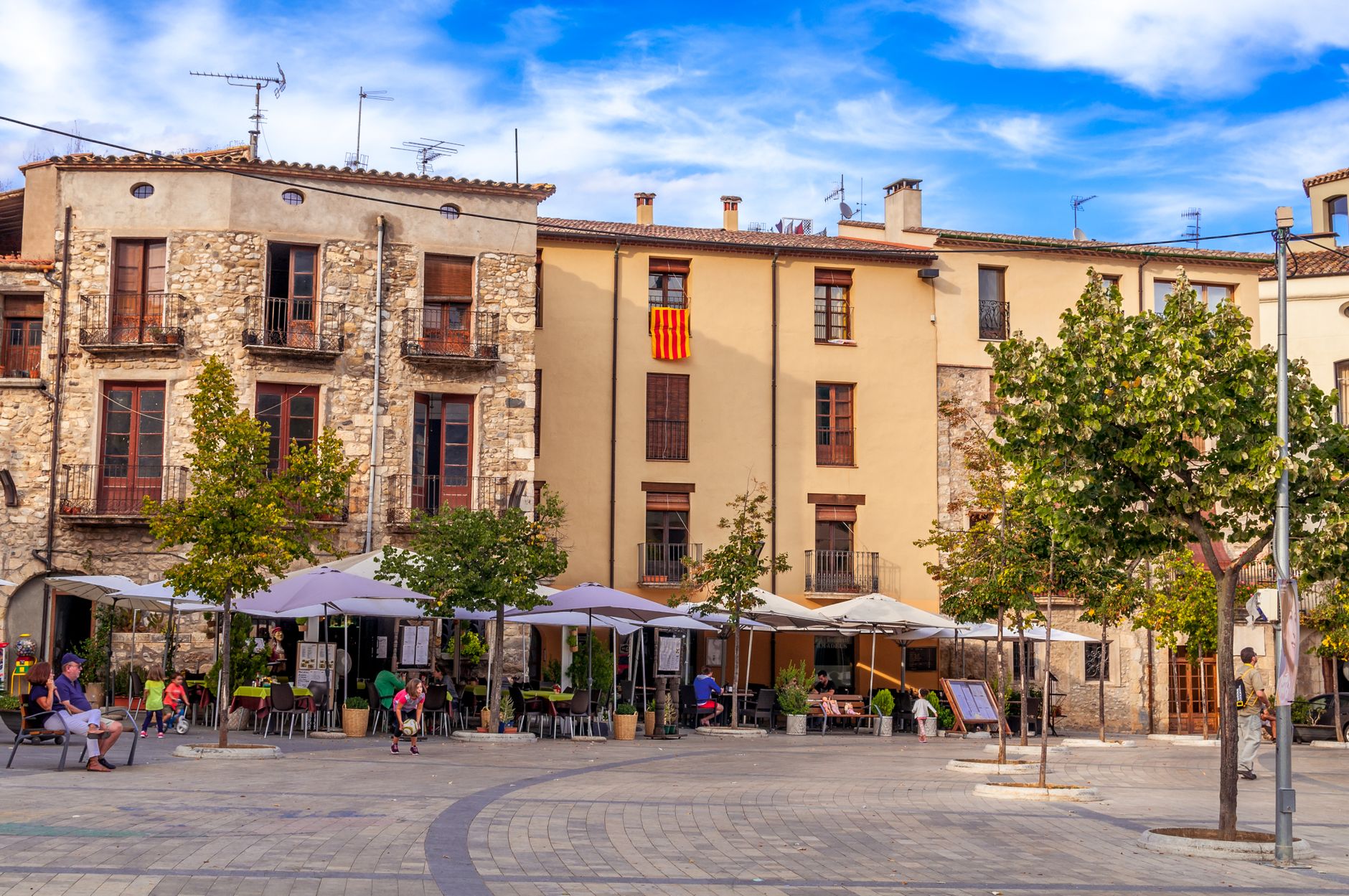
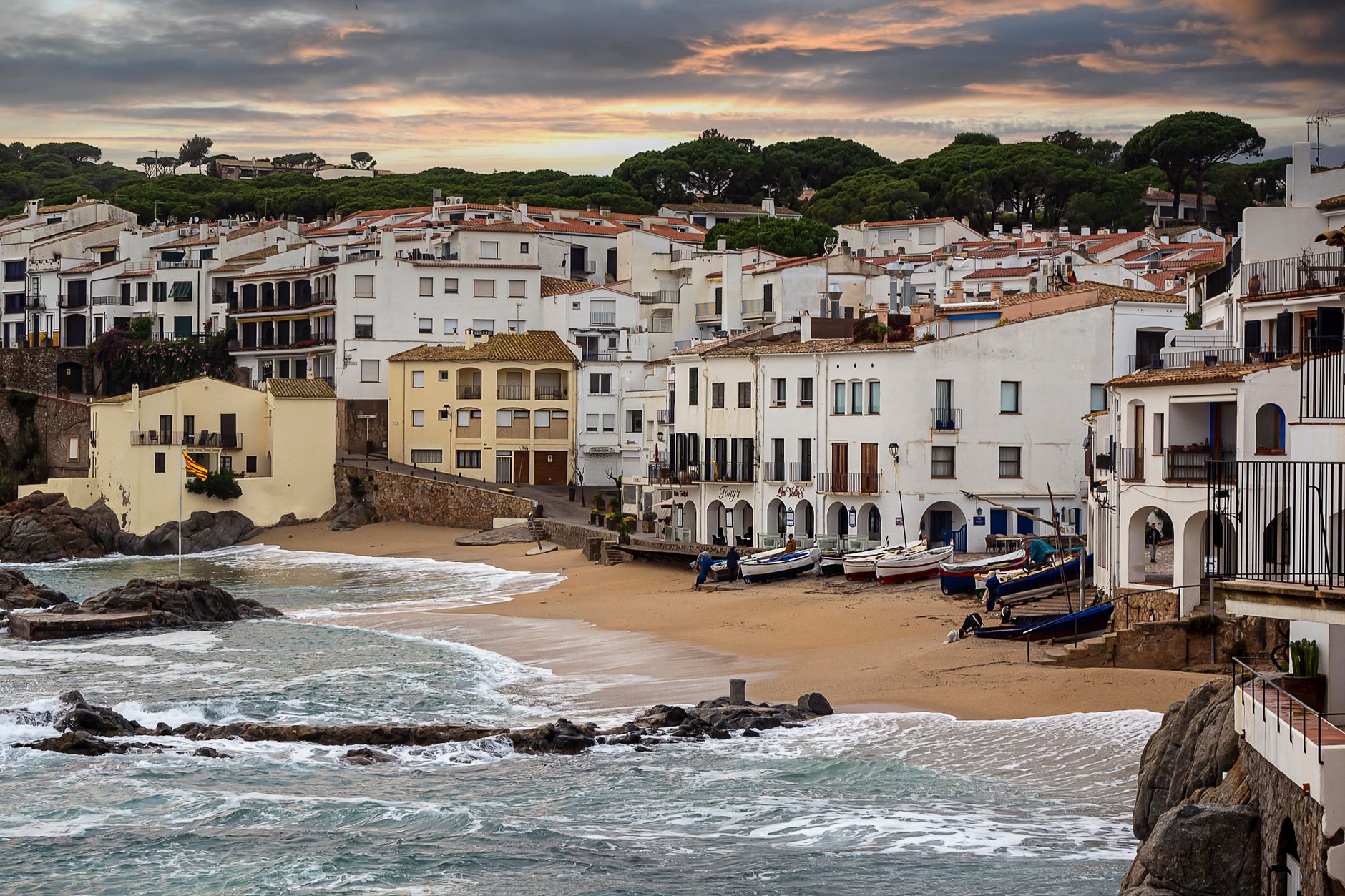
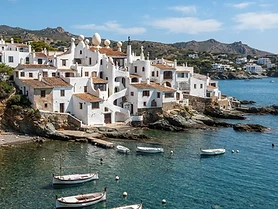
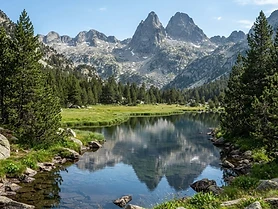
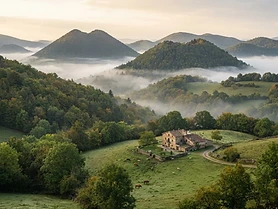
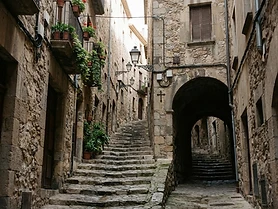
The Catalan landscape stretches from the Mediterranean coast to the granite peaks of the Pyrenees. Lowland plains produce citrus and almonds, while the upland valleys support livestock and cereal crops. Roads wind through terraced hillsides and scrubland where the heat of summer gives way to sudden storms in the autumn. Towns sit at the base of rocky ridges, surrounded by vineyards and olive groves that dictate the rhythm of the harvest. Visitors move between dense coastal cities and sparse inland villages where the stone architecture absorbs the sun and keeps the interior spaces cool during the long afternoons.
What to eat and drink
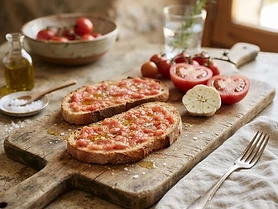
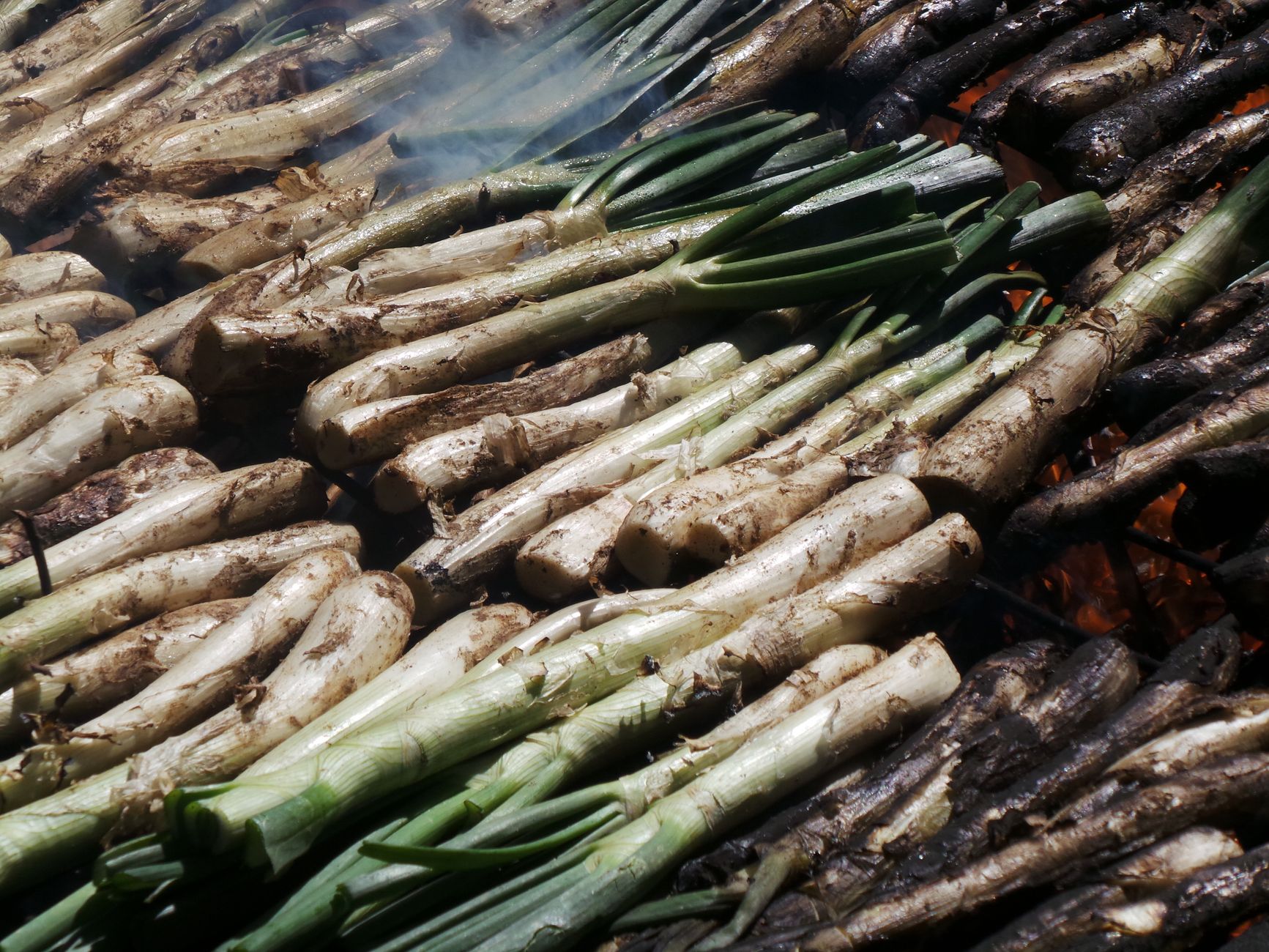
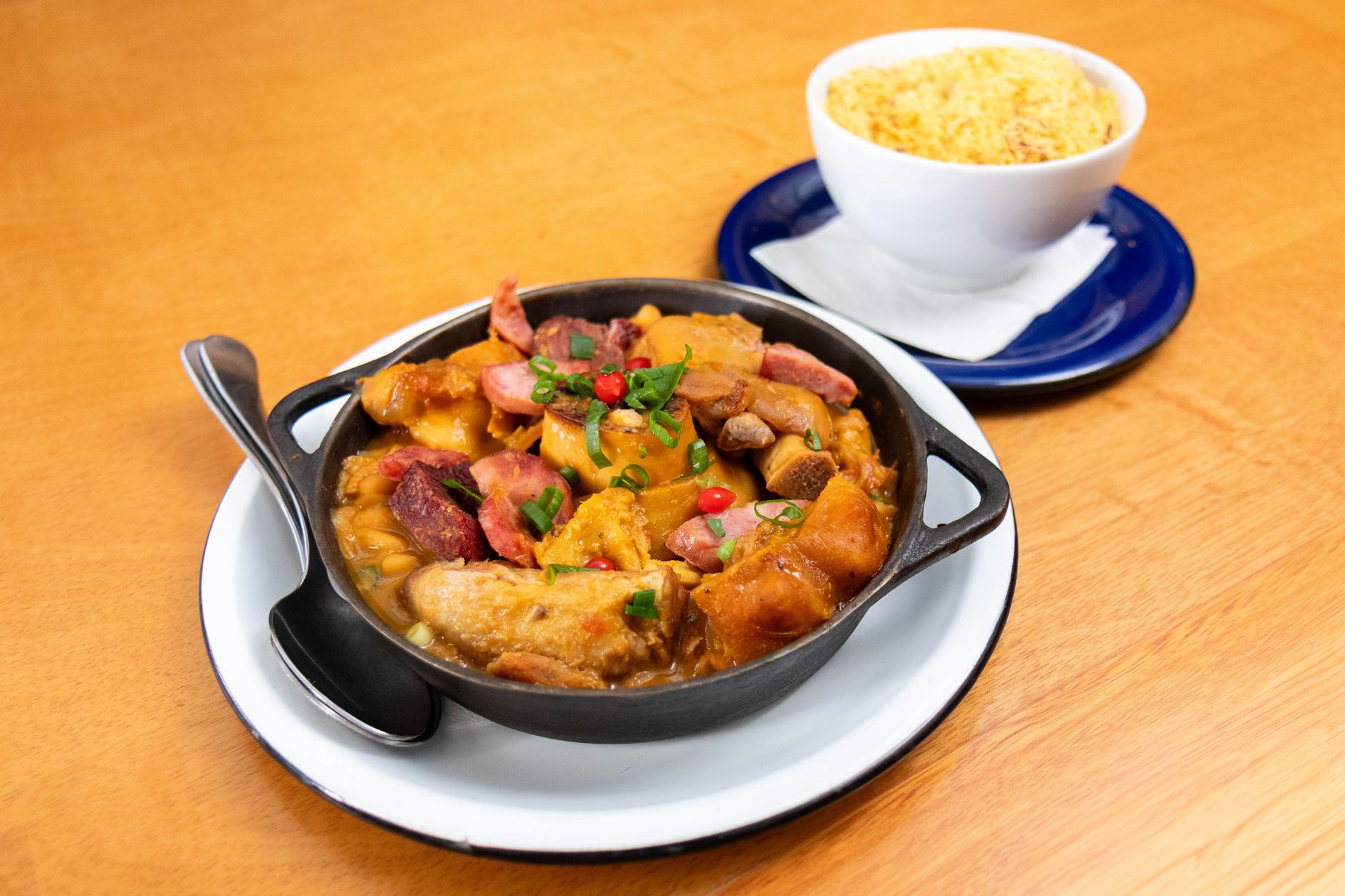
Crema Catalana sits on the table after a meal of escalivada, flame-roasted peppers, eggplant and onions dressed with olive oil. Escudella i carn d'olla, a heavy stew of meats and vegetables served in two courses, precedes it in cooler months. Butifarra, a seasoned pork sausage grilled over wood embers, provides a common main course alongside bread rubbed with tomato and garlic. A glass of cava, the sparkling wine from the Penedès vineyards, accompanies the meal, followed by a small cup of dark coffee as the final addition to the long service of food.
Catalonia: the whole region
Barcelona is the anchor and most trips never leave it, which is a mistake but not a fatal one: Girona, Tarragona and the Costa Brava's coves are all within two hours by train or a short drive, and the Empordà behind them holds the best…
Minimum 4 days · better 7-8 days · deep 2 weeks


Pair It With


In Catalonia




In Catalonia





In Catalonia





















Linked from elsewhere
Entries that name this place in their own nearby lists.
Logistics are verified only. We don't publish schedules we haven't confirmed.
Ready to build Crema Catalana into a trip?
You've found a place worth going. When you're ready to turn discovery into an itinerary, Travel Itinerary Co picks up where the Field Guide leaves off — with your saved places already in hand.
Build this into a tripContinues on Travel Itinerary Co
Spain Field Guide may earn a commission when you book through selected links. Recommendations are editorial and independent of commission.