Priorat

For wine travelers who've done Rioja. Rugged, beautiful, and the llicorella slate gives the wines their edge.
Dramatic slate-terraced hills producing some of Spain's most prized wines, in a remote Catalan valley with a Carthusian monastery. Wilder than Rioja.
At a Glance
- — You want easy, flat vineyards — Priorat is steep and rugged
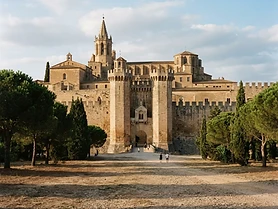
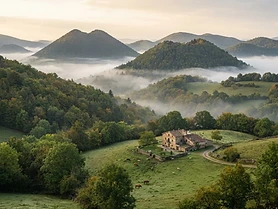
Dramatic, precipitous terraces of dark llicorella slate hold thin, ancient vines that produce wines of incredible concentration and intensity. Tucked into a remote Catalan valley, the region feels wild and untamed, with stone villages clinging to the mountainside beneath the shadow of a medieval Carthusian monastery. It is a rugged, beautiful place for the seasoned wine traveler, demanding long, winding drives through the hills to reach the small, artisan producers who coax magic out of the scorched, mineral-rich earth.
How it got here
Monks from the Scala Dei monastery established the first vineyards here in the twelfth century, bringing viticulture to the llicorella slopes under the grant of King Alfonso II of Aragon. This religious order controlled the land for centuries, defining the social and economic structure of the Priorat comarca until the ecclesiastical confiscations of the nineteenth century broke their hold. Vineyards were largely abandoned following the arrival of the phylloxera pest in the late nineteenth century, leading to a long period of rural depopulation. The region emerged again only in the nineteen eighties when producers rediscovered the potential of the ancient, low-yielding vines embedded in the dark slate soils.
Where it sits
Deep valleys cut through the Montsant range, creating a fractured landscape of vertical slate hills and narrow terraced plots. The terrain demands constant navigation of twisting, narrow roads that climb sharply between the village of Gratallops and the surrounding peaks. Winter brings biting winds from the north, while summer heat bakes the exposed rock faces until the vines wilt. Population density remains low and the silence of the high slopes is rarely broken. Traffic is limited to the infrequent passage of agricultural vehicles or the occasional transit of visitors navigating the switchbacks between isolated stone hamlets.
What to eat and drink
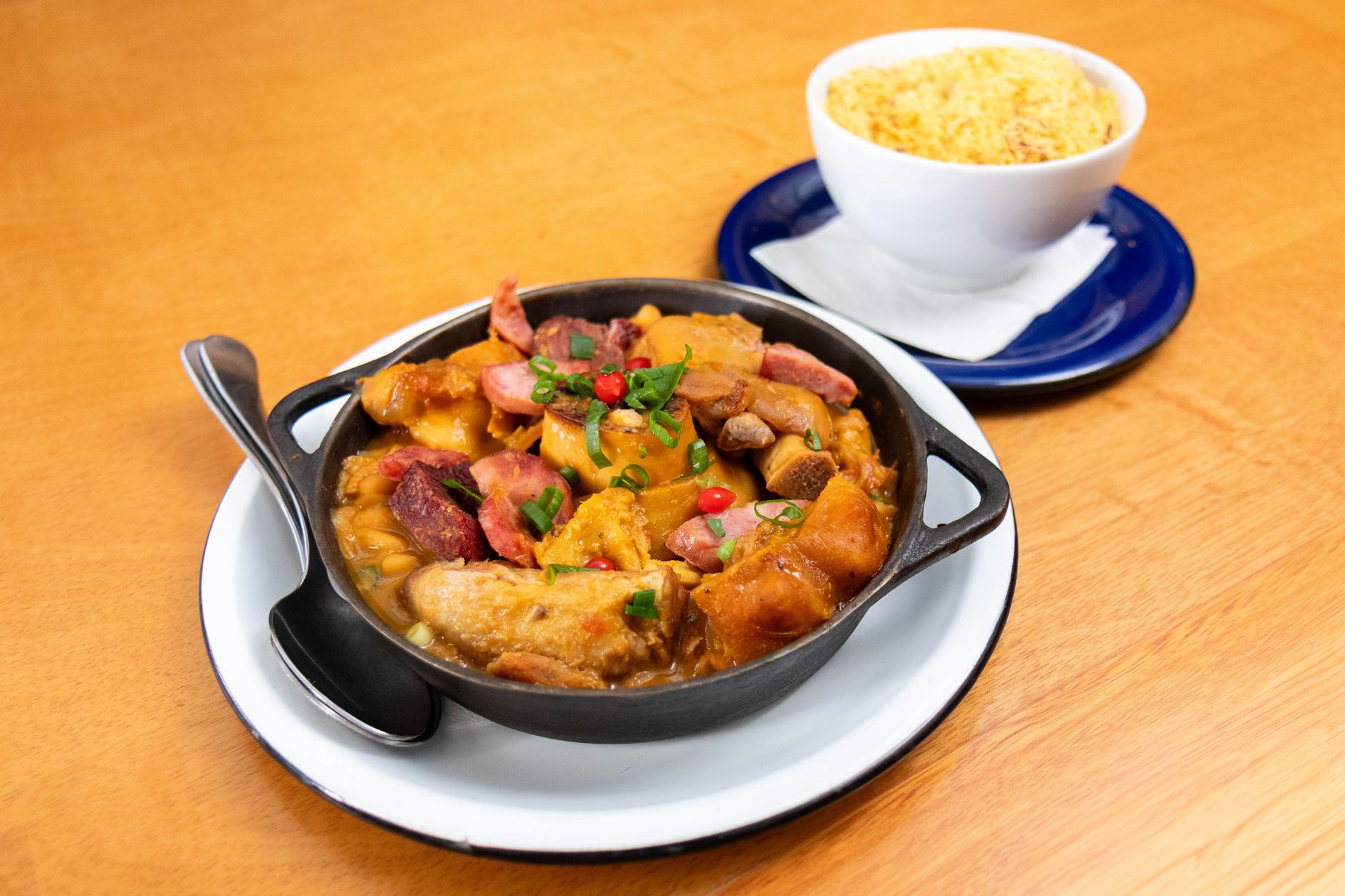
Red wines dominate the local output, typically blended from Garnacha and Cariñena grapes that draw deep mineral notes from the slate bedrock. The traditional diet follows the austere patterns of Catalan mountain life. Esqueixada, a salad of salt cod, tomato, onion and olive oil, provides a cooling contrast to the heavy heat. Rabbit or wild boar stewed with local herbs and seasonal vegetables serves as the heart of most meals. Almonds and hazelnuts from the neighboring groves appear in sauces like picada, a crushed mixture of fried bread, nuts, garlic and parsley used to thicken and flavor slow-cooked braises.
Catalonia: the whole region
Barcelona is the anchor and most trips never leave it, which is a mistake but not a fatal one: Girona, Tarragona and the Costa Brava's coves are all within two hours by train or a short drive, and the Empordà behind them holds the best…
Minimum 4 days · better 7-8 days · deep 2 weeks
What's Nearby

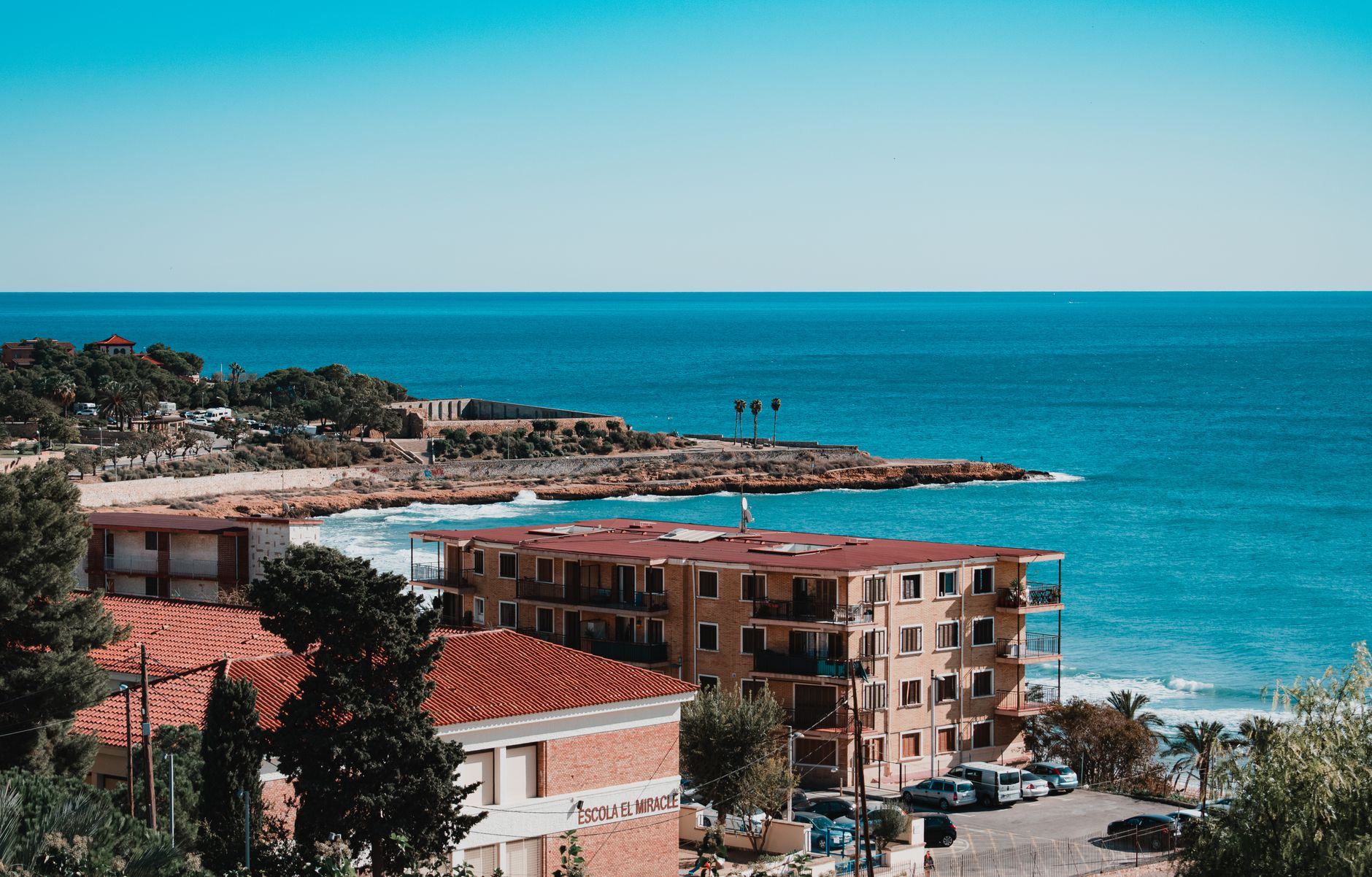

Pair It With

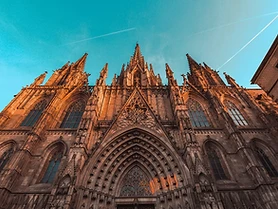
In Catalonia


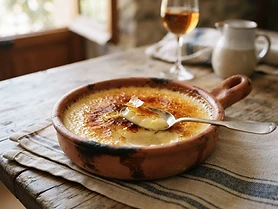
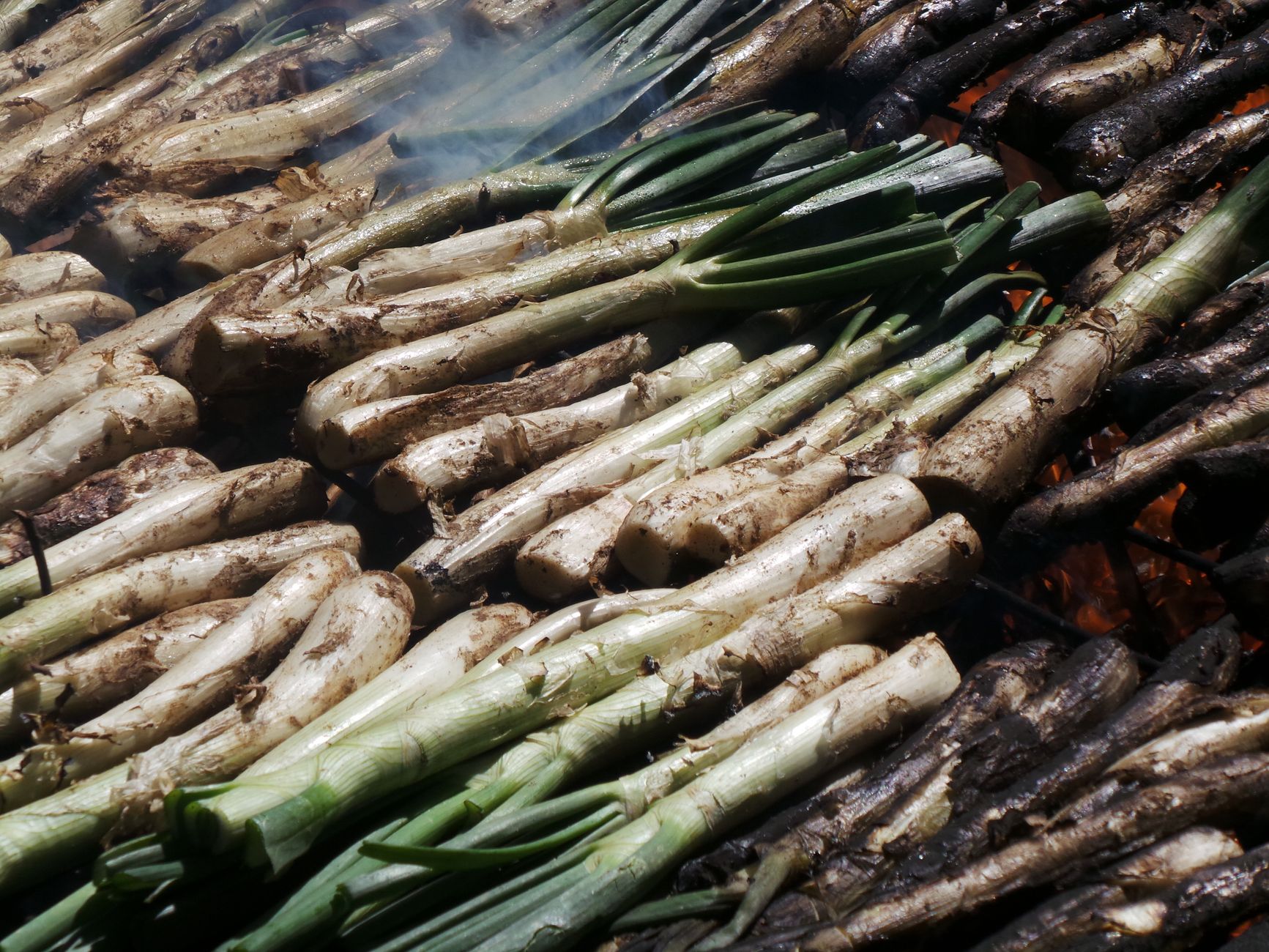



In Catalonia




In Catalonia




















Linked from elsewhere
Entries that name this place in their own nearby lists.

Logistics are verified only. We don't publish schedules we haven't confirmed.
Appears In
Ready to build Priorat into a trip?
You've found a place worth going. When you're ready to turn discovery into an itinerary, Travel Itinerary Co picks up where the Field Guide leaves off — with your saved places already in hand.
Build this into a tripContinues on Travel Itinerary Co
Spain Field Guide may earn a commission when you book through selected links. Recommendations are editorial and independent of commission.