Reus
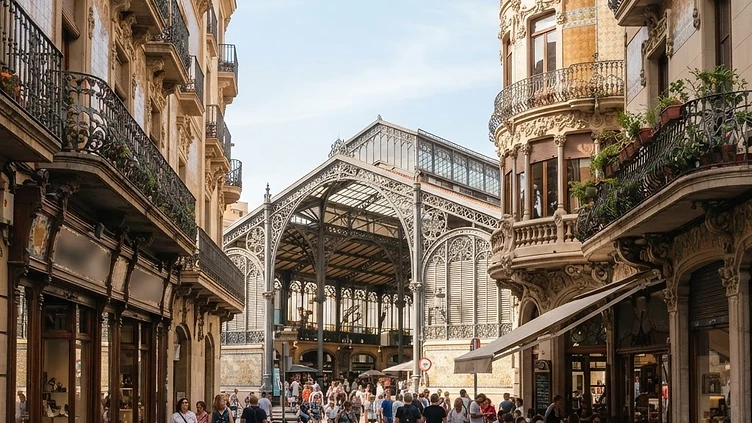
Half a day for the centre, and a proper stop on the way to or from the Priorat. The vermut houses fill between twelve and two; outside those hours the city is quiet.
Vermouth at midday in the place that still drinks it, and a Modernista centre nobody queues for.
At a Glance
- — You are allocating time by headline sights
A Modernista city built on brandy money, with a market, a theatre and a run of ornate shopfronts, and a vermouth culture that is genuinely alive rather than revived for visitors. Gaudi was born here, though nothing of his stands in it. It is also the practical base for the Priorat.
How it got here
Reus rose to wealth through the production and export of brandy and textiles in the eighteenth and nineteenth centuries. The city financed its expansion through this trade, constructing the grid of Modernista streets that defines the current center. Antoni Gaudí was born here in 1852, though the city keeps no buildings by his hand. Instead, architects like Lluís Domènech i Montaner left their marks, creating a commercial hub where the industrial bourgeoisie competed to display their prosperity through stone and glass. The scale of the city architecture demonstrates the commercial power it wielded during the Catalan industrial revolution, acting as a trading nerve center for the surrounding agricultural plains.
Where it sits
The city stands on the Camp de Tarragona, a broad plain of hazelnut groves and vineyards that stretches from the Mediterranean coast to the rugged slopes of the interior. Rain falls sparingly, and the hot sun of the southern Catalan summer drives life into the shade of the narrow streets. The nearby Priorat mountains provide a steep limestone backdrop to the west, rising abruptly from the orchards. Rail lines connect the city to the coastal ports, keeping the pace of the streets brisk. It avoids the intense tourist density of the seaside towns, maintaining a rhythm driven by market cycles and local commerce.
What to eat and drink
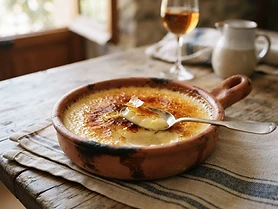
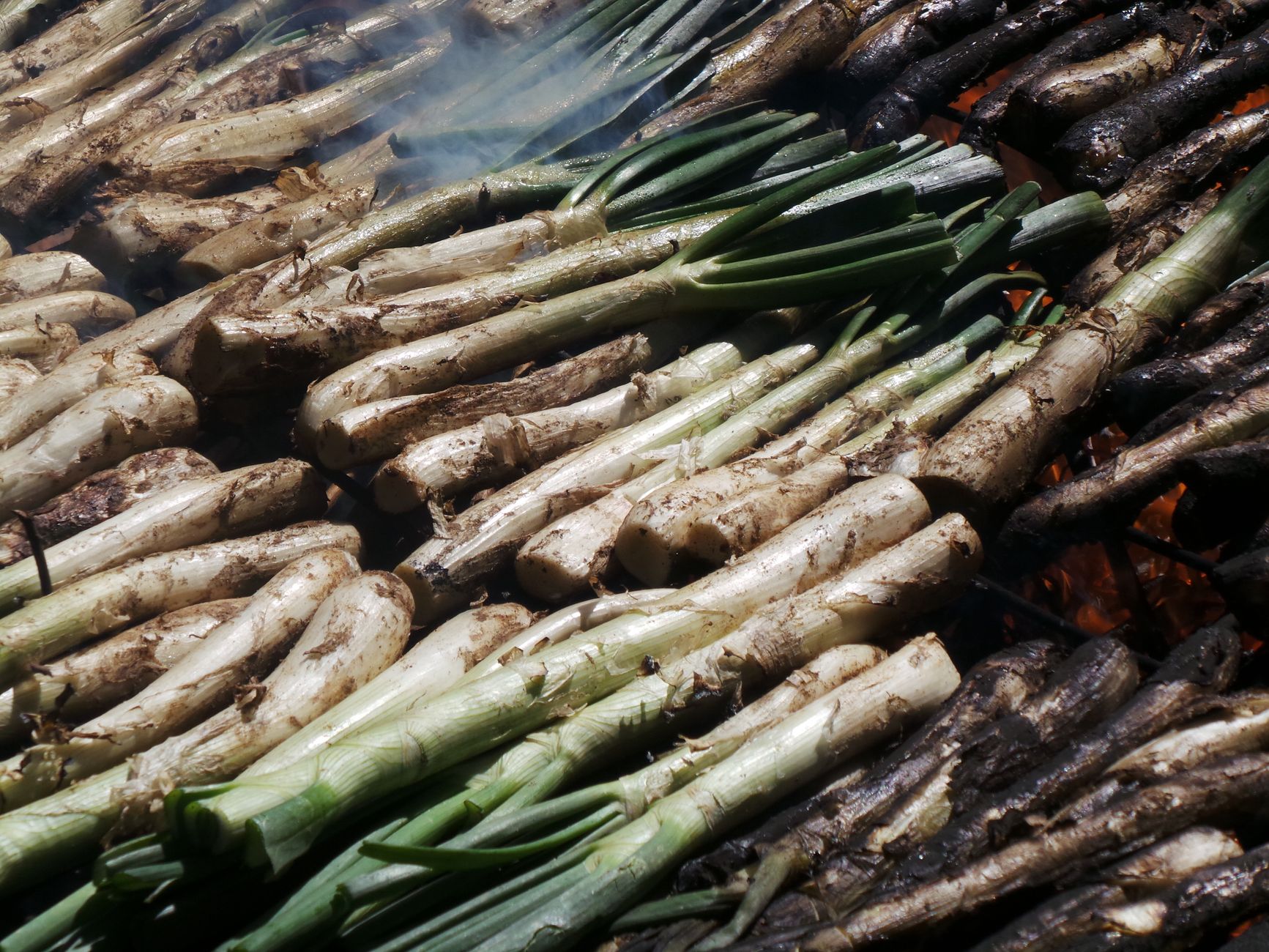
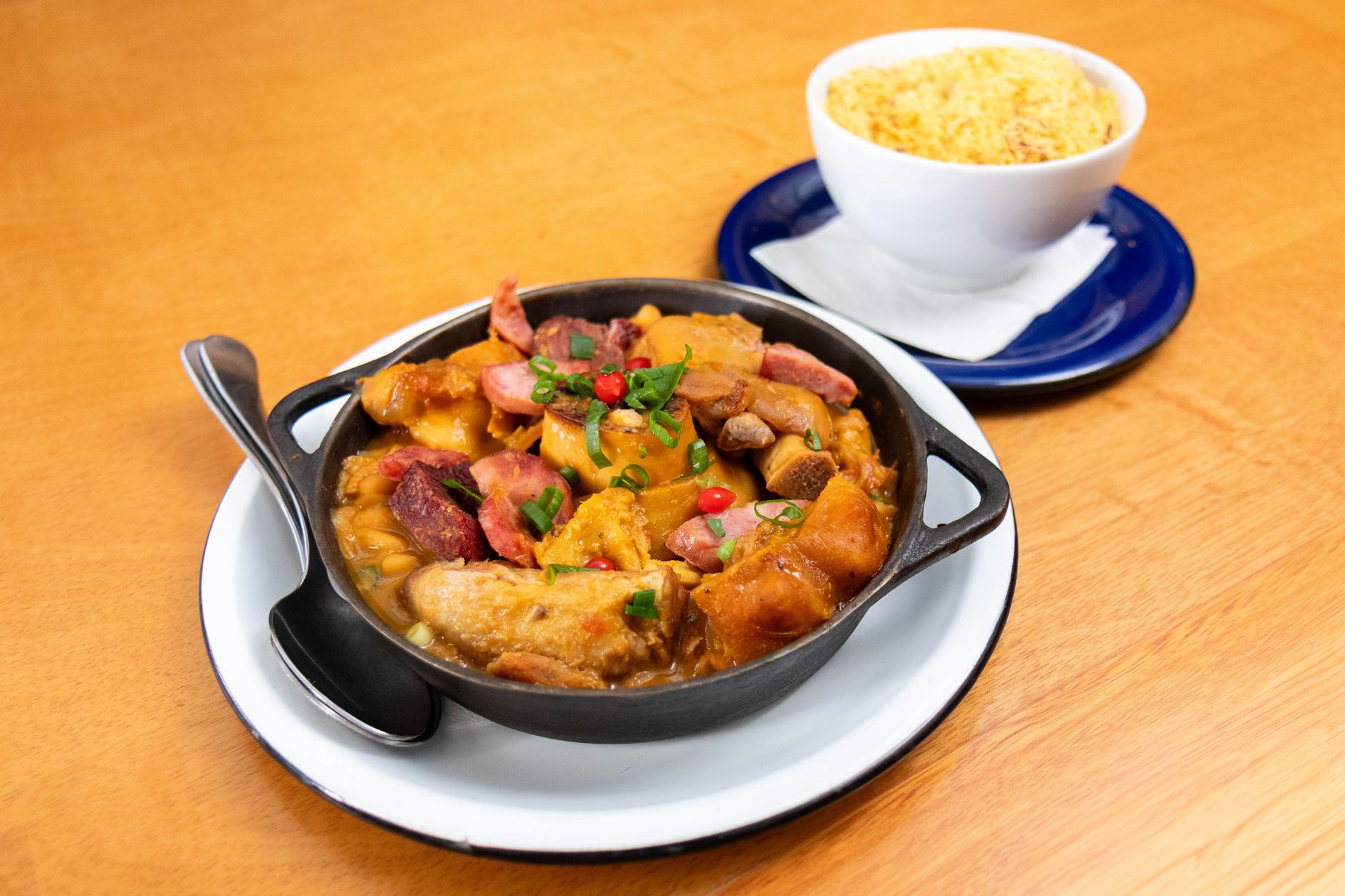
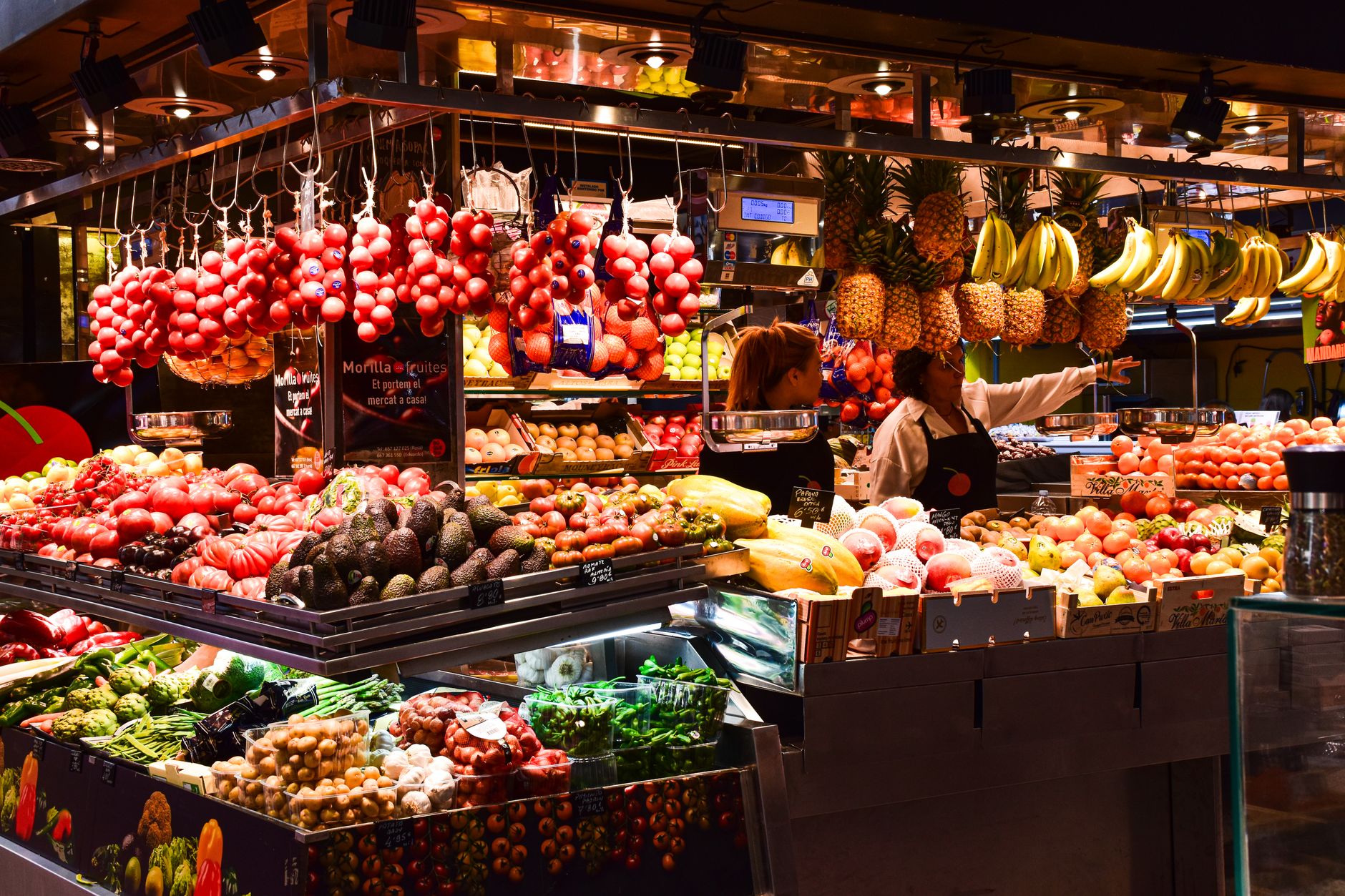
Vermouth drives the social life of the local bars, served with a splash of siphon water and an olive. This fortified wine became a signature industry here due to the city role as a trade node for the Mediterranean wine regions. For food, the menu relies on the local hazelnut, found in both savory sauces like romesco and in traditional almond and nut pastries. The nearby sea provides salted cod, often prepared as esqueixada, a salad of shredded raw cod with peppers, onions, and oil. The surrounding soil produces the heavy red wines of the Priorat, which anchor the dinner table.
Catalonia: the whole region
Barcelona is the anchor and most trips never leave it, which is a mistake but not a fatal one: Girona, Tarragona and the Costa Brava's coves are all within two hours by train or a short drive, and the Empordà behind them holds the best…
Minimum 4 days · better 7-8 days · deep 2 weeks

Pair It With
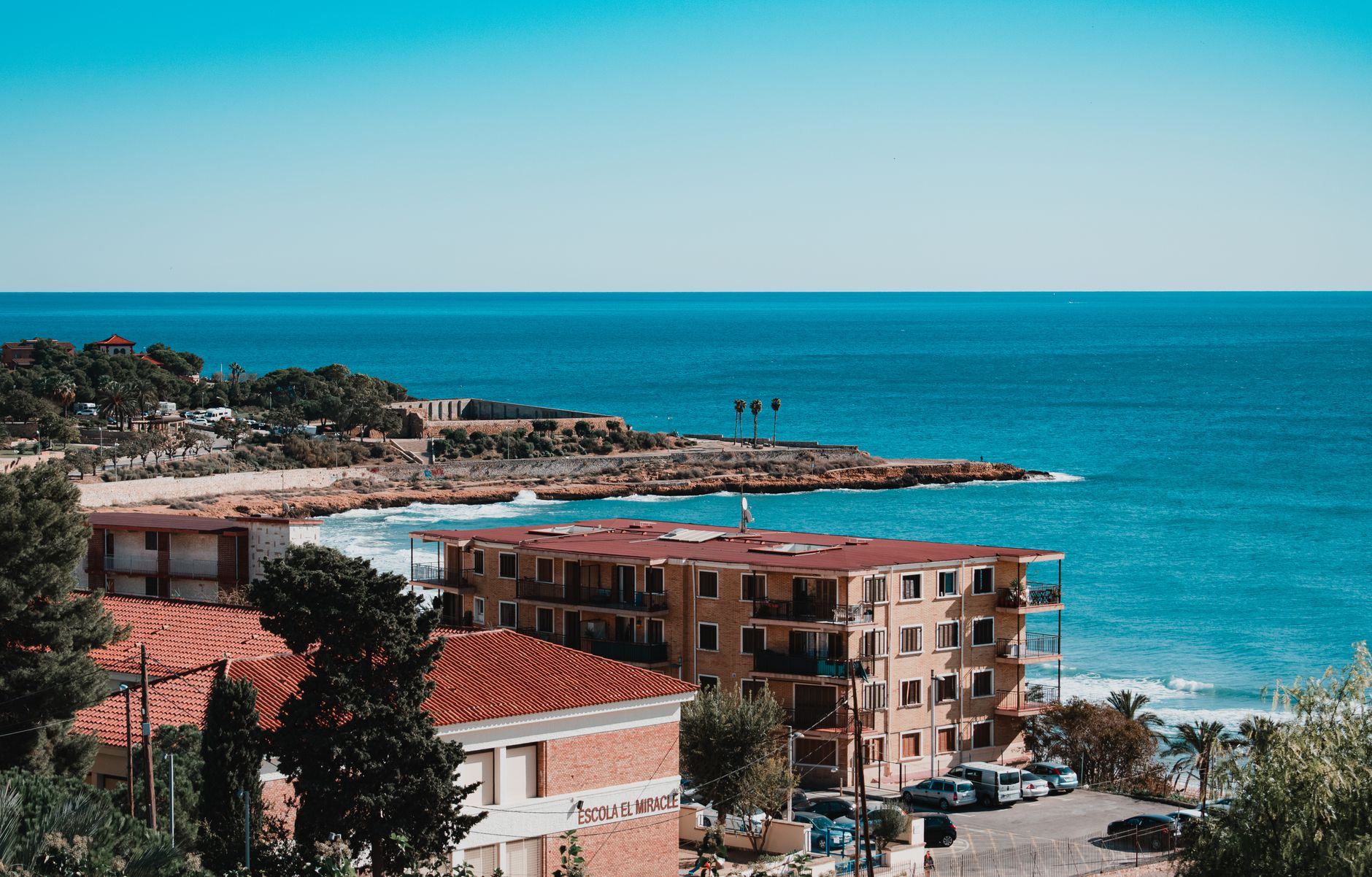
In Catalonia





In Catalonia





In Catalonia




















Linked from elsewhere
Entries that name this place in their own nearby lists.
Logistics are verified only. We don't publish schedules we haven't confirmed.
Experiences worth booking ahead
Spain Field Guide may earn a commission when you book through selected links. Recommendations are editorial and independent of commission.
Ready to build Reus into a trip?
You've found a place worth going. When you're ready to turn discovery into an itinerary, Travel Itinerary Co picks up where the Field Guide leaves off — with your saved places already in hand.
Build this into a tripContinues on Travel Itinerary Co
Spain Field Guide may earn a commission when you book through selected links. Recommendations are editorial and independent of commission.