Cala Aiguablava

A genuinely calm cove in a coastline that's mostly cliffs — worth the drive down.
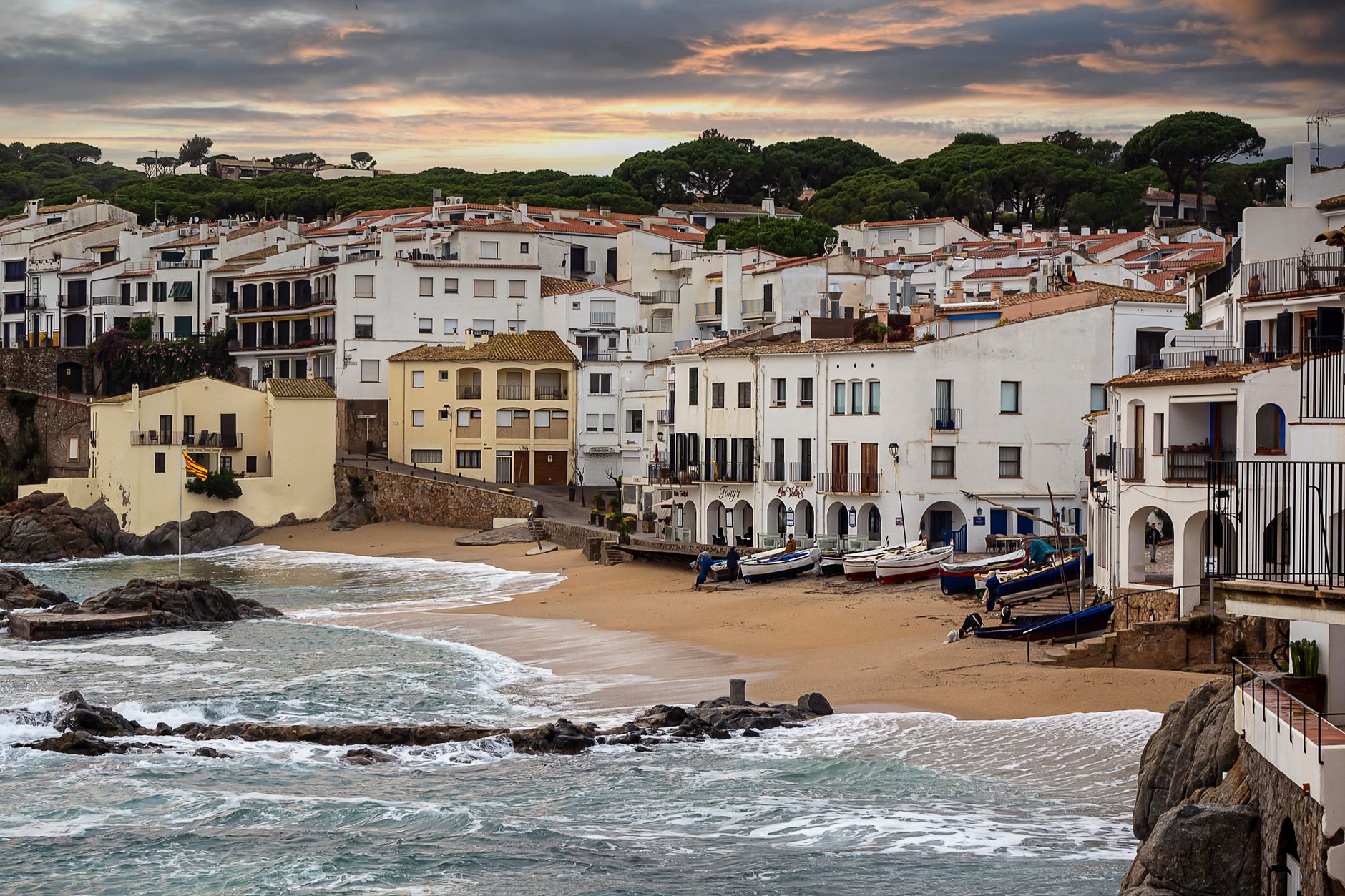
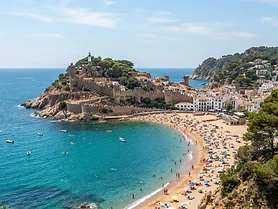
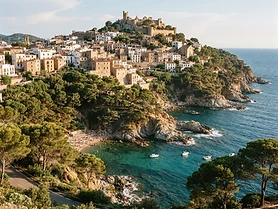
Pine trees run right to the sand, the water is glassy most days, and there's a parador on the bluff above if you want a drink with the view.
At a Glance
- — you want big sand
- — budget travel
- — solitude in July/August
Glassy, turquoise water and pine trees that reach almost to the sand make this one of the most idyllic coves on the Costa Brava. While much of the surrounding coastline is sheer cliff, this small inlet offers a rare, calm place to anchor or swim. A parador sits on the bluff above, providing a convenient vantage point for a drink once you are done with the water.
How it got here
The Begur coastline served as a defensive line against North African pirate raids for centuries, leading the inhabitants of this coastal stretch to build watchtowers to monitor the horizon. These stone markers remain along the cliff tops near the cove, reminders of the era when local families withdrew inland to Begur for safety. The landscape around the cove reflects the slow shift from a frontier dependent on maritime trade and coral harvesting to a destination for summer residents. Much of the architectural legacy of the surrounding town grew from the wealth of nineteenth-century merchants returning from the Americas, leaving behind a collection of colonial houses in the hills above the water.
Where it sits
The cove sits at the end of a winding descent through dense pines that cling to the rugged granite geology of the Costa Brava. In winter, the tramuntana wind strips the trees and leaves the bay clear and cold. By July, the shoreline fills with boats moored in the protected water, creating a dense line of hulls against the sand. Access requires negotiating narrow roads that drop sharply toward the Mediterranean, passing through territory where Mediterranean scrub replaces the inland cork forests. The proximity of the sheer cliffs keeps the beach confined, forcing a slow pace of movement among those arriving to swim.
What to eat and drink
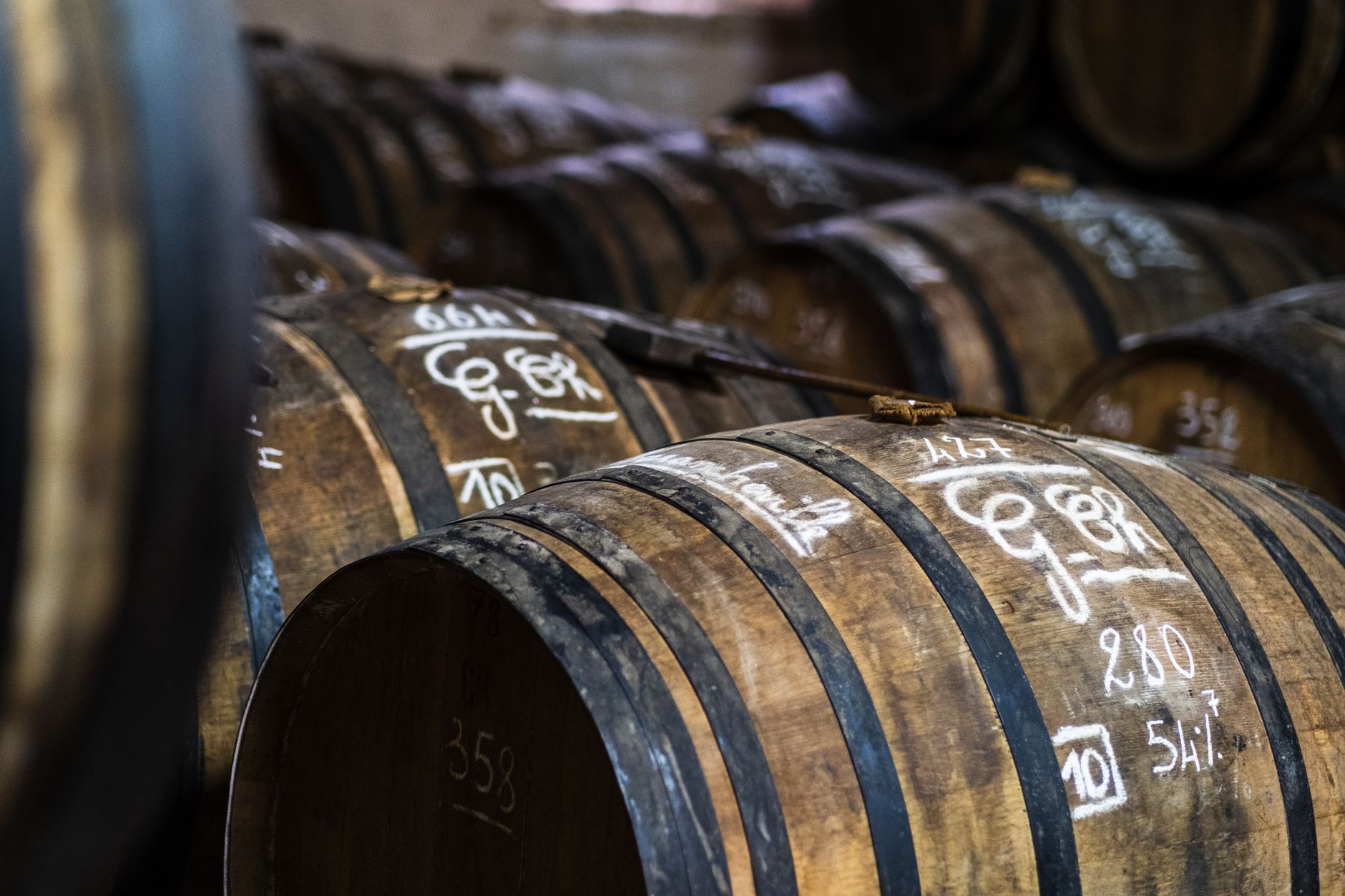
The cuisine follows the traditions of the Empordà, where the sea meets the garden. Suquet de peix, a classic fisherman's stew, combines the daily catch with potatoes and a picada of garlic, parsley, and toasted almonds. On land, the focus shifts to seasonal vegetables and local poultry. Esgarrat, a salad of grilled red peppers and salt cod dressed in olive oil, provides a staple for hot afternoons. Diners pair these plates with wines from the Empordà denomination, particularly the crisp white varieties that draw their character from the saline air and the slate soils of the inland vineyards.
Catalonia: the whole region
Barcelona is the anchor and most trips never leave it, which is a mistake but not a fatal one: Girona, Tarragona and the Costa Brava's coves are all within two hours by train or a short drive, and the Empordà behind them holds the best…
Minimum 4 days · better 7-8 days · deep 2 weeks
Pair It With

In Catalonia





In Catalonia





In Catalonia





















Linked from elsewhere
Entries that name this place in their own nearby lists.



Logistics are verified only. We don't publish schedules we haven't confirmed.
Appears In
Ready to build Cala Aiguablava into a trip?
You've found a place worth going. When you're ready to turn discovery into an itinerary, Travel Itinerary Co picks up where the Field Guide leaves off — with your saved places already in hand.
Build this into a tripContinues on Travel Itinerary Co
Spain Field Guide may earn a commission when you book through selected links. Recommendations are editorial and independent of commission.