Empordà

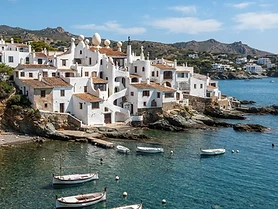
The best wine-and-beach pairing in Spain. Visit Empordàlia, Terra Remota, or Mas Llunes; drive to Cadaqués. The most romantic wine region for a non-wine-obsessed partner.
Catalonia's northernmost DO — Grenache and Carignan reds on Mediterranean hills above the Costa Brava, and the cradle of the modern Catalonian wine revival.
At a Glance
- — You don't combine it with Cadaqués
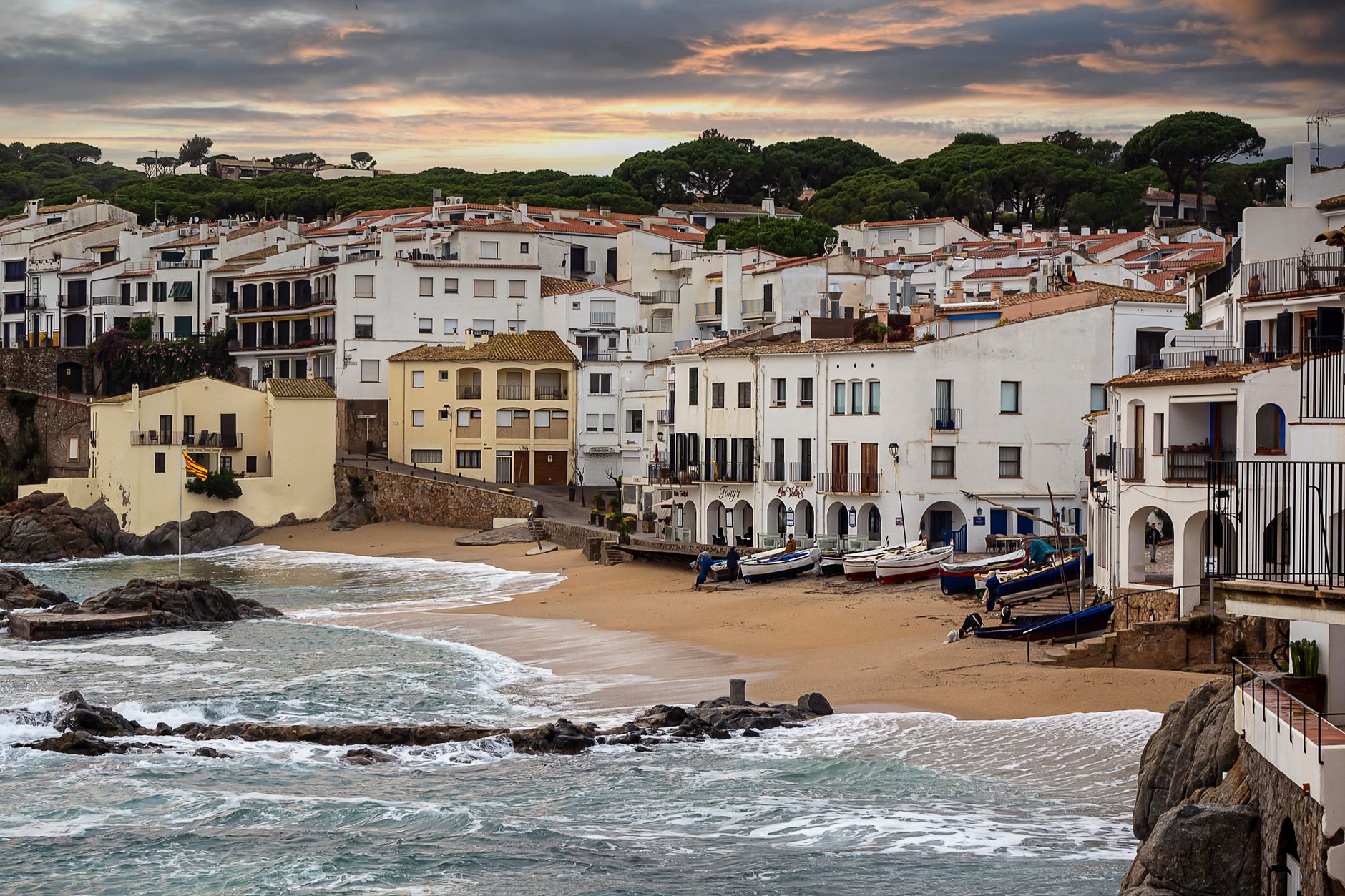
Olive trees and scorched, rocky hills characterize this northern Catalan corner, where the fierce Tramuntana wind shapes both the landscape and the vines. Garnacha and Carignan grapes thrive in the slate-flecked soil, producing intense, perfumed reds that pair seamlessly with the nearby turquoise coves of the Costa Brava. During the humid summer months, the scent of wild rosemary hangs heavy over the vineyards. Whether you are tasting in a sleek, modern cellar or a rustic farmhouse, the region offers a sophisticated balance of rugged mountain character and easy coastal charm.
How it got here
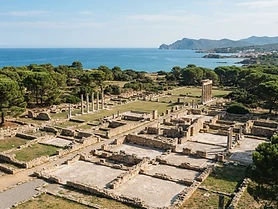
Greek colonists established the settlement of Emporion during the early sixth century BCE, bringing vine cultivation to this coastal stretch. Romans later expanded these viticultural practices after seizing the territory during the Second Punic War. The name Empordà derives from this ancient Greek foundation. Throughout the Middle Ages, local monastic orders controlled the production of wine, maintaining the vineyards through periods of political instability. The distinct local identity formed as the frontier between the Carolingian Empire and the caliphates shifted across the hills. Today, the influence of these long-standing rural estates persists in the mosaic of stone walls and cellars that divide the landscape.
Where it sits
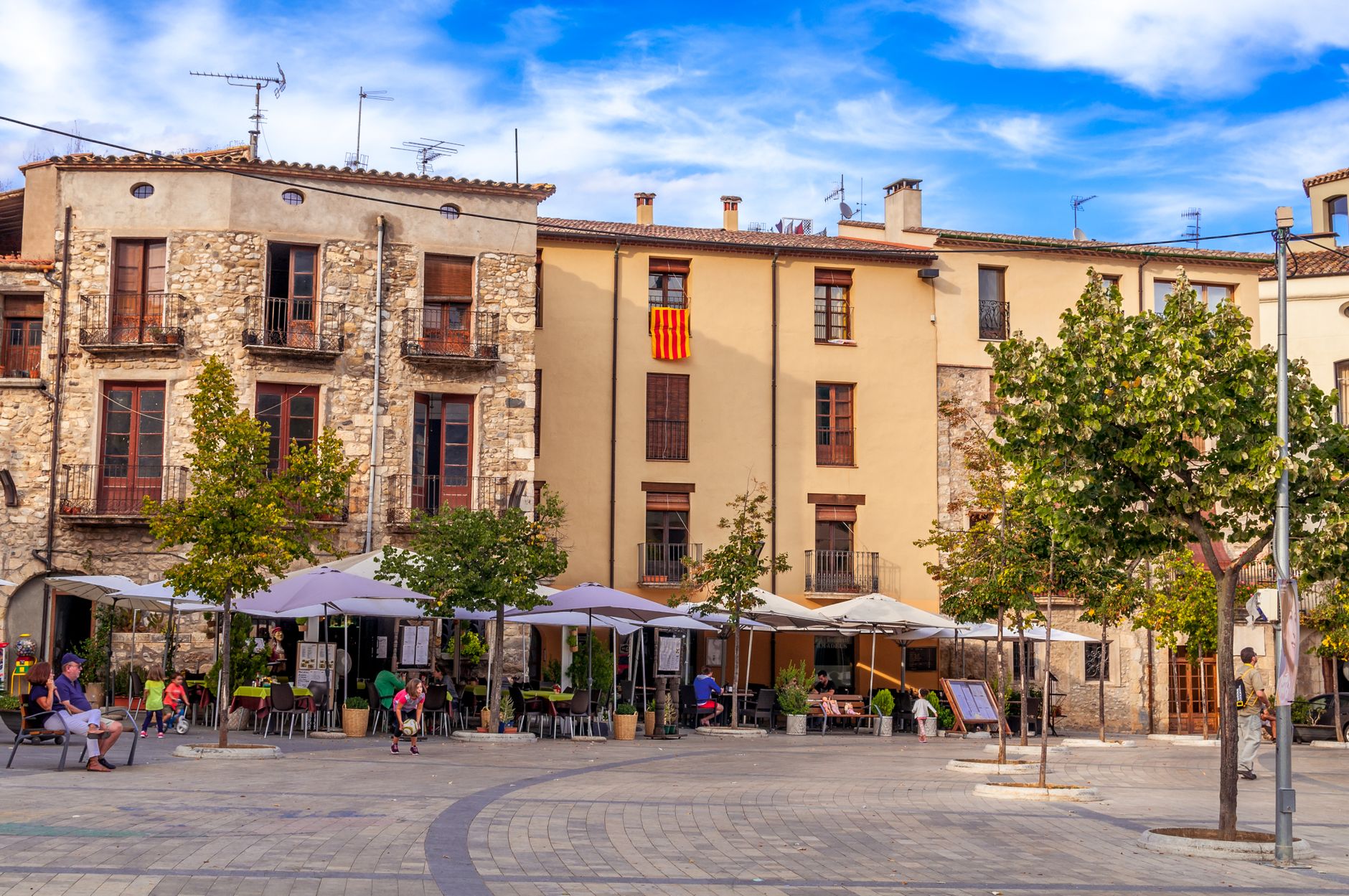
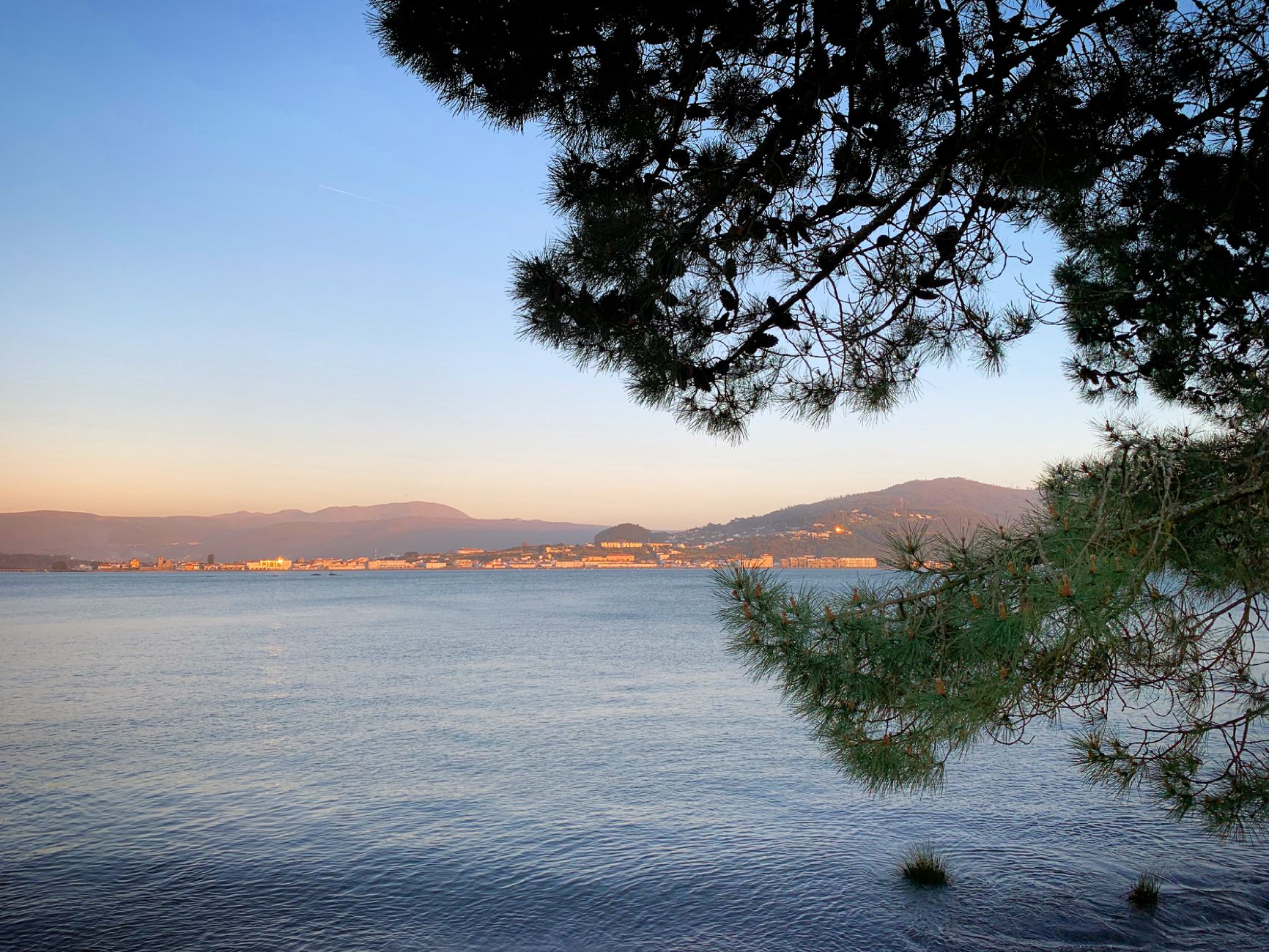
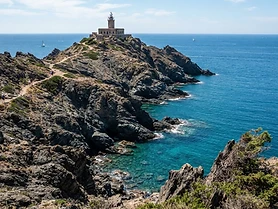
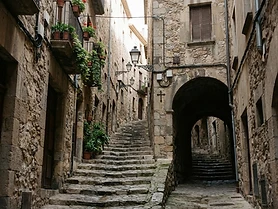
The Pyrenees meet the Mediterranean here, creating a transition of slate hills and alluvial plains. The north wind known as the Tramuntana strikes the coast with force, clearing the sky but stressing the vines. Cork oaks and olive groves cover the slopes that descend toward the coves of the Costa Brava. Roads wind through isolated villages of medieval stone construction before reaching the flat fields near the sea. During winter the air stays sharp and bright, while summer heat concentrates the scent of scrubland plants. Tourist activity clusters along the water, leaving the interior vineyards quiet for most of the year.
What to eat and drink
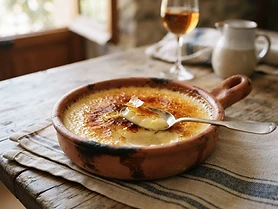
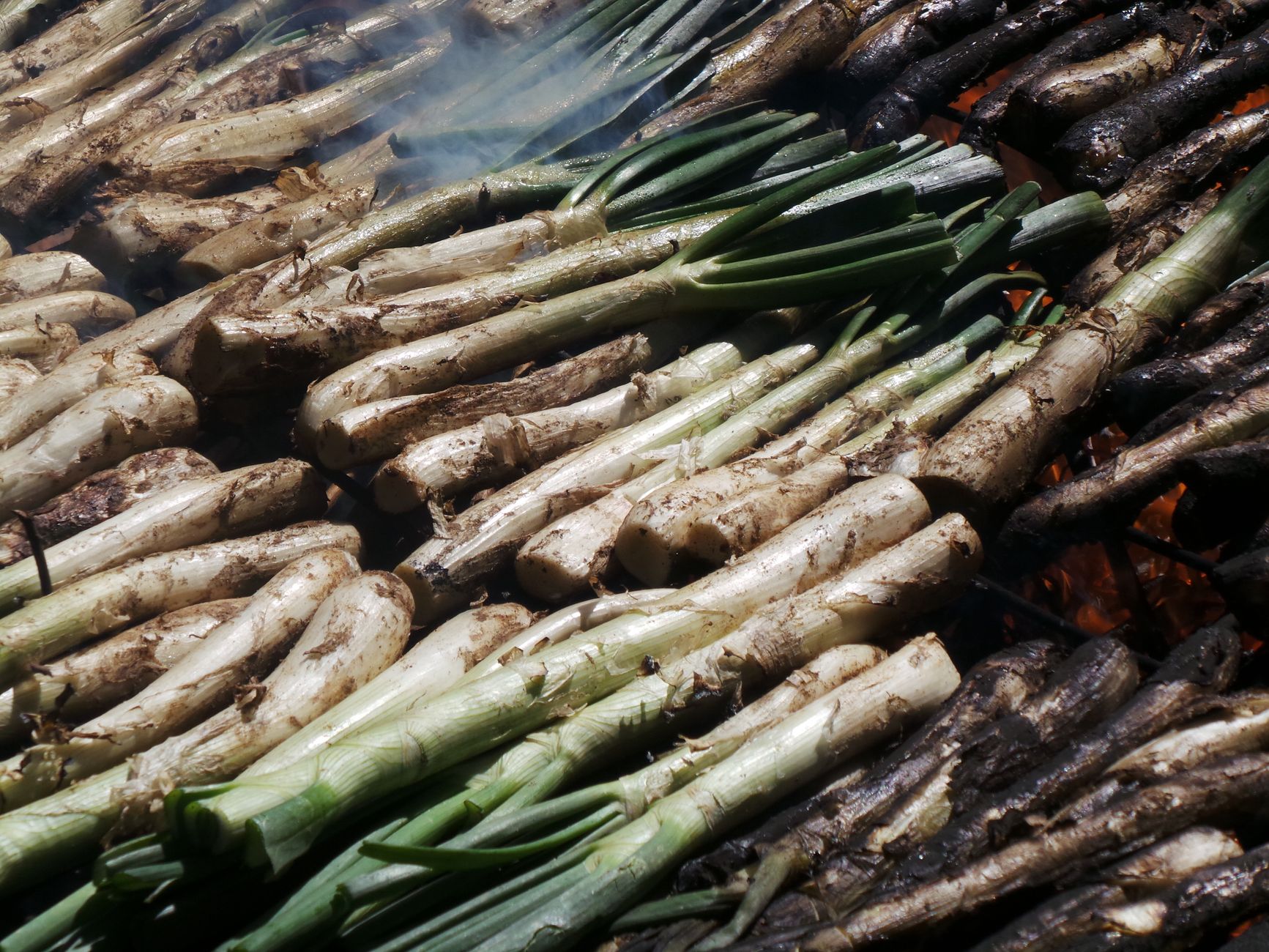
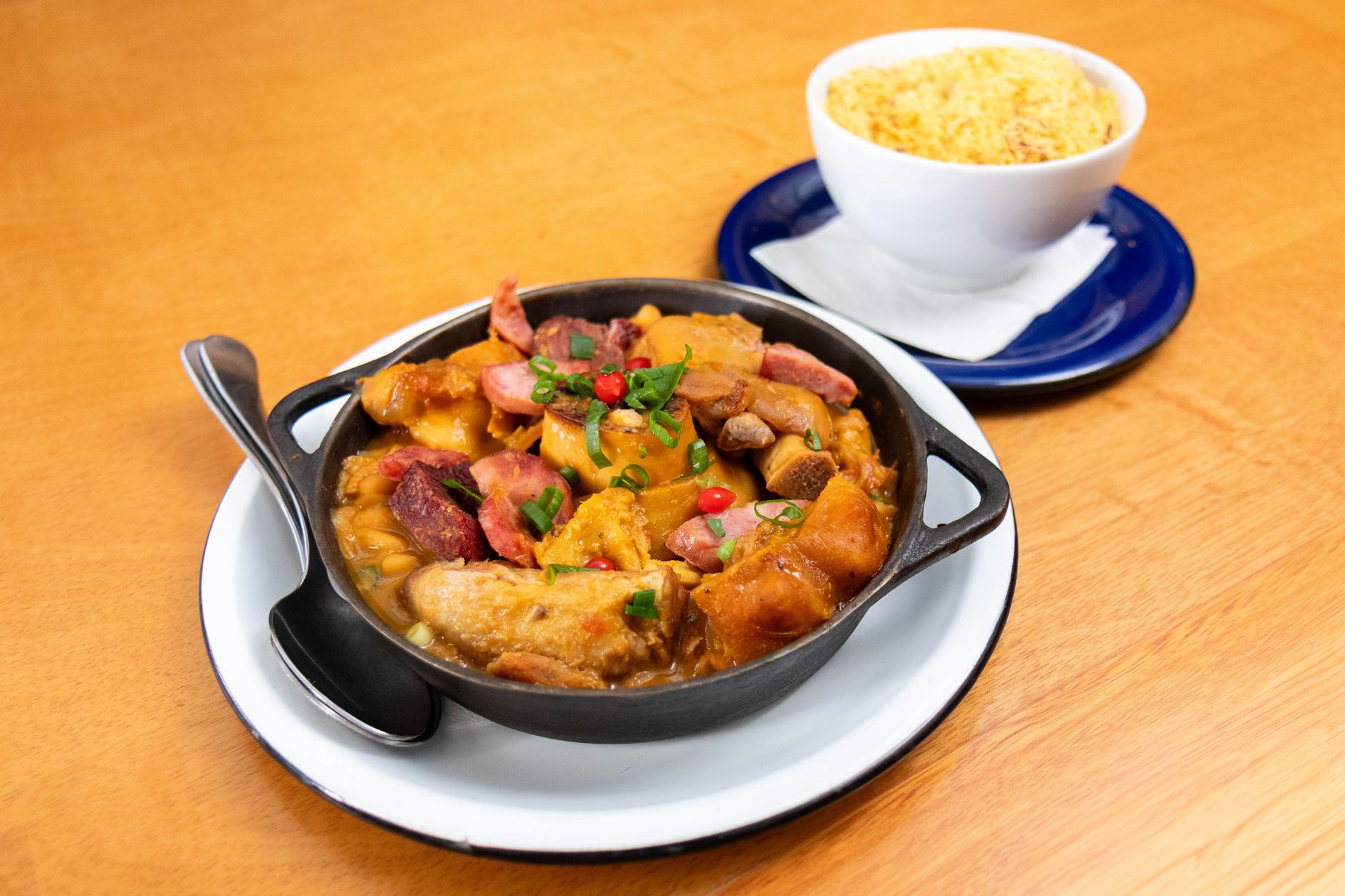
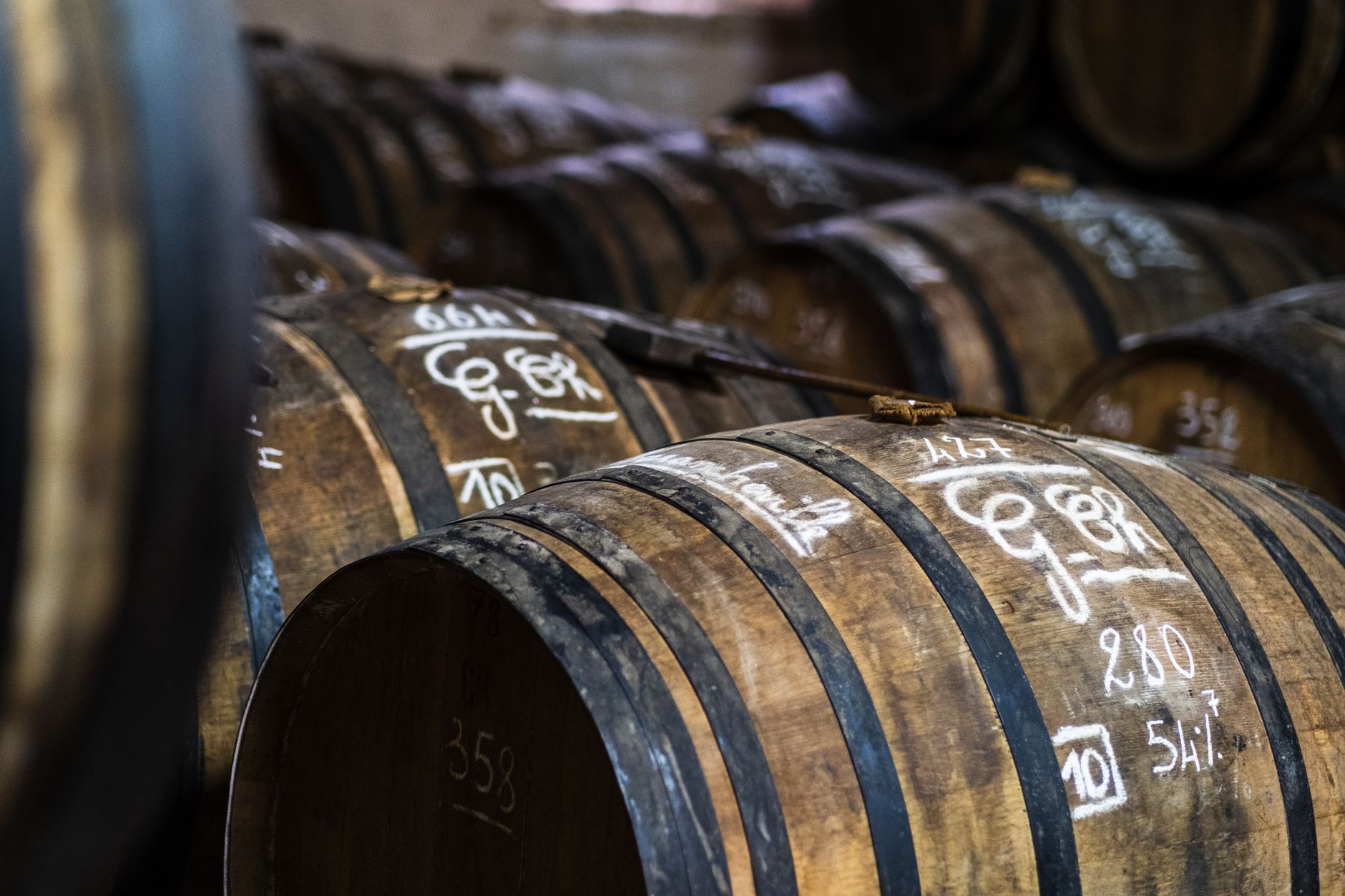
Suquet de peix provides the standard of the coast, a fish stew thickened with a picada of toasted almonds, garlic, and fried bread. The inland diet turns to grilled meats and vegetables harvested from the fertile plain. Garnatxa d'Empordà, a sweet dessert wine made from dried Grenache grapes, defines the historical production of the local cellars. Dry red wines emphasize the structure of the Carignan and Garnatxa varieties grown in the schist soils. Botifarra, a seasoned pork sausage, appears on plates throughout the year, often served with white beans sautéed in the olive oil pressed from trees that define the provincial skyline.
Catalonia: the whole region
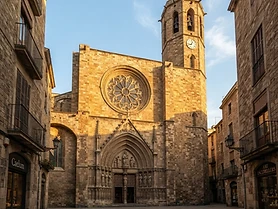
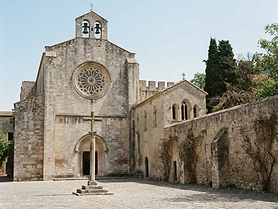
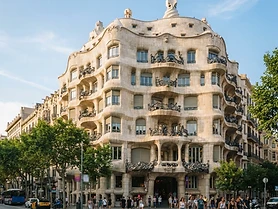
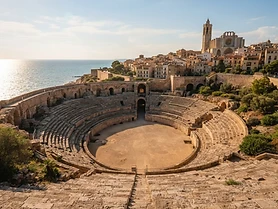
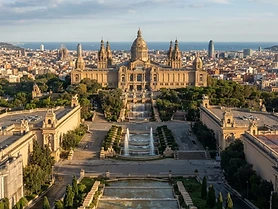
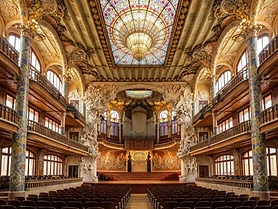
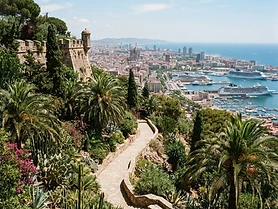
Barcelona is the anchor and most trips never leave it, which is a mistake but not a fatal one: Girona, Tarragona and the Costa Brava's coves are all within two hours by train or a short drive, and the Empordà behind them holds the best…
Minimum 4 days · better 7-8 days · deep 2 weeks

Pair It With

In Catalonia





In Catalonia




In Catalonia




















Linked from elsewhere
Entries that name this place in their own nearby lists.
Logistics are verified only. We don't publish schedules we haven't confirmed.
Ready to build Empordà into a trip?
You've found a place worth going. When you're ready to turn discovery into an itinerary, Travel Itinerary Co picks up where the Field Guide leaves off — with your saved places already in hand.
Build this into a tripContinues on Travel Itinerary Co
Spain Field Guide may earn a commission when you book through selected links. Recommendations are editorial and independent of commission.