Monastery of Poblet
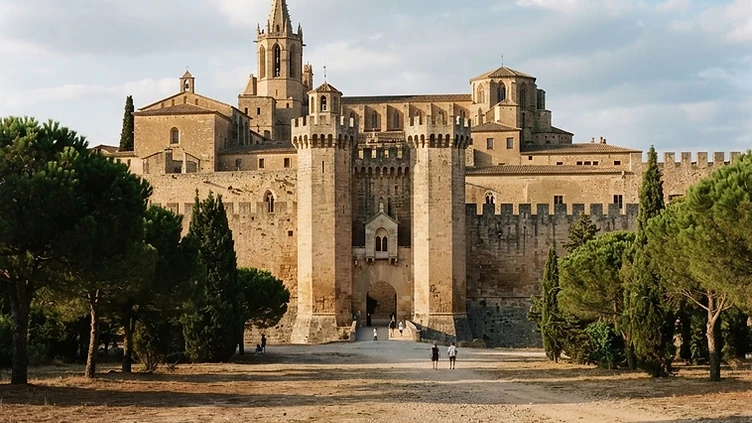
A perfect pairing with a Priorat wine trip — 20 minutes apart. The Gothic cloister and the royal tombs are the highlights. Still a working monastery.
A Cistercian monastery founded in 1151, the largest in Europe still functioning, and the burial place of the Catalan-Aragonese kings. A UNESCO site in a forest.
At a Glance
- — You're not in the Tarragona/Priorat area
Hidden within a lush forest, this sprawling Cistercian complex has served as the burial place for the monarchs of the Crown of Aragon since the twelfth century. It remains a functioning monastery, where the silence of the Gothic cloisters and the solemnity of the royal tombs offer a profound sense of temporal continuity. A visit here is best paired with a tour of the nearby Priorat wine region, contrasting the spiritual austerity of the monks with the rich, bold flavors of the earth.
How it got here
Ramon Berenguer IV donated the land to the Cistercian order in 1151 to secure the border against Moorish forces after the conquest of Tortosa. The monks transformed the valley into the pantheon for the Crown of Aragon. Alfonso II gave his body to the site in 1196, beginning a tradition that held through the reign of John I. The monastery suffered under the disentailment of Mendizábal in 1835, which emptied the halls and left the architecture to ruin. Cistercian monks returned in 1940 to restore the scriptorium and the royal tombs, re-establishing a monastic community that persists within the medieval walls.
Where it sits
The monastery occupies a gap in the Prades mountains, protected by woods of holm oak and pine. This is the transition zone between the dry central Catalan plains and the limestone ridges that lead toward the coast. Winters bring hard frosts and occasional snow to the higher elevations, while summer light bakes the surrounding scrubland into a pale, dusty yellow. Access relies on the network of roads connecting the Conca de Barberà to the Ebro basin. Visitors arrive to find a silence that sharpens against the heat and the wind, though the cloisters draw steady attention during spring weekends.
What to eat and drink
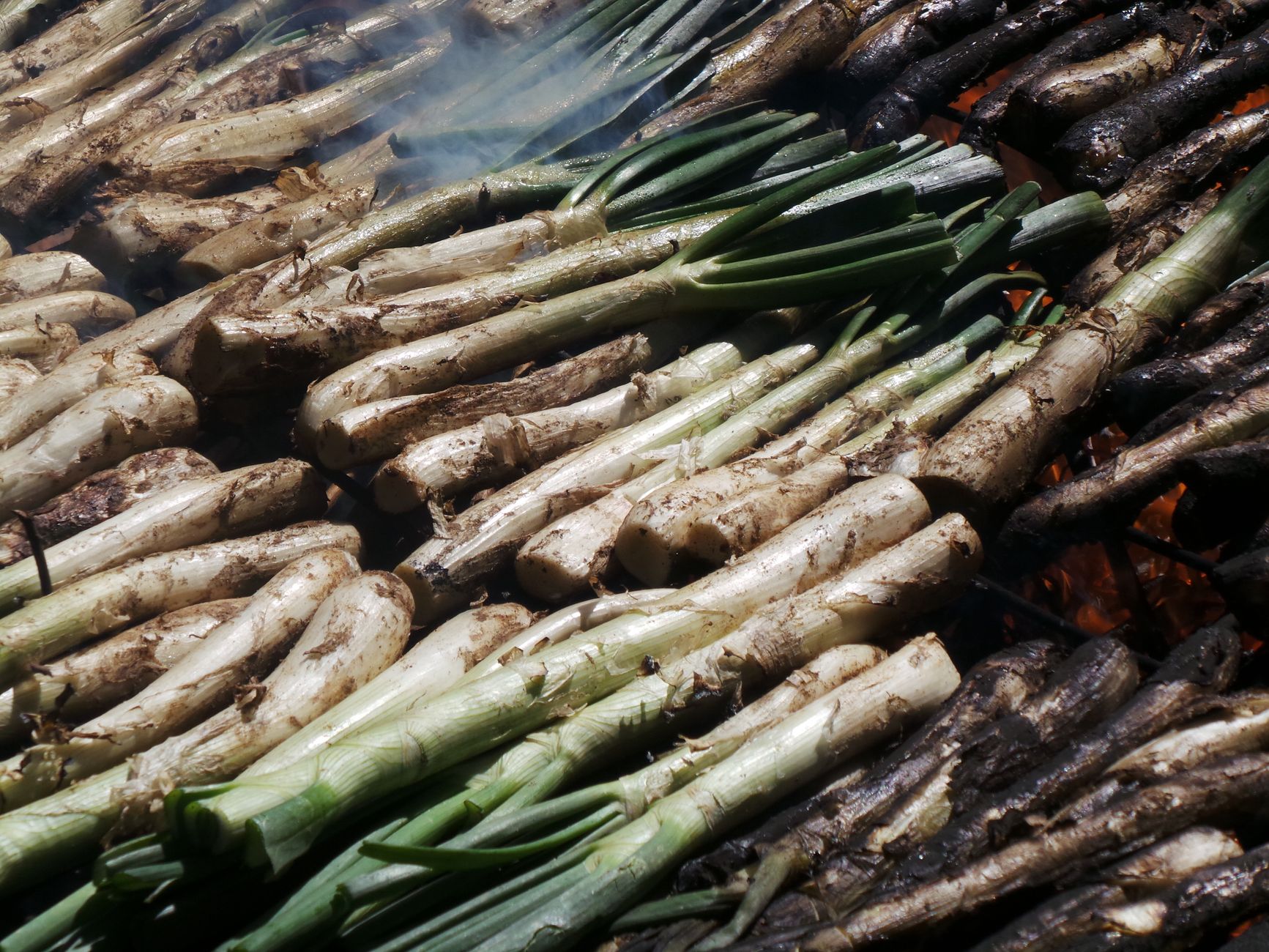
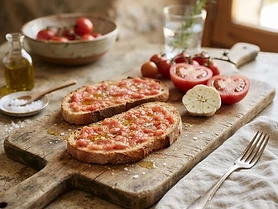
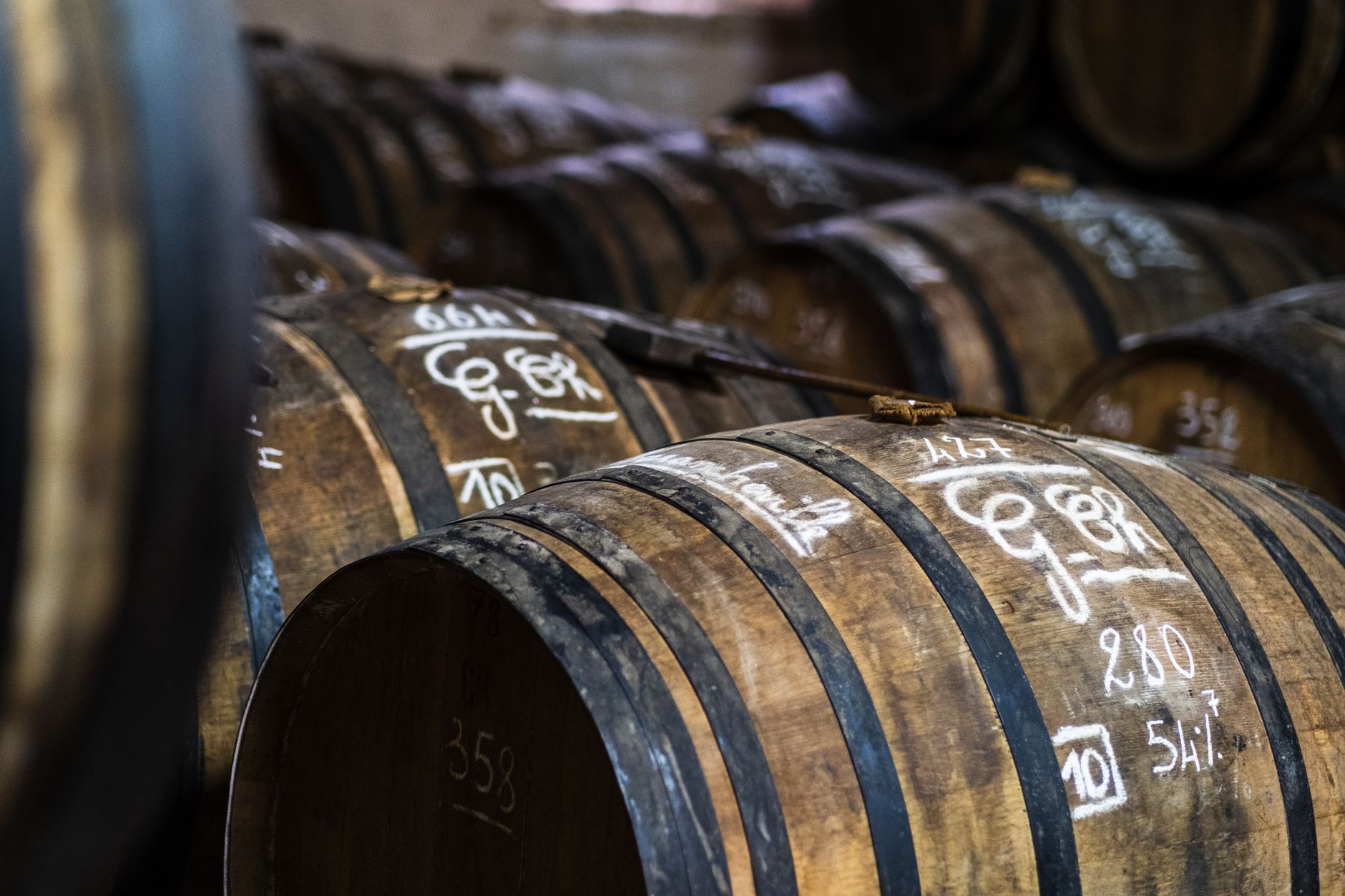
Cava, the sparkling wine produced through the traditional method, defines the local bottle. The grapes come from the high vineyards nearby, where the cooler mountain air produces a dry, crisp acidity. For food, look to the calçots, winter onions charred over an open fire and dipped in romesco sauce, a thick blend of roasted peppers, garlic, and almonds. The countryside also yields rabbit and hare, often braised in rich, dark sauces flavored with local herbs. Pair these meals with a glass of red wine from the neighboring Priorat, where the steep, slate slopes produce intense, concentrated fruit flavors.
Catalonia: the whole region
Barcelona is the anchor and most trips never leave it, which is a mistake but not a fatal one: Girona, Tarragona and the Costa Brava's coves are all within two hours by train or a short drive, and the Empordà behind them holds the best…
Minimum 4 days · better 7-8 days · deep 2 weeks
What's Nearby

Pair It With


In Catalonia





In Catalonia





In Catalonia
















Logistics are verified only. We don't publish schedules we haven't confirmed.
Appears In
Ready to build Monastery of Poblet into a trip?
You've found a place worth going. When you're ready to turn discovery into an itinerary, Travel Itinerary Co picks up where the Field Guide leaves off — with your saved places already in hand.
Build this into a tripContinues on Travel Itinerary Co
Spain Field Guide may earn a commission when you book through selected links. Recommendations are editorial and independent of commission.