Calçots
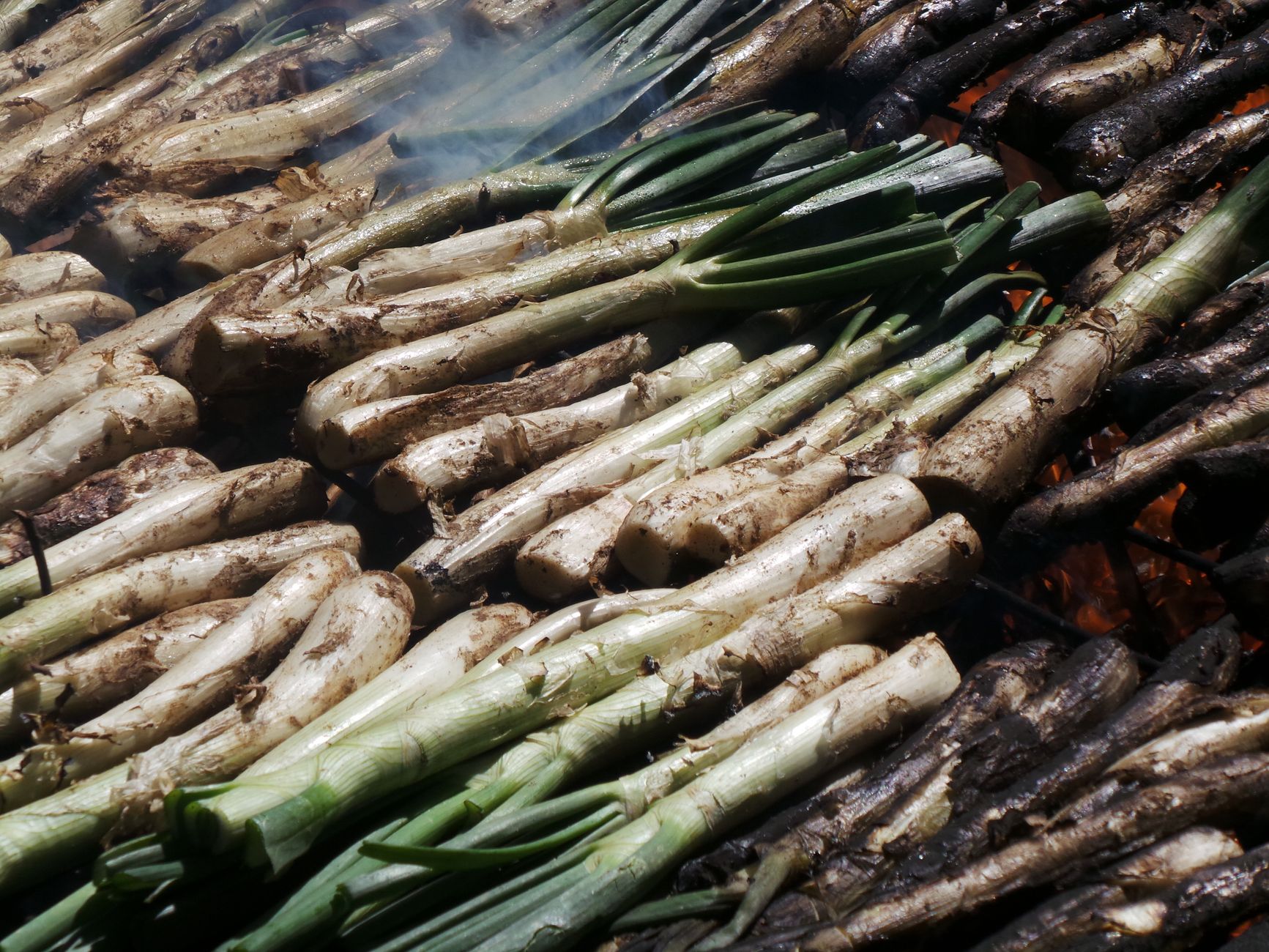
Go to a calçotada in the Valls countryside between January and March. It's a social event, not a dish.
Catalonia's winter ritual: long, sweet spring onions grilled over open flame until charred, then peeled and dunked in romesco (nut-roasted-pepper-tomato) sauce. Eaten by the dozen with hands, bib and red wine poured from a porron.
At a Glance
- — You hate getting messy or eating onions
Catalonia’s winter ritual involves long, sweet spring onions char-grilled over an open fire until the outer layers are blackened and the center turns to butter. Guests wear bibs to peel away the charred skins before dunking the stalks into a nutty romesco sauce made of roasted peppers and almonds. This is not merely a dish but a social event held in the countryside between January and March, ideally served with plenty of red wine poured from a traditional glass porron.
How it got here
Catalan agricultural practice centers on the cultivation of white onions developed in the southern plains. The tradition of consuming these charred stalks grew from rural Valls in the Alt Camp, where farmers gathered around winter fires to cook seasonal garden harvests. This habit transformed from a practical meal for workers into an organized community event by the late nineteenth century. The growth of the practice tracks the expansion of the railways, which allowed the custom to spread from the rural interior into the wider social calendar of the coastal cities. Today the collective meal persists as a marker of the agricultural cycle, tying the modern table to the specific agrarian roots of the Tarragona hinterland.
Where it sits
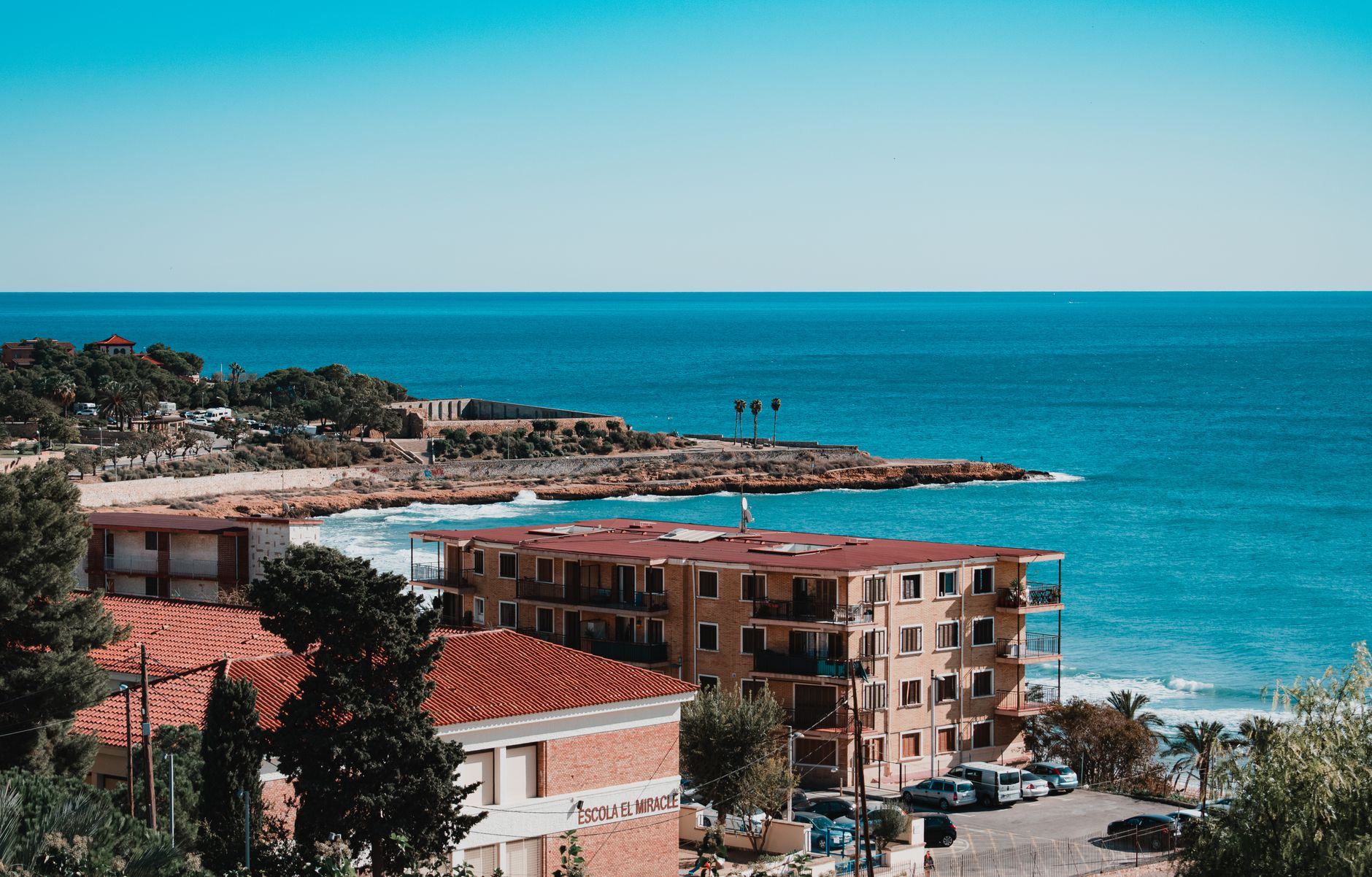
The flat, fertile plains of Tarragona provide the light soil required for the slow growth of the crop. Winters bring crisp, clear skies to the Ebro basin and the surrounding slopes, making this the primary time for outdoor gatherings among the vines. Access to the rural masias where these events occur usually requires a short drive from the Mediterranean coast into the drier, rolling interior. As the weather warms in spring, the intensity of the event fades, shifting back to the quiet labor of the fields until the cycle turns once more with the first frost.
What to eat and drink
Calçots are the centerpiece, pulled directly from the flame until the outer skin turns to ash. They pair with romesco, a dense emulsion of toasted almonds, hazelnuts, garlic, olive oil, and nyora peppers. Lamb chops or longaniza, a cured pork sausage, often follow the onions on the grill to complete the meal. A porró, the traditional glass vessel with a long spout, delivers red wine to the table. The sharp acidity of young red wines from the surrounding vineyards cuts through the smoke of the fire and the richness of the sauce.
Catalonia: the whole region
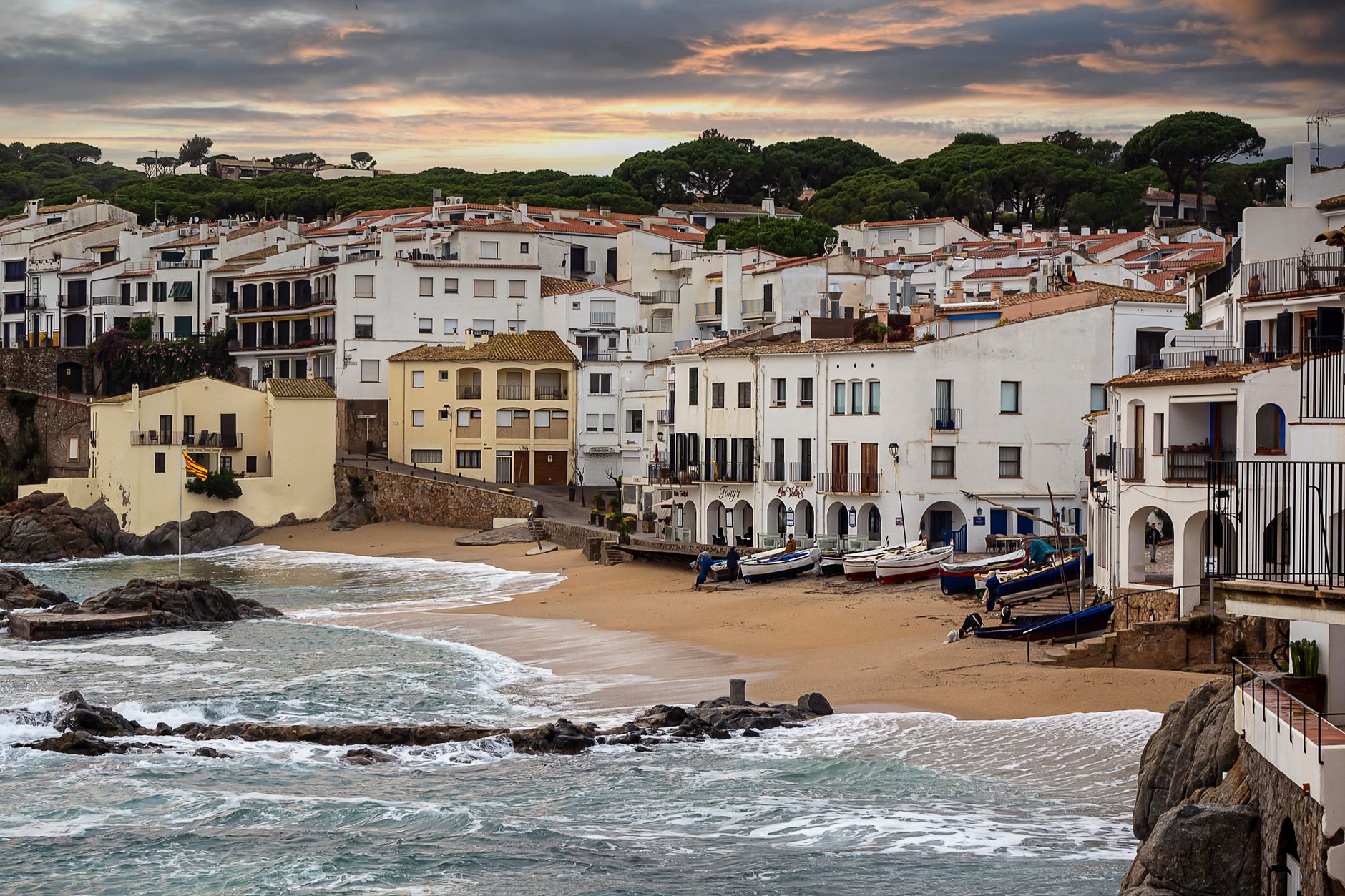
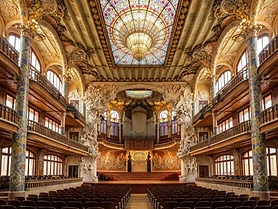
Barcelona is the anchor and most trips never leave it, which is a mistake but not a fatal one: Girona, Tarragona and the Costa Brava's coves are all within two hours by train or a short drive, and the Empordà behind them holds the best…
Minimum 4 days · better 7-8 days · deep 2 weeks
What's Nearby

Pair It With




In Catalonia




In Catalonia





In Catalonia





















Logistics are verified only. We don't publish schedules we haven't confirmed.
Appears In
Ready to build Calçots into a trip?
You've found a place worth going. When you're ready to turn discovery into an itinerary, Travel Itinerary Co picks up where the Field Guide leaves off — with your saved places already in hand.
Build this into a tripContinues on Travel Itinerary Co
Spain Field Guide may earn a commission when you book through selected links. Recommendations are editorial and independent of commission.