Santa María de Taüll

The quieter half of the Taüll pair, five minutes from Sant Climent on the same village street: smaller, less visited, and still worth ten minutes for the apse and the belfry. Its own paintings are in Barcelona, so come for the building.
The second of Taüll's two Romanesque churches, in the UNESCO-listed Vall de Boí set — smaller and calmer than Sant Climent next door, with a Lombard belfry and an apse painted in the same workshop tradition as its neighbour.
Sant Climent de Taüll · Aigüestortes i Estany de Sant Maurici
At a Glance
As the quieter neighbor to Sant Climent, this church offers a more intimate experience of the Romanesque style in the Vall de Boí. The apse contains its own set of conserved paintings, depicting a serene, balanced version of the medieval iconographic style. Walking through the quiet, stone-walled interior feels like stepping back into a small, isolated mountain community, where the weight of history and the simplicity of the architecture remain undisturbed by the larger world.
How it got here
Consecrated on the same December day in 1123 as its neighbor Sant Climent, Santa María de Taüll traces the religious expansion of the County of Ribagorça during the eleventh and twelfth centuries. Medieval builders constructed this church at the center of the village, turning the small parish into the focal point of community life. While the original mural paintings left the building for museum preservation in the twentieth century, modern replicas sit within the apse today. These walls once held the icons that defined the spiritual world for mountain villagers who lived under the strict ecclesiastical authority of the bishops of Roda and Urgell.
Where it sits
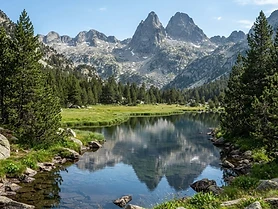
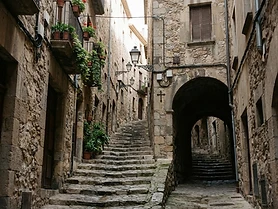
The church stands in the Vall de Boí, a deep valley carved by the Noguera de Tor river. High peaks of the Pyrenees surround this narrow corridor where the air stays cold for most of the year. Snow stays on the upper slopes until June and turns the valley floor into a green corridor of meadows and slate roofs. Roads wind through these steep mountain passes, connecting the isolated Romanesque centers to the wider plain of the Lleida province. Autumn brings deep color to the deciduous forests while winter stillness settles over the stone masonry as the tourist season fades.
What to eat and drink
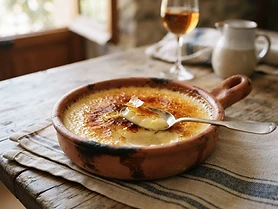
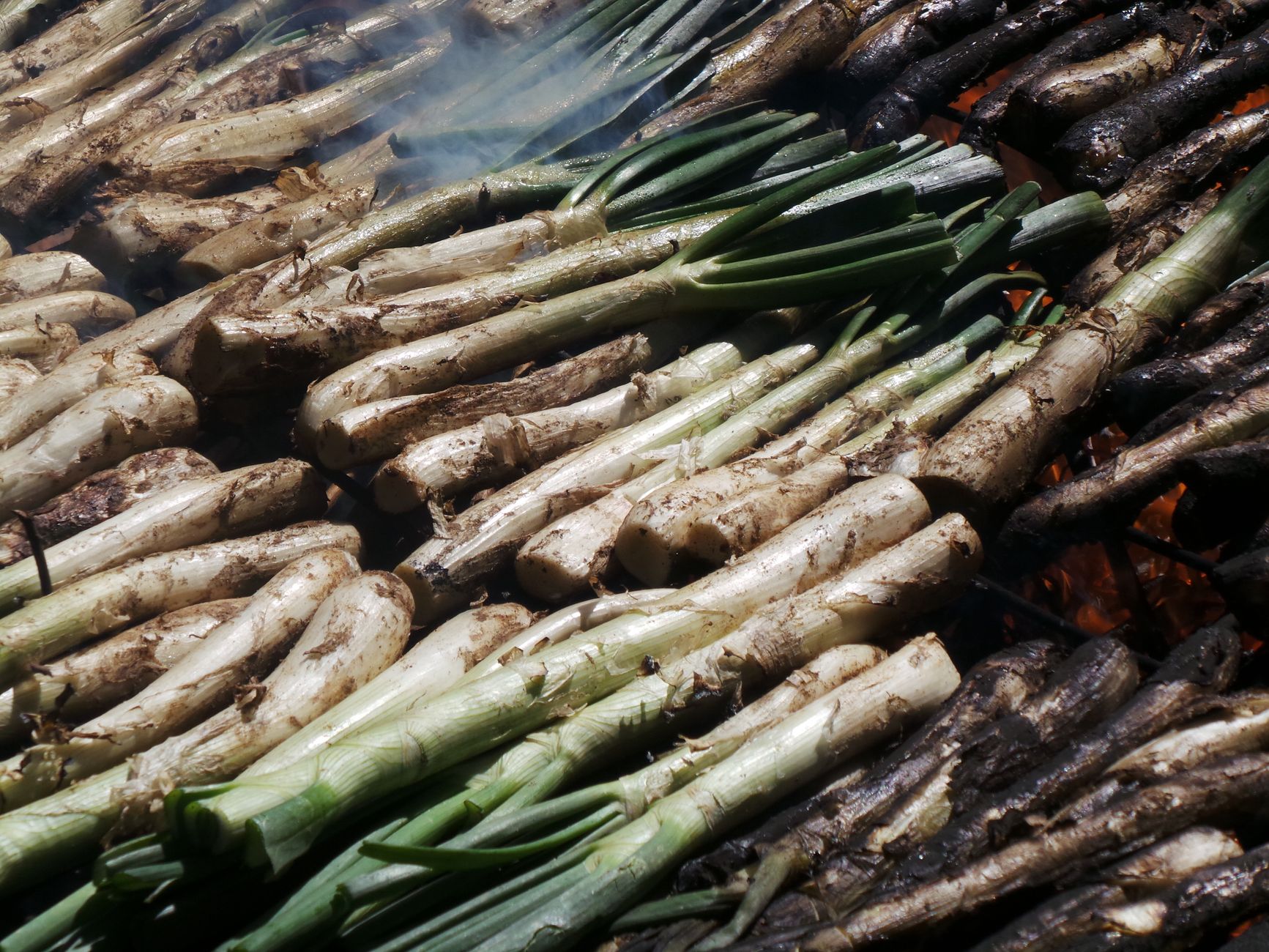
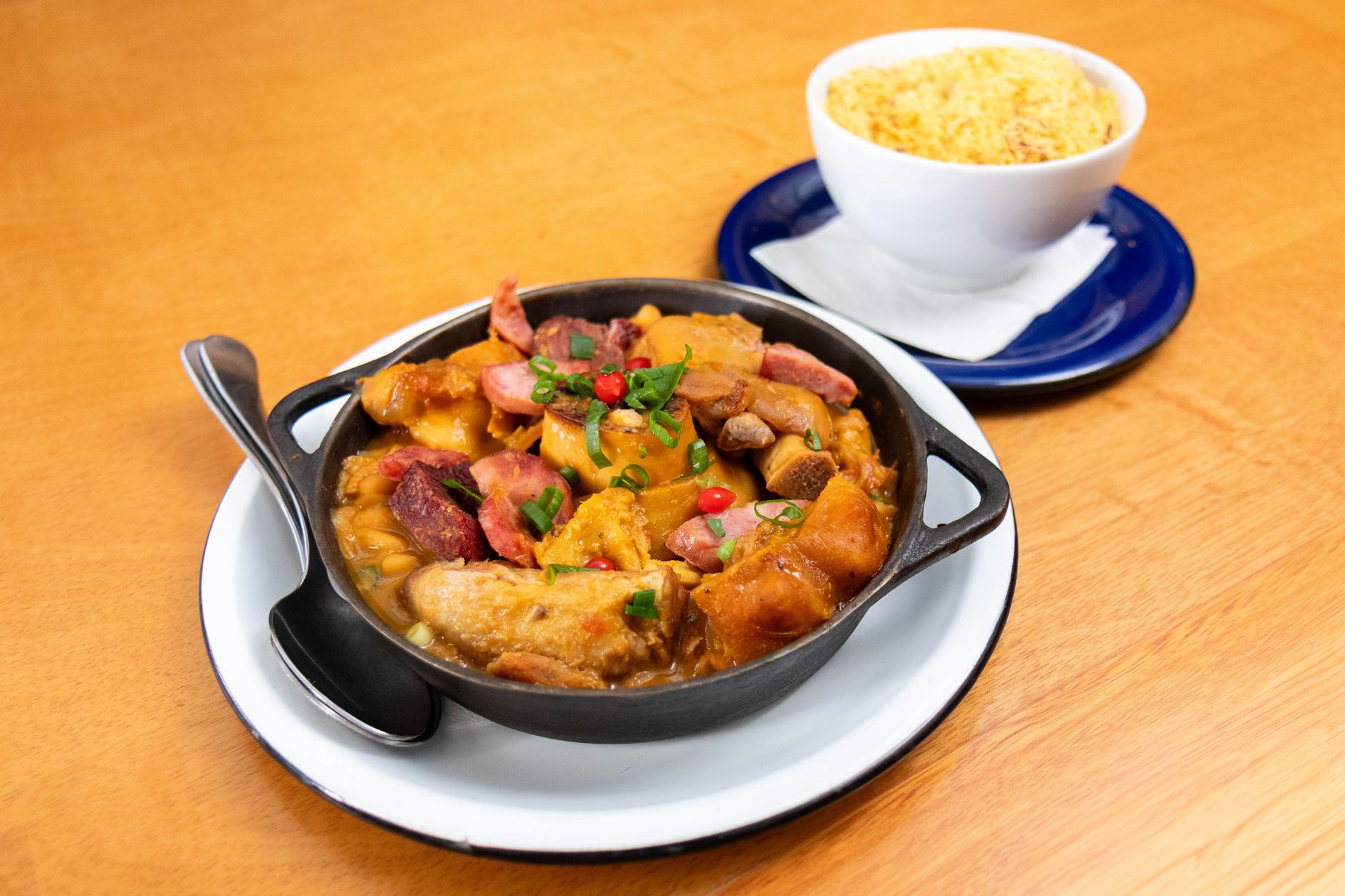
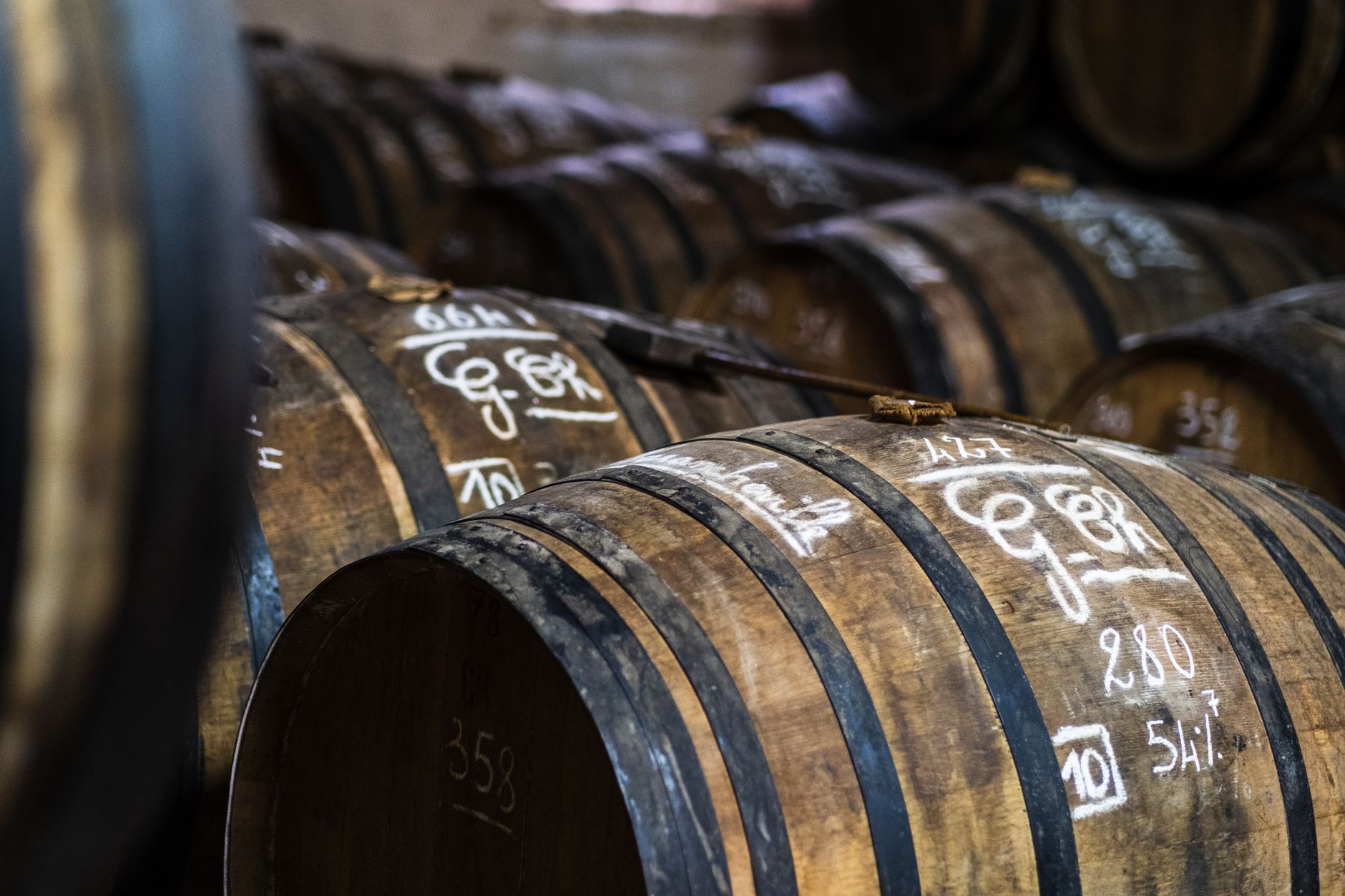
Highland cuisine centers on the products of the transhumant livestock cycle. Xai, the local lamb, appears roasted simply with mountain herbs. Escudella i carn d'olla, a heavy stew of meat and vegetables boiled with pasta or rice, provides the calories needed for the cold climate. Foraged mushrooms like ceps or rovellons appear in pans during the autumn harvest. Pyrenean cheeses made from cow or sheep milk remain staples of the local diet. Producers turn the abundant forest fruit into artisanal preserves, and the local red wines from the nearby Costers del Segre provide the necessary weight to accompany these hearty mountain plates.
Catalonia: the whole region
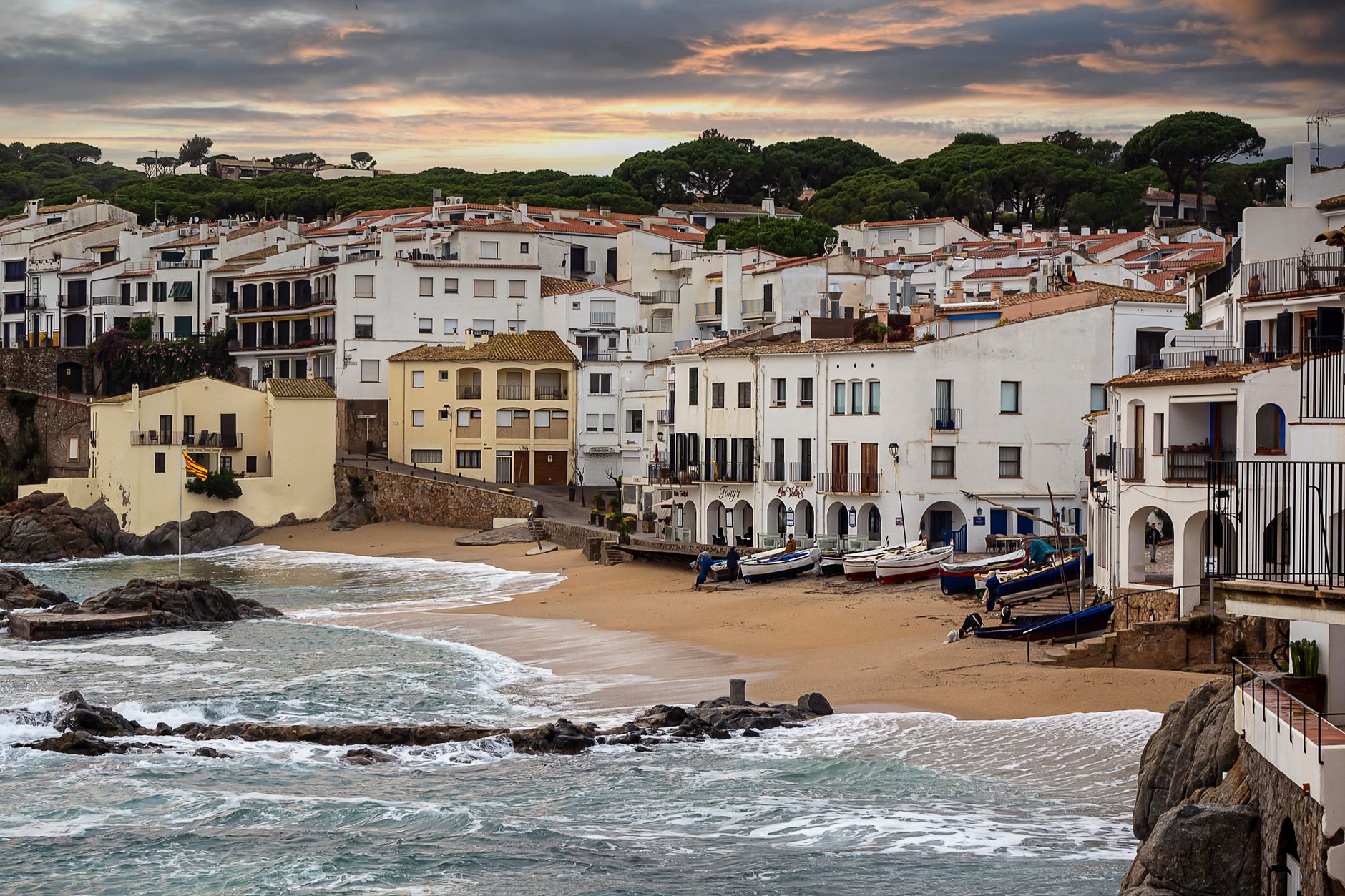
Barcelona is the anchor and most trips never leave it, which is a mistake but not a fatal one: Girona, Tarragona and the Costa Brava's coves are all within two hours by train or a short drive, and the Empordà behind them holds the best…
Minimum 4 days · better 7-8 days · deep 2 weeks
What's Nearby


In Catalonia





In Catalonia





In Catalonia


















Logistics are verified only. We don't publish schedules we haven't confirmed.
Ready to build Santa María de Taüll into a trip?
You've found a place worth going. When you're ready to turn discovery into an itinerary, Travel Itinerary Co picks up where the Field Guide leaves off — with your saved places already in hand.
Build this into a tripContinues on Travel Itinerary Co
Spain Field Guide may earn a commission when you book through selected links. Recommendations are editorial and independent of commission.