Pa amb Tomàquet
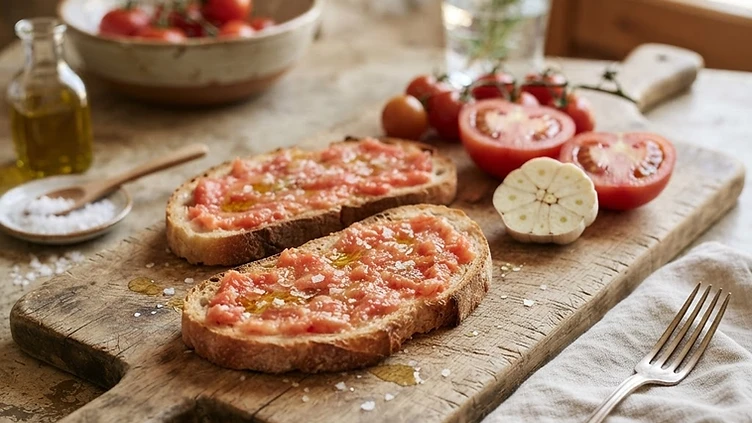
It sounds too simple to matter and is the dish Catalans are most proud of. The trick is good bread, ripe tomato, and the right oil. Order it with jamón.
Catalonia's bread-with-tomato: toasted country bread rubbed with ripe tomato, drizzled with olive oil and salt. The base of every Catalan meal.
At a Glance
- — You don't eat bread — there's no version without it
Pan con tomate is restraint as a recipe: good country bread, a clove of raw garlic, a ripe tomato, and a generous pour of peppery olive oil. Rubbing the tomato into the rough toasted crust gives a fresh base for thin-sliced ham. It looks simple, but the bread and the ripeness of the tomato decide everything.
How it got here
Rural Catalan agricultural tradition prioritized the utility of ingredients that would otherwise perish. Dry country bread lost its moisture quickly in the Mediterranean heat, and rubbing the crust with the pulp of a ripened tomato hydrated the loaf for consumption. This practice emerged from the agricultural labor cycles of the nineteenth century when peasants combined simple crops with the available staple of olive oil. It evolved from a farmhouse necessity into a cornerstone of the regional culinary identity. The process relies on the specific combination of pan de pagès and the variety of tomato known as tomàquet de penjar, which retains its texture through the winter months.
Where it sits
The dish thrives in the coastal plains and inland hills of Catalonia. Sunlight and the specific salinity of the air dictate the flavor profile of the tomatoes grown in the Maresme and Baix Llobregat fields. In these landscapes, the transition between the temperate spring and the humid summer changes the intensity of the tomato harvest. Travelers find this dish at any hour in the rustic taverns of the Penedès vineyards or the dense urban grid of Barcelona. It functions as the daily baseline for a diet dependent on the produce harvested from the surrounding fertile river valleys and dry mountain slopes.
What to eat and drink
This base supports a variety of additions common to the Catalan table. Salted anchovies from the Costa Brava provide the necessary brine to contrast the sweetness of the tomato. Thin slices of jamón ibérico or fuet, a dry-cured pork sausage seasoned with garlic and black pepper, add fat and complexity. A glass of cold cava, the sparkling wine produced primarily in the Penedès, cuts through the richness of the olive oil. Escudella i carn d'olla, a hearty stew of meat and seasonal vegetables, often follows this simple bread course during the cooler months of the year.
Catalonia: the whole region
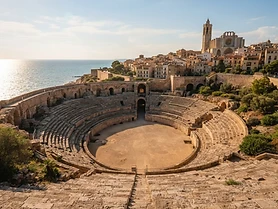
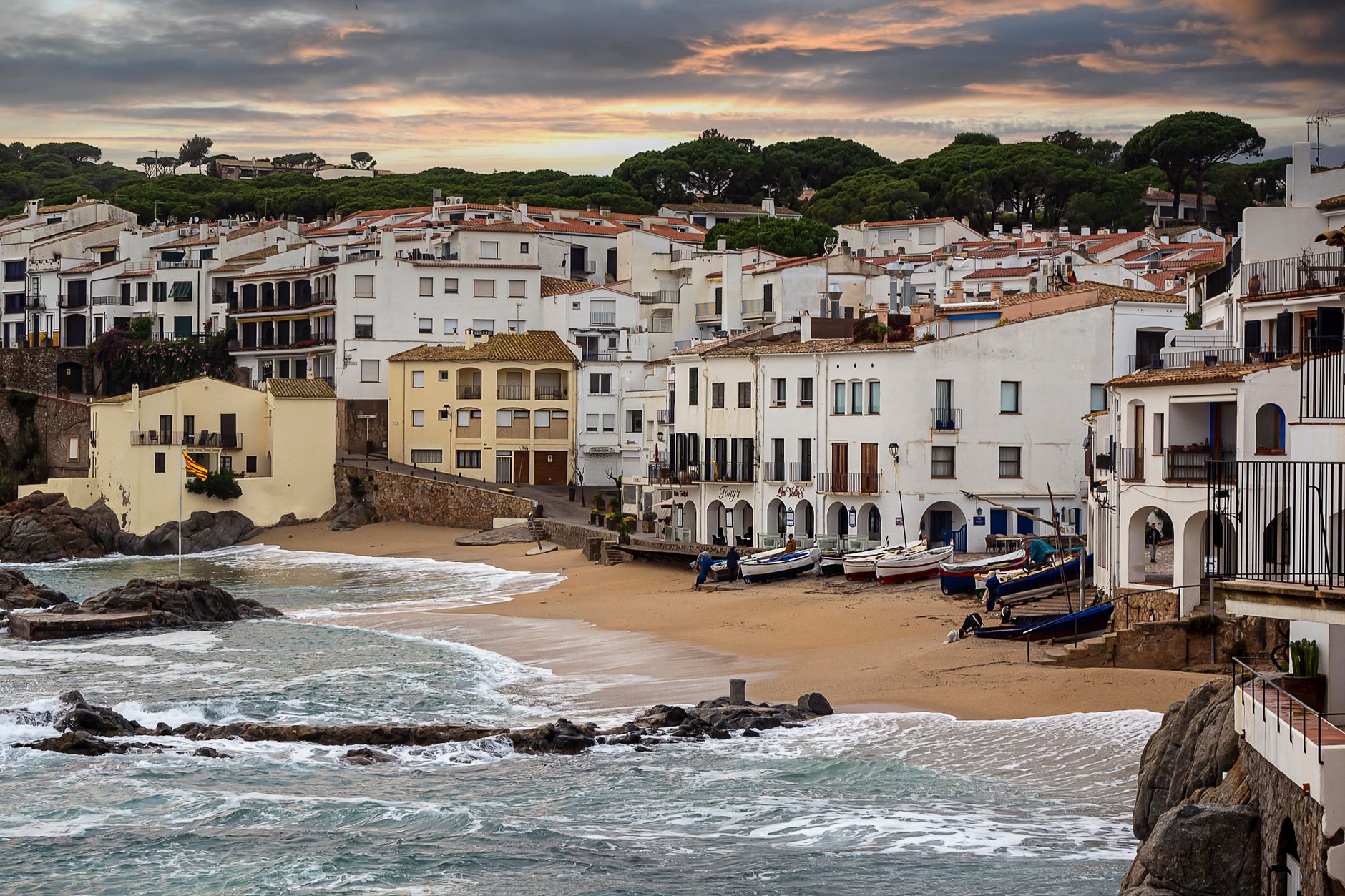
Barcelona is the anchor and most trips never leave it, which is a mistake but not a fatal one: Girona, Tarragona and the Costa Brava's coves are all within two hours by train or a short drive, and the Empordà behind them holds the best…
Minimum 4 days · better 7-8 days · deep 2 weeks
Pair It With




In Catalonia




In Catalonia






In Catalonia
































Linked from elsewhere
Entries that name this place in their own nearby lists.
Logistics are verified only. We don't publish schedules we haven't confirmed.
Ready to build Pa amb Tomàquet into a trip?
You've found a place worth going. When you're ready to turn discovery into an itinerary, Travel Itinerary Co picks up where the Field Guide leaves off — with your saved places already in hand.
Build this into a tripContinues on Travel Itinerary Co
Spain Field Guide may earn a commission when you book through selected links. Recommendations are editorial and independent of commission.