Álvaro Palacios (L'Ermita)
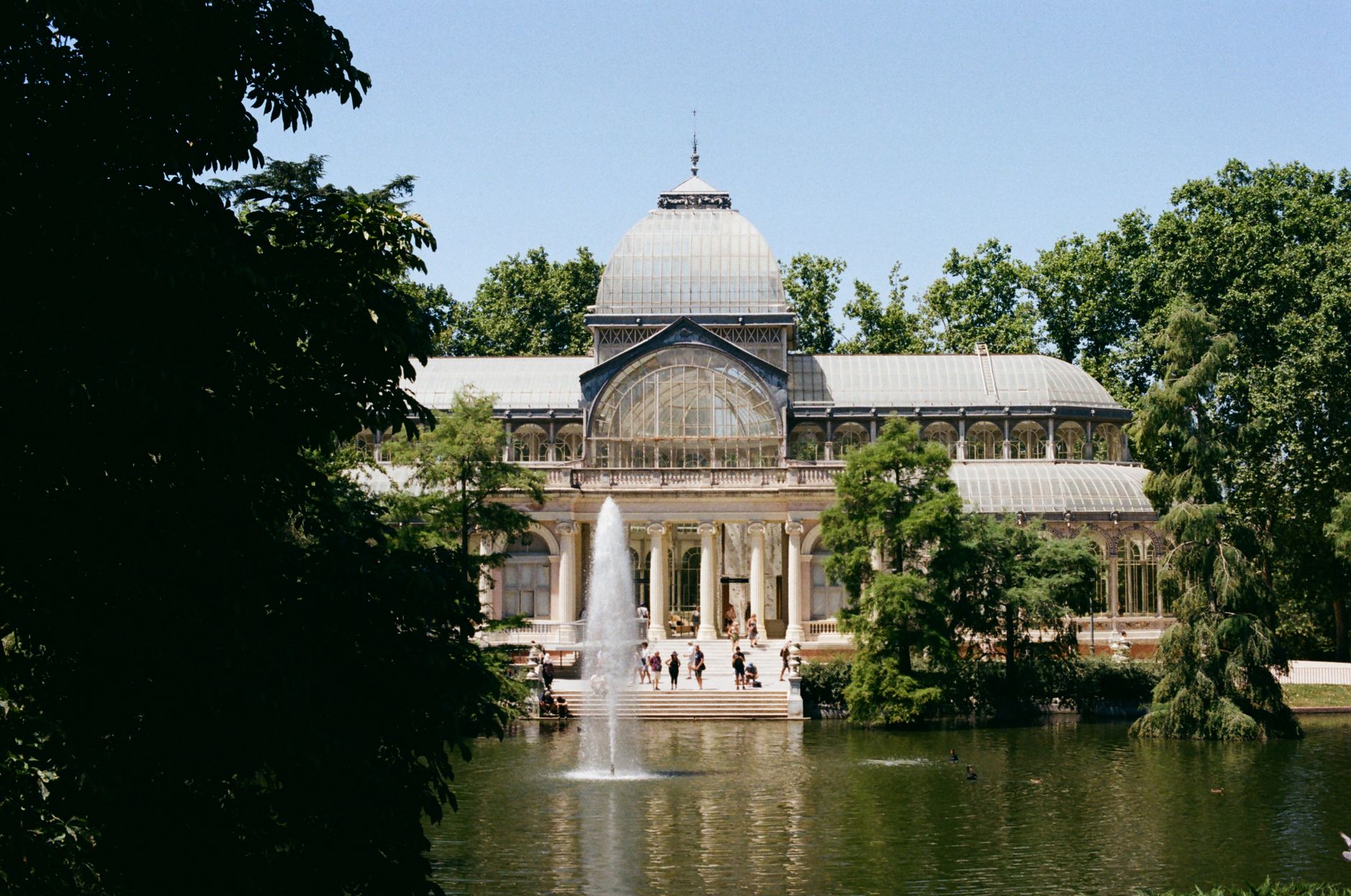
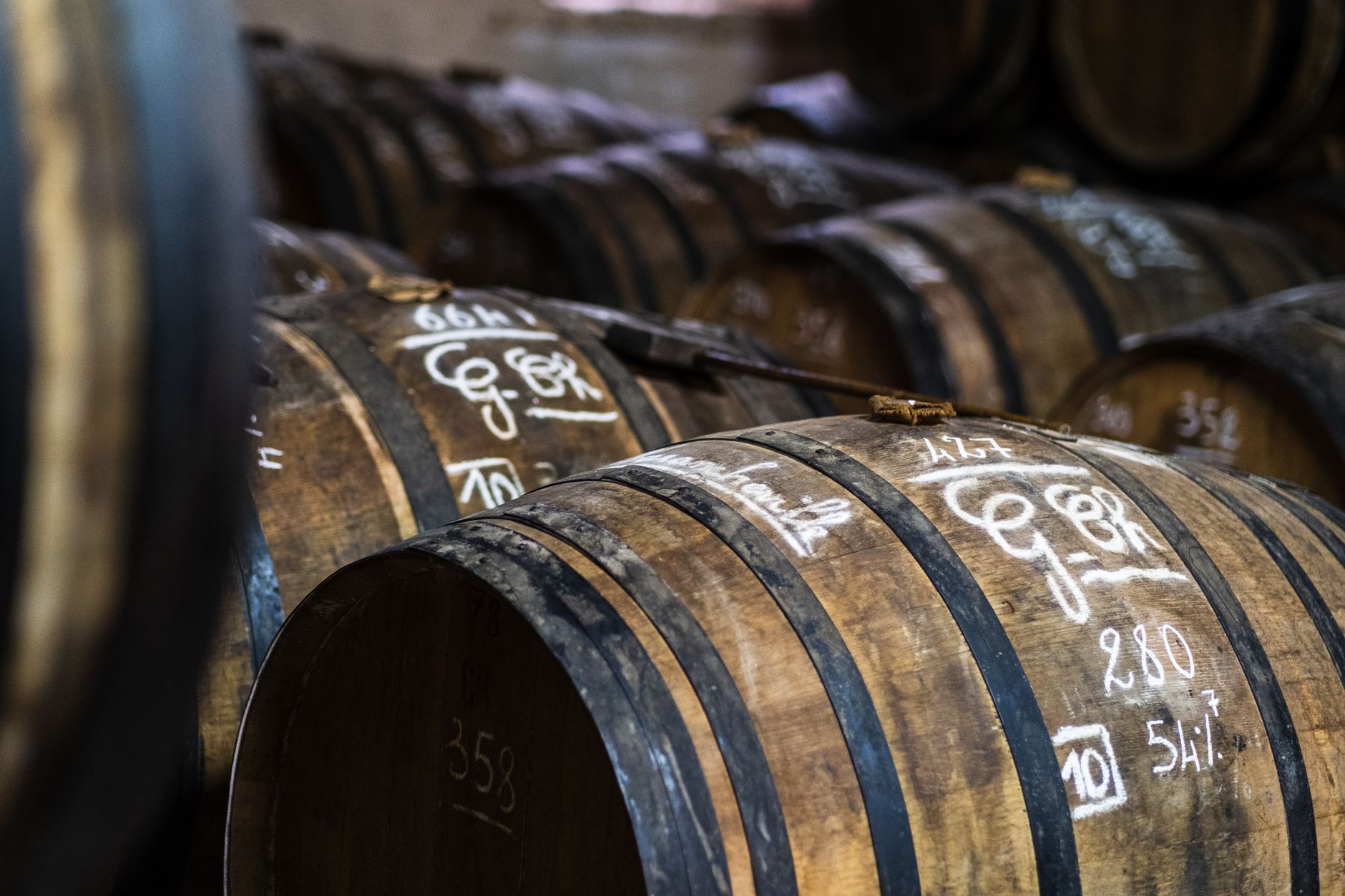
Tasting is by appointment and worth booking. L'Ermita is the trophy; Finca Dofí is the more accessible wine. Pair with Clos Mogador for the full Priorat story.
Spain's most famous modern winemaker — the Rioja dynasty heir who came to Priorat in 1989 and made L'Ermita, one of the world's most expensive and sought-after reds.
At a Glance
- — You don't chase expensive cult wines
Renowned for crafting L'Ermita, one of the most coveted and expensive reds in the world, this estate represents the pinnacle of modern Priorat ambition. The vineyards are steep, jagged, and impossible to cultivate by machine, forcing a return to ancient, manual labor on the deep slate hillsides. The wines produced here are dense, layered, and incredibly precise, reflecting the intense mineral character of the region. A visit feels exclusive and deliberate, centered on understanding how a visionary winemaker transformed a neglected, remote landscape into a global icon of the craft.
How it got here
Priorat gained recognition in the twelfth century when monks from Provence established Scala Dei. These monks cleared brush and planted vines on the llicorella slate that defines the landscape. The phylloxera epidemic brought ruin to these hills in the late nineteenth century causing mass depopulation as families moved toward industrial centers. Generations later winemakers arrived to reclaim the abandoned terraces. The work focuses on these slopes where old vines struggle against the poor soil. This effort revived viticulture in a forgotten corner of Catalonia and turned the slate hillsides into a site for precise low yield farming that honors the monastic tradition of the middle ages.
Where it sits
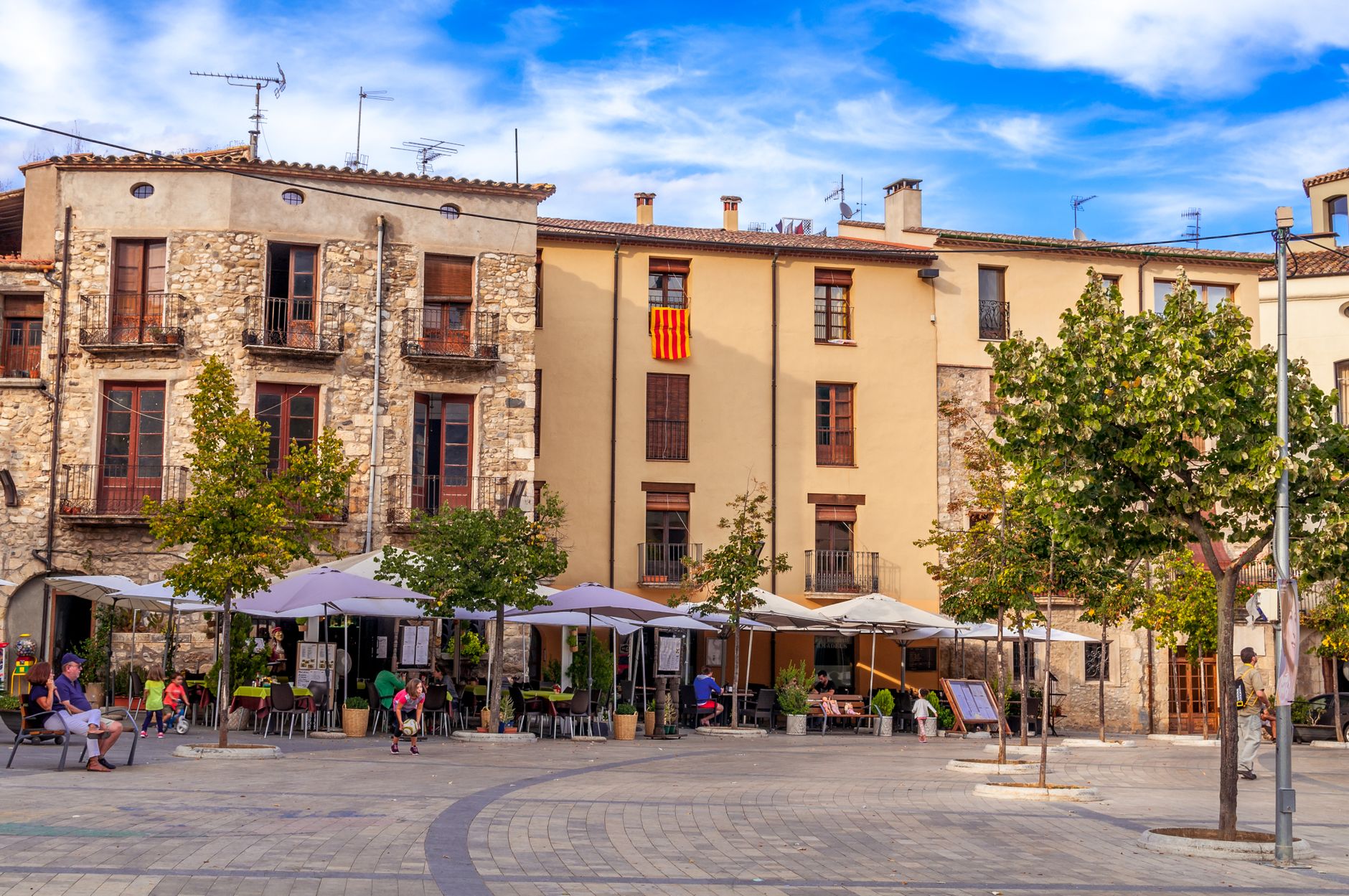
The terrain consists of narrow valleys and ridges carved from dark schist and slate. Winter mist clings to the slopes while summer heat radiates from the stones throughout the night. Sparse pine forests surround the vineyards that hug the hillsides on thin soil. Access requires navigating winding mountain roads that pass through villages built of local stone. These paths remain quiet during the harvest months when the primary activity involves manual labor on the terraces. The scarcity of level ground keeps development away leaving the hills dominated by rows of vines and scrub brush.
What to eat and drink
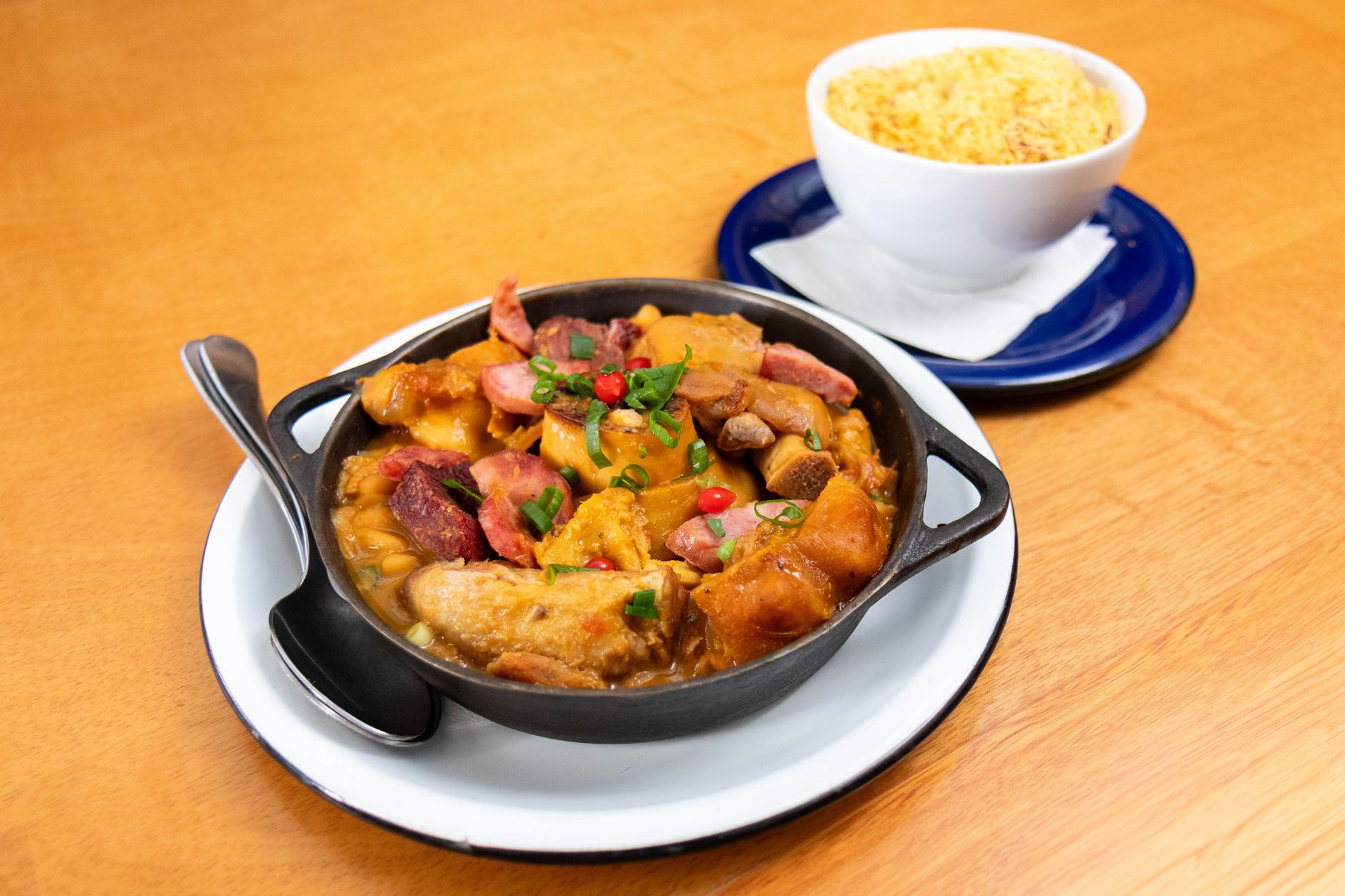
Priorat reds define the glass here with their concentration and structure derived from the slate soil. Local menus focus on hearty fare like escalivada which consists of roasted red peppers and eggplant with olive oil. Escudella i carn d'olla is the traditional stew of meat and seasonal vegetables served as a staple in mountain kitchens. Artisanal goat cheeses from the surrounding hills provide a sharp contrast to the density of the wine. Dried fruits and nuts like almonds harvested from the nearby groves round out a meal built on the produce of the Catalan countryside.
Catalonia: the whole region
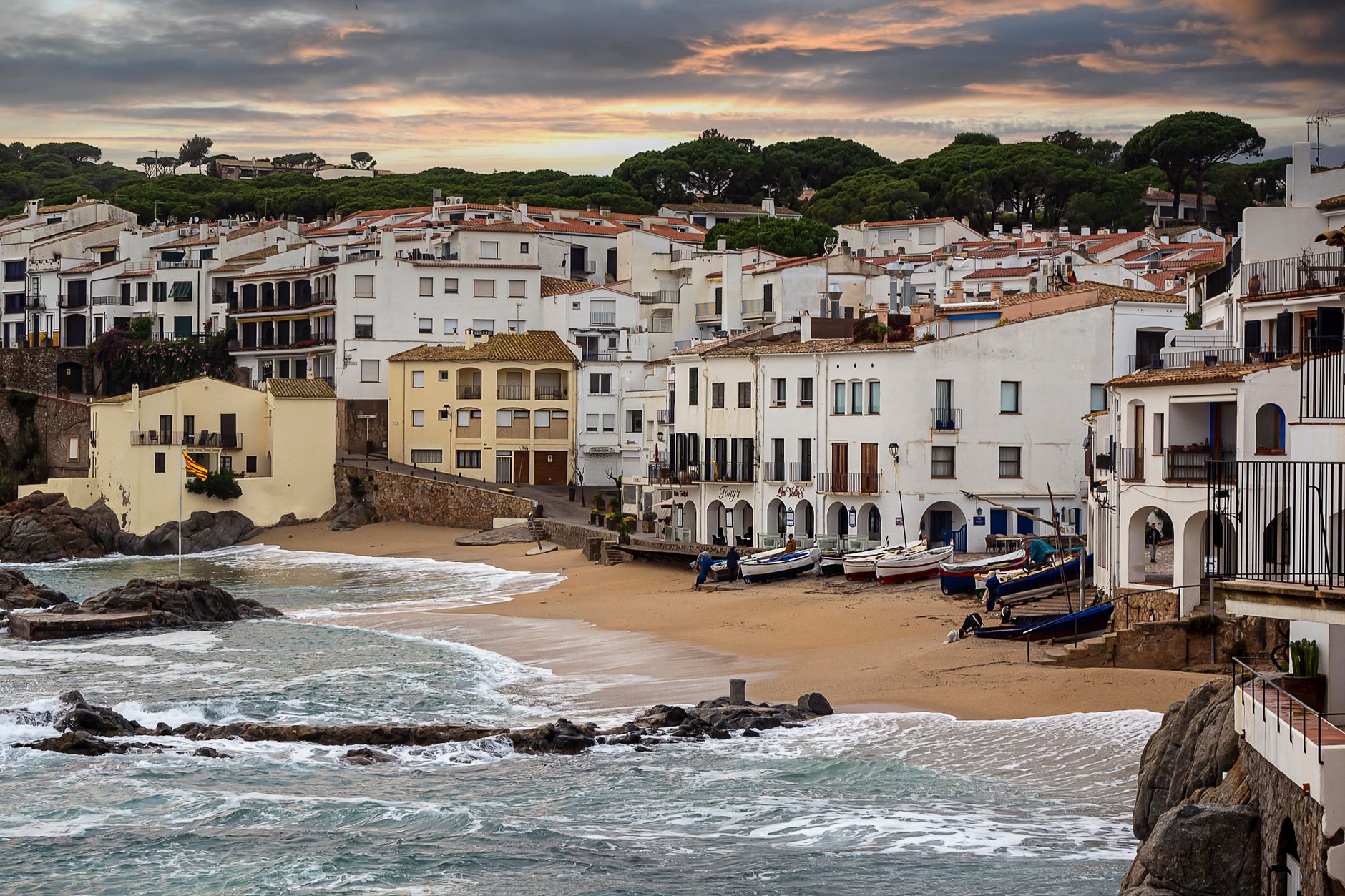
Barcelona is the anchor and most trips never leave it, which is a mistake but not a fatal one: Girona, Tarragona and the Costa Brava's coves are all within two hours by train or a short drive, and the Empordà behind them holds the best…
Minimum 4 days · better 7-8 days · deep 2 weeks
Pair It With



In Catalonia





In Catalonia



In Catalonia




















Logistics are verified only. We don't publish schedules we haven't confirmed.
Appears In
Ready to build Álvaro Palacios (L'Ermita) into a trip?
You've found a place worth going. When you're ready to turn discovery into an itinerary, Travel Itinerary Co picks up where the Field Guide leaves off — with your saved places already in hand.
Build this into a tripContinues on Travel Itinerary Co
Spain Field Guide may earn a commission when you book through selected links. Recommendations are editorial and independent of commission.