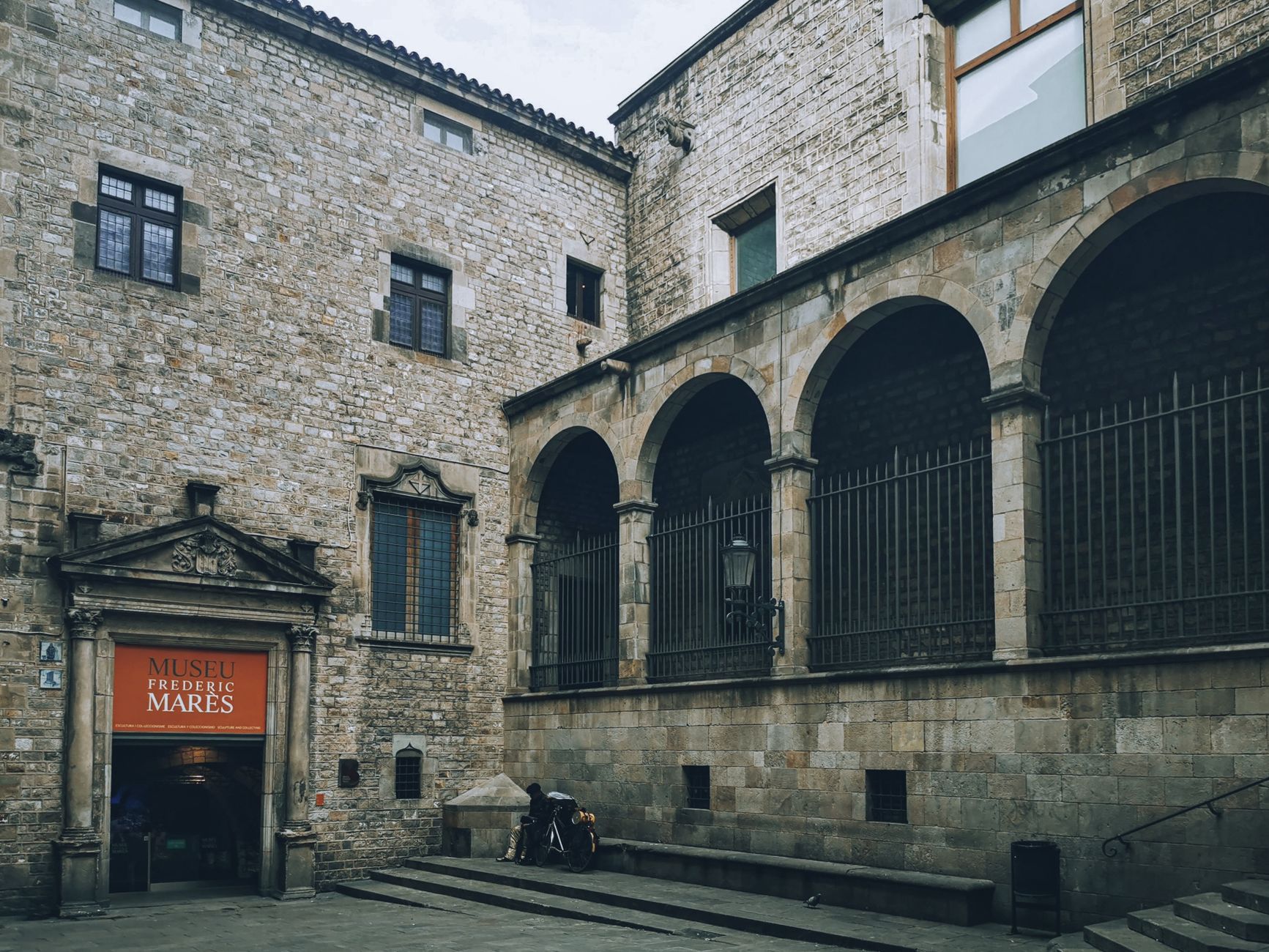
Museu Nacional d'Art de Catalunya
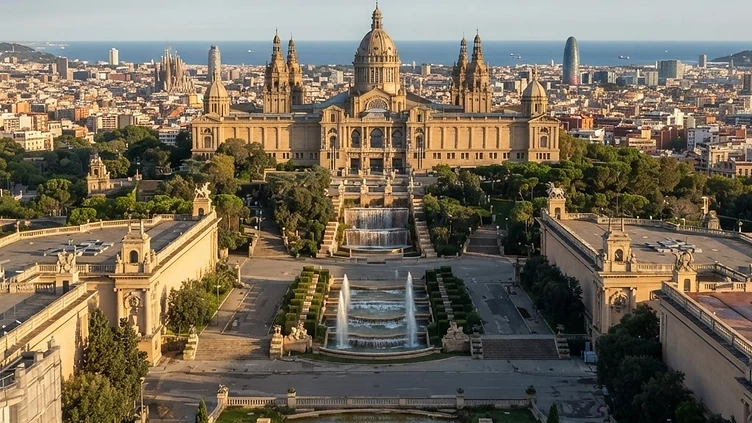
Two to three hours with the Romanesque rooms as the priority and the rest as optional. Go in the afternoon, when the light on the fountains outside is at its best.
The Romanesque apse paintings, and the best view from a museum in Barcelona.
At a Glance
- — You want the highlights of European painting; this is Catalan art
The national collection, best known for the Romanesque church interiors and frescoes rescued from Pyrenean churches and rebuilt inside the museum, which is unlike anything else in Europe. Above them are Gothic, Renaissance and Modernista collections that most visitors never reach, and a terrace over the city.
How it got here
The Palau Nacional was constructed for the 1929 International Exhibition, a massive neoclassical structure built to project Catalan cultural ambition during a period of rapid industrial growth. It occupied the hill of Montjuïc, a site previously cleared of its military fortifications and repurposed for civic pride. Since 1934, the building held the collection of Catalan art salvaged from rural churches across the Pyrenees. These frescoes, detached from their original stone walls during the early twentieth century, established the museum as a repository for Romanesque art. The institution charts the trajectory of Catalan identity from the middle ages through the industrial innovations of the nineteenth century.
Where it sits
Montjuïc rises abruptly over the city, a plateau of gardens and exhibition halls between the port and the residential quarters. Broad stone staircases climb toward the museum facade, which looks across the sprawl of the Eixample toward the mountains beyond. Summer humidity hangs heavy on the hillside, while winter brings clear, sharp light from the Mediterranean. The grounds remain a destination for afternoon walks, though the scale of the architecture makes the surrounding plazas feel quiet even when the city center crowds overflow. Buses and funiculars bridge the climb from the coastal plain to the high ground.
What to eat and drink
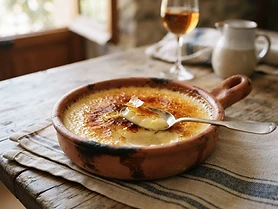
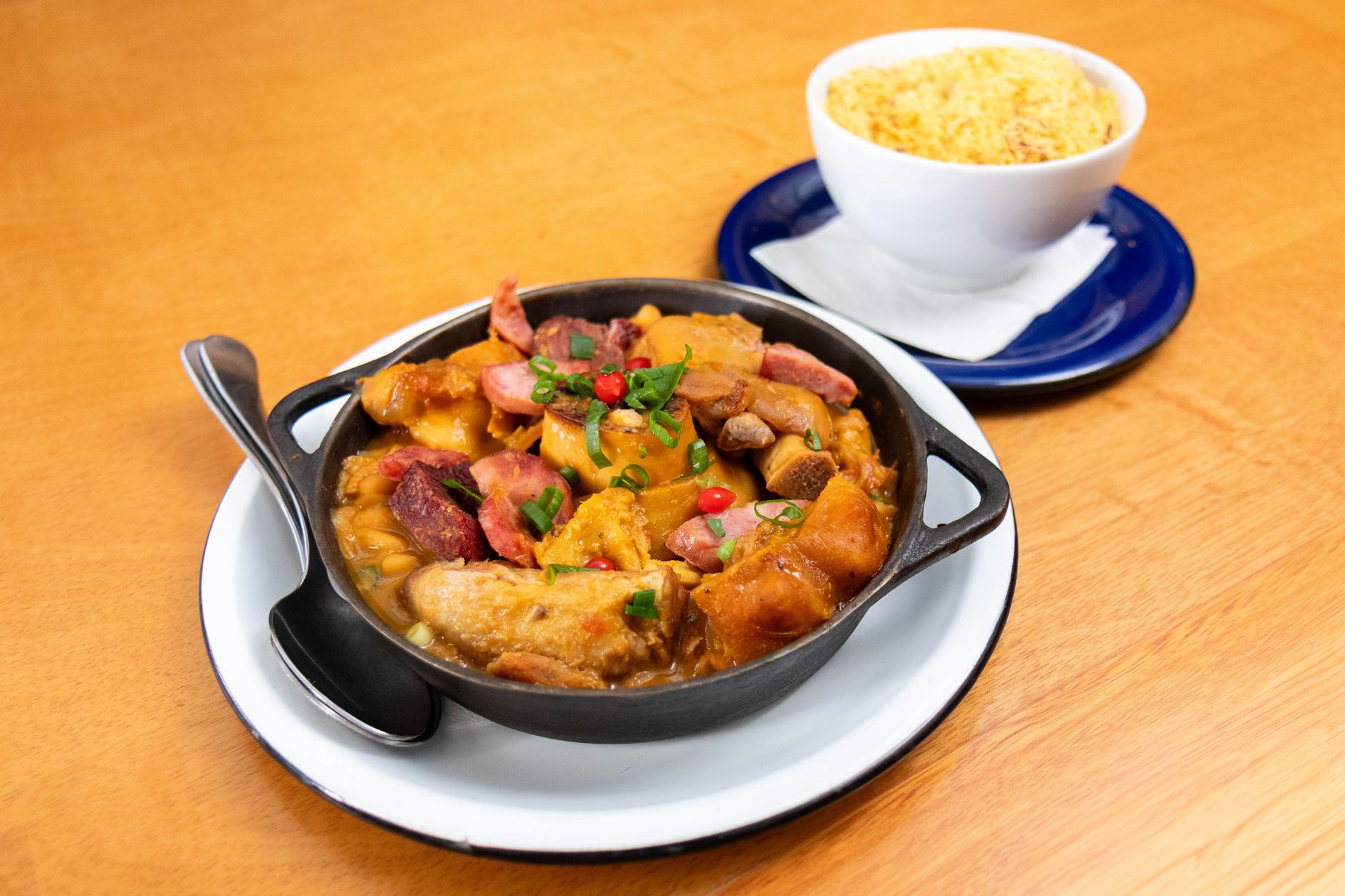
The dining culture of Catalonia relies on the contrast between the sea and the mountain slopes. Escudella i carn d'olla, a hearty stew of meat and vegetables, provides the foundation of the winter diet. Suquet de peix, a fisherman’s potato and seafood stew, utilizes the daily catch from the coast. To accompany these, diners choose a glass of Penedès red or white wine from the nearby vineyards. Crema catalana, a custard thickened with starch and topped with a burnt sugar crust, finishes the midday meal, followed by a glass of herbal ratafia from the rural interior.
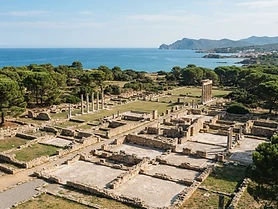
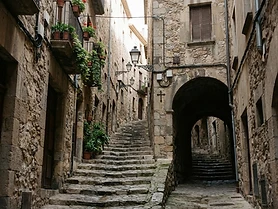
Catalonia: the whole region
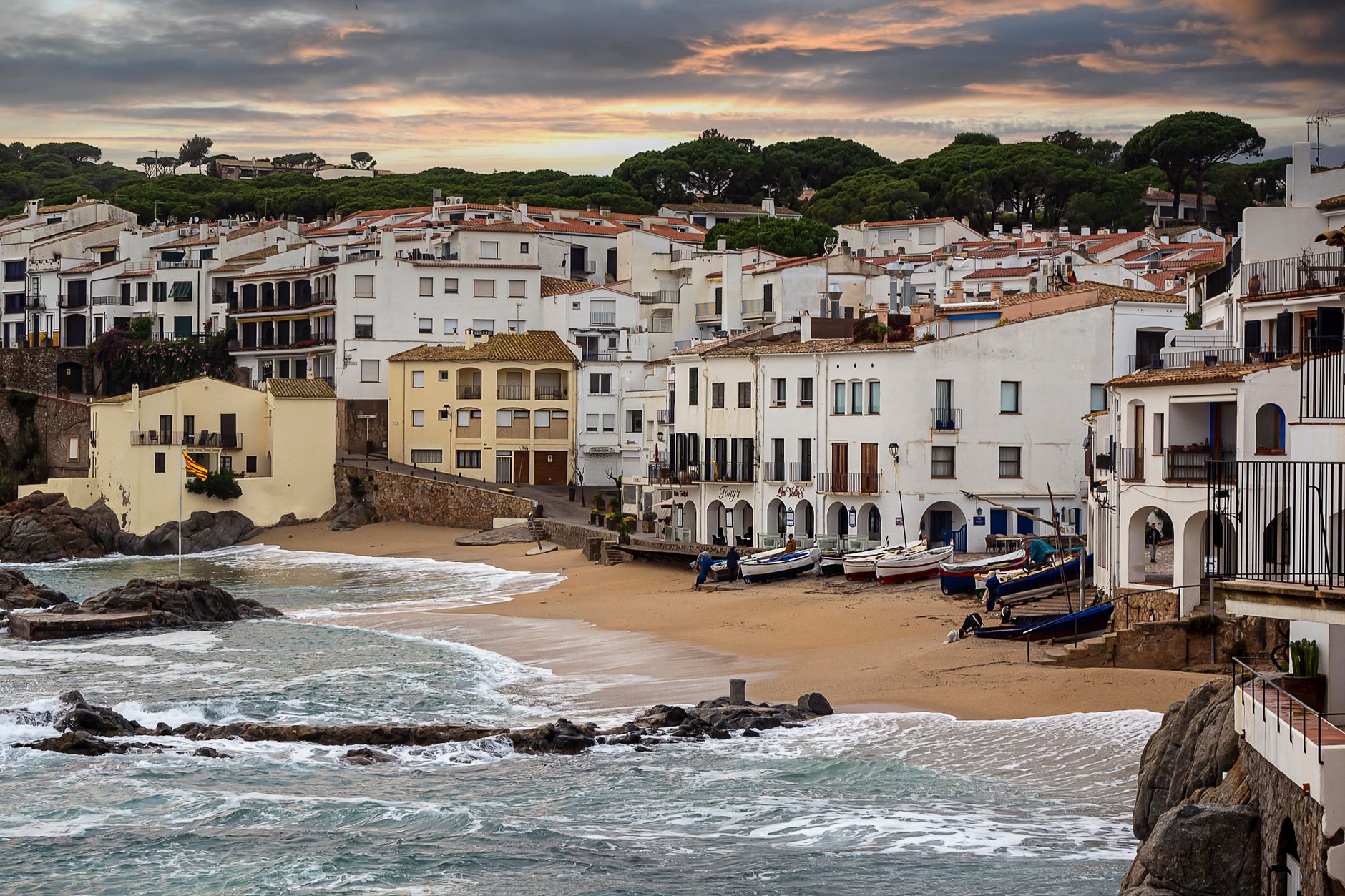
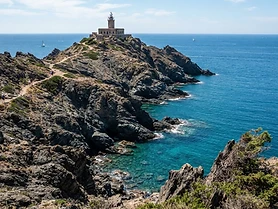
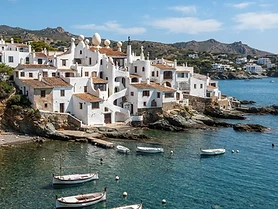
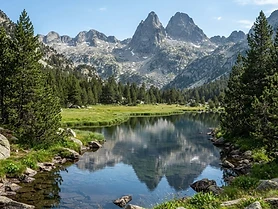
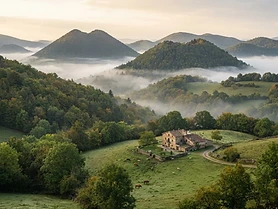
Barcelona is the anchor and most trips never leave it, which is a mistake but not a fatal one: Girona, Tarragona and the Costa Brava's coves are all within two hours by train or a short drive, and the Empordà behind them holds the best…
Minimum 4 days · better 7-8 days · deep 2 weeks

Pair It With

In Catalonia





In Catalonia





In Catalonia


















Logistics are verified only. We don't publish schedules we haven't confirmed.
Ready to build Museu Nacional d'Art de Catalunya into a trip?
You've found a place worth going. When you're ready to turn discovery into an itinerary, Travel Itinerary Co picks up where the Field Guide leaves off — with your saved places already in hand.
Build this into a tripContinues on Travel Itinerary Co
Spain Field Guide may earn a commission when you book through selected links. Recommendations are editorial and independent of commission.