Monastery of Santes Creus
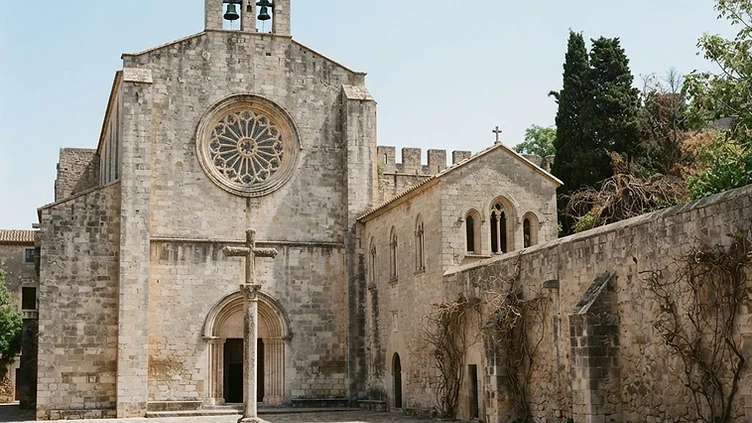
The quiet half of the Ruta del Cister: Poblet has the scale, Santes Creus the stillness, and its Gothic cloister is the better of the two. Two hours here at least, and do not try to do the whole route in a morning.
A Cistercian abbey in the Alt Camp with a 14th-century cloister, royal tombs and a fortified royal gate — the calmest of the three monasteries on the Ruta del Cister.
At a Glance
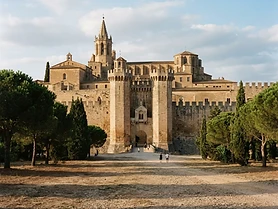
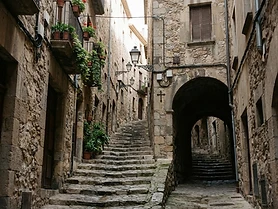
This Cistercian abbey on the Catalan route feels frozen in a state of fortified, serene isolation. The Gothic cloister, refined by the hand of a Moorish master-builder, is a marvel of geometric precision and delicate stone tracery that contrasts with the heavy, defensive exterior walls. Royal tombs lie within the quiet, vaulted halls, contributing to a sense of solemnity that defines the abbey's atmosphere as a place of royal retreat and strictly observed monastic rule.
How it got here
Founding monks settled this valley in the twelfth century under the protection of the counts of Barcelona. The abbey reached its height in the thirteenth and fourteenth centuries as the preferred pantheon for the kings of the Crown of Aragon. Peter III and James II chose this site for their final rest, embedding the monastery into the political heart of the Mediterranean empire. When the monastic order eventually departed in the nineteenth century, the site lost its daily ritual rhythm but kept its defensive walls and royal tombs as markers of a period when power centered on these stone cloisters.
Where it sits
The abbey sits along the Gaià river in a landscape of dry stone terraces and almond groves. This corner of Tarragona avoids the heavy coastal tourism, keeping a quiet pace dictated by the seasonal cycle of the harvest. Deep winter brings sharp frost from the inland hills while spring softens the limestone outcrops with wild rosemary and thyme. Secondary roads wind through the valleys, connecting scattered villages that hold few distractions. Silence dominates the valley floor during the work week, punctuated only by the occasional passage of farm vehicles through the narrow valley tracks.
What to eat and drink
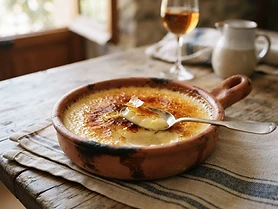
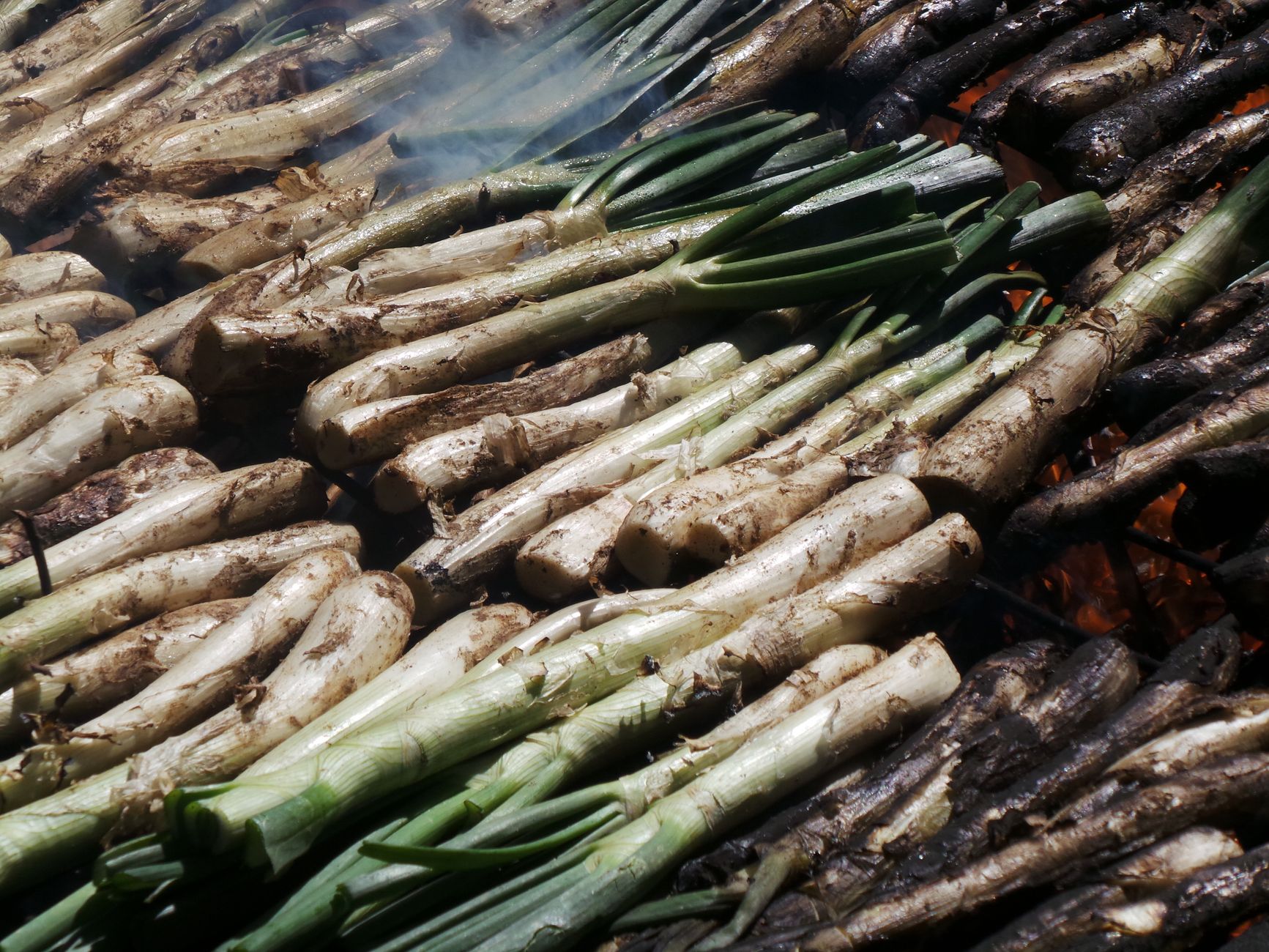
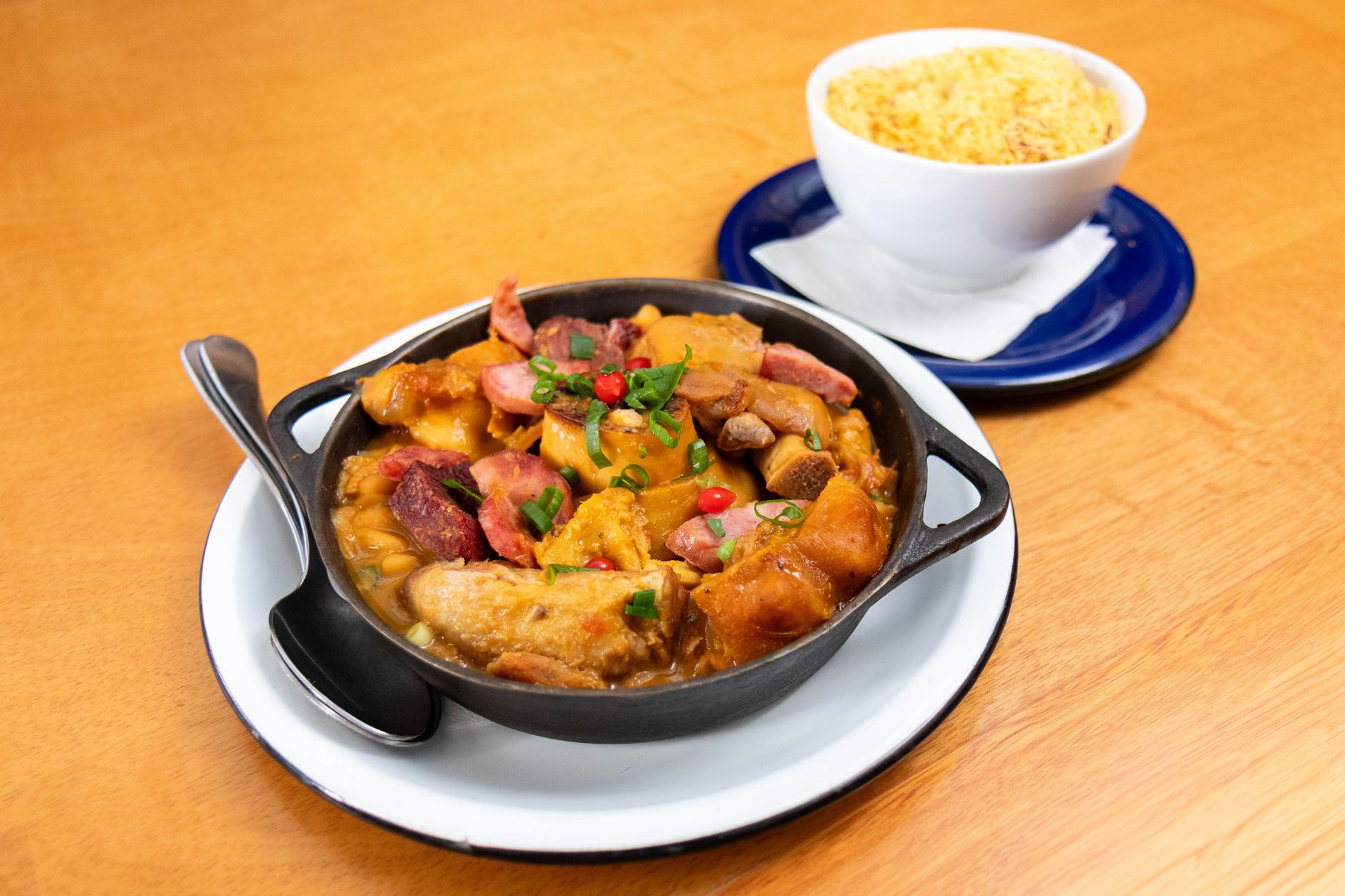
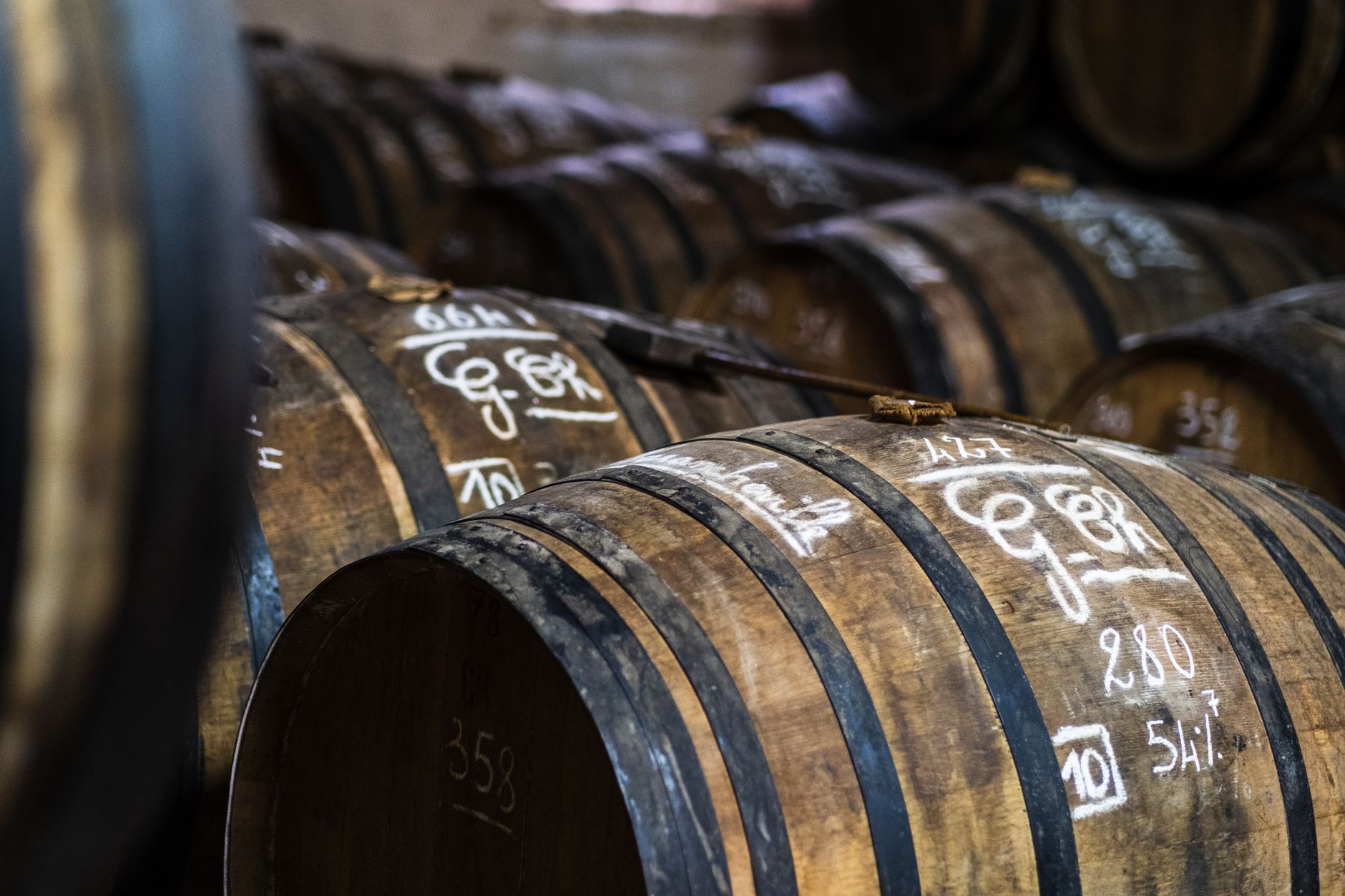
Cava, the sparkling wine produced in the surrounding Penedès vineyards, dominates the local glass. Plates rely on the staples of the Tarragona countryside, where hazelnuts and almonds feature in both savory and sweet preparations. Calçots, green onions charred over an open flame and dipped in romesco sauce, mark the winter months. Escudella, a dense soup of chickpeas, potato, and cured pork, provides the necessary calories for the inland climate. The local olive oil, pressed from the Arbequina variety, finishes most dishes with a distinct, buttery profile that defines the taste of the province.
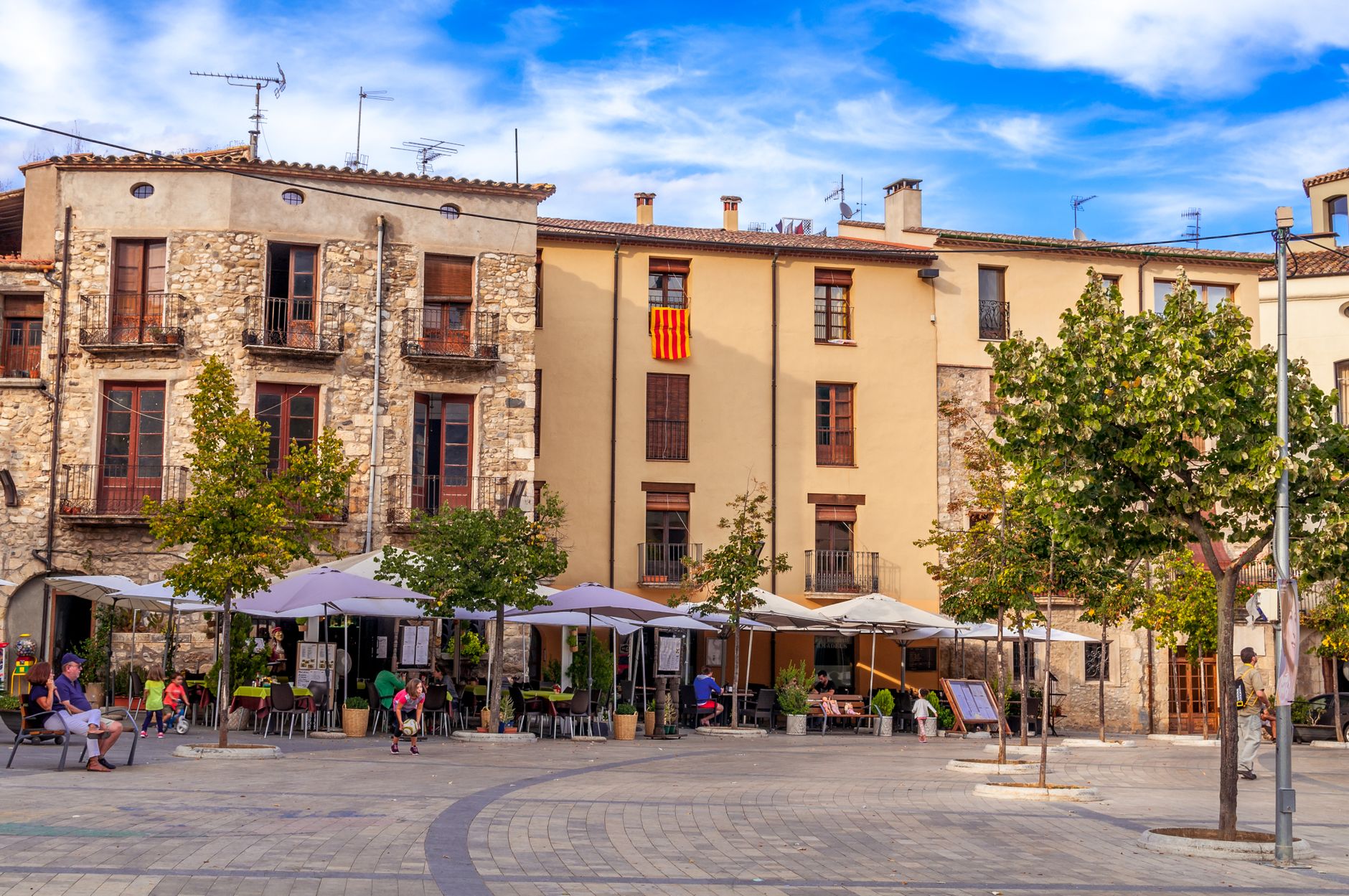
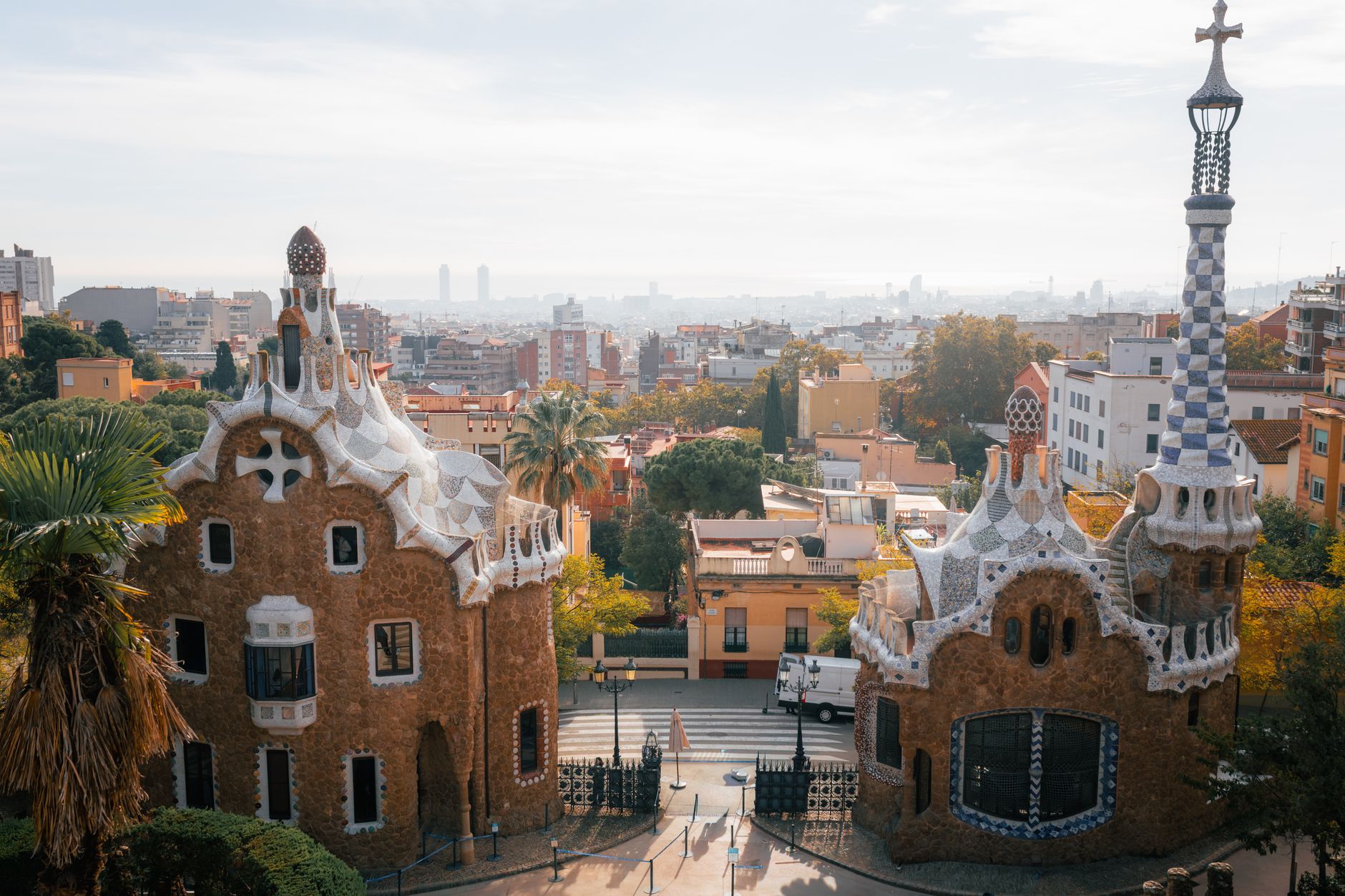
Catalonia: the whole region
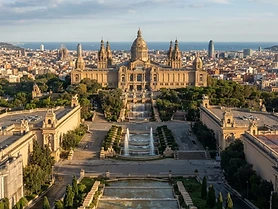
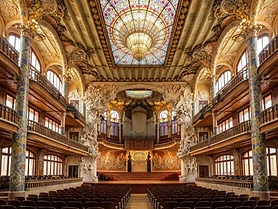
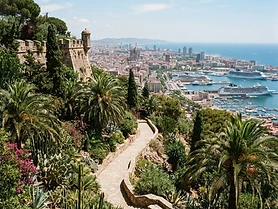
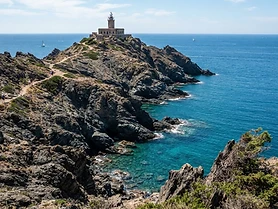
Barcelona is the anchor and most trips never leave it, which is a mistake but not a fatal one: Girona, Tarragona and the Costa Brava's coves are all within two hours by train or a short drive, and the Empordà behind them holds the best…
Minimum 4 days · better 7-8 days · deep 2 weeks

In Catalonia





In Catalonia





In Catalonia
















Logistics are verified only. We don't publish schedules we haven't confirmed.
Appears In
Ready to build Monastery of Santes Creus into a trip?
You've found a place worth going. When you're ready to turn discovery into an itinerary, Travel Itinerary Co picks up where the Field Guide leaves off — with your saved places already in hand.
Build this into a tripContinues on Travel Itinerary Co
Spain Field Guide may earn a commission when you book through selected links. Recommendations are editorial and independent of commission.