Tarragona
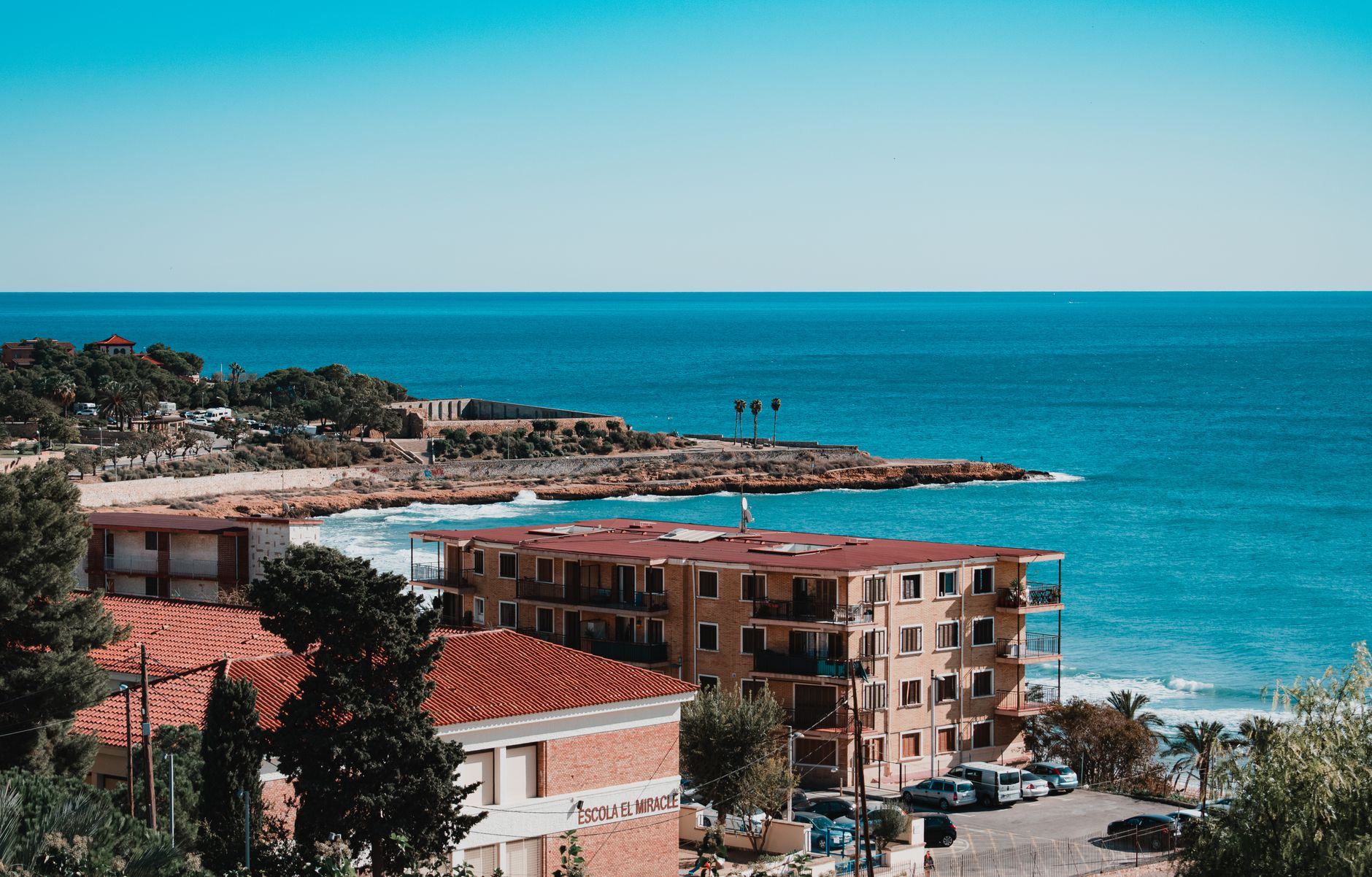
A rewarding stop south of Barcelona. The Roman ruins and the beach make a good half day.
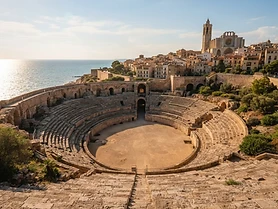
A Roman amphitheater on a cliff above the sea, in a livable Catalan city that's far less crowded than Barcelona.
At a Glance
- — You're not on the Costa Daurada or south of Barcelona
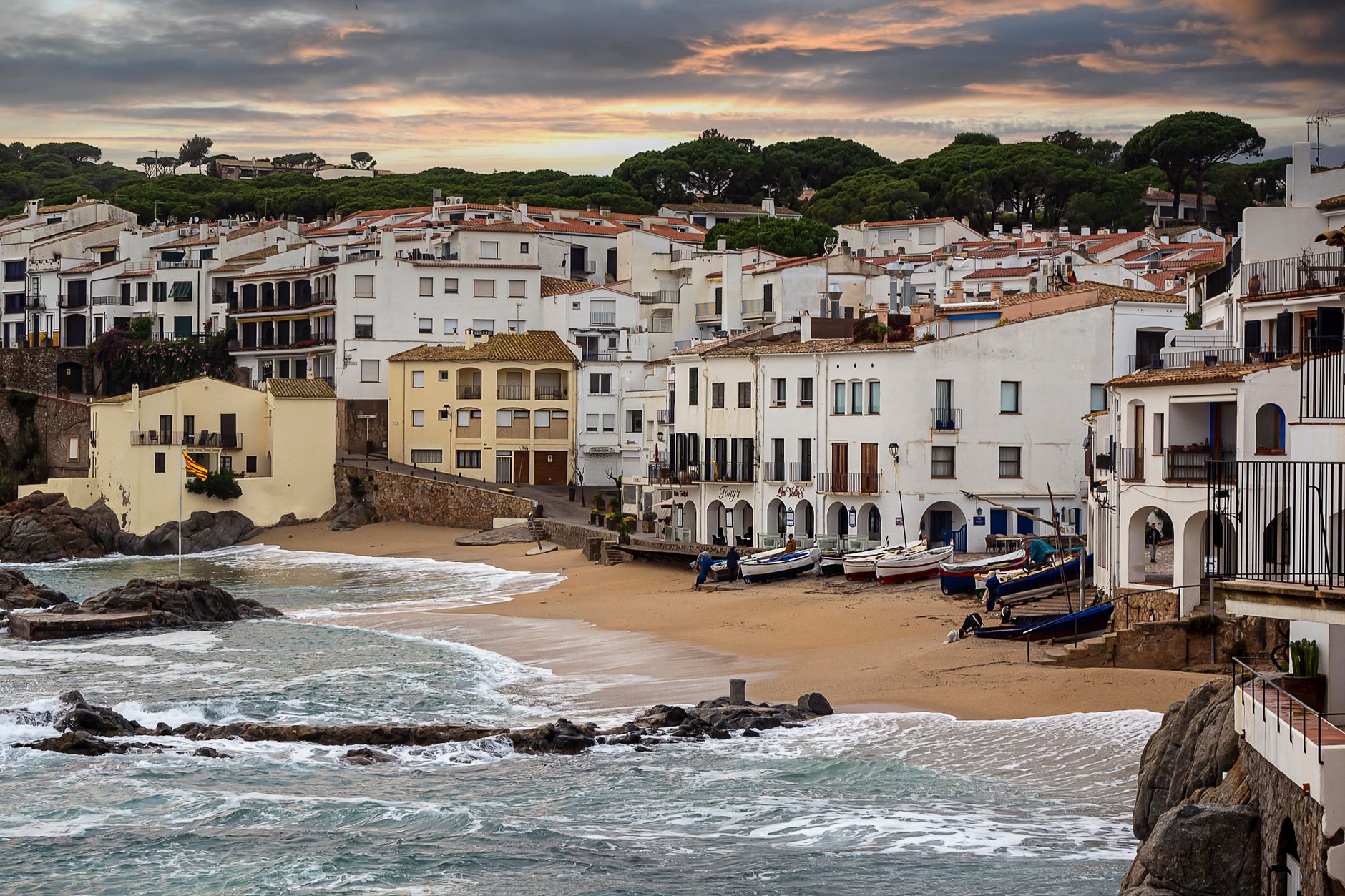
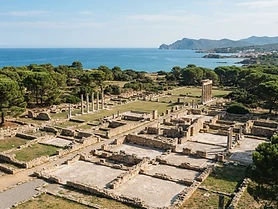
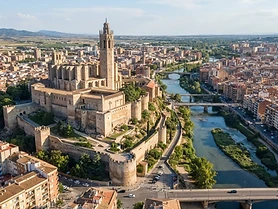
Perched on a cliff overlooking the Mediterranean, this city holds a Roman amphitheater where the ancient stone seats now face the blue horizon. It feels like a living, breathable piece of Catalonia, avoiding the frantic, crowded energy of its neighbor to the north. You can spend your morning walking through centuries-old ruins and your afternoon shifting your weight on the warm, fine sand of the beach below.
How it got here
Scipio Africanus established a military camp here in 218 BC during the Second Punic War, laying the foundations for Tarraco. Augustus stayed in the city between 26 and 25 BC, designating it the capital of Hispania Tarraconensis. The town served as the administrative and religious center for this vast imperial province for centuries. Evidence of this Roman administration persists in the massive walls, the circus, and the seaside amphitheater. After the Roman period, the city endured centuries of decline and conflict, changing hands between Christian and Muslim forces during the eleventh and twelfth centuries. These successive periods left a distinct architectural palimpsest that dictates the current urban layout.
Where it sits
The city sits on a coastal terrace overlooking the Mediterranean Sea. Inland from the cliff edges, the land transitions into the flat, productive plains of the Camp de Tarragona, where hazelnut groves and vineyards dominate the soil. Rail lines link the city directly to the dense urban corridor of the Catalan coast, yet the atmosphere here moves with a slower cadence than the metropolis to the north. Winters stay mild and damp while summers bring intense sun, drying the air and drawing residents toward the coastal breeze. The proximity to the sea creates a maritime climate that keeps the evenings temperate even during August.
What to eat and drink
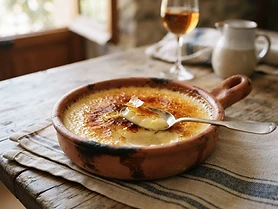
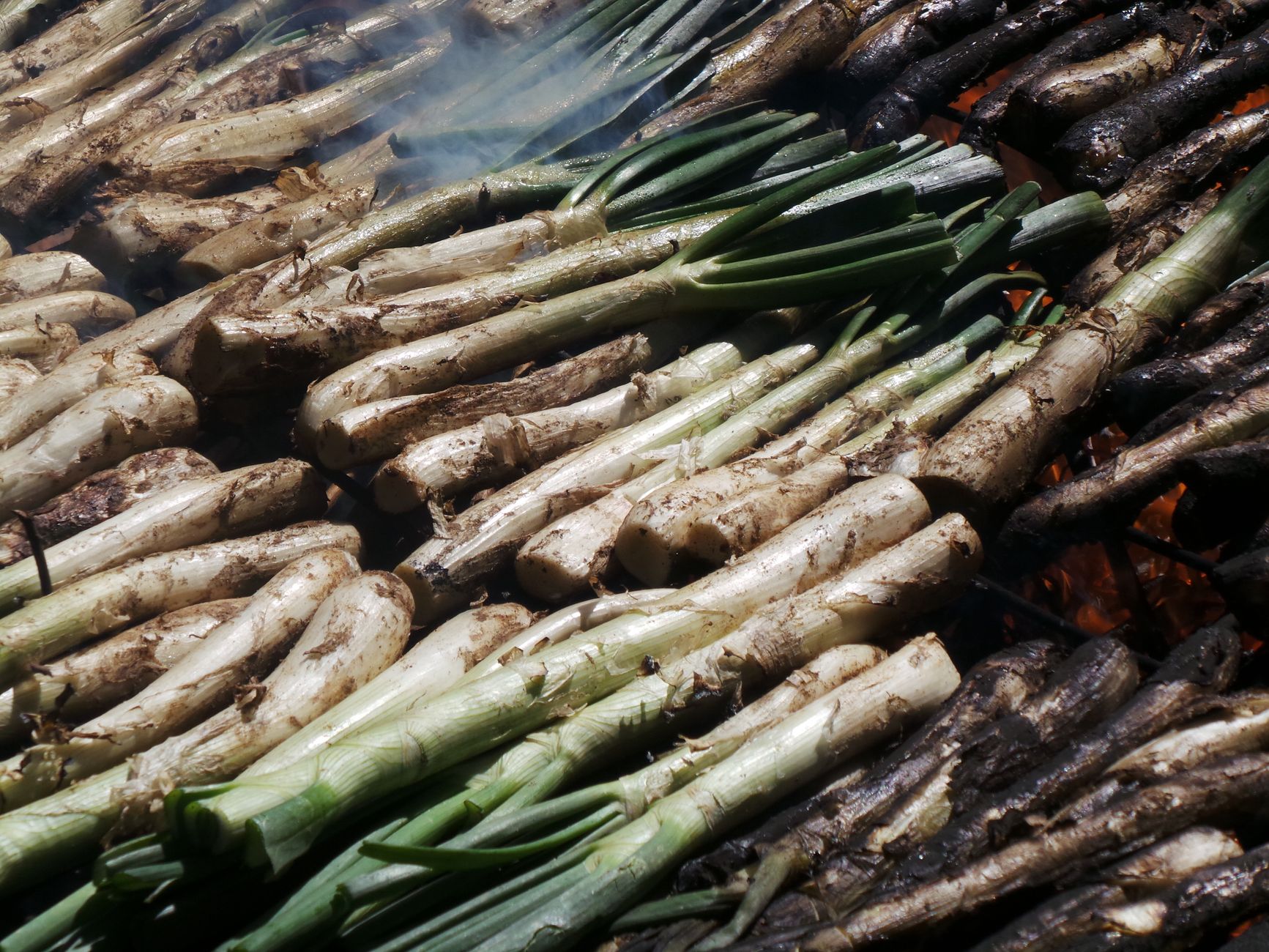
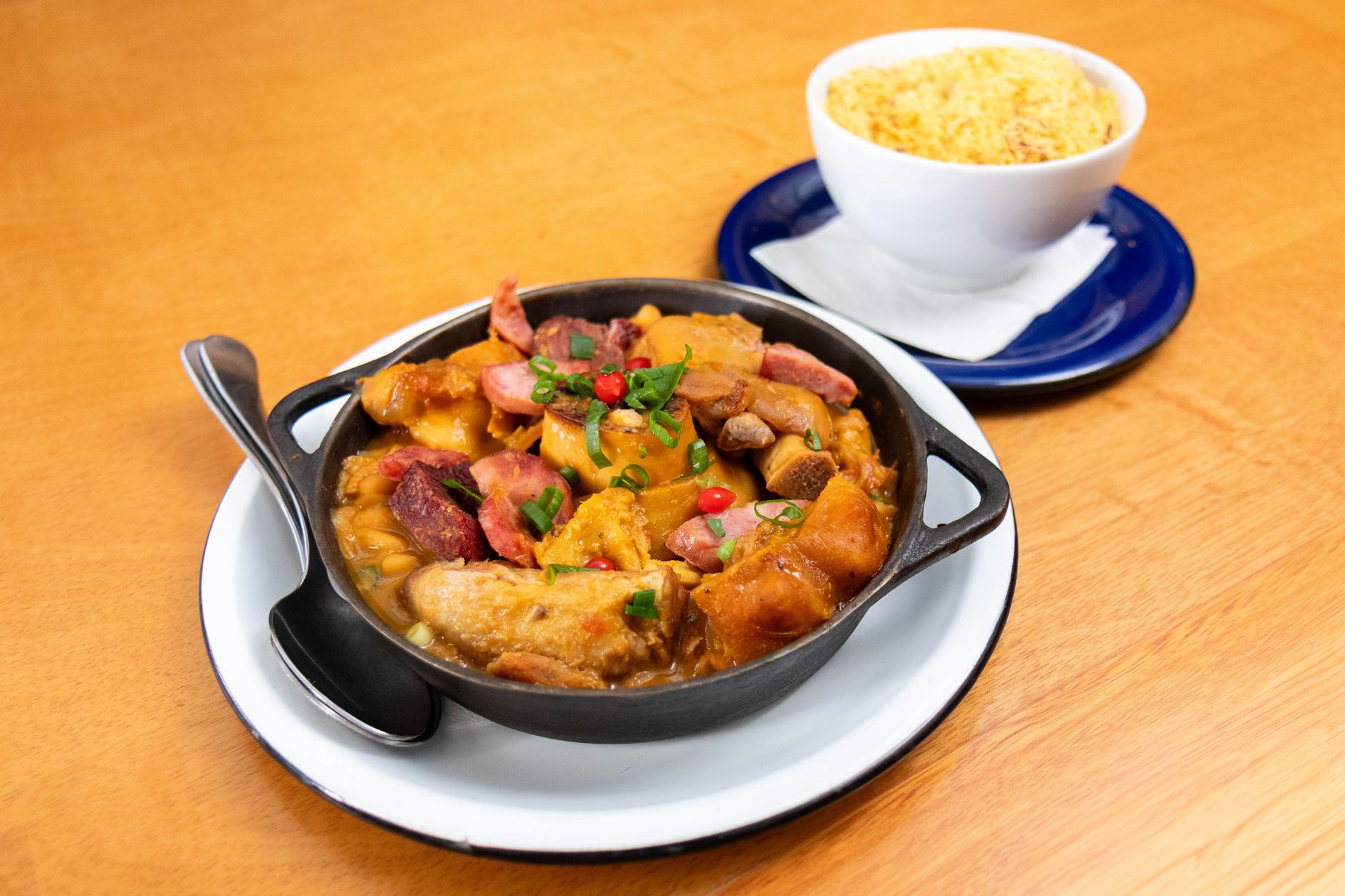
Romesco remains the essential sauce of the coastal district, ground from toasted almonds, hazelnuts, nyora peppers, garlic, and olive oil. It coats charred calçots, the tender green onions harvested in late winter, during communal feasts. The maritime legacy dictates a reliance on fresh catch from the nearby harbor, often prepared as suquet de peix, a slow-simmered fish stew thickened with picada. Diners finish these meals with local Cava, the sparkling wine produced in the vineyards of the surrounding Penedès, or a glass of dry Priorat red, which captures the mineral intensity of the inland slate hills.
Catalonia: the whole region
Barcelona is the anchor and most trips never leave it, which is a mistake but not a fatal one: Girona, Tarragona and the Costa Brava's coves are all within two hours by train or a short drive, and the Empordà behind them holds the best…
Minimum 4 days · better 7-8 days · deep 2 weeks

What's Nearby

Pair It With

In Catalonia







In Catalonia





In Catalonia



















Linked from elsewhere
Entries that name this place in their own nearby lists.



Logistics are verified only. We don't publish schedules we haven't confirmed.
Appears In
Experiences worth booking ahead
Spain Field Guide may earn a commission when you book through selected links. Recommendations are editorial and independent of commission.
Ready to build Tarragona into a trip?
You've found a place worth going. When you're ready to turn discovery into an itinerary, Travel Itinerary Co picks up where the Field Guide leaves off — with your saved places already in hand.
Build this into a tripContinues on Travel Itinerary Co
Spain Field Guide may earn a commission when you book through selected links. Recommendations are editorial and independent of commission.