Montsant

Priorat's value alternative. Visit Clos Mogador's sister estates or Capçanes. If you can't get Priorat allocations, Montsant delivers the same grapes for half.
The DO ring around Priorat — same slate soils and Garnacha/Cariñena grapes, gentler slopes, lower prices, and a reputation catching its famous neighbor.
At a Glance
- — You can't tell it from Priorat
Shaped by the same dramatic, crumbling slate soils as its famous neighbor, Priorat, this region offers a more accessible route into Catalonia’s boldest red wines. Deep in the rugged interior, sun-drenched Garnacha and Cariñena vines cling to steep, terraced slopes, yielding concentrated liquids that taste of crushed berries, granite, and wild mountain herbs. The cellars here are often small and family-run, devoid of the flashy crowds found elsewhere. For those who appreciate a full-bodied, structured wine at a fraction of the cost, these rustic, high-altitude vineyards are a quiet revelation.
How it got here
Wine production in this part of Catalonia dates to the twelfth century when Carthusian monks established the monastery at Scala Dei. For centuries, the surrounding countryside provided the grapes for the monastic economy. The phylloxera epidemic of the late nineteenth century devastated the vineyards, causing a collapse in production and a long period of rural depopulation. Recovery began in the late twentieth century as winemakers recognized the potential of the llicorella slate soils. This shift transformed the local economy from a reliance on mixed farming to a focus on viticulture, preserving the traditional terraced architecture that defined the landscape during the monastic era.
Where it sits
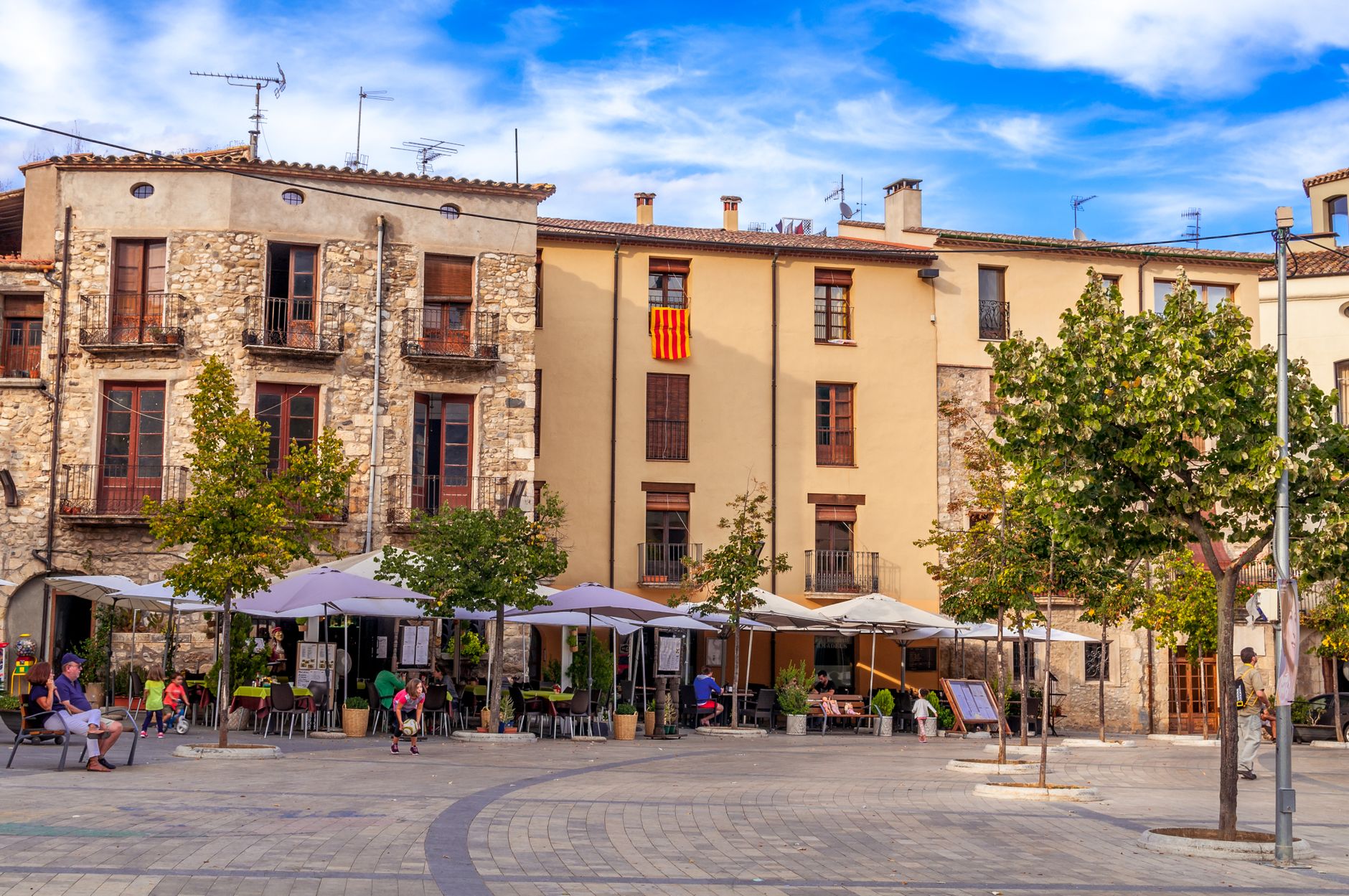
The mountains form a rugged circle around the Priorat region, shielding the vines from Mediterranean winds. Limestone cliffs rise above the vineyards, while narrow roads wind through the valleys to connect the small villages. In autumn, the vines turn deep shades of copper against the grey slate soil. Summer heat lingers on the slopes until nightfall, but winter temperatures drop sharply due to the high elevation. Visitors travel from Reus or Tarragona to reach these hills, finding quiet paths and unpaved tracks that lead directly into the working heart of the vineyards.
What to eat and drink
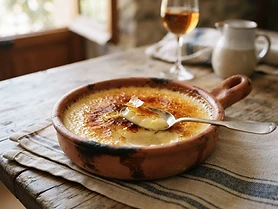
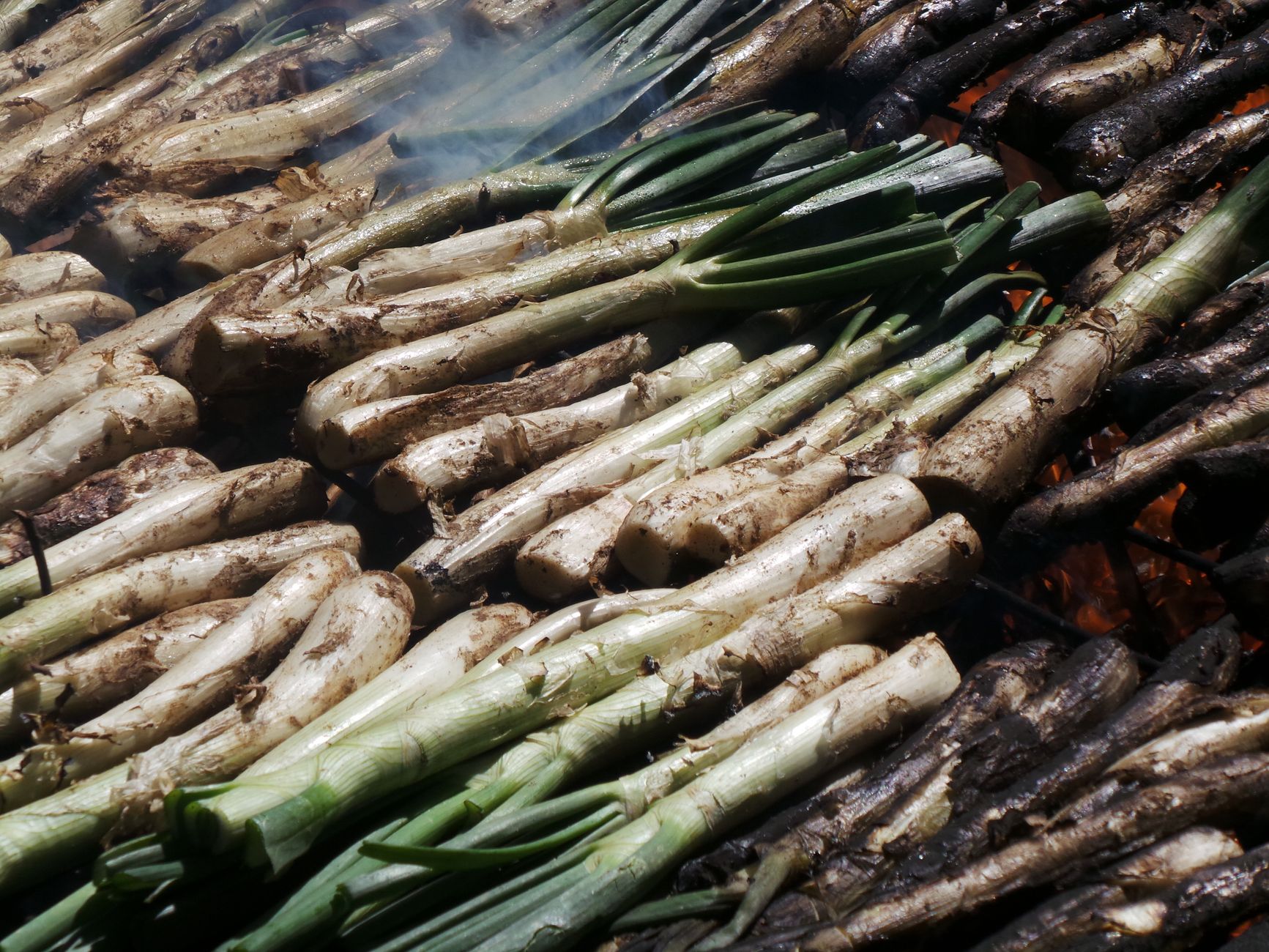
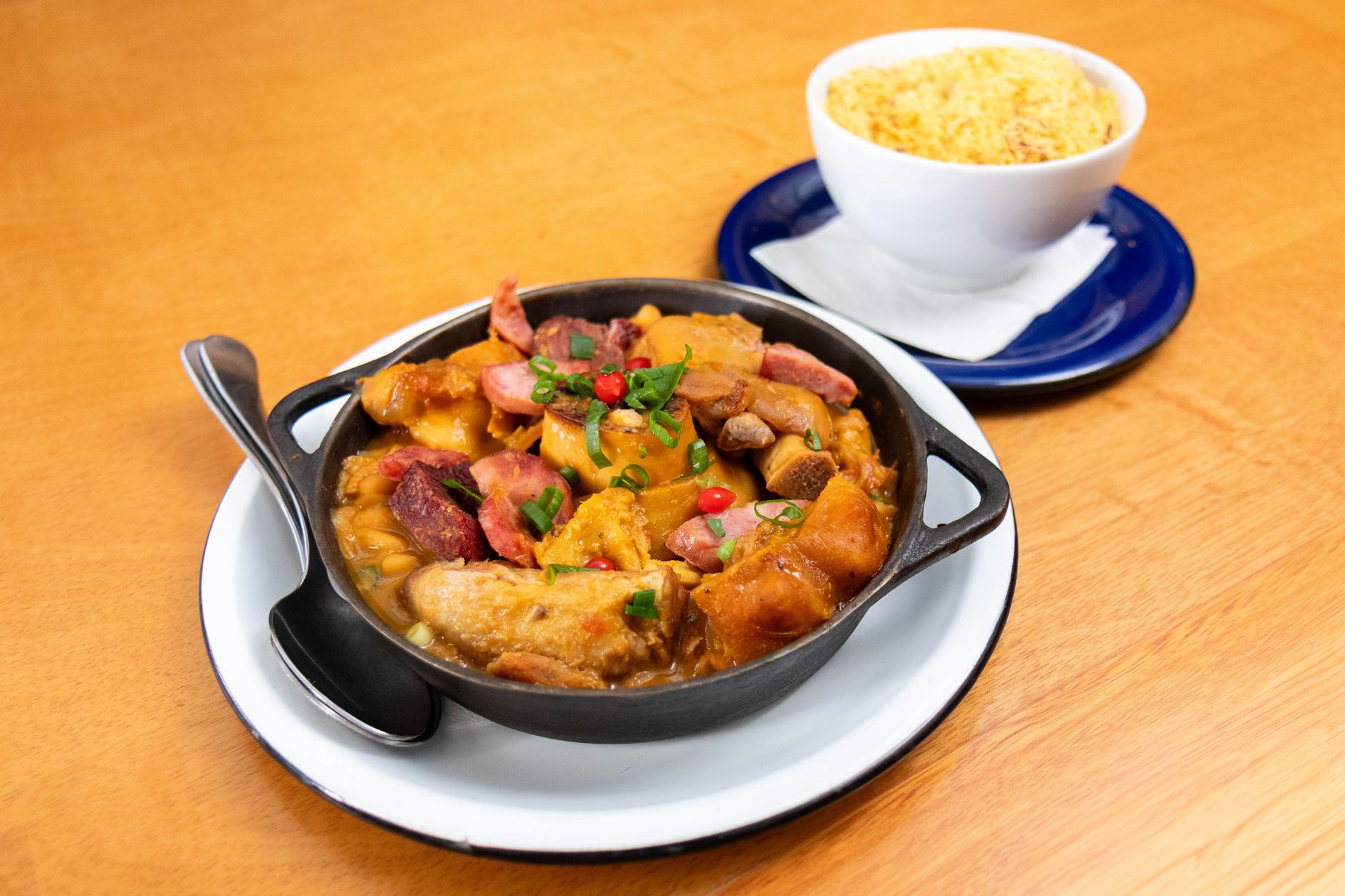
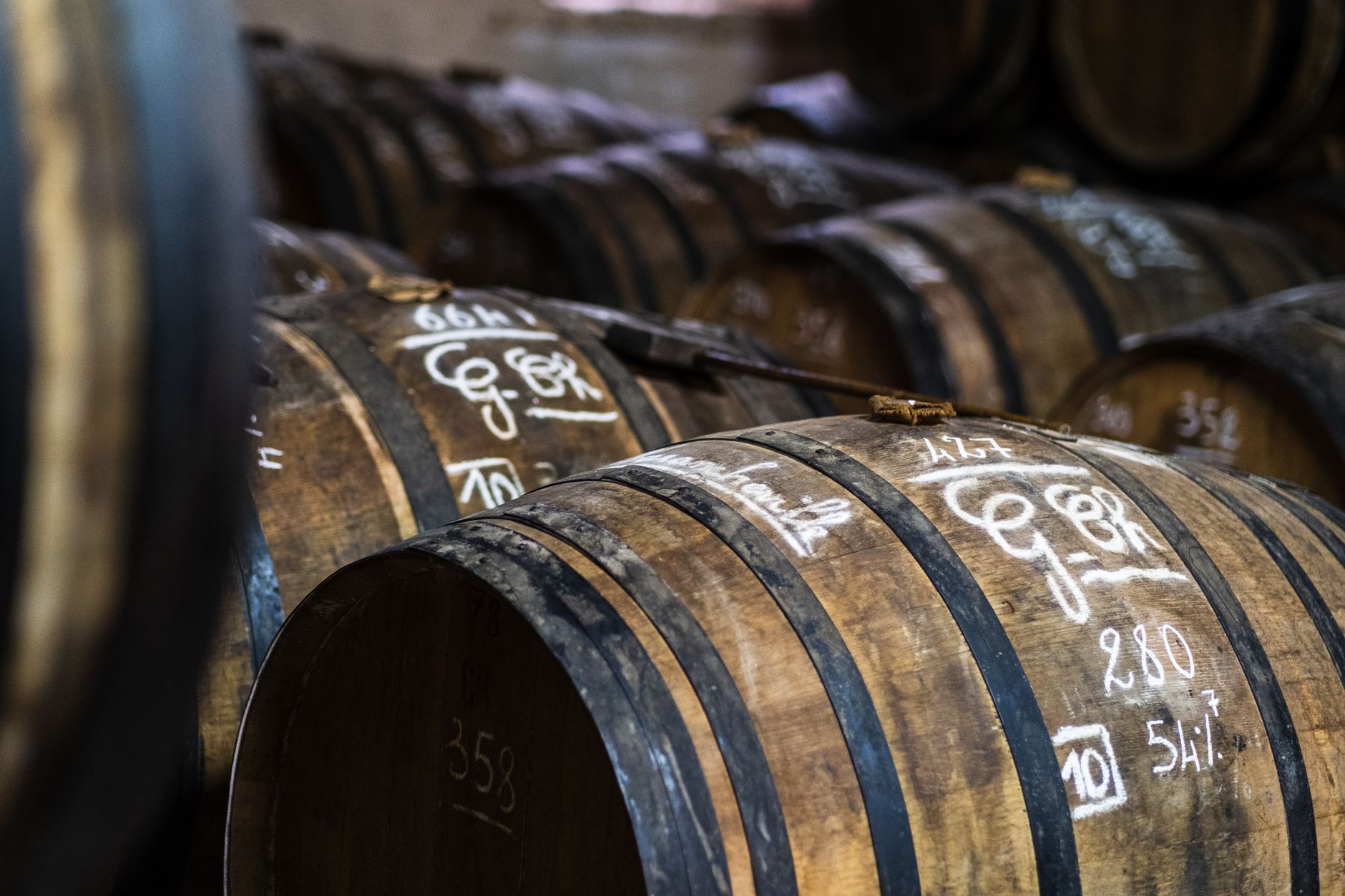
Meals center on ingredients from the nearby Mediterranean coast and the rugged Catalan interior. Oil from local Arbequina olives arrives at the table with crusty bread, often served alongside roasted calçots when in season. For the main course, rabbit cooked with garlic and dried prunes shows the regional preference for combining savory meat with fruit. Red wines produced from Garnacha and Cariñena grapes define the local glass, providing the structure and intensity associated with the slate soil. Conclude with carquinyolis, hard almond biscuits, dipped into a glass of sweet dessert wine made from local grapes.
Catalonia: the whole region
Barcelona is the anchor and most trips never leave it, which is a mistake but not a fatal one: Girona, Tarragona and the Costa Brava's coves are all within two hours by train or a short drive, and the Empordà behind them holds the best…
Minimum 4 days · better 7-8 days · deep 2 weeks

Pair It With


In Catalonia





In Catalonia



In Catalonia




















Linked from elsewhere
Entries that name this place in their own nearby lists.
Logistics are verified only. We don't publish schedules we haven't confirmed.
Appears In
Ready to build Montsant into a trip?
You've found a place worth going. When you're ready to turn discovery into an itinerary, Travel Itinerary Co picks up where the Field Guide leaves off — with your saved places already in hand.
Build this into a tripContinues on Travel Itinerary Co
Spain Field Guide may earn a commission when you book through selected links. Recommendations are editorial and independent of commission.