Montserrat

The best day trip from Barcelona into nature. Take the funicular up and hike down; go mid-morning to catch the Escolania singing.
A serrated mountain monastery an hour from Barcelona, with the Black Madonna, a boys' choir, and hiking trails with spectacular rock formations.
At a Glance
- — You don't have a day free from Barcelona
Jagged, pillar-like rock formations rise abruptly from the Catalonian landscape, cradling a Benedictine monastery that feels suspended between the clouds and the valley floor. Visitors come to hear the haunting, crystalline voices of the boy’s choir echoing off the stone walls and to touch the venerated Black Madonna. Whether you choose to ride the funicular to the highest peaks for a panoramic view of the Pyrenees or walk the winding forest paths, the air here is thin, sharp, and deeply hushed.
How it got here
Hermits occupied the mountain caves as early as the ninth century. The monastery foundation dates to 1025 when Oliba, the abbot of Ripoll, established a small monastic community. This site became a center of pilgrimage following the discovery of a wooden statue of the Virgin Mary in a cave. Ownership shifted across centuries through various monastic reforms and conflicts, including destruction by Napoleonic troops during the Peninsular War in 1811. The current structures date largely to the rebuilding efforts that followed in the nineteenth and twentieth centuries. These events reinforced the mountain status as a symbol of Catalonian cultural identity and religious devotion.
Where it sits
The mountain rises as a distinct massif of pale conglomerate rock above the Llobregat river valley in Catalonia. Its crags create a jagged skyline visible from the plains below. The climate brings cold winters with occasional frost and humid summers moderated by the elevation. Dense Mediterranean forests of holm oak and boxwood cover the lower slopes while the upper formations hold little vegetation. A network of steep paths and funicular railways connects the monastery to higher viewpoints. Trains from Barcelona provide the primary transit to the base of the massif where footpaths lead into the range.
What to eat and drink
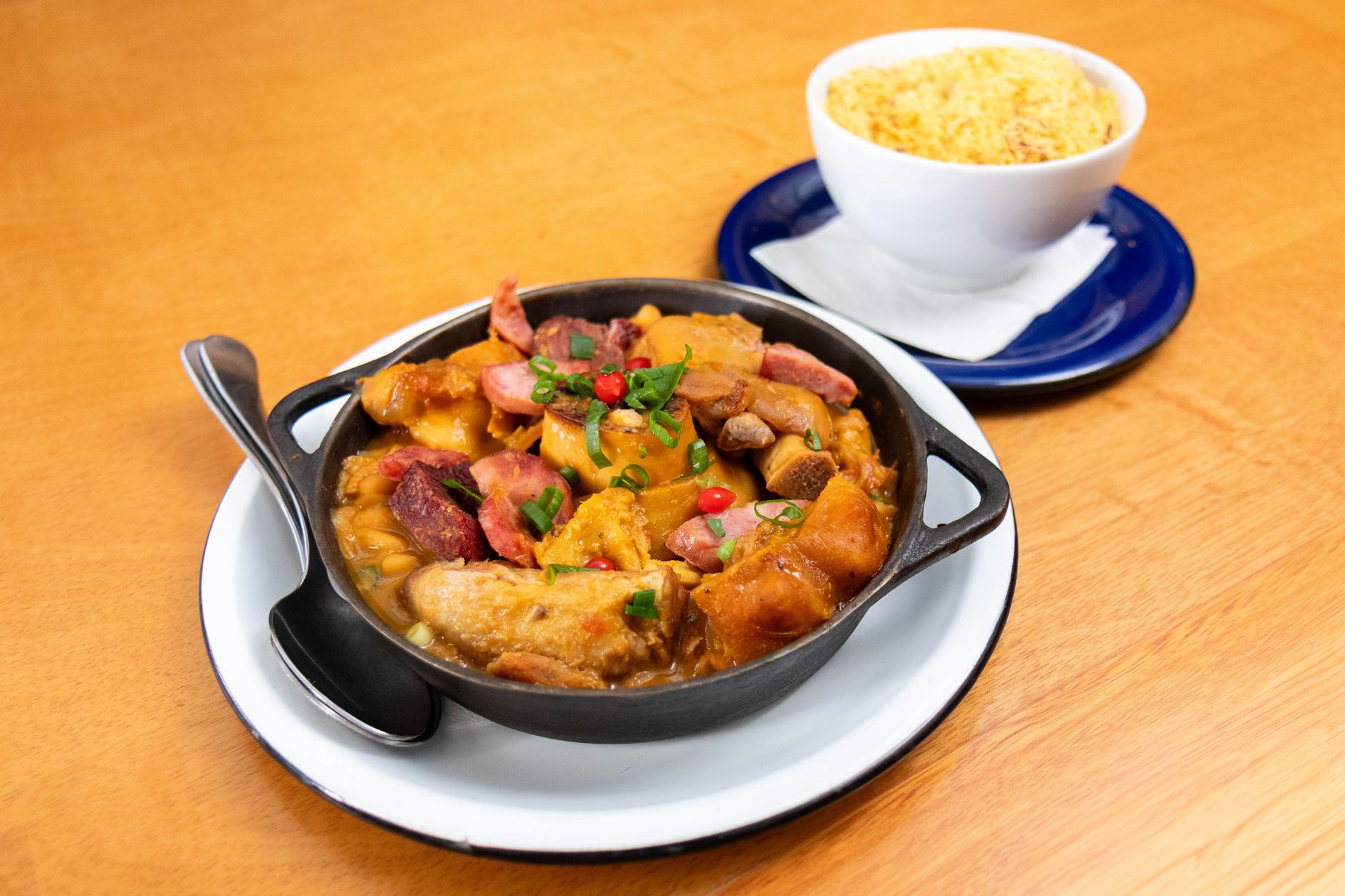
The local markets feature mató, a fresh unsalted goat or cow milk cheese often served with local honey gathered from the surrounding mountains. Meals in this part of Catalonia center on escudella i carn d'olla, a hearty stew of meat and vegetables served in two stages, starting with the broth and noodles followed by the boiled meats. Butifarra, a traditional Catalan sausage made from pork and black pepper, appears frequently grilled alongside white beans. Producers nearby also bottle cava, the sparkling wine produced through traditional methods in the Penedès region that lies just south of these mountains.
Catalonia: the whole region
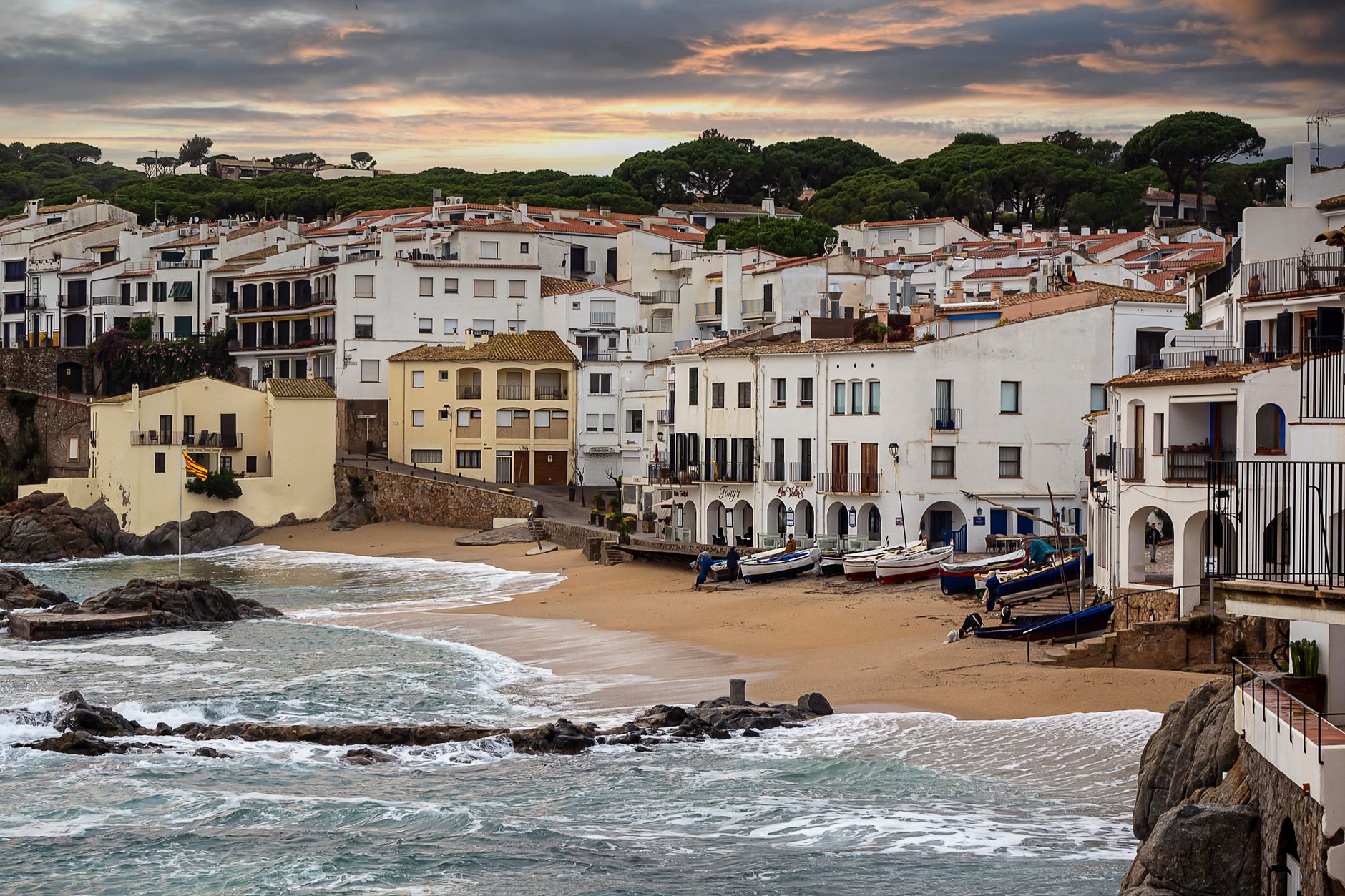
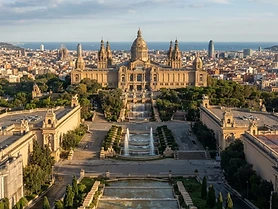
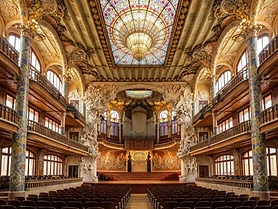
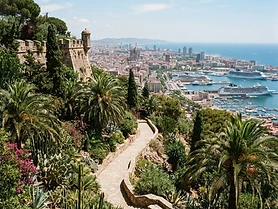
Barcelona is the anchor and most trips never leave it, which is a mistake but not a fatal one: Girona, Tarragona and the Costa Brava's coves are all within two hours by train or a short drive, and the Empordà behind them holds the best…
Minimum 4 days · better 7-8 days · deep 2 weeks

Pair It With

In Catalonia






In Catalonia





In Catalonia




















Linked from elsewhere
Entries that name this place in their own nearby lists.

Logistics are verified only. We don't publish schedules we haven't confirmed.
Appears In
Ready to build Montserrat into a trip?
You've found a place worth going. When you're ready to turn discovery into an itinerary, Travel Itinerary Co picks up where the Field Guide leaves off — with your saved places already in hand.
Build this into a tripContinues on Travel Itinerary Co
Spain Field Guide may earn a commission when you book through selected links. Recommendations are editorial and independent of commission.