Roman Tarragona (Amphitheatre and Circus)
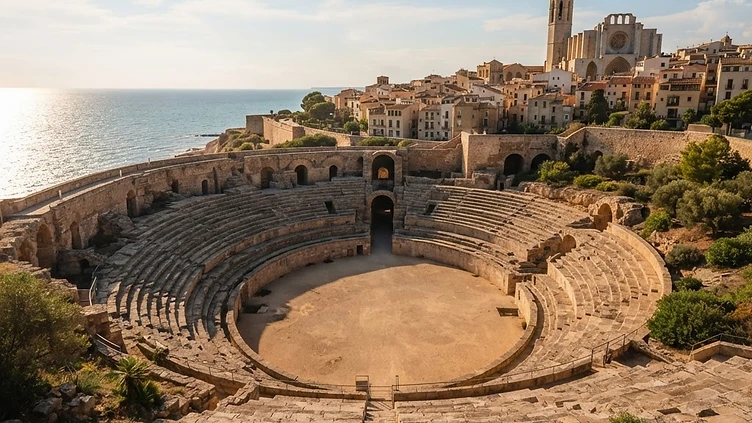
Essential if you are stopping in Tarragona at all, and worth half a day rather than the two hours most people give it. Buy the combined ticket, start at the amphitheatre and end at the aqueduct outside town.
Roman streets, a seaside amphitheatre and an aqueduct, an hour from Barcelona.
At a Glance
- — You have one day in Barcelona and cannot spare it
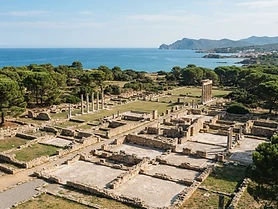
Tarraco was the capital of Rome's Iberian provinces, and its remains are scattered through a working city: an amphitheatre on the slope above the beach, a circus running under the modern streets, a forum, walls and an aqueduct a kilometre out of town. It is a UNESCO site, and the fact that it is a living city rather than a museum makes it better.
How it got here
Augustus wintered here while directing the Cantabrian Wars, elevating the settlement to provincial capital of Hispania Citerior. The amphitheatre and circus provided the essential infrastructure for Roman civic life, hosting gladiator contests and chariot races that bound the population to the imperial cult. Stone from the local quarry formed the massive defensive walls, defining the urban grid that persists beneath the medieval foundations. Over centuries, these structures were repurposed for fortifications and dwellings, embedding the classical order into the modern city layout. Today the ruins anchor the municipal identity, marking the transition from the provincial metropolis to the current coastal hub.
Where it sits
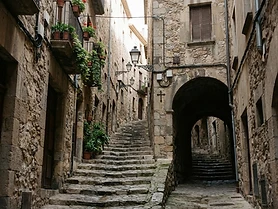
Tarragona occupies a limestone bluff overlooking the Mediterranean. The landscape slopes sharply toward the sea, where salt air bleaches the masonry and winter winds scour the exposed stone. Inland, the plains of the Camp de Tarragona support hazelnut orchards and vineyards that stretch toward the low mountains of the Prelitoral range. Summers bring heavy heat, turning the city streets into heat sinks that only cool once the evening breeze rises off the water. Crowds gravitate toward the port and the pedestrianized Rambla Nova, leaving the quieter backstreets of the old quarter to the residents who live among the arches.
What to eat and drink
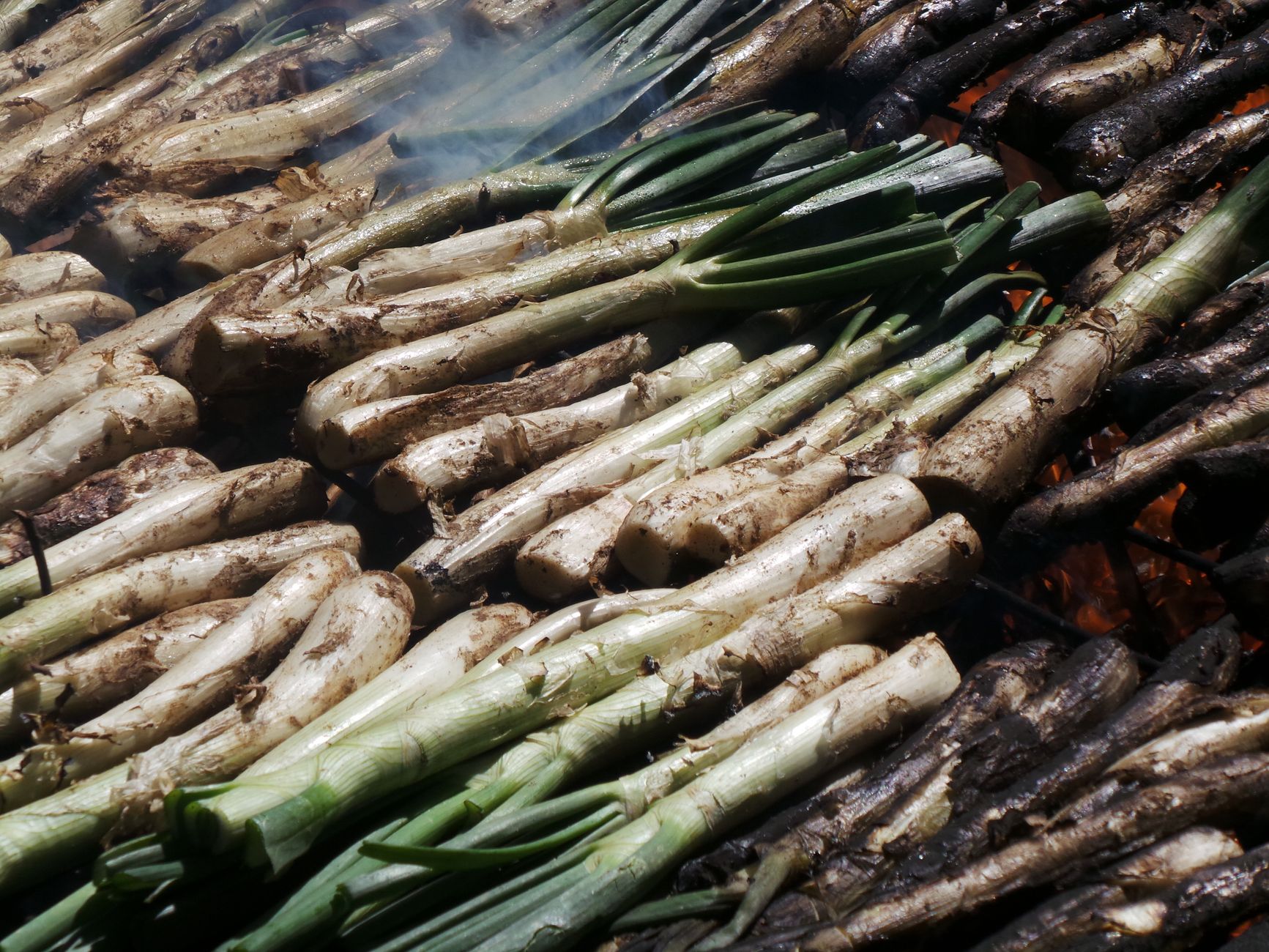
The cuisine centers on the harvest of the sea and the surrounding orchards. Romesco, a sauce of toasted almonds, hazelnuts, nyora peppers, garlic, and olive oil, defines the local palate, traditionally served with grilled fish or spring calçots, which are young onions charred over open flames. The province produces deep, tannic reds from the nearby Priorat hills. For a lighter pairing, the white wines of the Penedès accompany plates of local seafood. Sweet vermut remains the standard afternoon drink, often poured over ice with a single green olive to cut the herbal bite before a meal.
Catalonia: the whole region
Barcelona is the anchor and most trips never leave it, which is a mistake but not a fatal one: Girona, Tarragona and the Costa Brava's coves are all within two hours by train or a short drive, and the Empordà behind them holds the best…
Minimum 4 days · better 7-8 days · deep 2 weeks
Pair It With

In Catalonia





In Catalonia





In Catalonia



















Logistics are verified only. We don't publish schedules we haven't confirmed.
Experiences worth booking ahead
Spain Field Guide may earn a commission when you book through selected links. Recommendations are editorial and independent of commission.
Ready to build Roman Tarragona (Amphitheatre and Circus) into a trip?
You've found a place worth going. When you're ready to turn discovery into an itinerary, Travel Itinerary Co picks up where the Field Guide leaves off — with your saved places already in hand.
Build this into a tripContinues on Travel Itinerary Co
Spain Field Guide may earn a commission when you book through selected links. Recommendations are editorial and independent of commission.