Clos Mogador

Book the tour; tasting is by appointment. The estate is the heart of the modern Priorat story. Stay in Gratallops and walk to multiple cellars.
The estate that revived Priorat — René Barbier's 1979 pioneer vineyard on a terraced slate hill above Gratallops, making the wine that proved Priorat could be a grand cru.
At a Glance
- — You don't book ahead
High above the town of Gratallops, this pioneering estate occupies a vertiginous slope of slate and schist that changed the course of Catalan wine history. In the late 1970s, the owners reclaimed these abandoned, rocky terraces to prove that the arid soil could produce a grand cru, eventually placing Priorat on the global map. The vineyard is brutal and beautiful, baked by the summer heat and exposed to the harsh elements. To visit is to witness the sheer willpower required to extract elegance from such a demanding, unforgiving, and dramatic piece of Mediterranean landscape.
How it got here
Priorat suffered a long decline after the phylloxera plague of the late nineteenth century decimated the slopes. Villages depopulated as the difficulty of farming the llicorella slate soil made the land unprofitable compared to the growing industrial centers of Catalonia. In the late 1970s, vintners returned to these exhausted terraces to replant ancient garnacha and cariñena vines. Their success forced a reappraisal of the dormant viticultural potential of the region. This movement revived a neglected viticultural tradition, turning a zone once abandoned by modern agriculture into a point of focus for contemporary winemaking and reversing decades of rural flight.
Where it sits
The terrain consists of fractured slate and jagged ridges rising sharply above the Siurana river valley. Thin topsoil holds little water, forcing vine roots deep into the fissures of the bedrock. Summers bring intense heat that radiates off the dark stone, while winters turn cold and biting. Narrow roads wind through the terraces, often accessible only by four-wheel drive vehicles or on foot. The landscape feels remote and harsh, stripped of soft features, where the labor of maintenance shows in the stone retaining walls that hold the earth against the inevitable erosion of the Mediterranean climate.
What to eat and drink
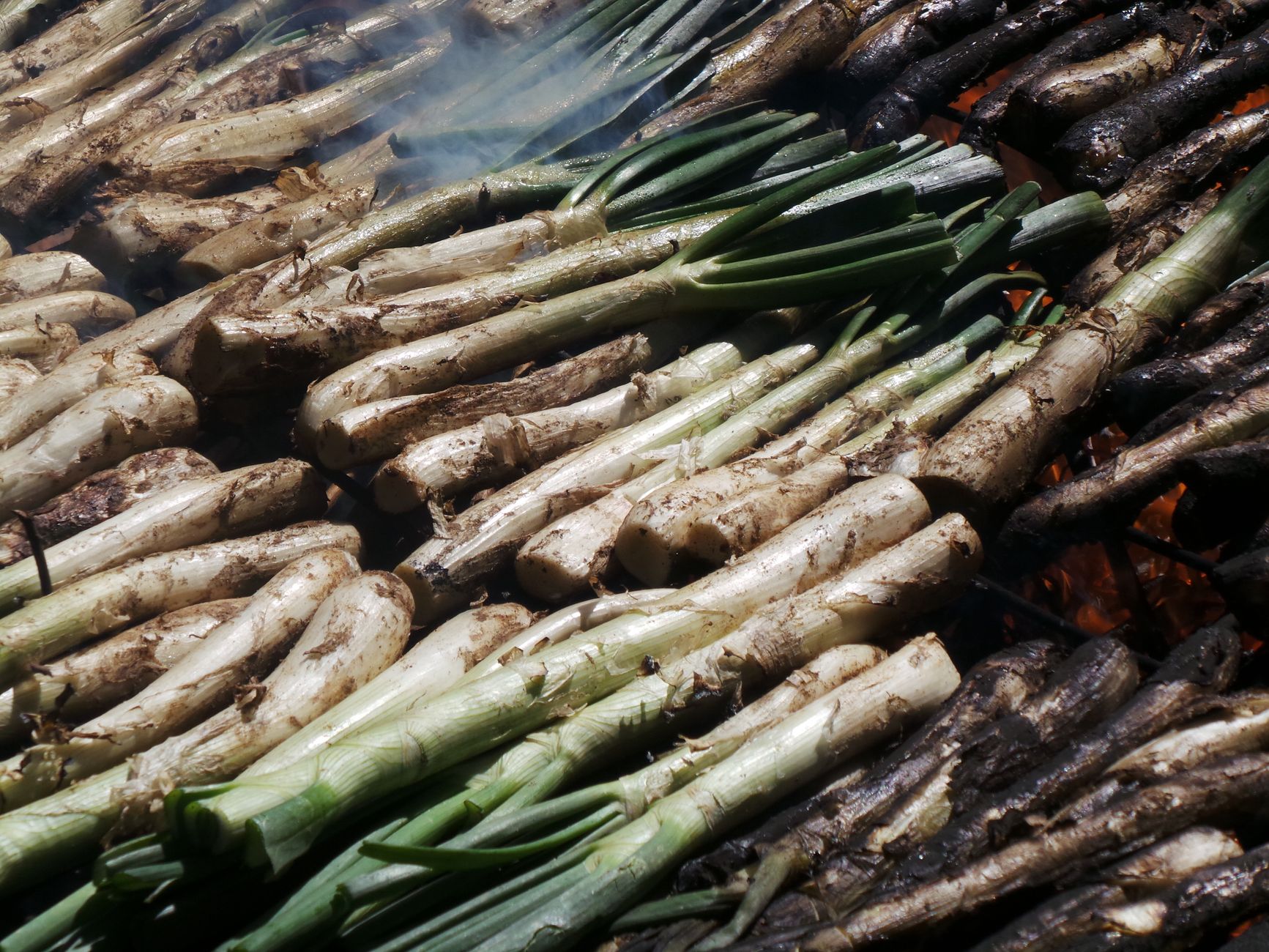
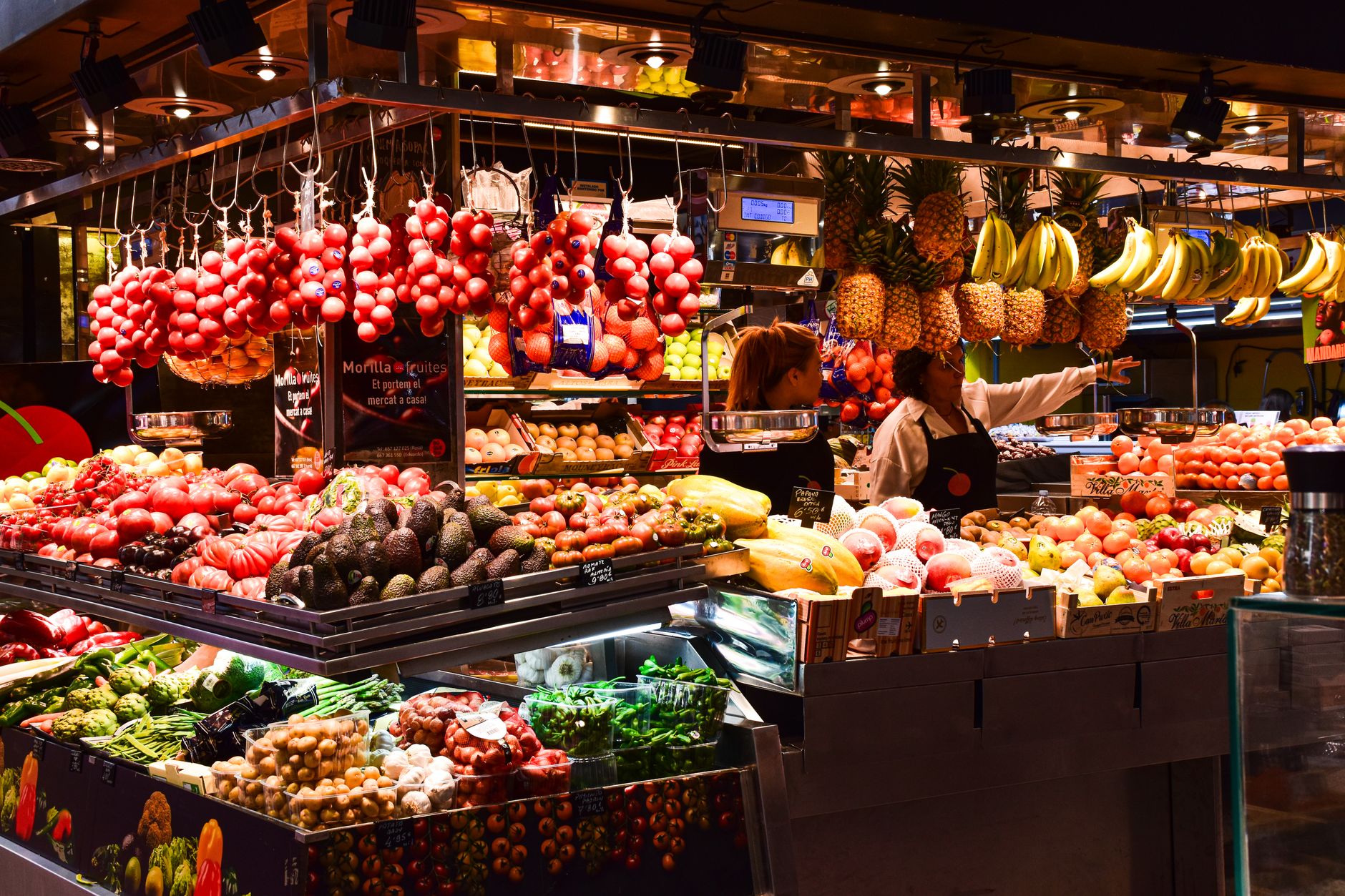
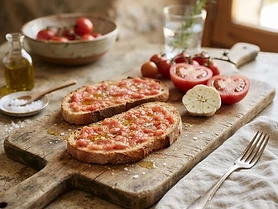
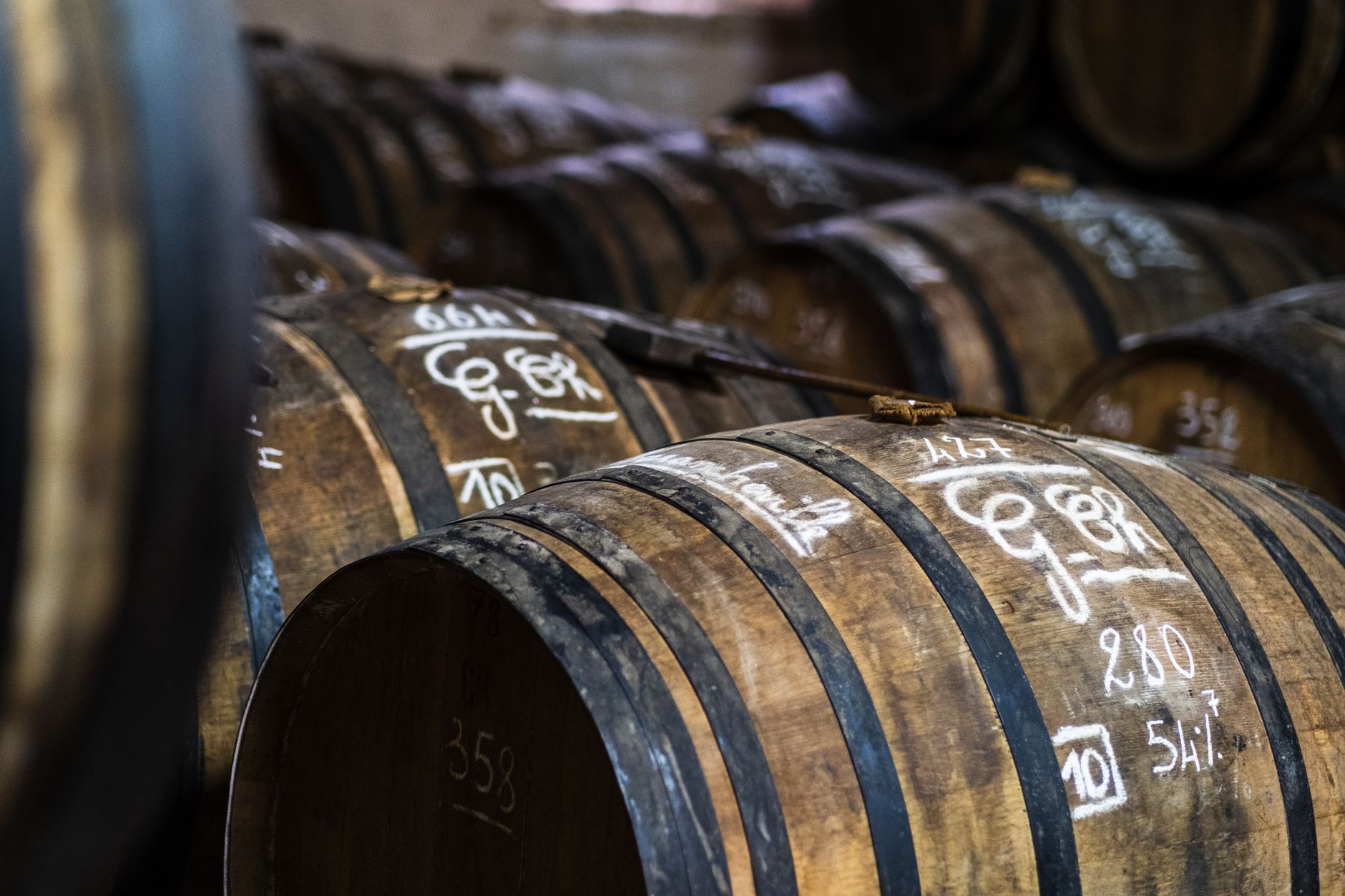
Priorat produces dense, mineral-forward red wines from the garnacha and cariñena grapes that thrive in the slate soil. Local tables favor strong, rustic flavors like xató, a salad of endive, cod, and olives served with a dense romesco sauce made from toasted almonds and nyora peppers. Another staple is conill amb cargols, rabbit stewed with snails and herbs. During the winter, calçots appear, which are young green onions charred over a flame until the outer layers blacken and the interior turns sweet, typically dipped in that same thick romesco.
Catalonia: the whole region
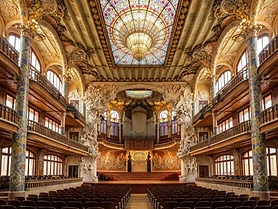
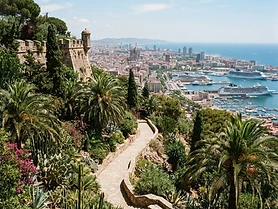
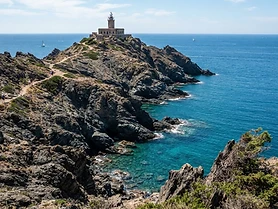
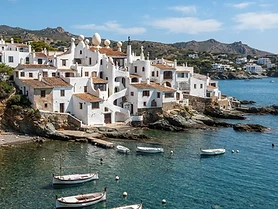
Barcelona is the anchor and most trips never leave it, which is a mistake but not a fatal one: Girona, Tarragona and the Costa Brava's coves are all within two hours by train or a short drive, and the Empordà behind them holds the best…
Minimum 4 days · better 7-8 days · deep 2 weeks
Pair It With

In Catalonia





In Catalonia



In Catalonia





















Logistics are verified only. We don't publish schedules we haven't confirmed.
Appears In
Ready to build Clos Mogador into a trip?
You've found a place worth going. When you're ready to turn discovery into an itinerary, Travel Itinerary Co picks up where the Field Guide leaves off — with your saved places already in hand.
Build this into a tripContinues on Travel Itinerary Co
Spain Field Guide may earn a commission when you book through selected links. Recommendations are editorial and independent of commission.