Botifarra amb Mongetes
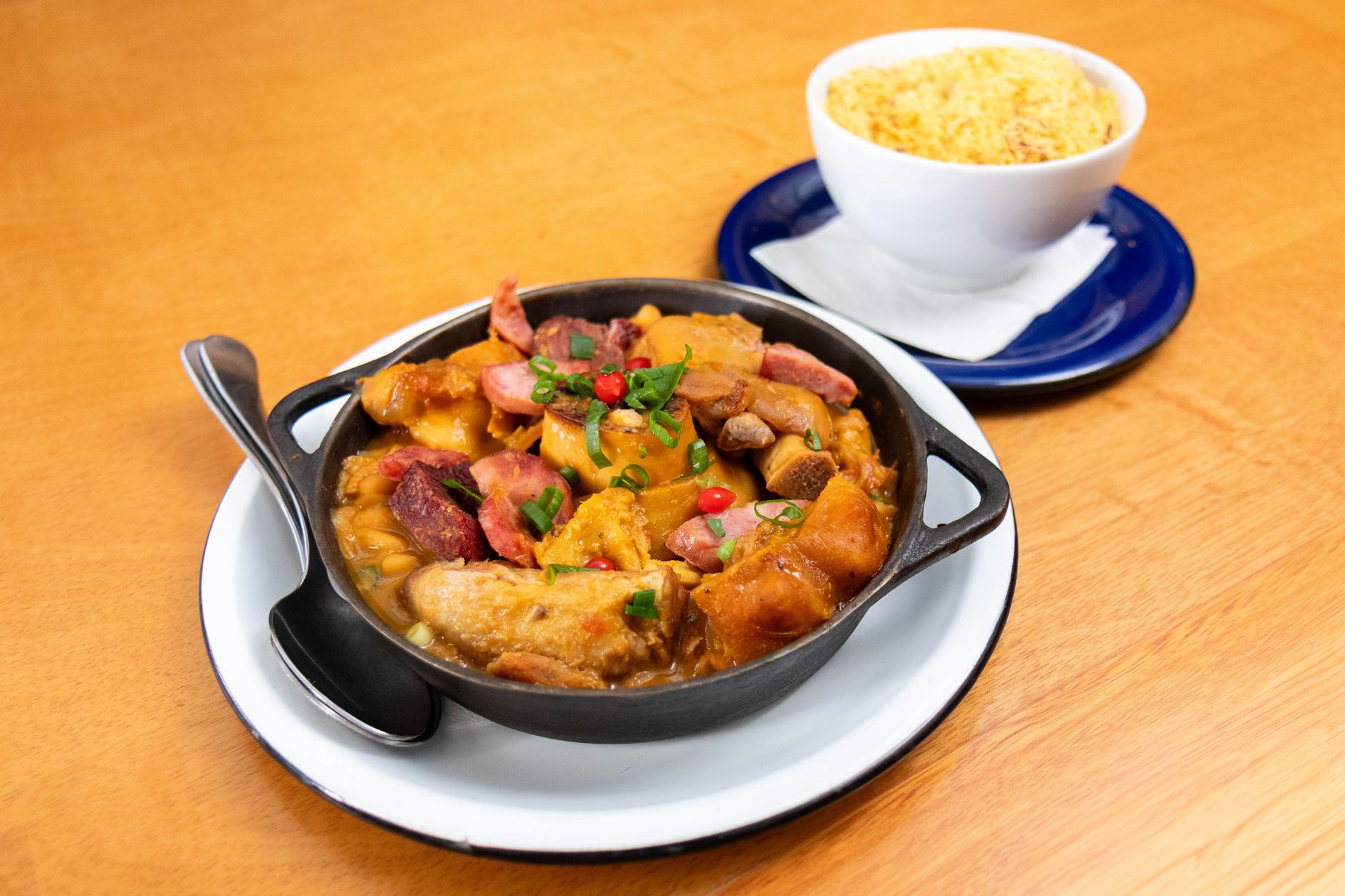
A farmhouse plate. Get it in a rural Catalan restaurant where the sausage was made that week.
Catalan grills' signature: thick pork sausage (botifarra) pan-fried and served over white beans (mongetes) cooked with garlic and olive oil. Rustic, unseasoned beyond salt — the quality of the pork and the bean is the whole dish.
At a Glance
- — You don't eat pork
This farmhouse staple centers on thick, savory pork sausage pan-fried until the casing snaps. It is served over a bed of tender white beans, simply cooked with garlic and high-quality olive oil. There is no seasoning beyond salt here, as the deep flavor of the pig and the creaminess of the legume carry the weight of the plate. Seek it out in rural Catalan restaurants where the sausage has been freshly cured that same week.
How it got here
Catalan agriculture long centered on the small farmsteads known as masies. These self-sufficient households relied on the slaughter of a single pig each winter to provide fat and protein for the year. The pairing of cured pork sausage and legumes grew from this necessity of preservation and storage. These ingredients existed in every pantry and larder across the Catalan countryside for centuries. The dish persists today as a deliberate connection to this rural past. It keeps a record of the frugal habits required to survive the long, cold months when fields lay fallow and fresh meat was unavailable.
Where it sits
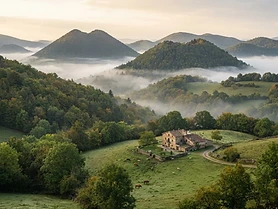
The Catalan landscape shifts from the sharp, limestone peaks of the Pyrenees to the rolling hills and scrub forests of the interior. Dry, stony soil defines the inland terrain, where hardy white beans find optimal growing conditions in the alluvial plains. Winters bring a piercing cold that necessitates hearty, caloric meals cooked over open flames. Summer heat dries the hills, leaving the dust of the Mediterranean wind. Rural roads snake through this country, connecting villages where life moves at the pace of the harvest. Few tourists venture beyond the main arterial routes that cut through these quiet, agricultural valleys.
What to eat and drink
Sausage and beans provide the baseline for local farmhouse cooking. The dish relies on the quality of the raw materials, specifically the white beans grown in the Maresme district or the small town of Ganxet. Diners accompany the plate with pa amb tomàquet, crusty country bread rubbed with ripe tomatoes and olive oil. To wash down the salt and fat, local winemakers pour Priorat or Penedès reds. These wines possess the necessary acidity and depth to cut through the richness of the pork. Dessert often consists of mel i mató, fresh goat cheese served with a drizzle of dark, heavy mountain honey.
Catalonia: the whole region
Barcelona is the anchor and most trips never leave it, which is a mistake but not a fatal one: Girona, Tarragona and the Costa Brava's coves are all within two hours by train or a short drive, and the Empordà behind them holds the best…
Minimum 4 days · better 7-8 days · deep 2 weeks
What's Nearby



Pair It With

In Catalonia




In Catalonia





In Catalonia
























Logistics are verified only. We don't publish schedules we haven't confirmed.
Ready to build Botifarra amb Mongetes into a trip?
You've found a place worth going. When you're ready to turn discovery into an itinerary, Travel Itinerary Co picks up where the Field Guide leaves off — with your saved places already in hand.
Build this into a tripContinues on Travel Itinerary Co
Spain Field Guide may earn a commission when you book through selected links. Recommendations are editorial and independent of commission.