Escalivada

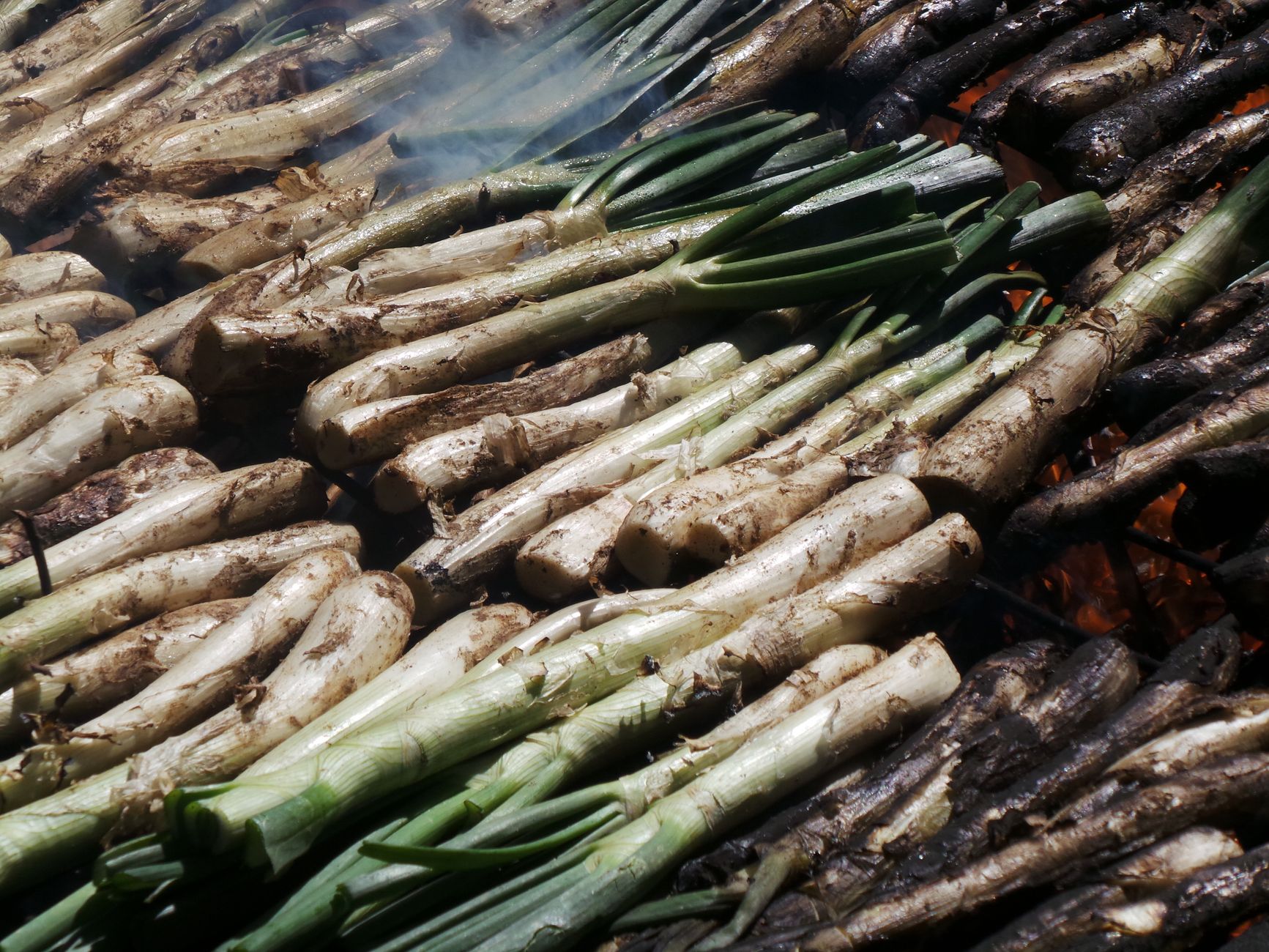
The smoke has to come from a real flame, not a gas hob. Get it at a rural masia in summer.
Smoky Catalan salad of charred aubergine, red peppers and onions, peeled into strips and dressed with olive oil, garlic and salt. Served cool on toast or alongside grilled fish and sausages.
At a Glance
- — You dislike smoked flavours
This smoky Catalan salad relies on the patient charring of aubergines, red peppers, and onions over a real flame until the skins blacken. Once peeled into long, silky strips, the vegetables are dressed generously with olive oil, garlic, and salt, creating a rustic flavor that tastes of the earth and the fire. It is best served cool on a slice of toasted bread or alongside a piece of grilled sausage at a rural masia during the heat of summer.
How it got here
Catalan culinary tradition finds its roots in the agrarian cycles of the Mediterranean coast and the rugged interior. Historically, the practice of roasting vegetables directly over embers emerged from the necessity of utilizing wood fires used for household heating and cooking. This preparation method preserved the harvest from summer gardens, ensuring that the moisture and texture of aubergines and peppers remained intact. The dish belongs to a wider catalog of Catalan cooking that relies on the patient transformation of simple ingredients through heat. It survives today because the technique requires nothing more than fire, oil, and the seasonal produce that defines the coastal and inland plain.
Where it sits
The terrain across Catalonia shifts from the jagged peaks of the Pyrenees to the dry, limestone soil of the interior plains. Summer heat in the comarcas inland intensifies the sweetness of garden vegetables, making the charring of produce a logical response to the harvest. Rural landscapes outside the dense coastal cities consist of small family farms and terraced hillsides. In the peak of August, the air turns dry and hot, and life slows toward the shade of stone porches. Access to these rural areas requires travel along narrow roads that wind through low ridges of scrub and olive groves.
What to eat and drink
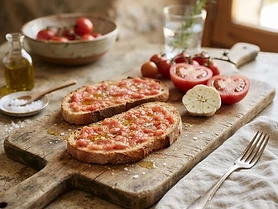
Escalivada requires high-quality olive oil and the natural smoke of an open flame. It often arrives at the table with bread toasted over coals or paired with bacallà, salt-cured cod that remains a staple of Catalan pantries. Escudella i carn d'olla, a heavy stew of meat and vegetables, provides the foundation for the region's winter diet, while pan con tomate, crusty bread rubbed with raw garlic and ripened tomatoes, acts as the constant accompaniment to any meal. A glass of Priorat or a crisp, dry Cava completes the pairing, grounding the acidity of the charred vegetables in the local terroir.
Catalonia: the whole region
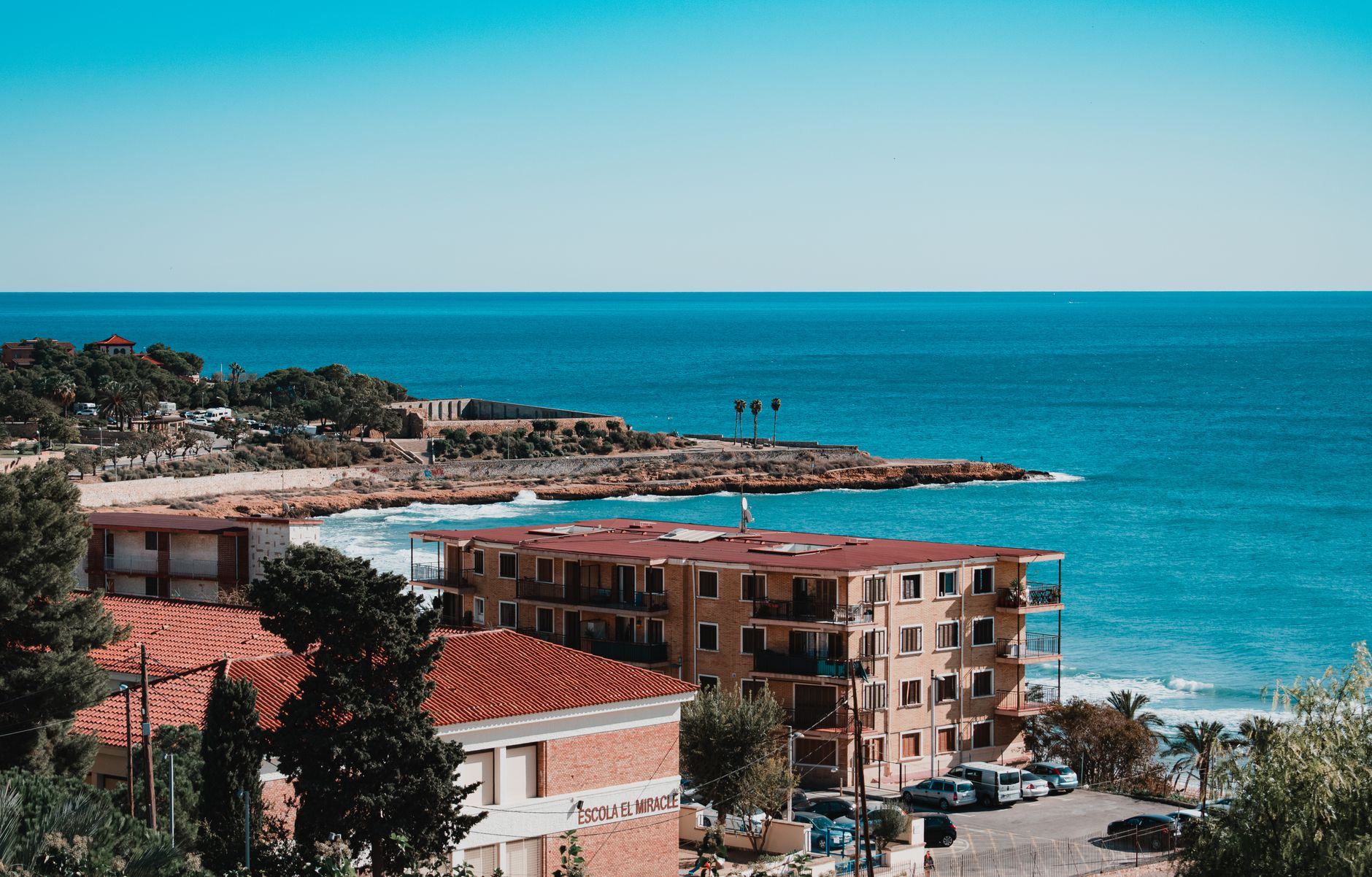
Barcelona is the anchor and most trips never leave it, which is a mistake but not a fatal one: Girona, Tarragona and the Costa Brava's coves are all within two hours by train or a short drive, and the Empordà behind them holds the best…
Minimum 4 days · better 7-8 days · deep 2 weeks
What's Nearby



Pair It With

In Catalonia



In Catalonia






In Catalonia
































Linked from elsewhere
Entries that name this place in their own nearby lists.
Logistics are verified only. We don't publish schedules we haven't confirmed.
Ready to build Escalivada into a trip?
You've found a place worth going. When you're ready to turn discovery into an itinerary, Travel Itinerary Co picks up where the Field Guide leaves off — with your saved places already in hand.
Build this into a tripContinues on Travel Itinerary Co
Spain Field Guide may earn a commission when you book through selected links. Recommendations are editorial and independent of commission.