Codorníu Cava Cellars
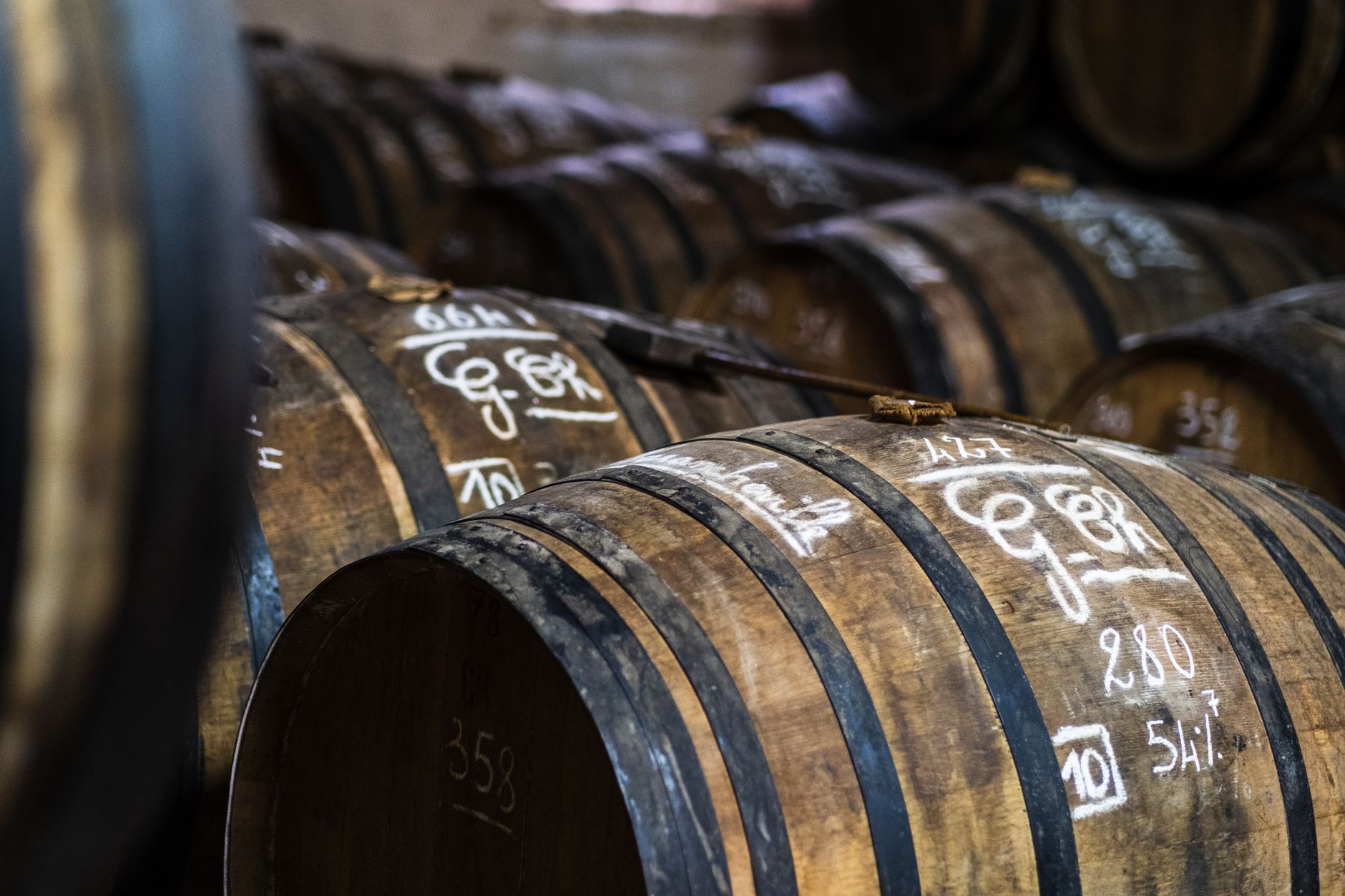
The cava day trip from Barcelona. The building alone is worth it; the train ride through the cellars is fun. Book ahead.
The largest cava producer, in a Modernista masterpiece by Josep Puig i Cadafalch (a contemporary of Gaudí). 30km of underground cellars, toured by electric train.
At a Glance
- — You've done a big-cellar tour before
An electric train winds its way through miles of silent, vaulted underground tunnels where millions of bottles rest in the dark, gathering sediment and sparkle. Above ground, the estate is a sprawling manifesto of Catalan Modernista design, featuring brick arches and intricate ironwork that stand as a testament to the gilded age of Cava production. It is a surreal juxtaposition of industrial scale and refined, architectural beauty, requiring a full day to traverse the depths of the cellars and the sun-drenched gardens of the Penedès estate.
How it got here
Winemaking in the Penedès reaches back to the Romans, yet the transformation of this specific site follows the adoption of the traditional method for sparkling wine production in the nineteenth century. The Raventós family pioneered this shift after observing French techniques, anchoring the local economy to the production of cava. By the early twentieth century, the estate transitioned its industrial identity into a public monument by commissioning architects of the Modernista movement to design the surface buildings. These brick vaults and industrial structures document a period when Catalan industry mirrored the artistic aesthetic of the wider region, linking agricultural output to the structural ambitions of Barcelona architects.
Where it sits
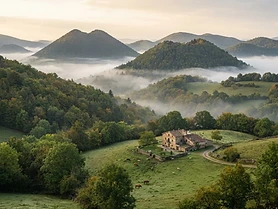
The estate sits amidst the rolling hills of the Penedès, a landscape defined by thousands of acres of vine-covered slopes descending from the pre-coastal mountain ranges toward the Mediterranean. The soil here consists of limestone and clay, trapping the humidity necessary for vine health during the long, dry summers. In the cooler months, the mist settles in the low-lying valleys, obscuring the distant ridges. The road network connects these vineyards closely to the coast, ensuring that the heavy traffic of logistics remains distinct from the quiet, structured rows of vines that define the immediate horizon.
What to eat and drink
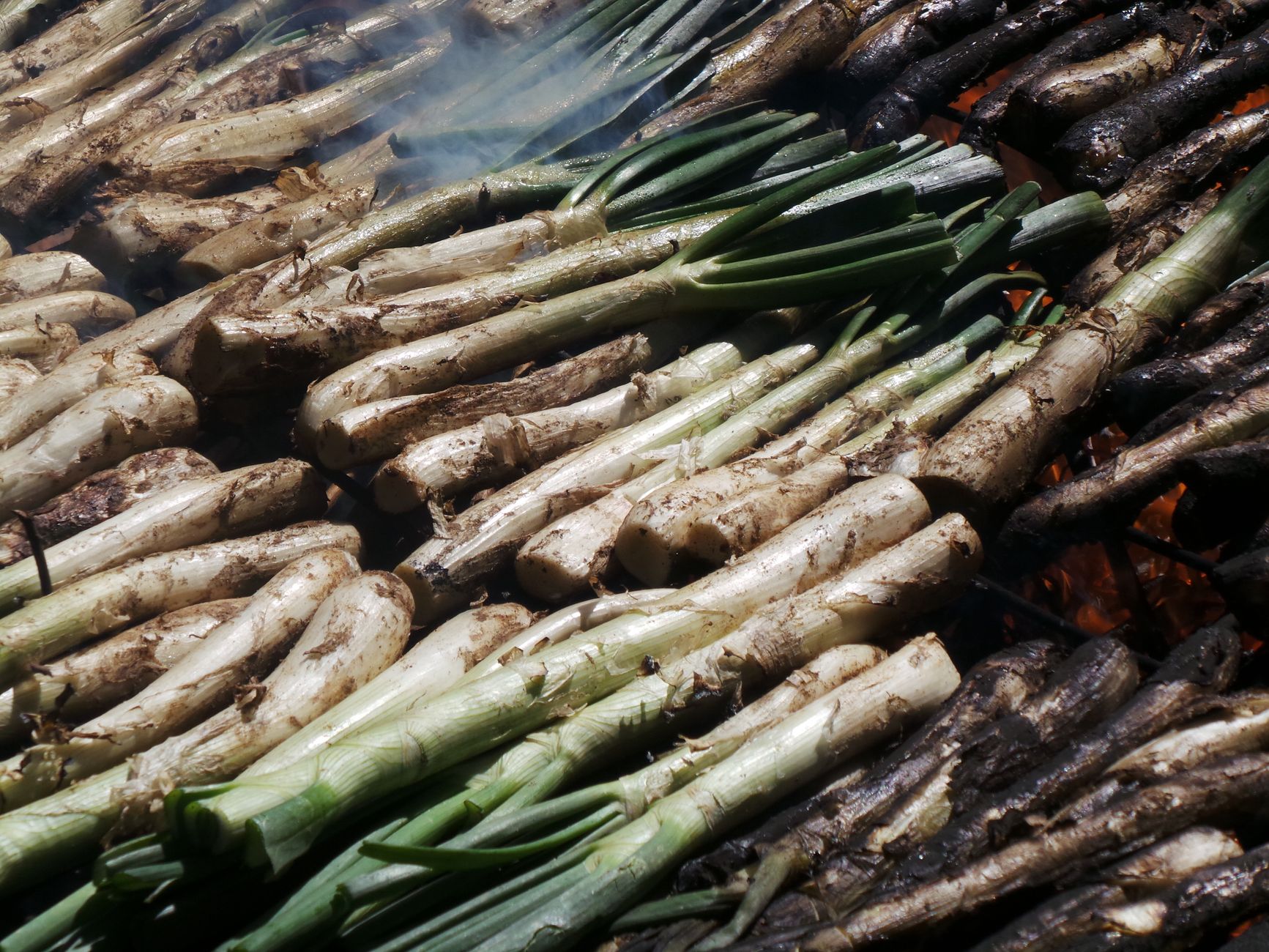
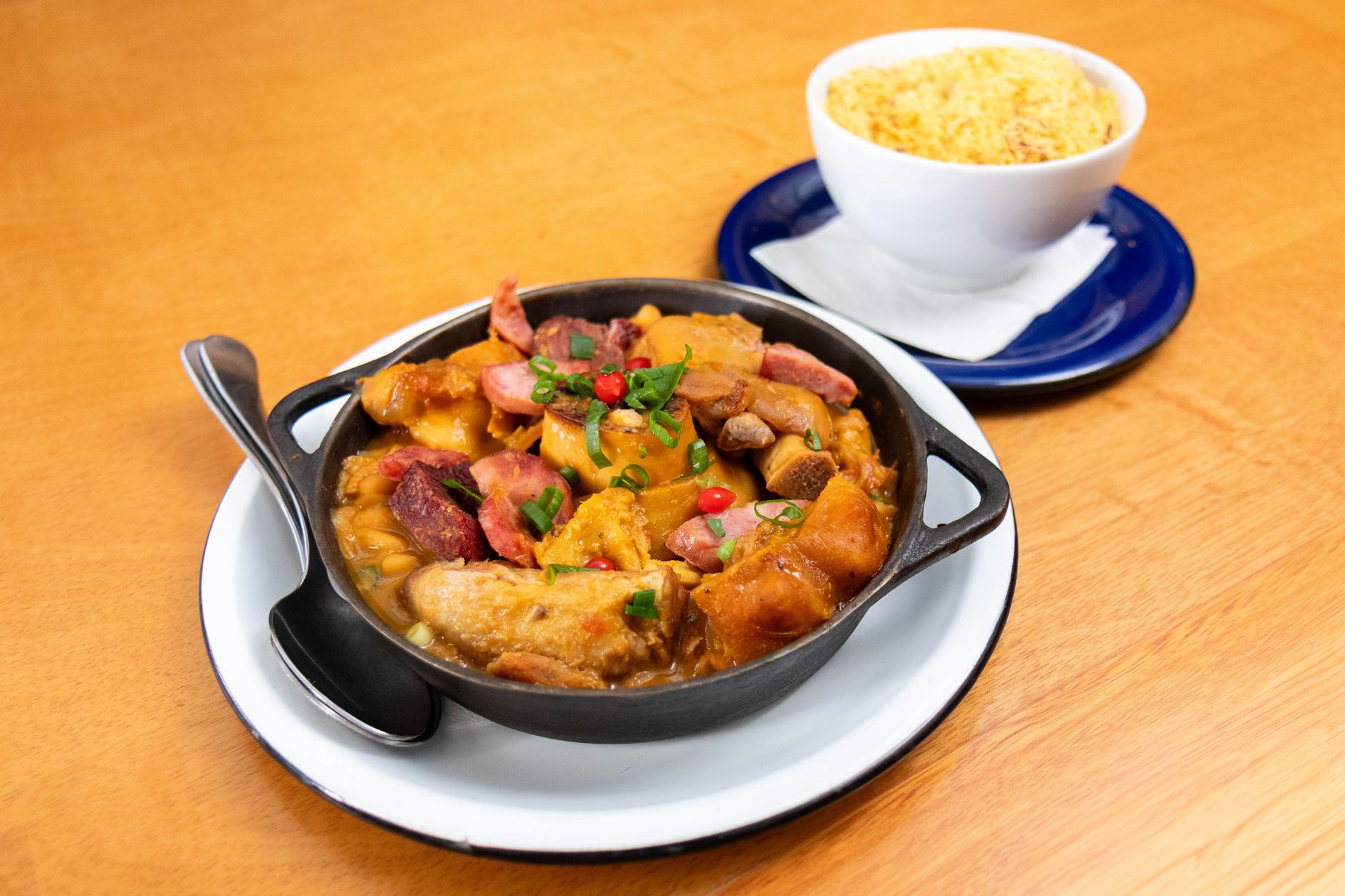
Cava serves as the primary drink, traditionally produced from a blend of Macabeu, Xarel-lo, and Parellada grapes. Locals pair these dry, sparkling wines with pan con tomate, crusty bread rubbed with raw garlic and vine-ripened tomatoes, then drizzled with olive oil. Escalivada, a dish of fire-roasted peppers, eggplant, and onions, provides a necessary foil to the acidity of the wine. For heartier fare, butifarra, a Catalan sausage seasoned with salt and pepper, arrives grilled or sautéed, grounding the meal in the rustic traditions of the interior countryside that surrounds the coastal wine districts.
Catalonia: the whole region
Barcelona is the anchor and most trips never leave it, which is a mistake but not a fatal one: Girona, Tarragona and the Costa Brava's coves are all within two hours by train or a short drive, and the Empordà behind them holds the best…
Minimum 4 days · better 7-8 days · deep 2 weeks

Pair It With

In Catalonia





In Catalonia




In Catalonia




















Linked from elsewhere
Entries that name this place in their own nearby lists.
Logistics are verified only. We don't publish schedules we haven't confirmed.
Appears In
Ready to build Codorníu Cava Cellars into a trip?
You've found a place worth going. When you're ready to turn discovery into an itinerary, Travel Itinerary Co picks up where the Field Guide leaves off — with your saved places already in hand.
Build this into a tripContinues on Travel Itinerary Co
Spain Field Guide may earn a commission when you book through selected links. Recommendations are editorial and independent of commission.