Sant Feliu de Guíxols
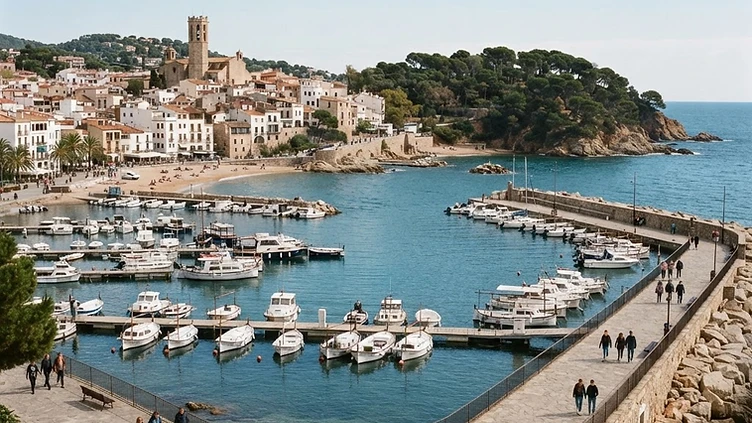
Worth half a day, or a night if you are walking the coast path. The beach is unremarkable; the path north to Cala s'Alguer and Platja d'Aro is not.
The most ordinary and therefore most usable town on this stretch of coast, and the start of the best coastal walk.
At a Glance
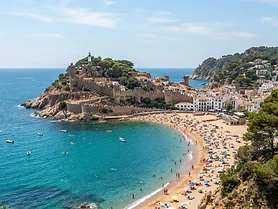
- — You came for a walled old town; go to Tossa
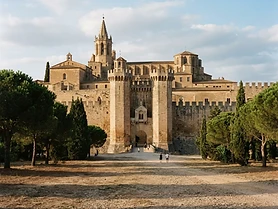
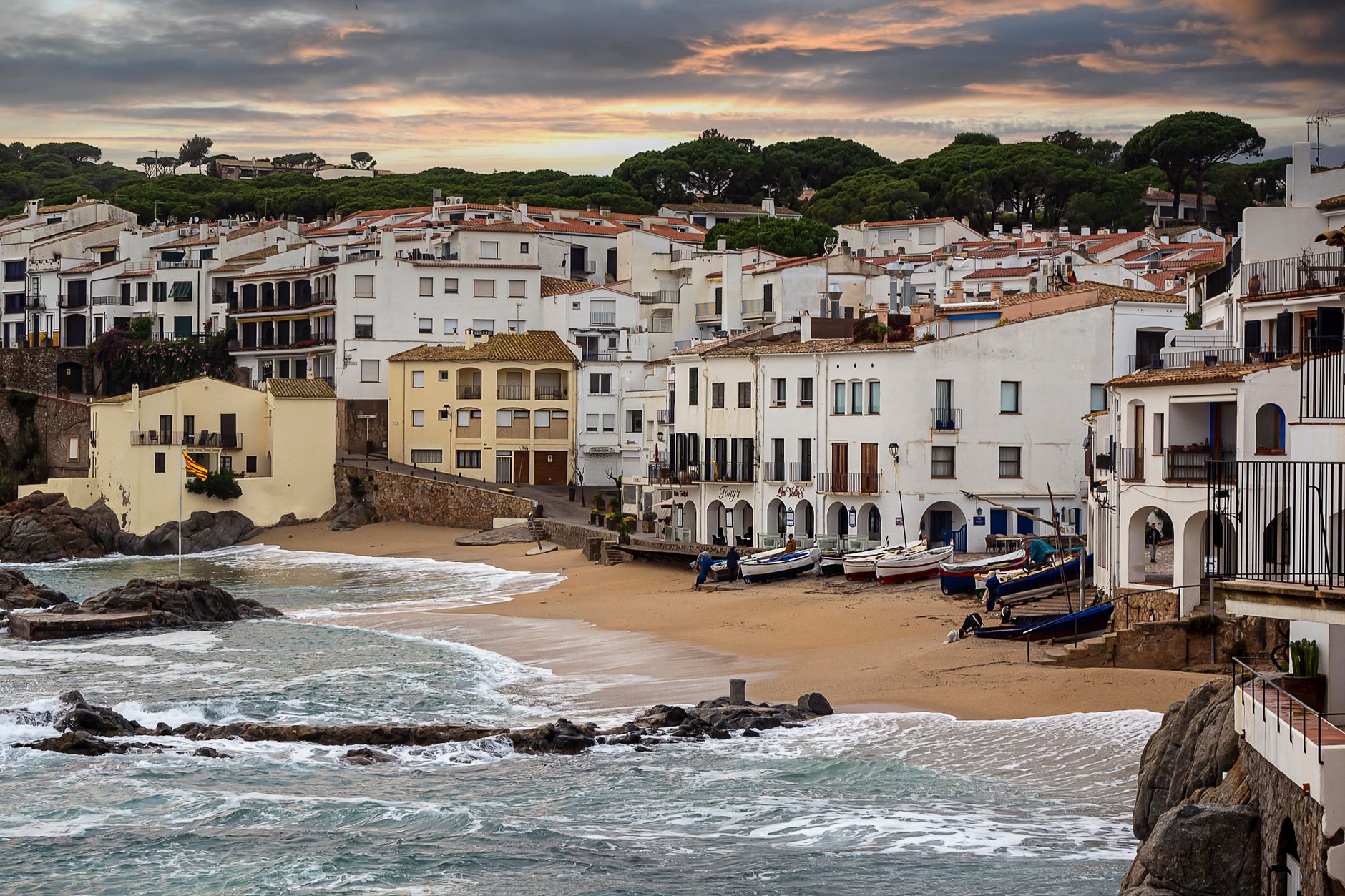
A harbour town rather than a resort: a long promenade, a fishing port, the Romanesque tower of the old monastery, and the coast path passing through on its way to Tossa. It is where the cork and shipping money of the nineteenth century left its mark on the seafront.
How it got here
The monastery of Sant Feliu de Guíxols stands as the oldest core of the town, with its origins tracing to the tenth century when Benedictine monks established the site. Centuries later, the prosperity of the nineteenth-century cork industry transformed the fishing port into a hub of Mediterranean commerce. Wealthy families invested their shipping and manufacturing fortunes into the modernist villas that line the seafront promenade, creating a distinctive architectural contrast to the medieval stone of the monastic complex. This history explains the current layout where narrow maritime alleys meet the grander, more ornate facades that defined the industrial expansion of the Catalan coastline during that era.
Where it sits
The town sits at the edge of the Gavarres massif, where the rolling hills of oak and pine forest descend abruptly into the Mediterranean. Access requires traversing the winding roads that cut through these coastal mountain ranges. In winter, the tramuntana wind strips the shore of crowds, leaving the harbour to the fishing boats. Summer months bring a heavy influx of visitors who fill the town beaches and the narrow gaps of the coast path. This path connects the rocky coves along the cliffside, providing the only ground route to the neighbouring bays and the broader landscape of the Baix Empordà.
What to eat and drink
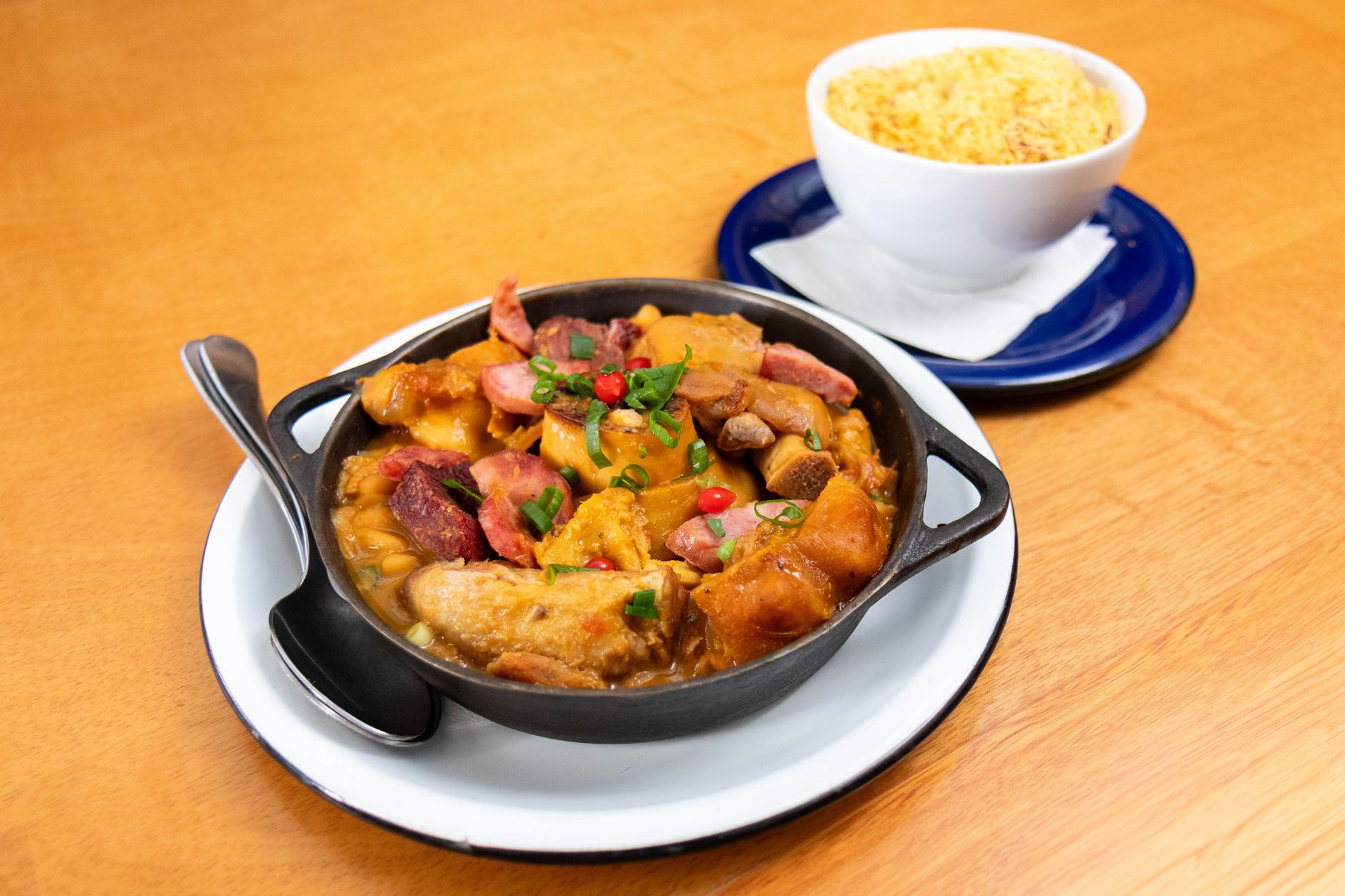
Local cooking relies on the intersection of sea and soil. Suquet de peix is the standard dish, a fisherman’s stew made with the daily catch, garlic, and fried almonds. Sea urchins, or garoines, appear on tables during the colder months when the currents bring them close to the rocks. The surrounding countryside produces high-quality olive oil and the dry, crisp white wines from the nearby Empordà designation of origin. These wines possess the acidity to cut through the salt of the fish. For dessert, the town produces bunyols, small fried fritters often dusted with sugar and aniseed, reflecting the broader culinary traditions of Girona.
Catalonia: the whole region
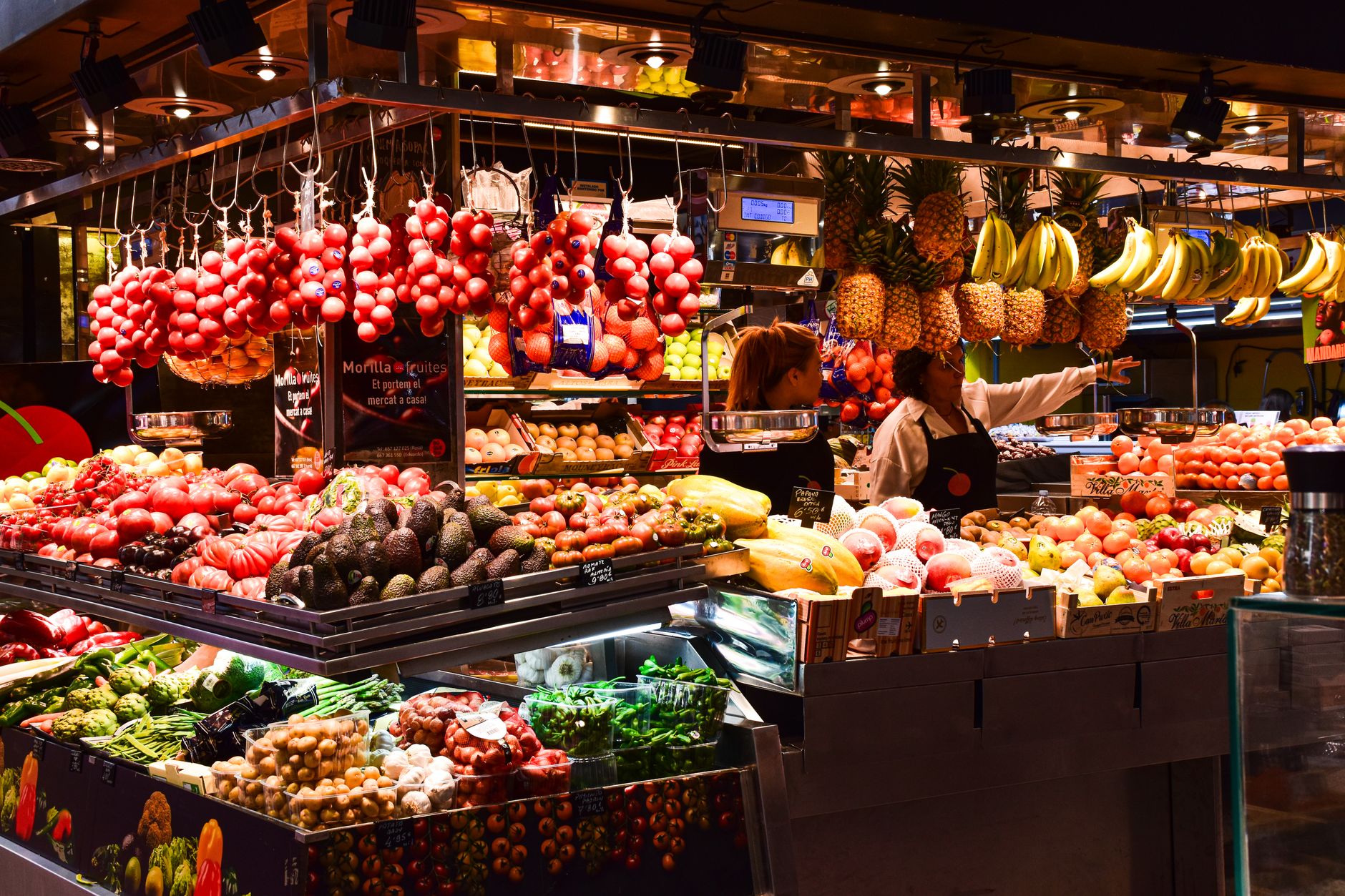
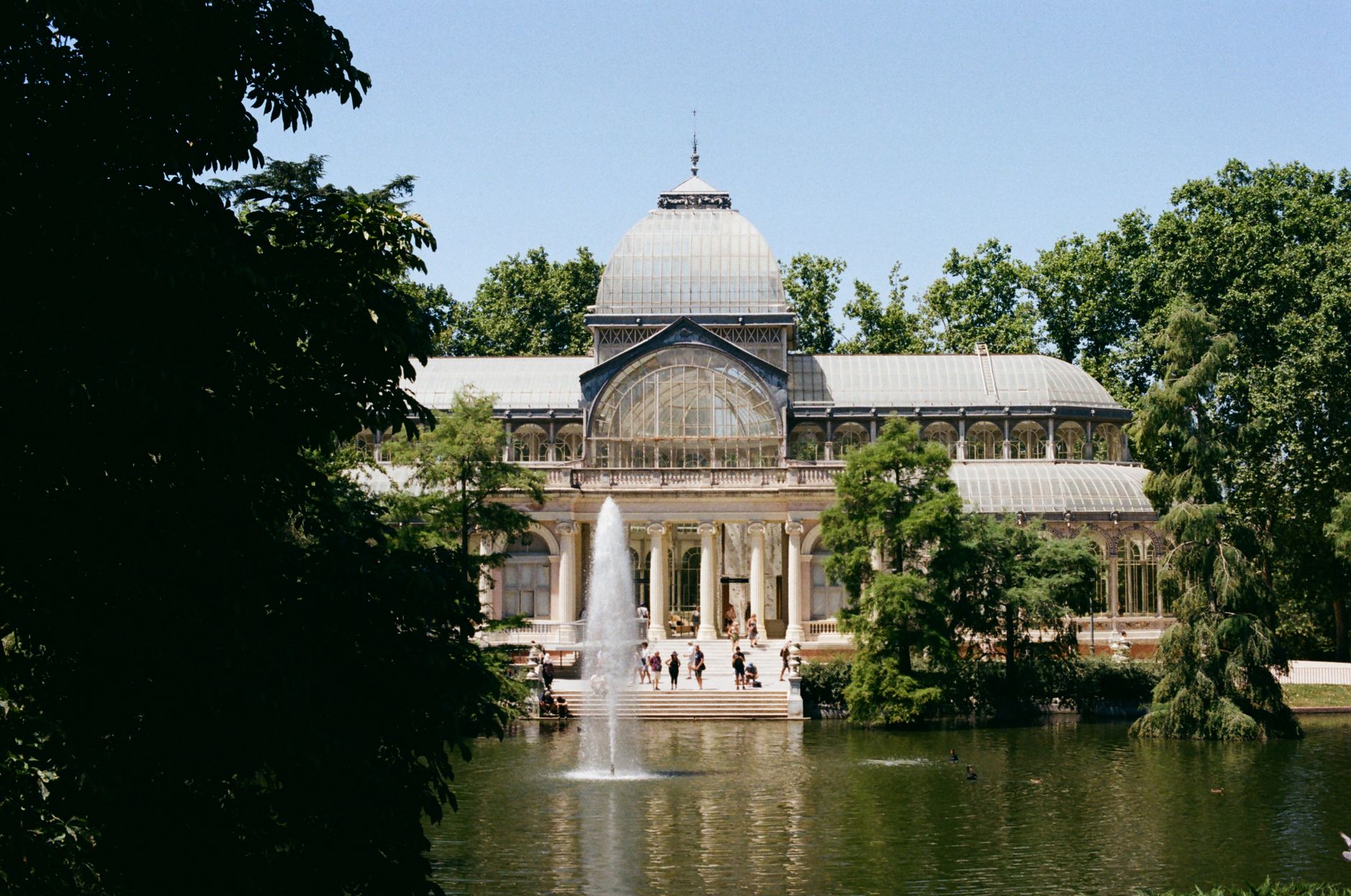
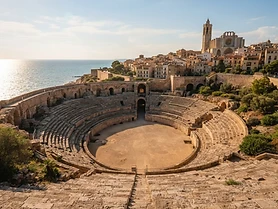
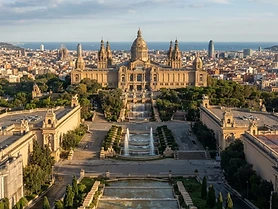
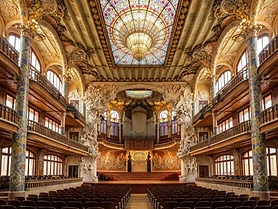
Barcelona is the anchor and most trips never leave it, which is a mistake but not a fatal one: Girona, Tarragona and the Costa Brava's coves are all within two hours by train or a short drive, and the Empordà behind them holds the best…
Minimum 4 days · better 7-8 days · deep 2 weeks


In Catalonia





In Catalonia





In Catalonia




















Logistics are verified only. We don't publish schedules we haven't confirmed.
Experiences worth booking ahead
- Girona History and Legends Tour Small Group from Girona4.9 (360)2.5 hrsFrom €40
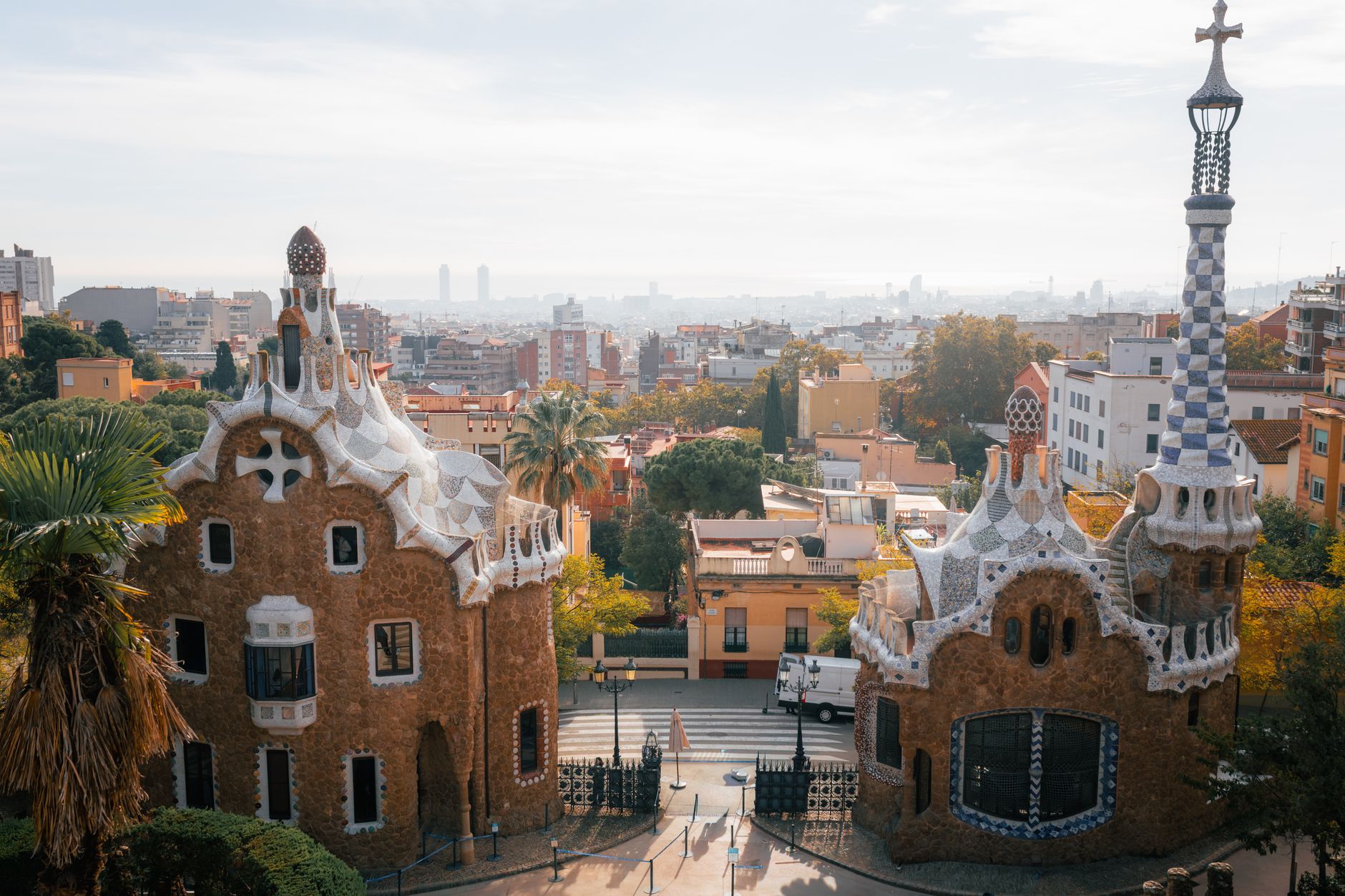
- Park Guell Skip-the-Line Guided Tour in Barcelona4.6 (8,834)1 hrsFrom €27
- Kayak & Snorkel Tour, Costa Brava — Sant Feliu de Guíxols4.9 (140)2 hrsFrom €30
- Girona Guided Tour with Cathedral, Arab Baths & St Feliu Basilica4.9 (62)3 hrsFrom €120
Spain Field Guide may earn a commission when you book through selected links. Recommendations are editorial and independent of commission.
Ready to build Sant Feliu de Guíxols into a trip?
You've found a place worth going. When you're ready to turn discovery into an itinerary, Travel Itinerary Co picks up where the Field Guide leaves off — with your saved places already in hand.
Build this into a tripContinues on Travel Itinerary Co
Spain Field Guide may earn a commission when you book through selected links. Recommendations are editorial and independent of commission.