Begur
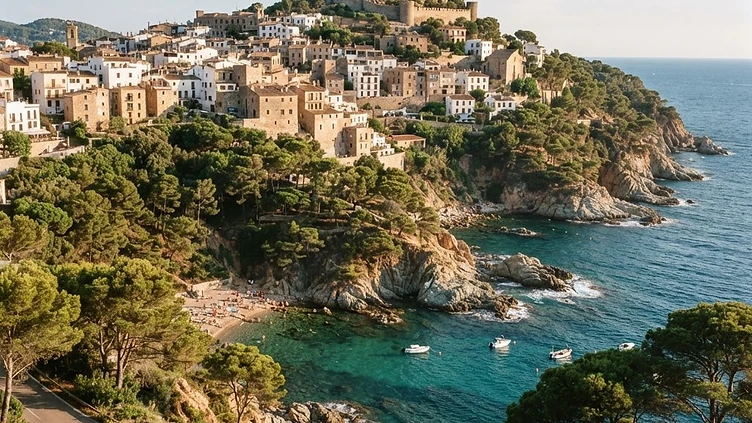
Stay if you want the coves in the early morning before the car parks fill. Parking at Sa Riera and Aiguablava is hopeless after ten in summer, so walk down or come in June.
The best coves on the Costa Brava, with a village above them that is pleasant rather than pretty.
At a Glance
- — You dislike steep hills and summer crowds
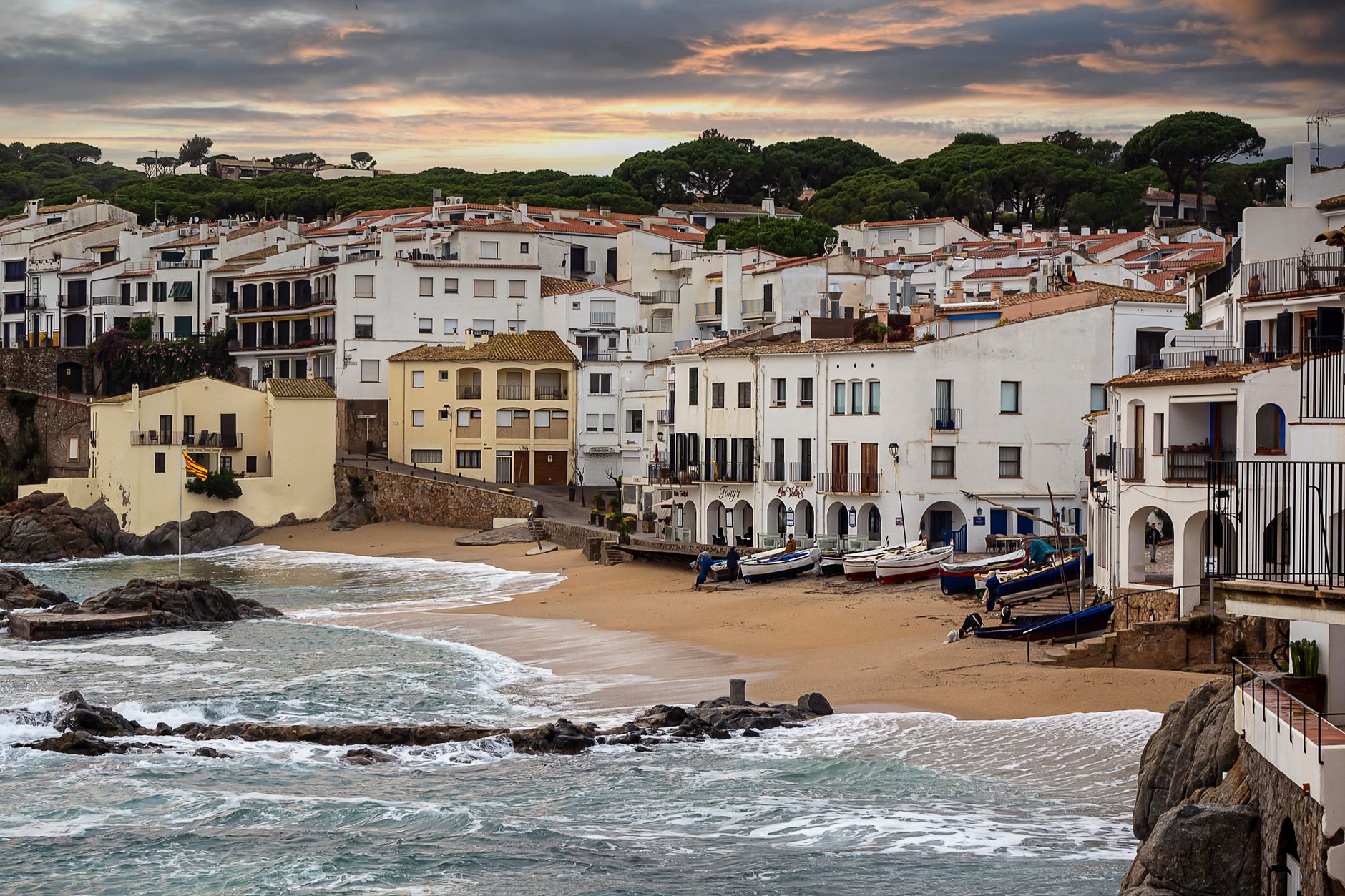
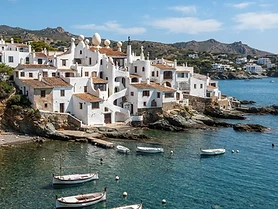
A hilltop village of whitewashed houses built by men who went to Cuba and came back rich, with a ruined castle above and a ring of pine coves below that are among the best on the coast. The village itself is small; the reason to stay is the water at the bottom of the hill.
How it got here
Pirate raids plagued the coast for centuries and drove the local population to retreat to the safety of the inland hill. The ruined castle atop the peak dates to the eleventh century and controlled the surrounding plains during the feudal period. Prosperity arrived in the nineteenth century as residents returned from colonial Cuba with fortunes earned in the trade of sugar and spices. These families built the ornate mansions that now distinguish the village. The architectural legacy persists in the tall facades and iron balconies of the center which testify to the wealth once funneled from the Caribbean to these hills.
Where it sits
The village rises above the Mediterranean among the rugged granite cliffs of the Costa Brava. Dense pine forests tumble down to meet small coves and narrow rocky beaches. Inland the landscape shifts to the rolling plains of the Baix Empordà where agriculture gives way to medieval stone villages. Roads here wind through cork oak woods and farmland toward the coast. Summer brings high heat and crowds from the interior while winter turns the village quiet and cool as the sea winds blow against the stone walls of the old houses.
What to eat and drink
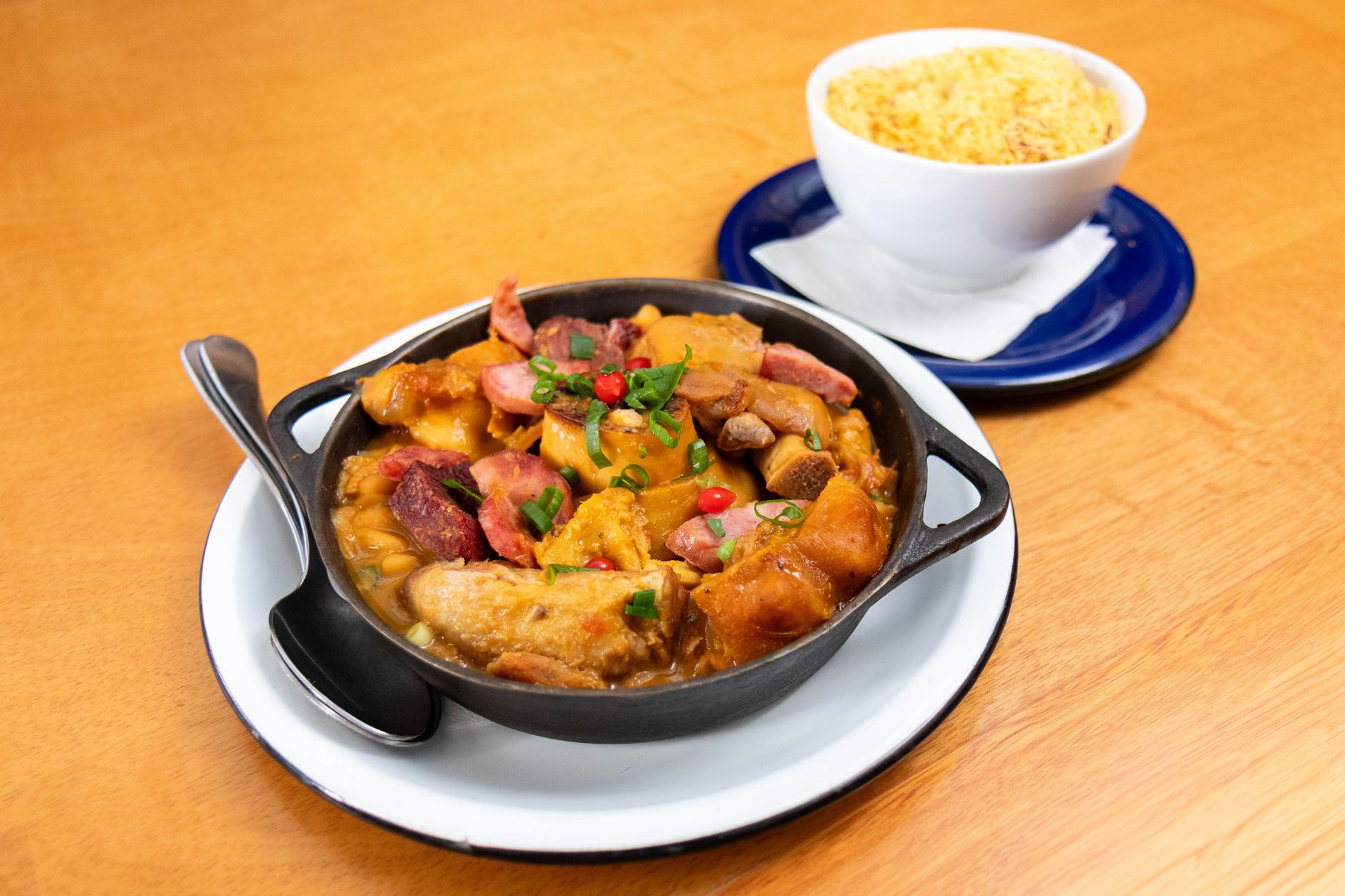
Suquet de peix remains the essential dish of the coast. This fish stew relies on the daily catch from the nearby docks simmered with potatoes and a picada of almonds and garlic. Anchovies from the harbor town of L'Escala provide a sharp salt-cured contrast to the heavier pots of seafood. The surrounding vineyards of the Empordà produce crisp white wines that cut through the richness of the local olive oil. Dried fruit and toasted nuts often finish the meal as tradition dictates in this corner of Catalonia.
Catalonia: the whole region
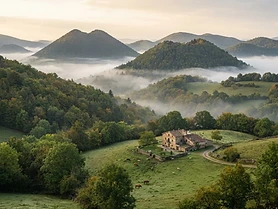
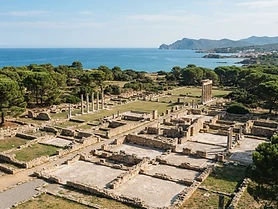
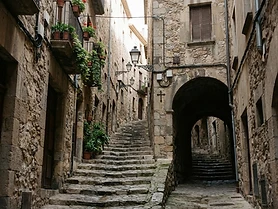
Barcelona is the anchor and most trips never leave it, which is a mistake but not a fatal one: Girona, Tarragona and the Costa Brava's coves are all within two hours by train or a short drive, and the Empordà behind them holds the best…
Minimum 4 days · better 7-8 days · deep 2 weeks


In Catalonia





In Catalonia




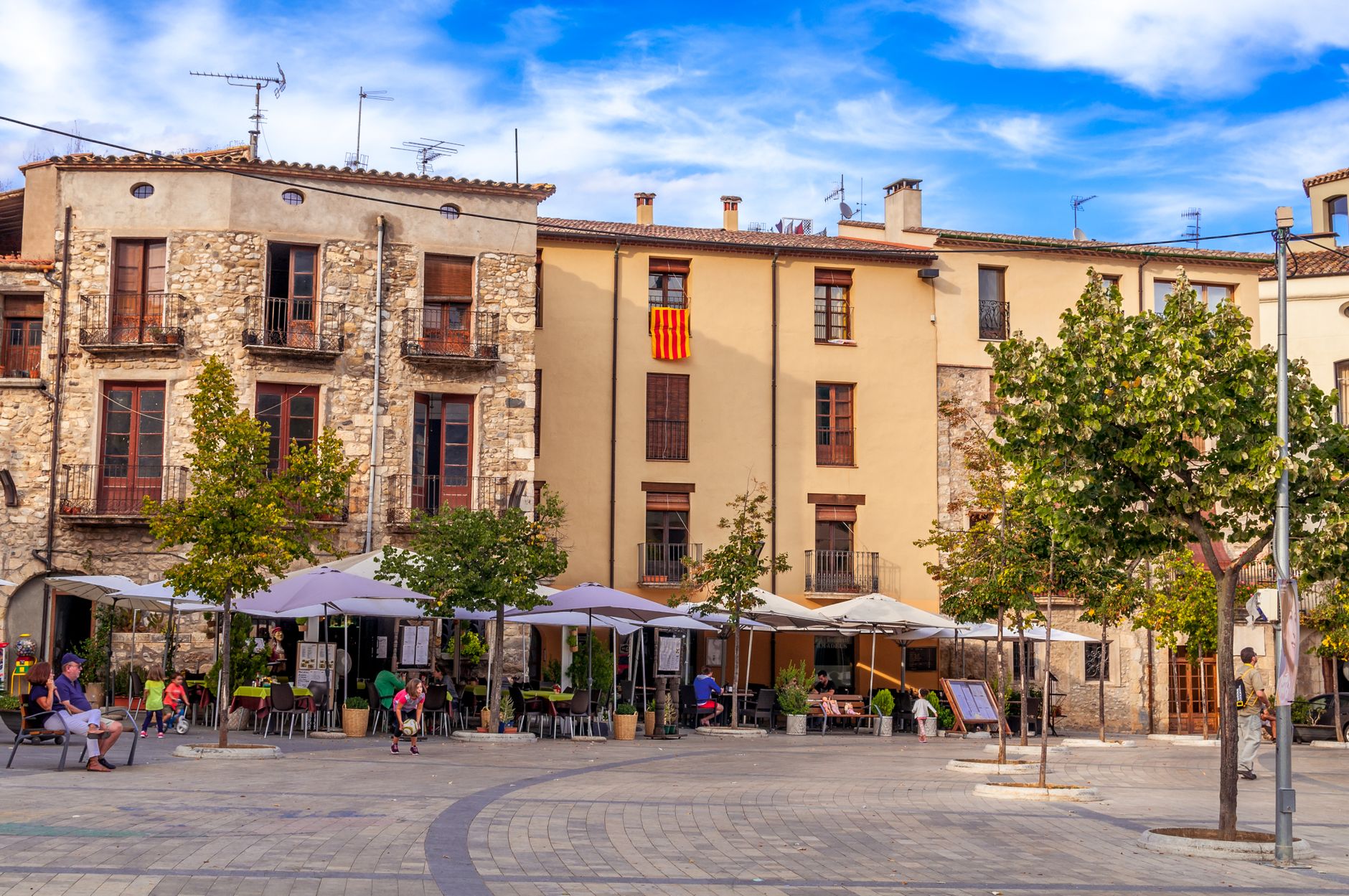
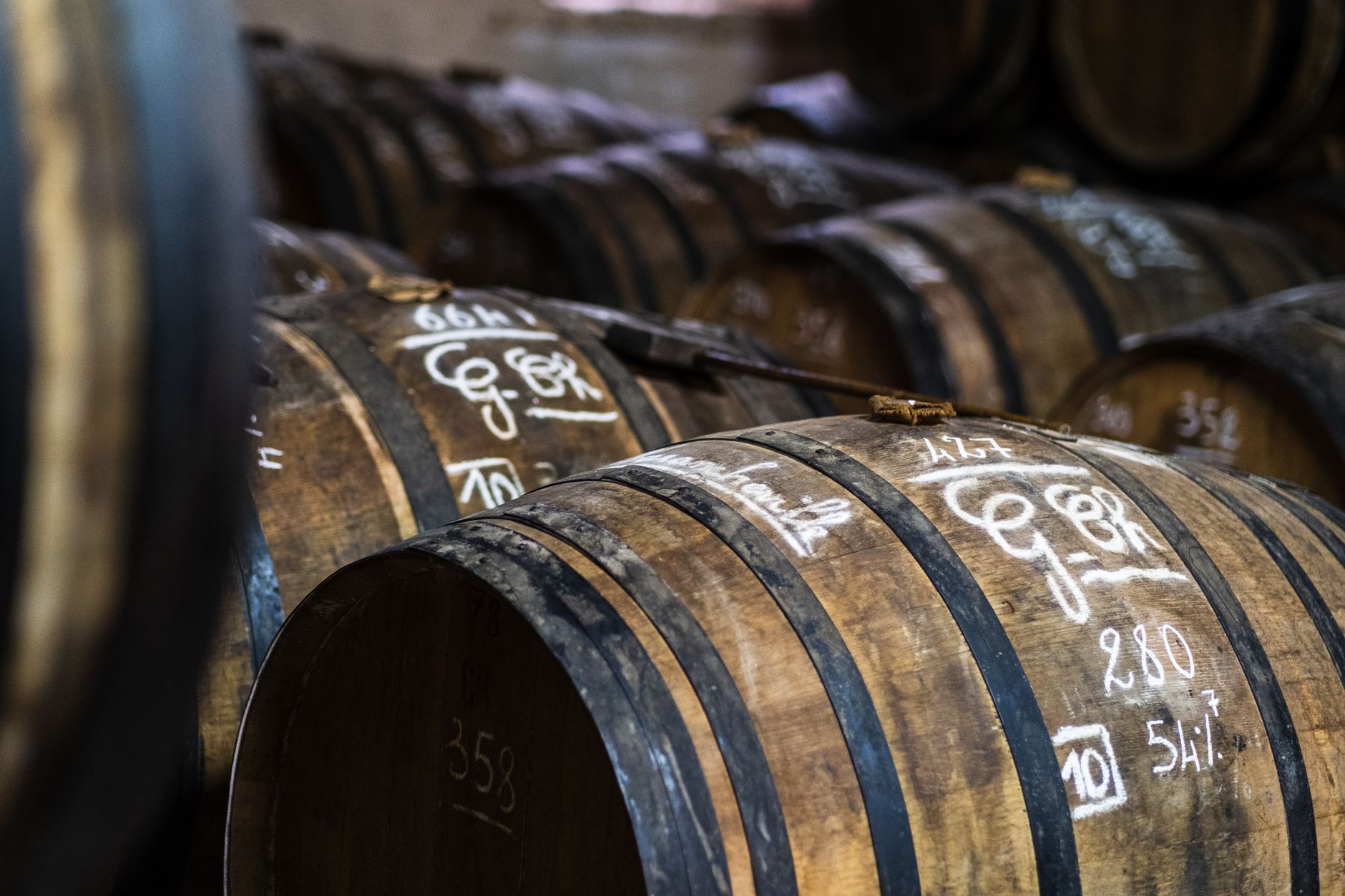

In Catalonia


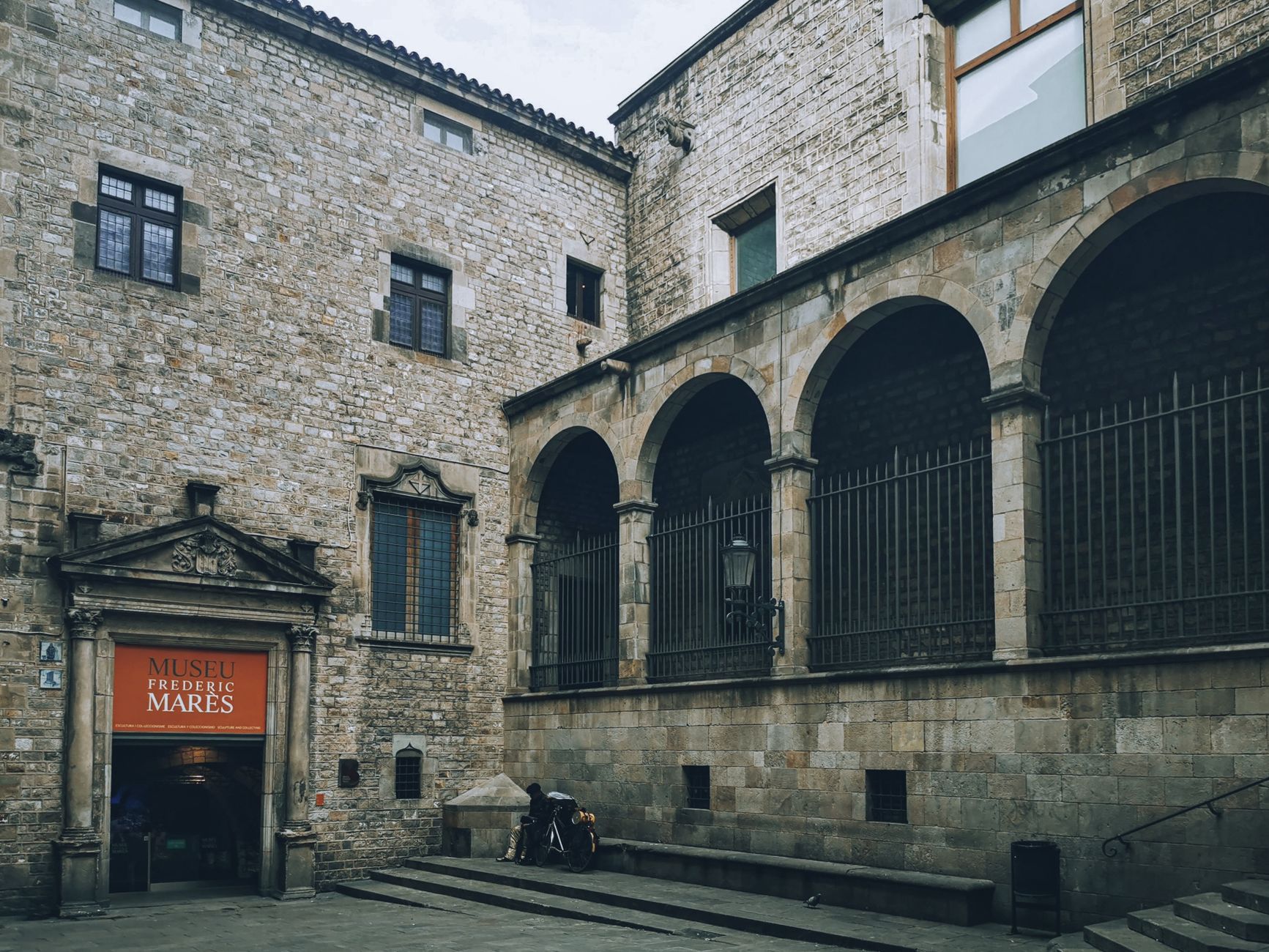
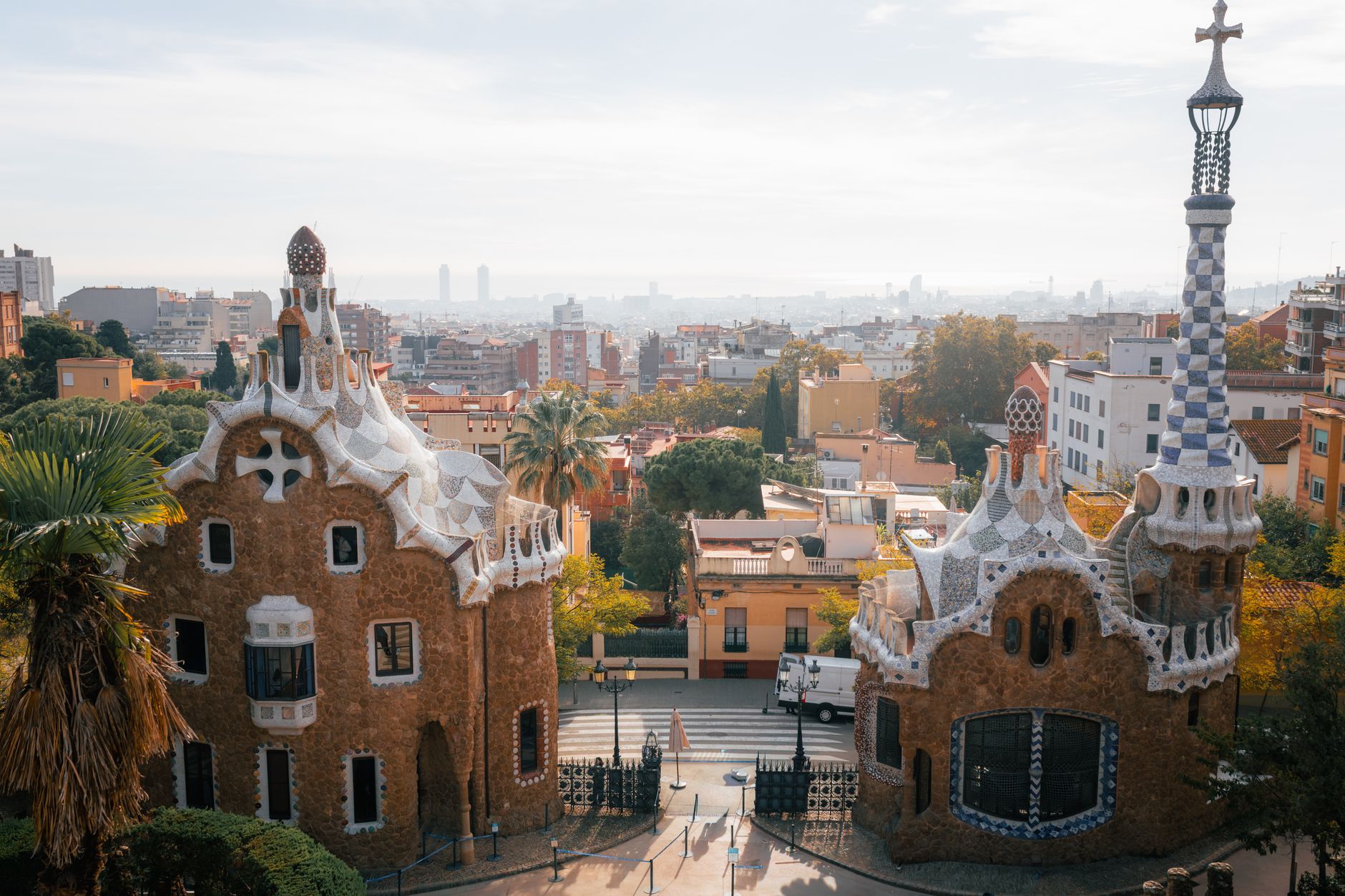


















Linked from elsewhere
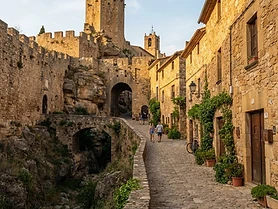
Entries that name this place in their own nearby lists.

Logistics are verified only. We don't publish schedules we haven't confirmed.
Experiences worth booking ahead
- Barcelona : Sagrada, Park Guell, Montjuic & Gothic4.8 (3,199)7 hrsFrom €89
- Costa Brava and Medieval Villages Small Group from Girona4.9 (96)8 hrsFrom €155
- Antoni Gaudí's Torre Bellesguard: A treasure to discover4.8 (42)1 hrsFrom €12
- World heritage site of Belur & Halebid with temple sculptures4.9 (26)12 hrsFrom €155
Spain Field Guide may earn a commission when you book through selected links. Recommendations are editorial and independent of commission.
Ready to build Begur into a trip?
You've found a place worth going. When you're ready to turn discovery into an itinerary, Travel Itinerary Co picks up where the Field Guide leaves off — with your saved places already in hand.
Build this into a tripContinues on Travel Itinerary Co
Spain Field Guide may earn a commission when you book through selected links. Recommendations are editorial and independent of commission.