Sierra de Espuña
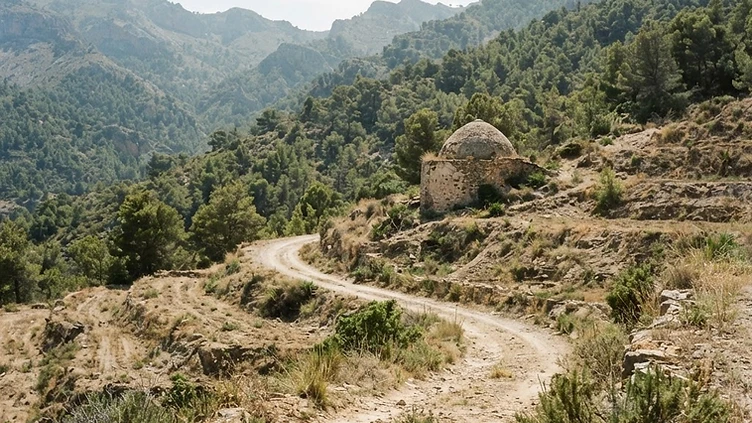
A day if you walk, half a day if you drive up and eat at the mountain restaurants. Take more water than you think you need.
Real mountain walking in the middle of semi-desert Murcia — pine woods, 16th-century snow wells and Barbary sheep, an hour from the coast.
At a Glance
Sierra de Espuña is a regional park of pine forest and limestone ridges rising out of the arid Murcian interior. Its Pozos de la Nieve are 16th-century wells built to store snow for the towns below, and the higher ground carries a reintroduced population of Barbary sheep. Roads climb to the visitor centre at La Carrasca, where the walking routes start.
How it got here
These slopes provided timber and ice for Murcia long before the park designation. Labourers carved deep cylindrical pits into the mountainside in the sixteenth century to collect winter snow. These snow wells insulated the packed ice with straw and earth, allowing the transport of frozen goods down to the lowland settlements. This industry sustained the local economy through the nineteenth century, when the trade eventually collapsed due to the arrival of mechanical refrigeration. The current forest cover owes much to the massive reforestation efforts directed by Ricardo Codorníu in the late nineteenth century, which stabilized the eroding soil against the harsh Mediterranean sun.
Where it sits
The mountains rise abruptly from the dry plains of the Murcian interior, creating a cool refuge above the parched river valleys. Pine forests blanket the limestone massifs, providing a sharp contrast to the surrounding scrubland. Barbary sheep move across the higher rocky outcrops, introduced to the terrain early in the twentieth century. Roads wind upward from the towns of Totana and Alhama de Murcia to the higher ridges. The climate shifts rapidly with altitude, keeping summer days manageable while winter brings frost and occasional snow to the higher reaches of the park.
What to eat and drink
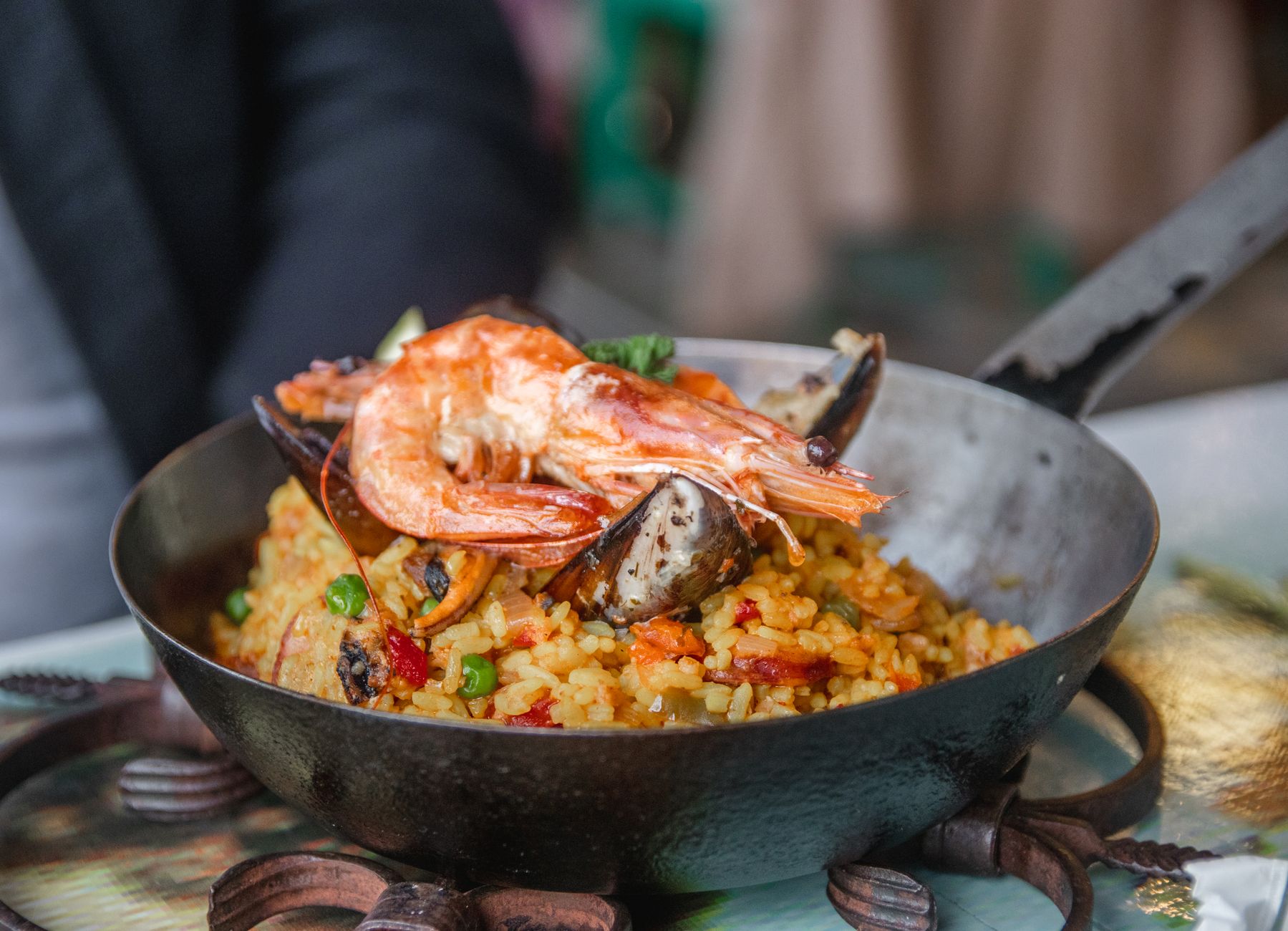
The cuisine of the Murcian interior relies on the bounty of the orchard and the hunt. Zarangollo, a scramble of eggs, zucchini, and onion, appears on tables throughout the year. Potaje de acelgas, a thick stew of chard, chickpeas, and sometimes salted cod, provides warmth during the cooler mountain winters. The local cured meats derive from the tradition of the matanza, particularly the long-cured sausages seasoned with paprika. For those eating in the mountain villages, the local red wines from the nearby Bullas designation provide a robust accompaniment to these rustic dishes.
Murcia: the whole region
The driest corner of Spain, and better for it: a region of arid hills, irrigated valleys and a coast that is still mostly open. Cartagena is the surprise — a port with a Roman theatre, an Art Nouveau street and a naval history you can walk…
Minimum 3 days · better 5-6 days · deep 8 days
In Murcia





In Murcia


In Murcia








Logistics are verified only. We don't publish schedules we haven't confirmed.
Ready to build Sierra de Espuña into a trip?
You've found a place worth going. When you're ready to turn discovery into an itinerary, Travel Itinerary Co picks up where the Field Guide leaves off — with your saved places already in hand.
Build this into a tripContinues on Travel Itinerary Co
Spain Field Guide may earn a commission when you book through selected links. Recommendations are editorial and independent of commission.