Castropol

A lunch stop rather than a destination, and a very good lunch stop. Eat seafood looking at Galicia.
The best table in western Asturias, on an estuary where the province ends.
At a Glance
- — You are looking for a beach holiday — the sand is small and the water is cold
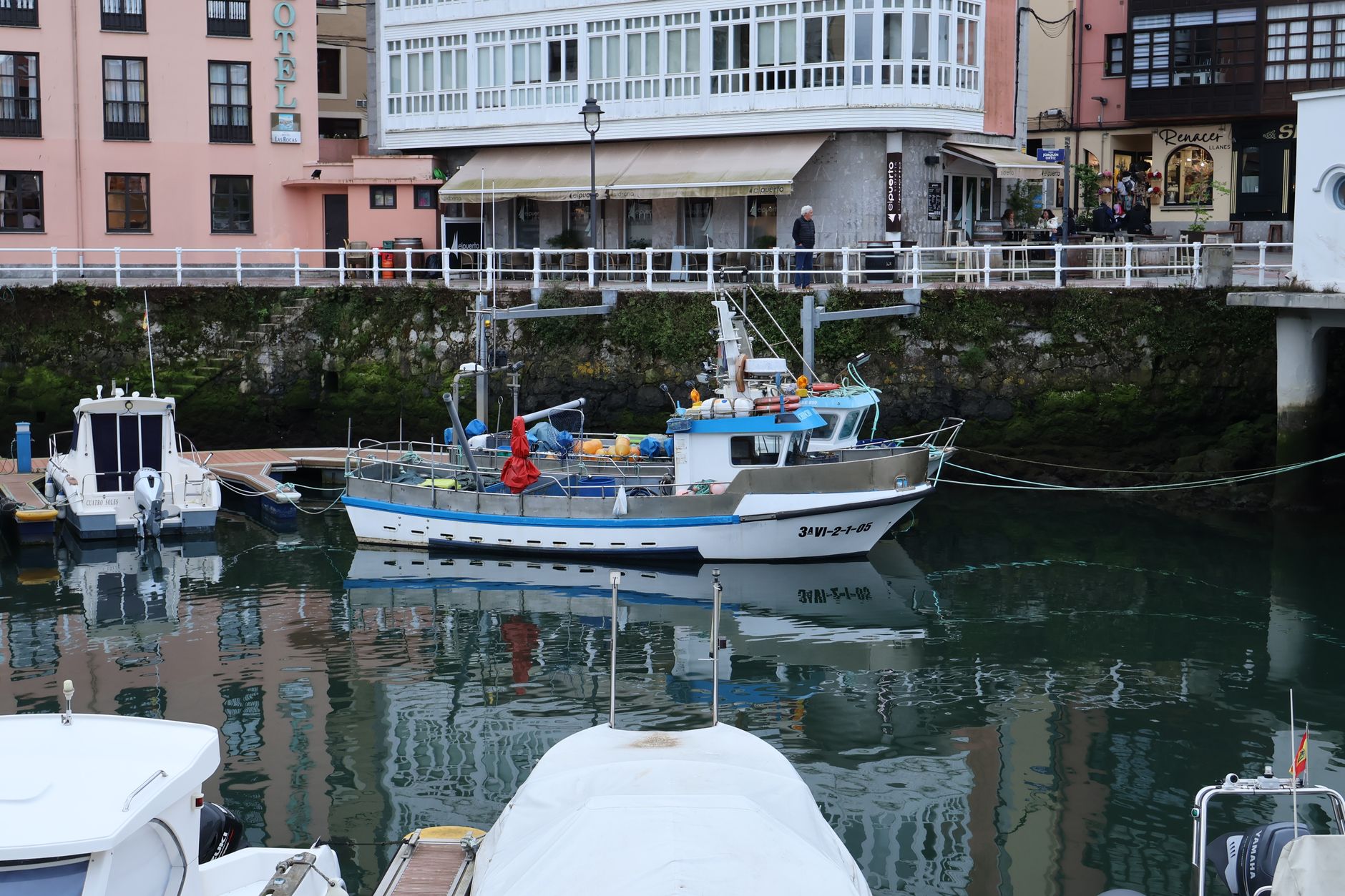
Castropol sits on the eastern bank of the ría del Eo, the estuary that separates Asturias from Galicia, and looks across the water at Ribadeo. The old town is on a hill above the fishing quarters, with a small harbour, a handful of houses built by emigrants who made money in Cuba and Argentina and came home to build mansions, and a long promenade where the estuary narrows. The seafood is excellent and cheap by coastal standards, there is a sailing club and a small beach, and the views across to Galicia are the reason the town kept its position when the bridge went up. A good lunch stop, and quiet out of season.
How it got here
Castropol occupies a strategic rise above the ría del Eo, a natural maritime border between Asturias and Galicia. Throughout the medieval period, the town served as a primary defensive point for the Asturian coast against northern incursions and shifting border jurisdictions. The nineteenth century brought an influx of capital from returning emigrants who built palatial homes following success in the Americas. These mansions mark the town skyline today, illustrating the socio-economic shift caused by the Atlantic migration. The town maintained its role as a regional maritime hub while surviving the centralizing pressures that drew commerce toward larger port cities along the Cantabrian coast.
Where it sits
The village overlooks the estuary from a high ridge, defined by the tidal water that floods and drains the low-lying marshlands known as the Veigas de Murias. The landscape shifts from the dense eucalyptus forests of the coastal hills to the exposed, saline edges of the salt marshes. Access follows the narrow valley routes that feed into the main coastal transit corridors. Cold, wet winters maintain a lush green cover, while the humidity of the estuary lightens during the clear, wind-swept days of autumn. Low population density keeps the streets quiet except for the harvest months.
What to eat and drink
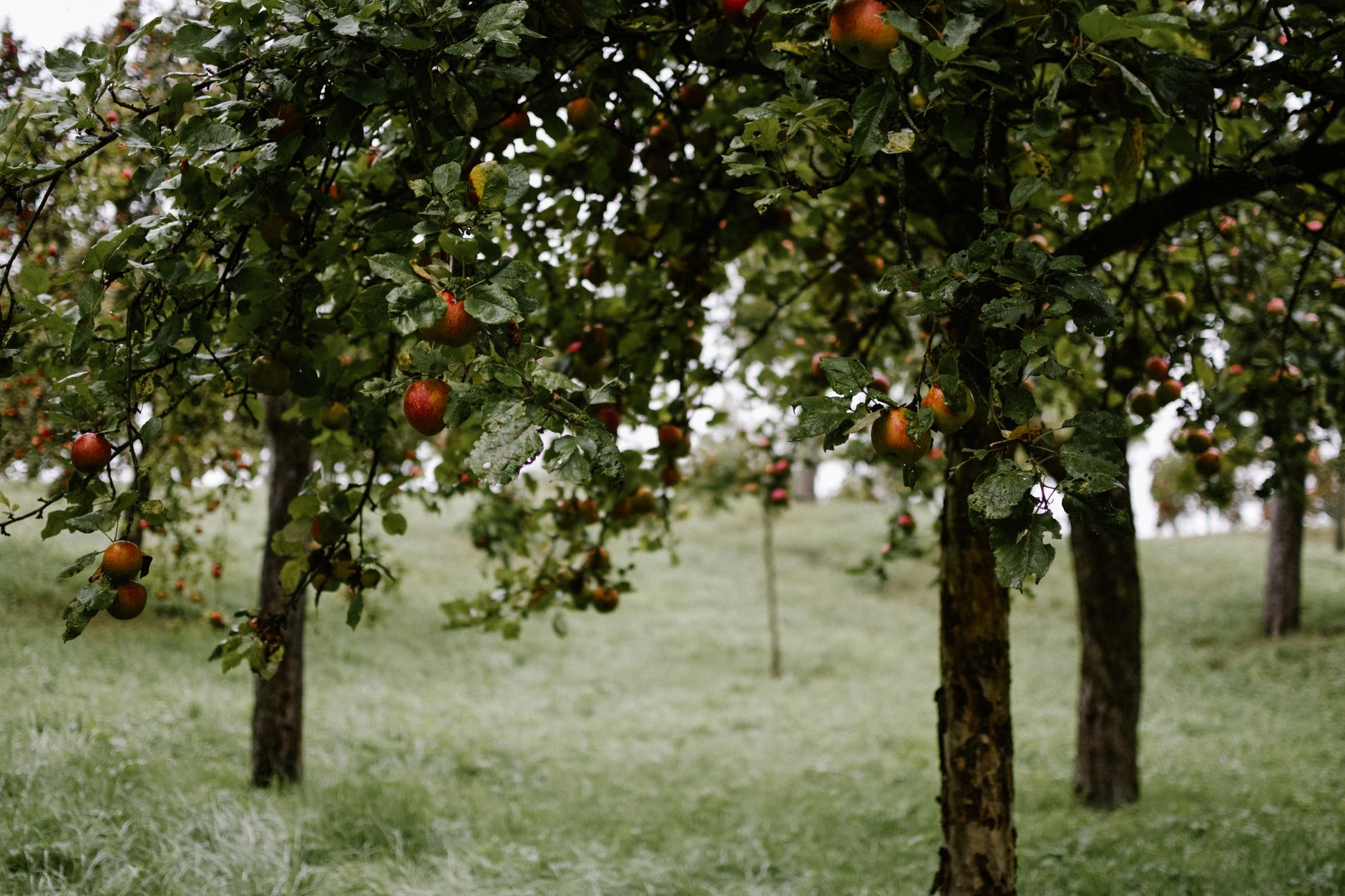
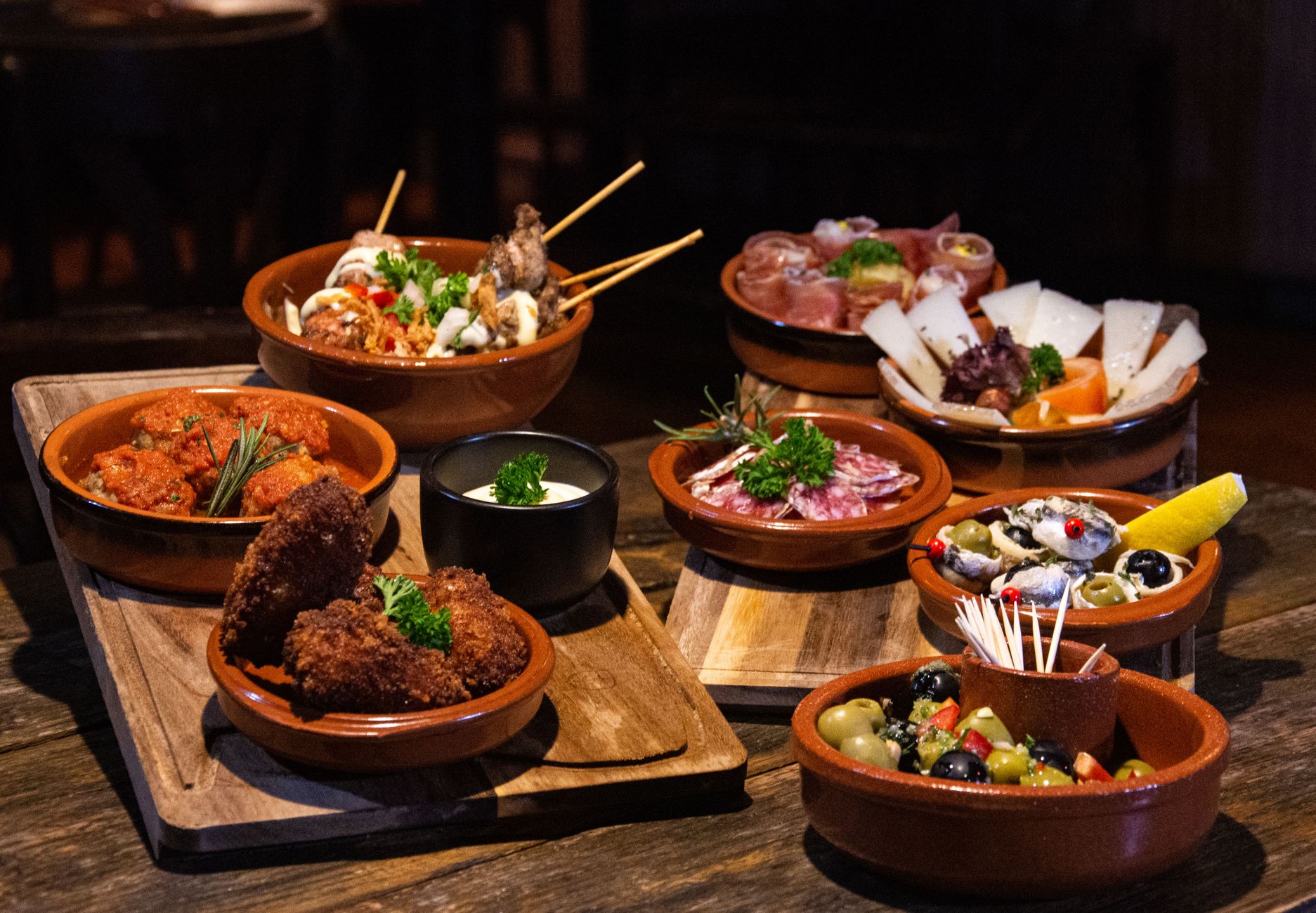
The estuary provides the local staples, specifically the oysters harvested from the mudflats of the Eo. Pota de calamar, a hearty squid stew slow-cooked with ink and local aromatics, is the standard preparation for the daily catch. Empanadas filled with cockles or sardines utilize the traditional wheat and corn doughs common to the coastal strip. Drink revolves around sidra natural, the uncarbonated apple cider of the province, poured from a height to aerate the liquid before consumption. The local kitchen relies on the proximity of both the mountain dairy farms and the artisanal fleets of the ría.
Asturias: the whole region
Asturias fits a whole coast, a mountain range and a serious kitchen into a province you can cross in two hours. Cider poured from a height, blue cheese, working fishing ports, and the Picos de Europa standing over all of it. It rains often…
Minimum 4 days · better 7 days · deep 10-12 days

In Asturias




In Asturias



In Asturias





Logistics are verified only. We don't publish schedules we haven't confirmed.
Experiences worth booking ahead
Spain Field Guide may earn a commission when you book through selected links. Recommendations are editorial and independent of commission.
Ready to build Castropol into a trip?
You've found a place worth going. When you're ready to turn discovery into an itinerary, Travel Itinerary Co picks up where the Field Guide leaves off — with your saved places already in hand.
Build this into a tripContinues on Travel Itinerary Co
Spain Field Guide may earn a commission when you book through selected links. Recommendations are editorial and independent of commission.